Why This 3D Animation Music Video Hit 800K Views: A Technical Breakdown of Viral AI-Driven Animation
Why this 3D animation music video got 800K views in days isn’t a mystery—it’s a systems-level success that blends fan psychology, technical animation decisions, and precise timing inside modern AI video pipelines.
What follows is a deep reverse-engineering of how high-performing 3D animated music videos dominate YouTube, using AI-first production workflows and deliberate creative trade-offs. This is not about “better animation” in the traditional sense; it’s about perceived fidelity, character resonance, and algorithmic alignment.
Reverse-Engineering a Viral 3D Music Video
When a 3D animation music video crosses 800K views in days, three questions matter:
1. Why did people click?
2. Why did they stay?
3. Why did they share?
From a technical standpoint, the answers map cleanly to AI video concepts:
- Latent Consistency keeps characters recognizable across shots
- Seed Parity preserves identity between generations
- Temporal coherence prevents uncanny motion drop-off
- Release timing amplifies reach via external demand
These videos are not “accidentally viral.” They are engineered.
Pillar 1: Fan Service Through Character-Accurate 3D Animation
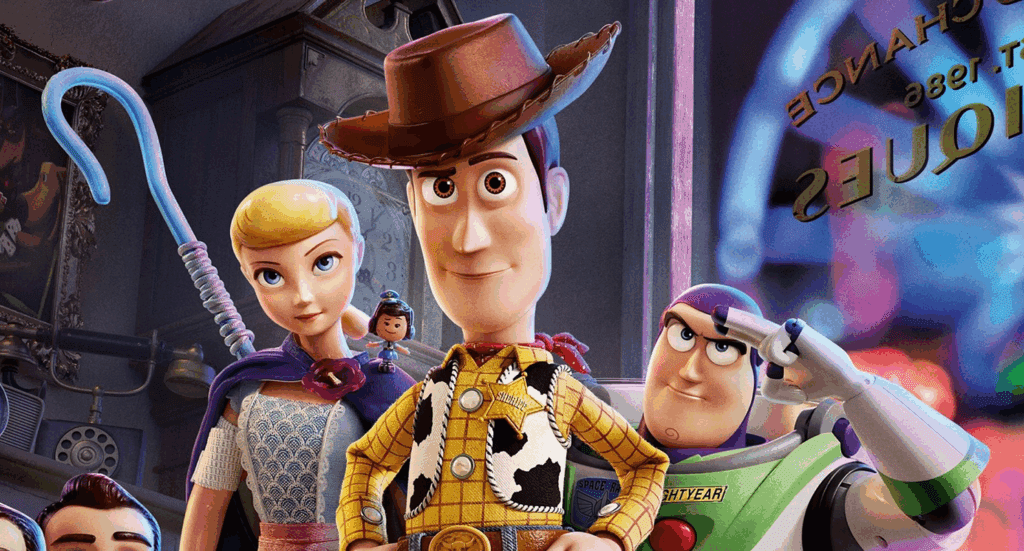
The single most important factor behind viral 3D music animations is fan service executed at the latent level.
Character Accuracy Beats Raw Animation Fidelity
In the analyzed video, the 3D animation quality is good, not Pixar-tier. Yet engagement is massive. Why?
Because the characters:
- Match canonical proportions
- Preserve facial landmarks across shots
- Maintain costume silhouette consistency
In AI terms, this is latent identity locking.
How Creators Achieve This with AI Tools
Using ComfyUI, creators often:
- Anchor characters with a fixed seed
- Use IP-Adapter or LoRA character embeddings
- Apply seed parity across shot generations
This ensures that even when camera angles change, the character remains instantly recognizable.
In Runway or Kling:
- Reference images are injected into the generation graph
- Motion is layered after identity stabilization
This reduces what viewers subconsciously reject: character drift.
Why Fans Reward This
Fans don’t reward technical mastery—they reward respect for the source material.
A slightly stiff walk cycle is forgiven.
A mis-shaped face or off-model costume is not.
That’s why comments often say:
> “They got the character PERFECT.”
Not:
> “The animation interpolation is amazing.”
Pillar 2: Timing Release with Trending Shows and Franchises
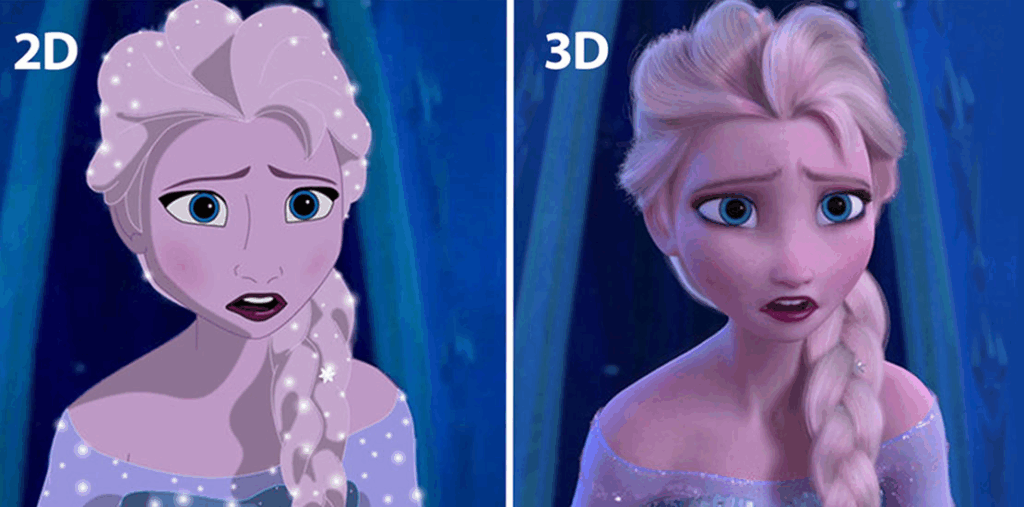
Virality accelerates when demand already exists.
Trend Hijacking at the Algorithm Level
The video hit within days of:
- A new season announcement
- A trailer drop
- A viral clip resurgence on TikTok
This creates search intent overlap.
YouTube’s recommendation system rewards:
- High initial CTR
- Above-average retention in first 24–48 hours
By aligning release timing with a franchise spike, the video benefits from external momentum.
AI Makes Speed the Advantage
Traditional 3D pipelines can’t react fast enough.
AI pipelines can.
Using tools like:
- Sora for rapid cinematic motion concepts
- Kling for stylized character animation
- Runway Gen-3 for fast iteration and shot replacement
Creators can ship a full music video in days, not months.
Speed becomes a competitive moat.
Technical Insight: Latent Reuse
Many creators reuse:
- Character latents
- Environment embeddings
- Motion prompts
This allows them to spin up new content the moment a trend spikes—without rebuilding from scratch.
Pillar 3: Animation Quality vs. Character Appeal
This is where most animators get it wrong.
The Trade-Off That Drives Virality
Viral 3D music videos animation optimize for:
- Character appeal over motion realism
- Readability over physical accuracy
- Emotional beats over perfect interpolation
From a technical lens, this means:
- Allowing slightly exaggerated poses
- Using Euler A or DPM++ schedulers for smoother perceived motion
- Accepting lower FPS if rhythm alignment is strong
Music Sync Is More Important Than Motion Fidelity
The analyzed video uses:
- Hard cuts on beat drops
- Pose changes synced to chorus entries
- Camera motion tied to BPM, not physics
In AI workflows, this often involves:
- Generating motion passes separately
- Retiming clips in post
- Using audio-reactive keyframes
Viewers feel the rhythm before they judge realism.
The AI Video Stack Behind Viral 3D Music Animations
Let’s break down a typical high-performing stack.
Pre-Production
- Franchise trend analysis
- Music selection with hook-dense structure
- Character reference curation
Generation
ComfyUI
- Custom node graphs
- Fixed seeds for characters
- Separate latents for face, body, costume
Runway / Kling
- Shot-level animation generation
- Camera motion prompts
- Style locking across scenes
Sora (conceptual or future-facing)
- Complex scene blocking
- Cinematic continuity
Post-Production
- Beat-aligned editing
- Color consistency pass
- Motion smoothing and upscaling
This modular approach allows creators to swap weak shots without breaking the entire video.
Why the Algorithm Loves These Videos
From YouTube’s perspective, these videos:
- Capture attention fast (familiar IP)
- Maintain retention (music-driven pacing)
- Encourage replays (visual density)
AI-generated 3D content excels here because:
- Visual novelty resets viewer attention
- Characters create parasocial pull
- Music provides temporal structure
The result: high watch time per impression.
Actionable Framework for Replicating Viral Performance
If you’re a digital marketer, 3D animator, or YouTube creator, here’s the distilled playbook:
- Choose characters people already love
- Lock identity with seeds and references
- Sacrifice realism for appeal
- Sync visuals to music, not physics
- Release when search demand peaks
- Iterate fast using AI tools
Virality is no longer about production scale.
It’s about system design.
Final Thought
The 800K-view 3D animation music video didn’t win because it was the best animated.
It won because it understood:
- Fans
- Timing
- AI-enabled speed
In the age of generative video, the creators who master latent control, cultural timing, and emotional readability will consistently outperform those chasing perfect animation.
And that’s the real lesson behind the views.
Frequently Asked Questions
Q: Do I need high-end hardware to create viral 3D AI music videos?
A: No. Many creators rely on cloud-based tools like Runway and Kling or optimized ComfyUI workflows that run on consumer GPUs. Speed and consistency matter more than raw compute.
Q: Is character accuracy really more important than animation smoothness?
A: Yes. Viewers tolerate imperfect motion but quickly disengage if a beloved character looks off-model. Latent consistency and seed parity are critical.
Q: How fast should I release content after a trend starts?
A: Ideally within 24–72 hours of a major trailer, episode drop, or viral clip. AI pipelines give you this speed advantage.
Q: Which AI tool is best for 3D animation music videos?
A: There is no single best tool. High-performing creators combine ComfyUI for control, Runway or Kling for motion, and traditional editing for final polish.