















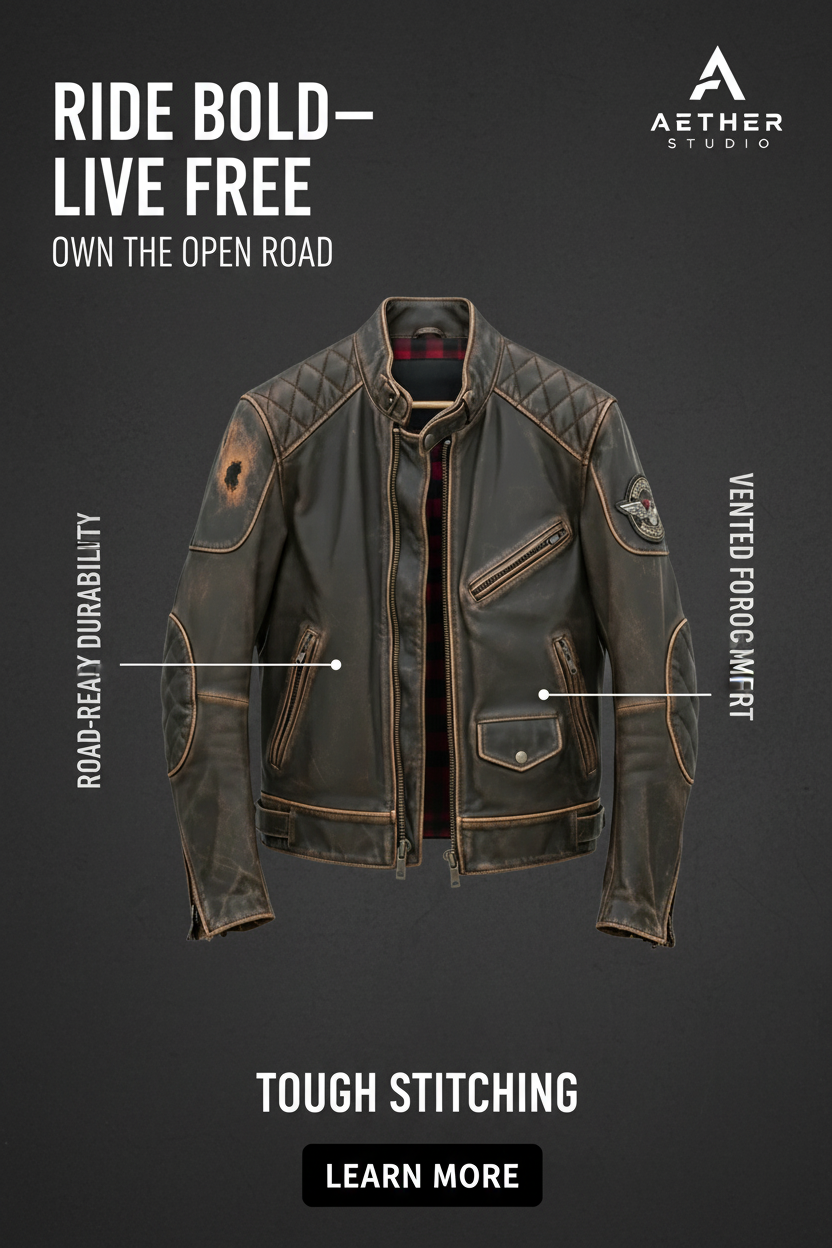
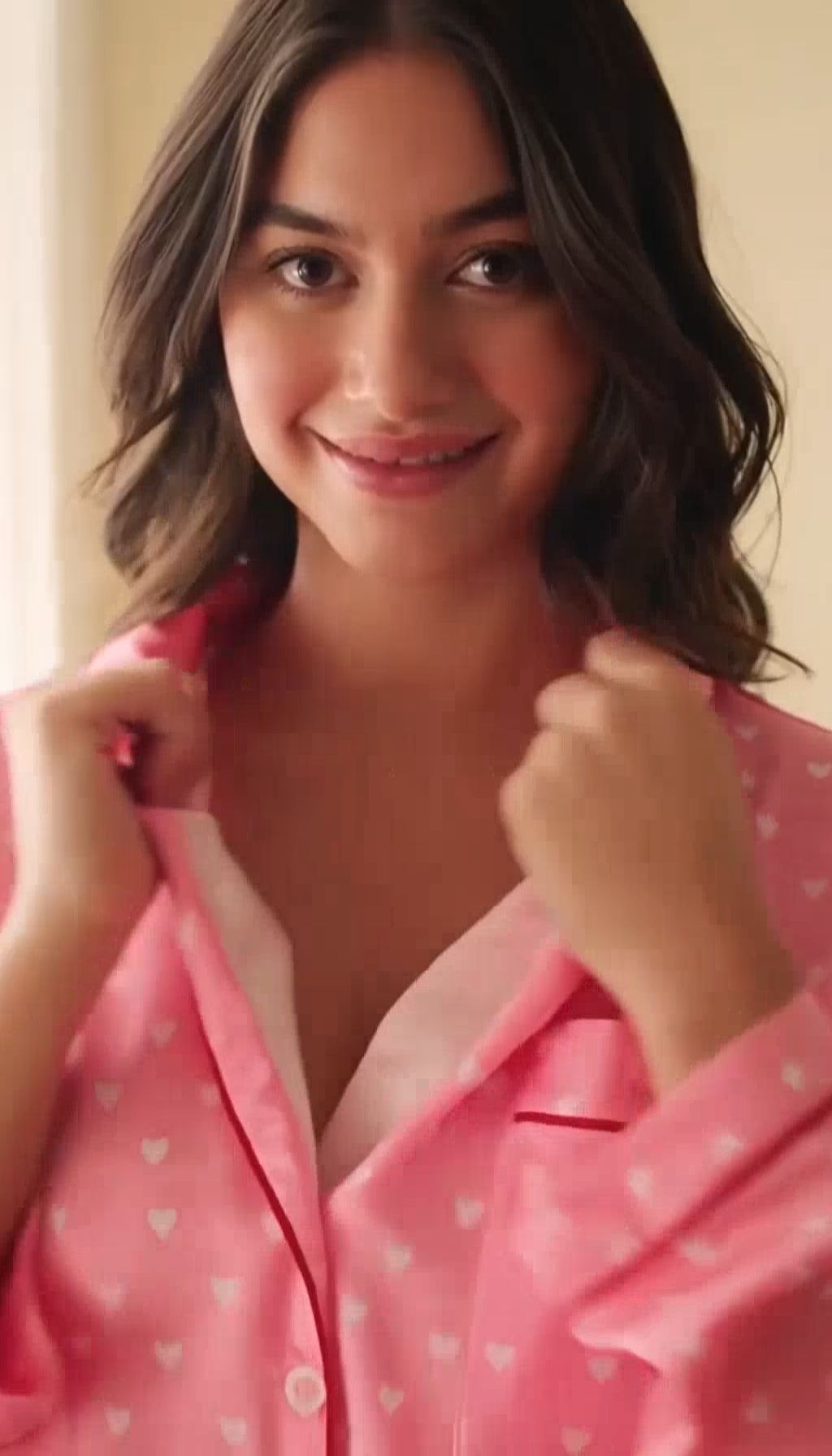


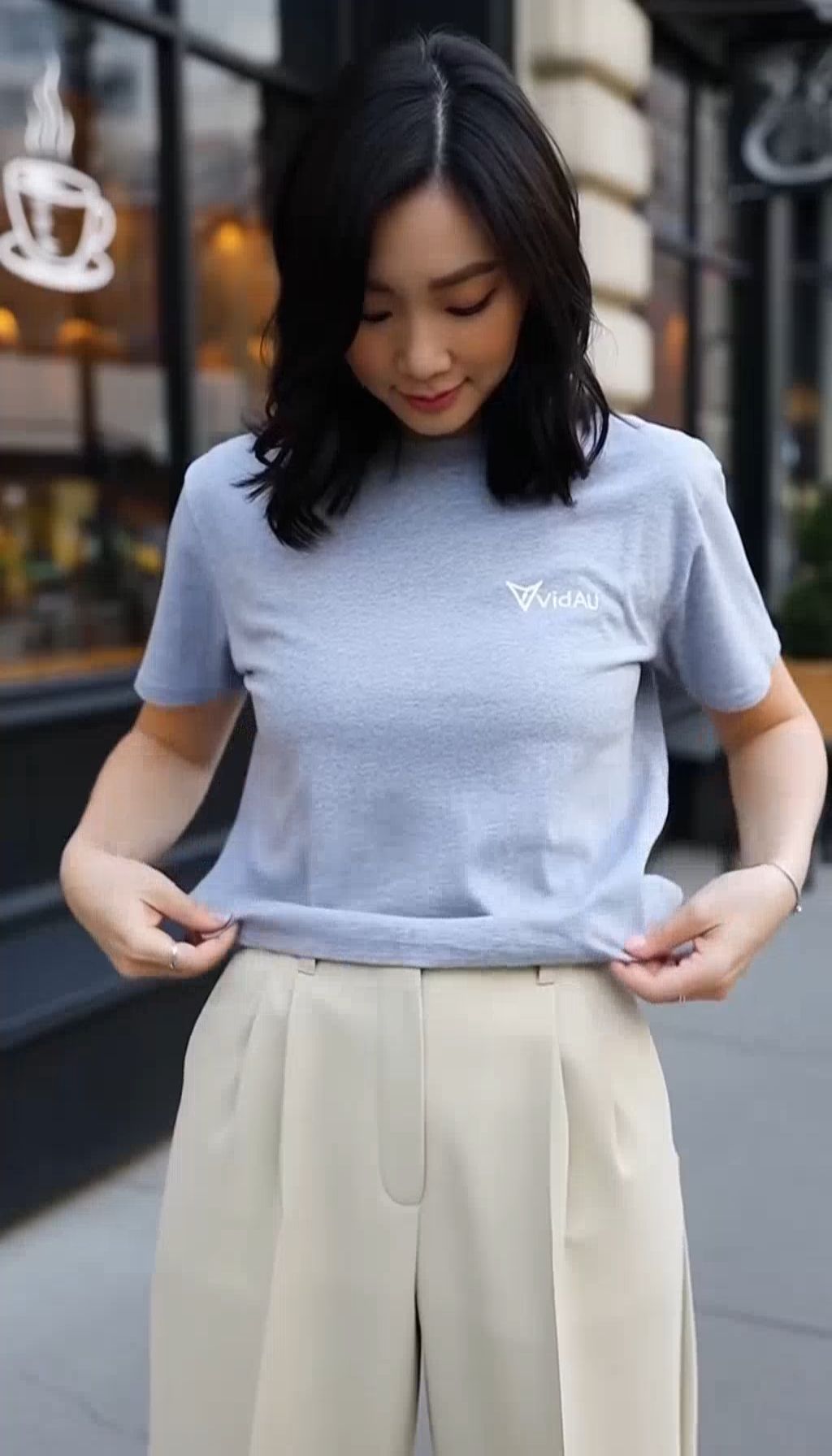
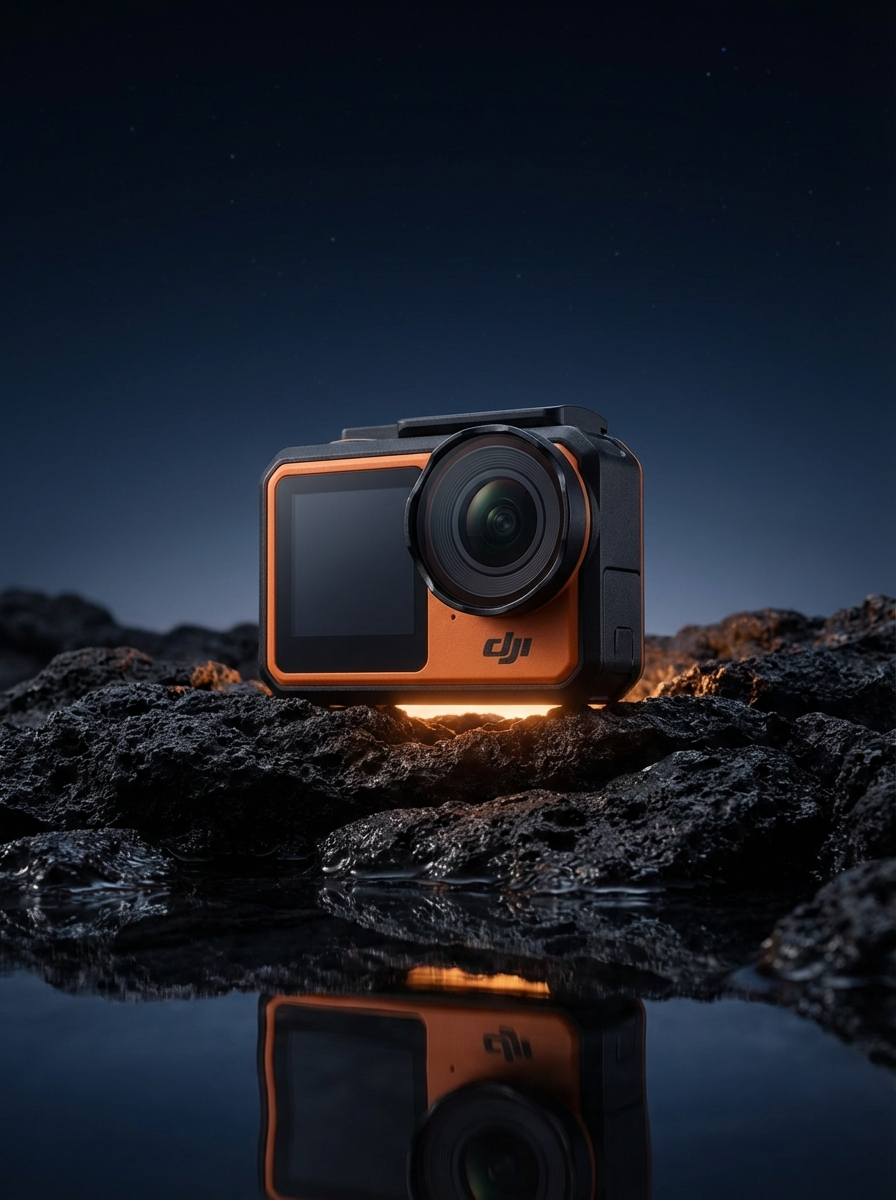



















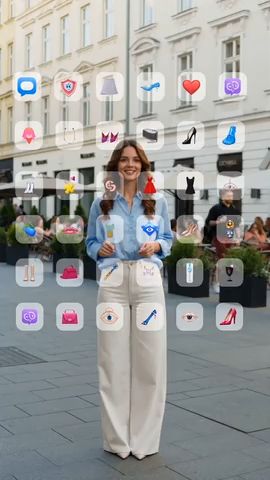

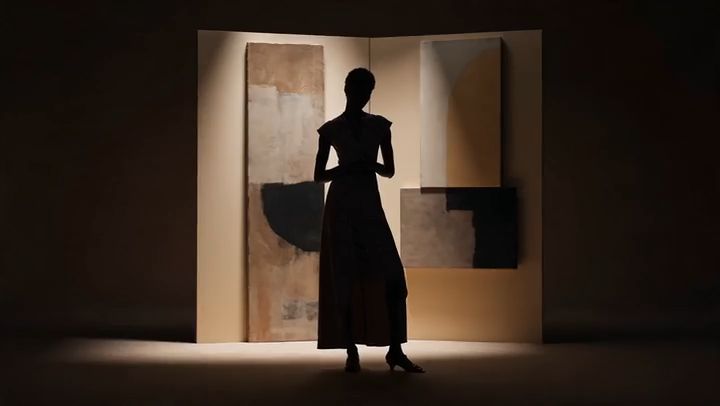





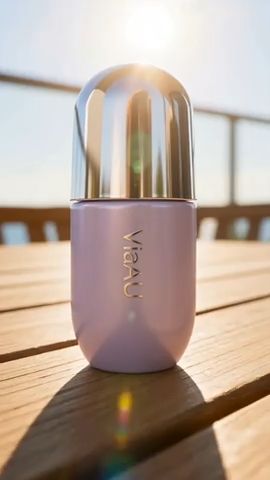
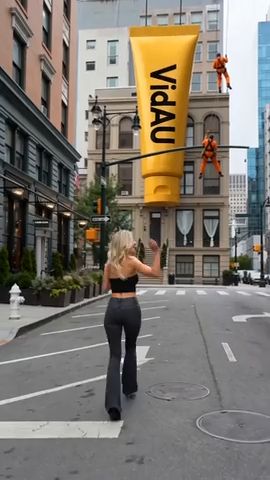













6 AI Pro Tools to Upgrade Your Product Images in 2026

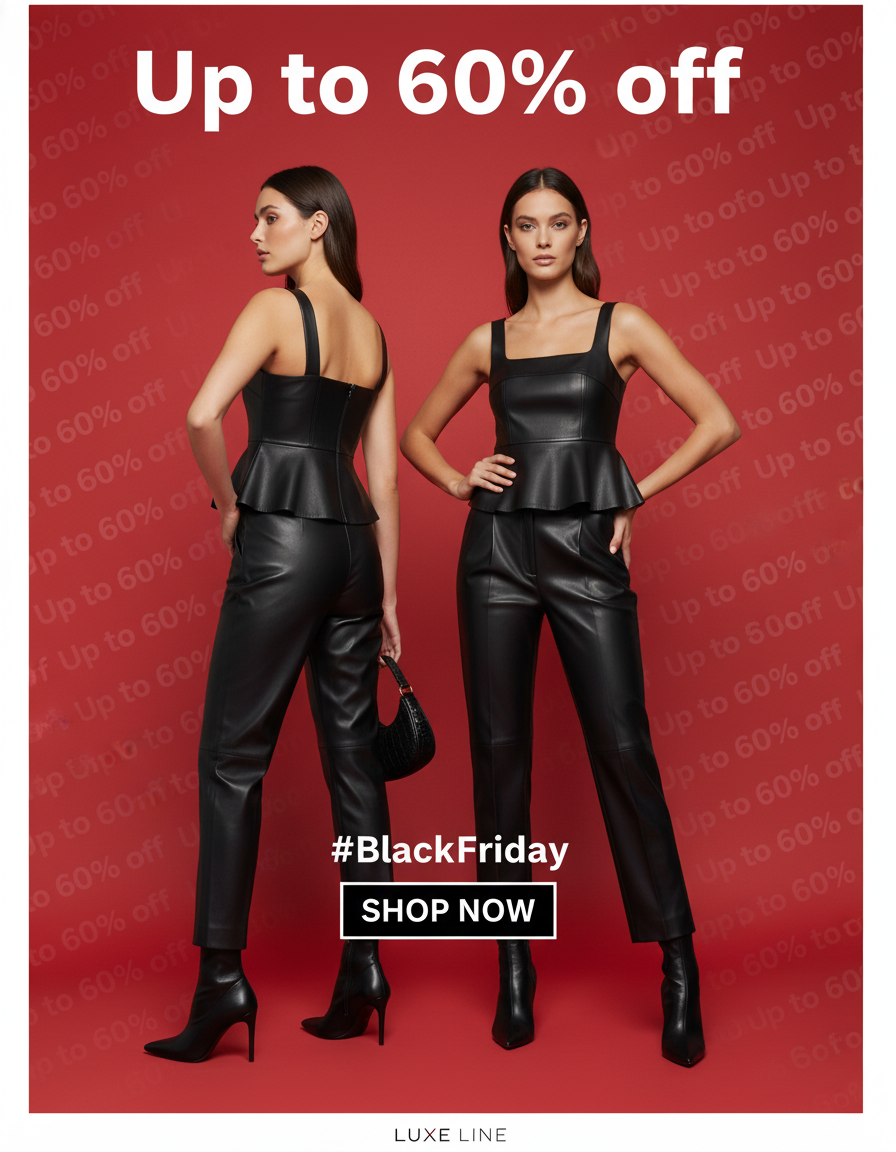
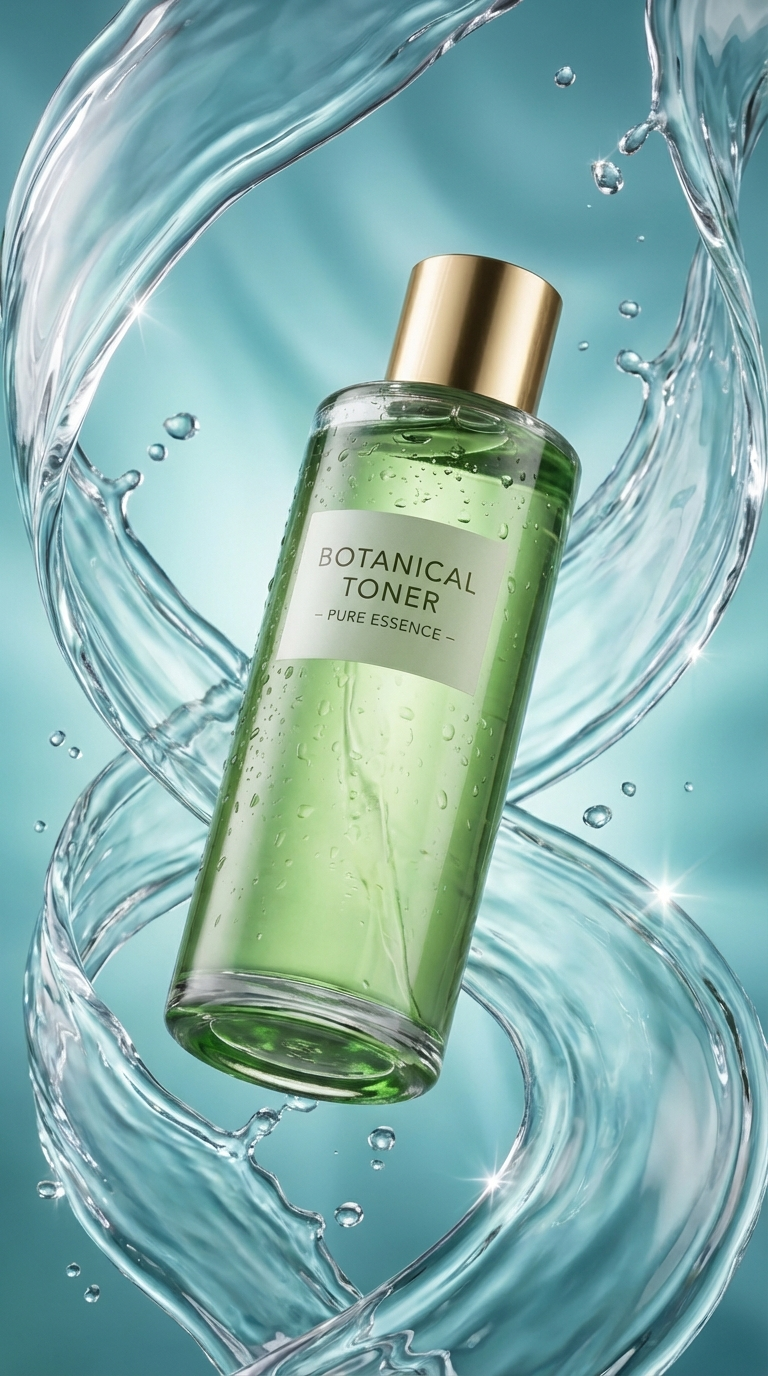
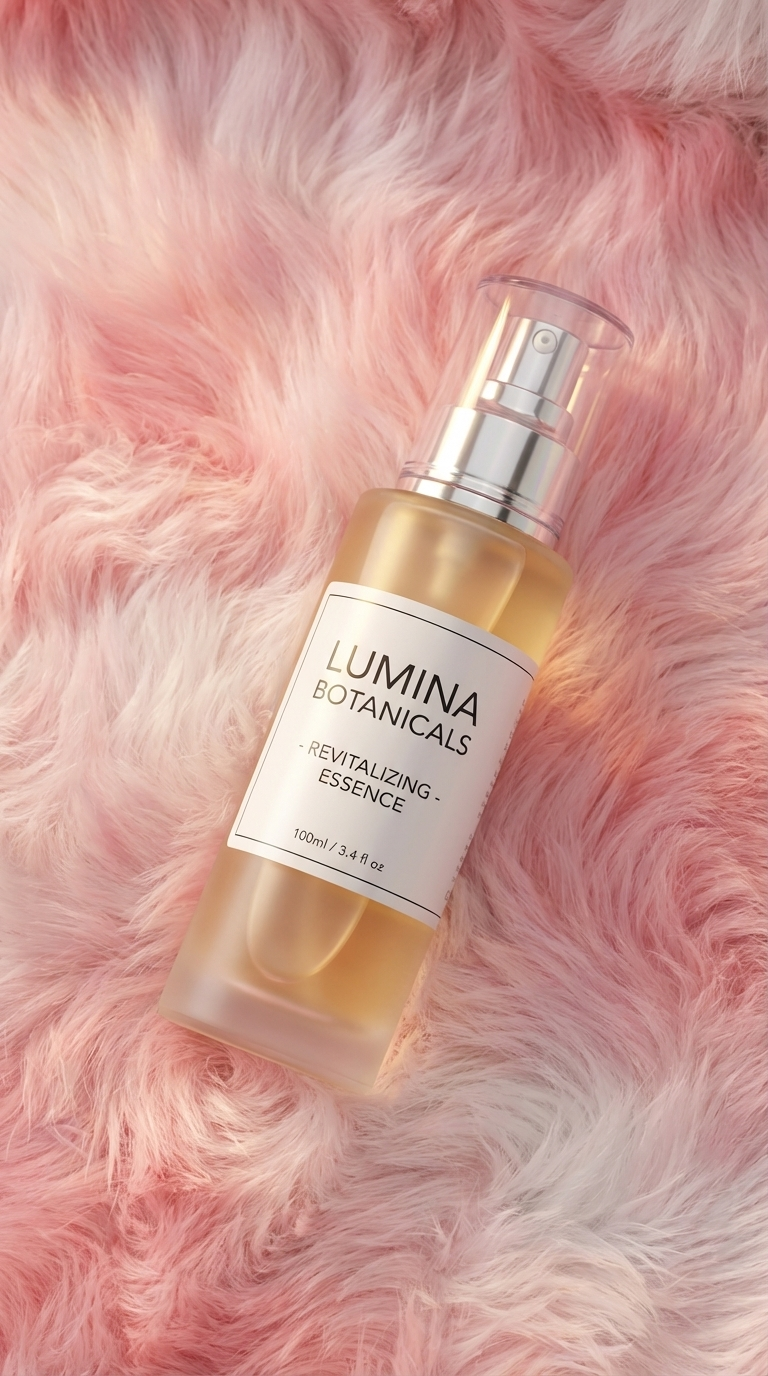
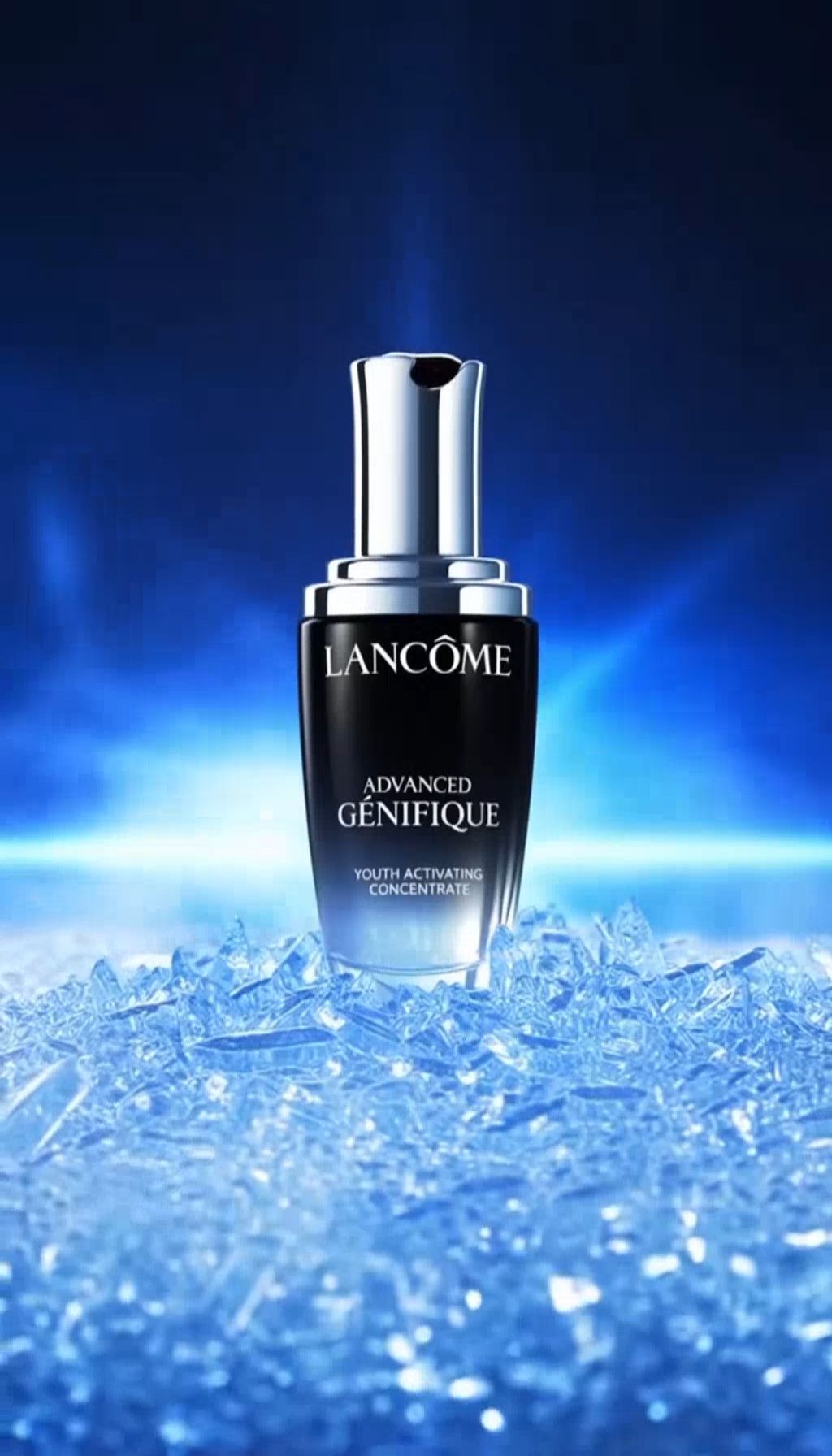
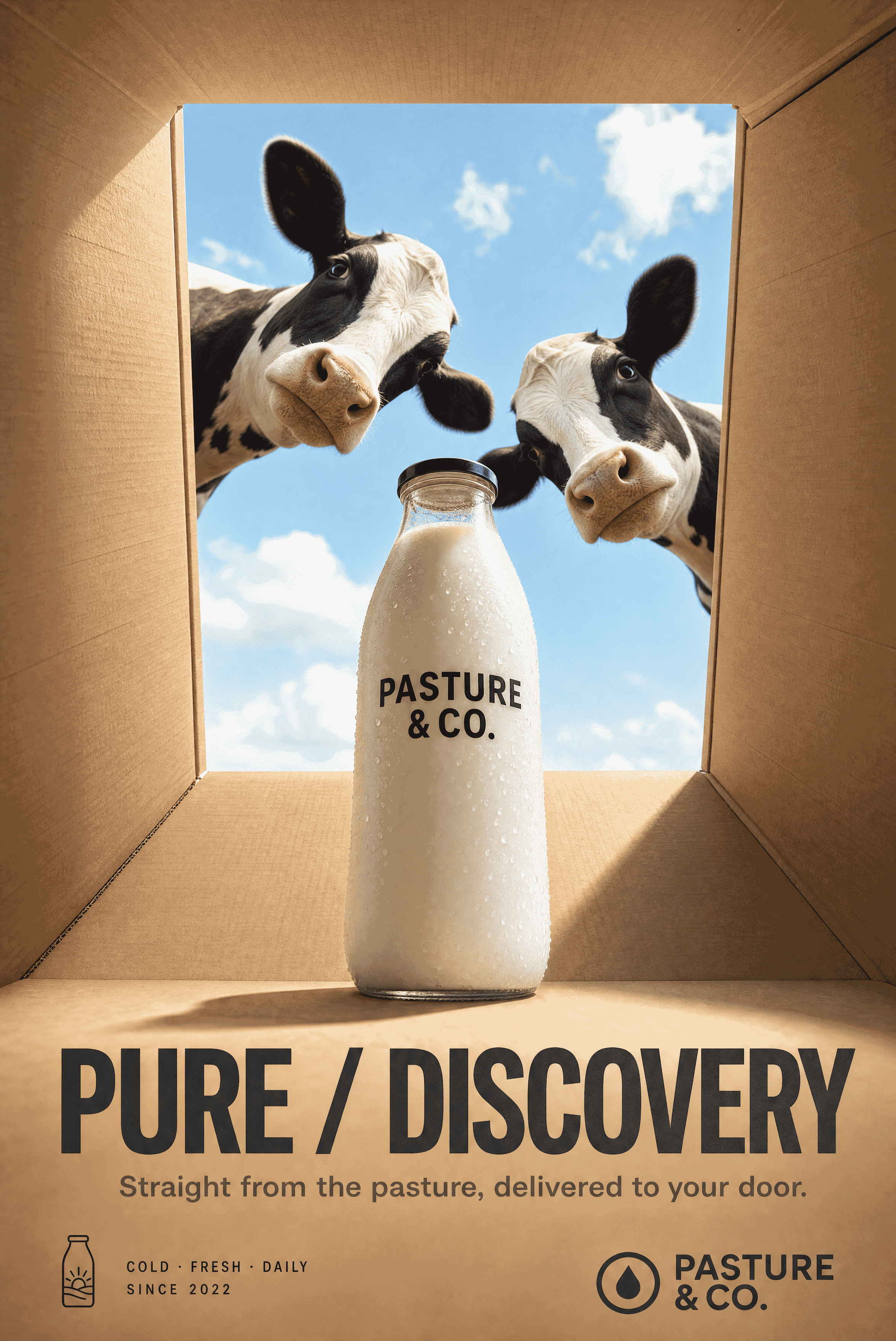
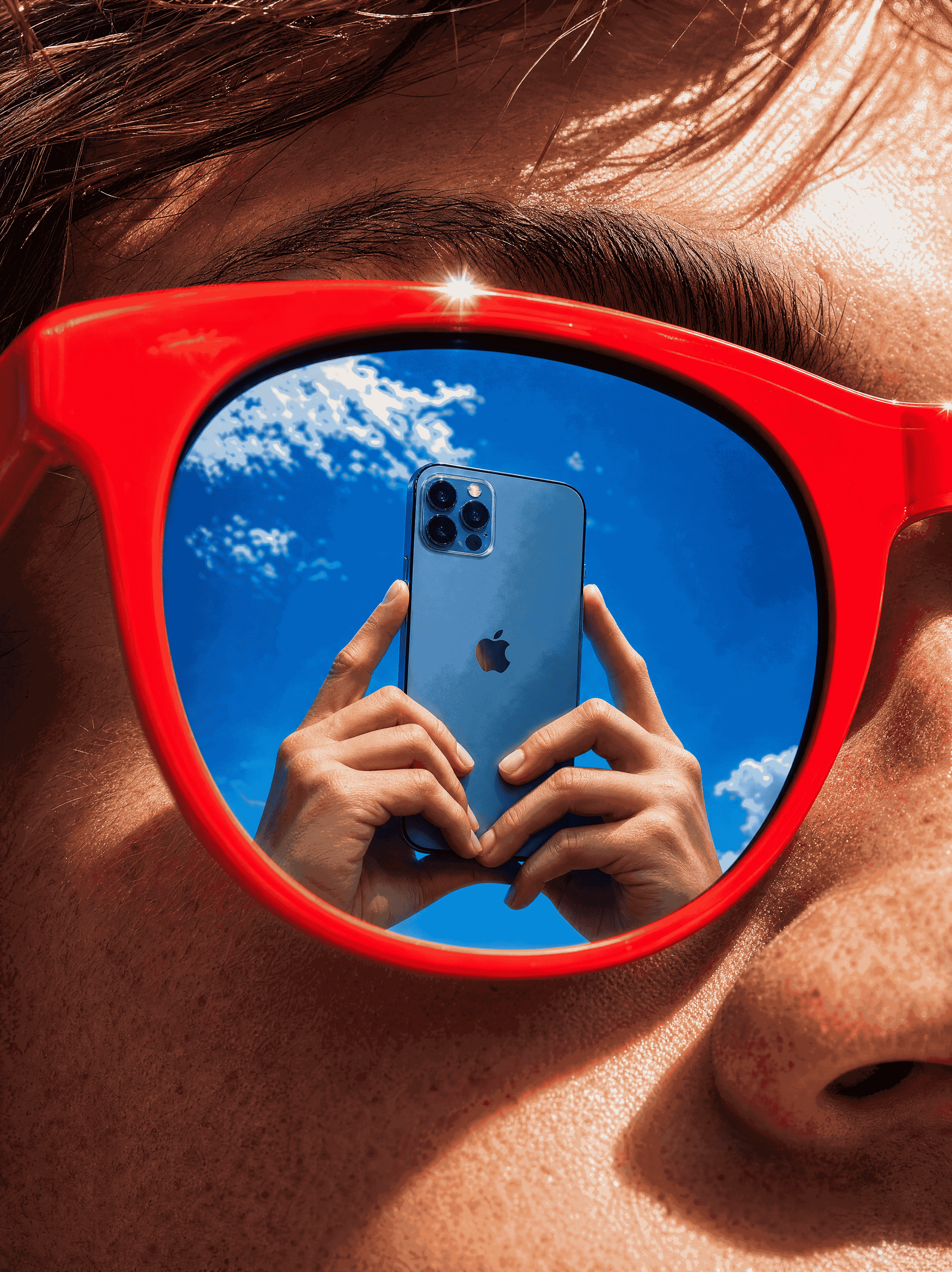
Running an online store requires strong product visuals. Poor images reduce clicks, lower sales, and hurt brand trust. They push your viewer to buy on the spot. While you control their first impressions with clear lighting, sharp angles, and clean backgrounds. Poor visuals reduce clicks and reduce conversions across every channel.
Traditional photography drains money and time. You book a studio. You hire a photographer. You wait for edits. You repeat the process for every new variant. This slows product testing and campaign updates. Small teams lose speed, and large teams lose budget.
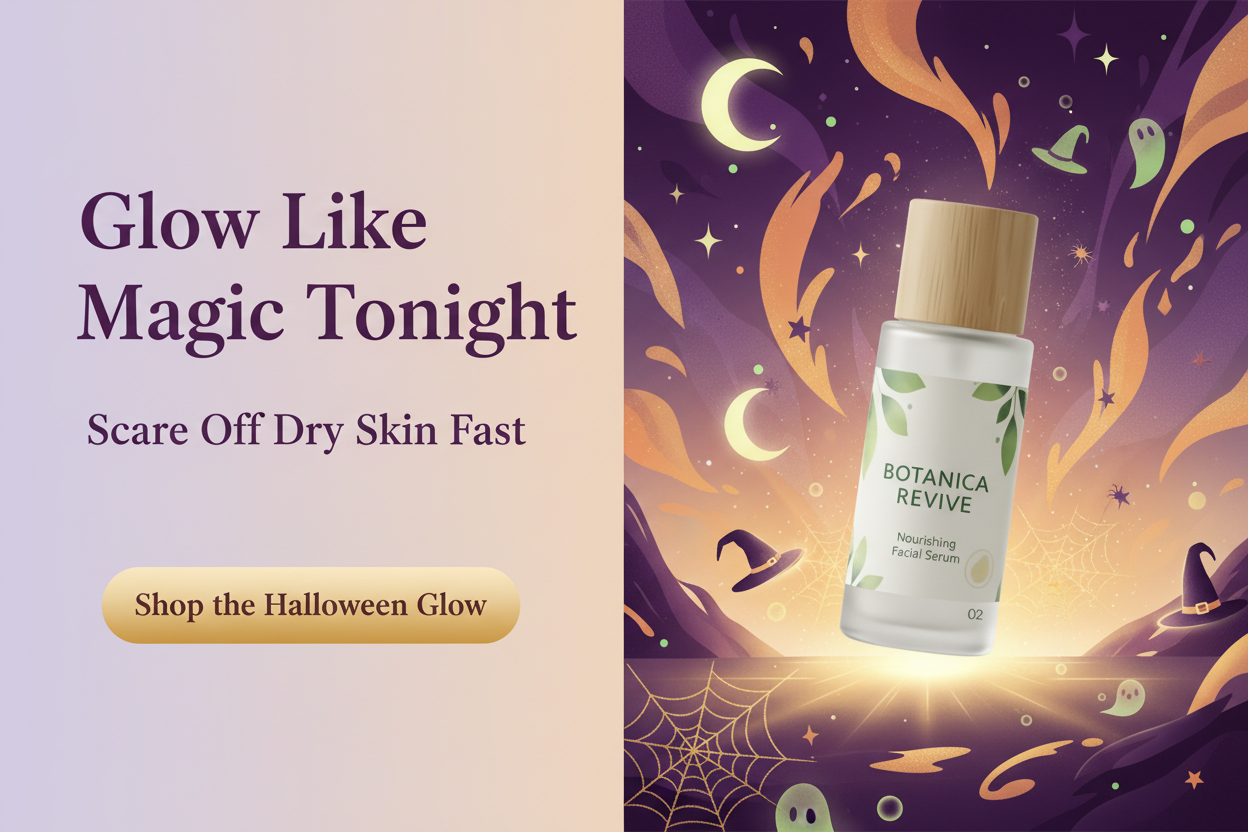
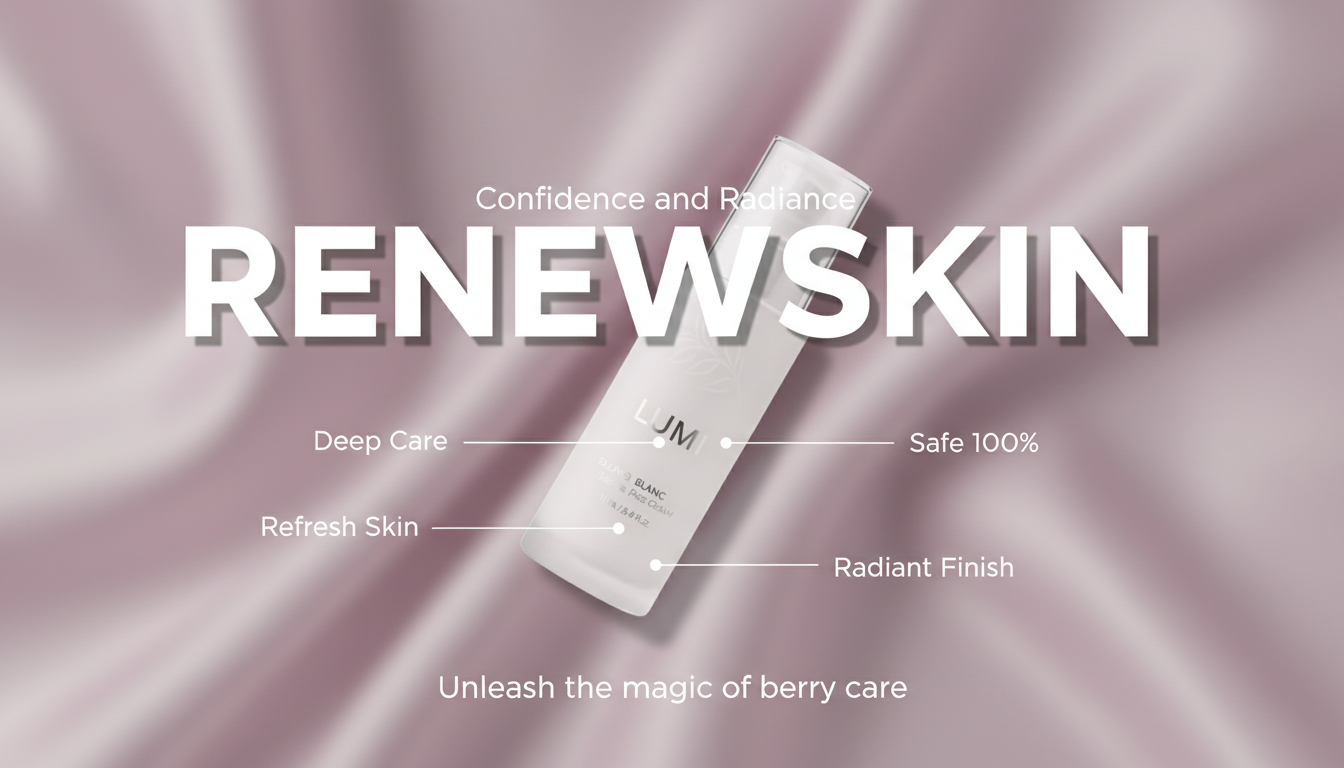
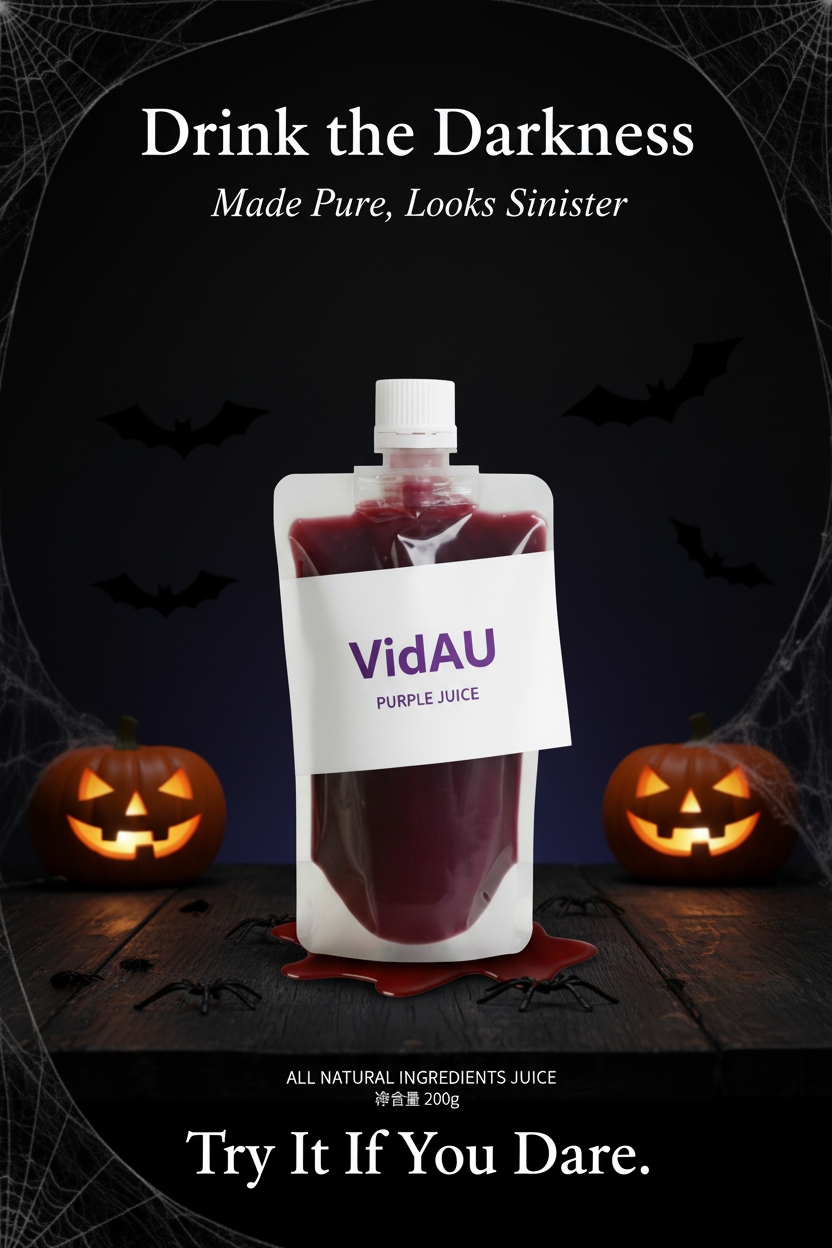
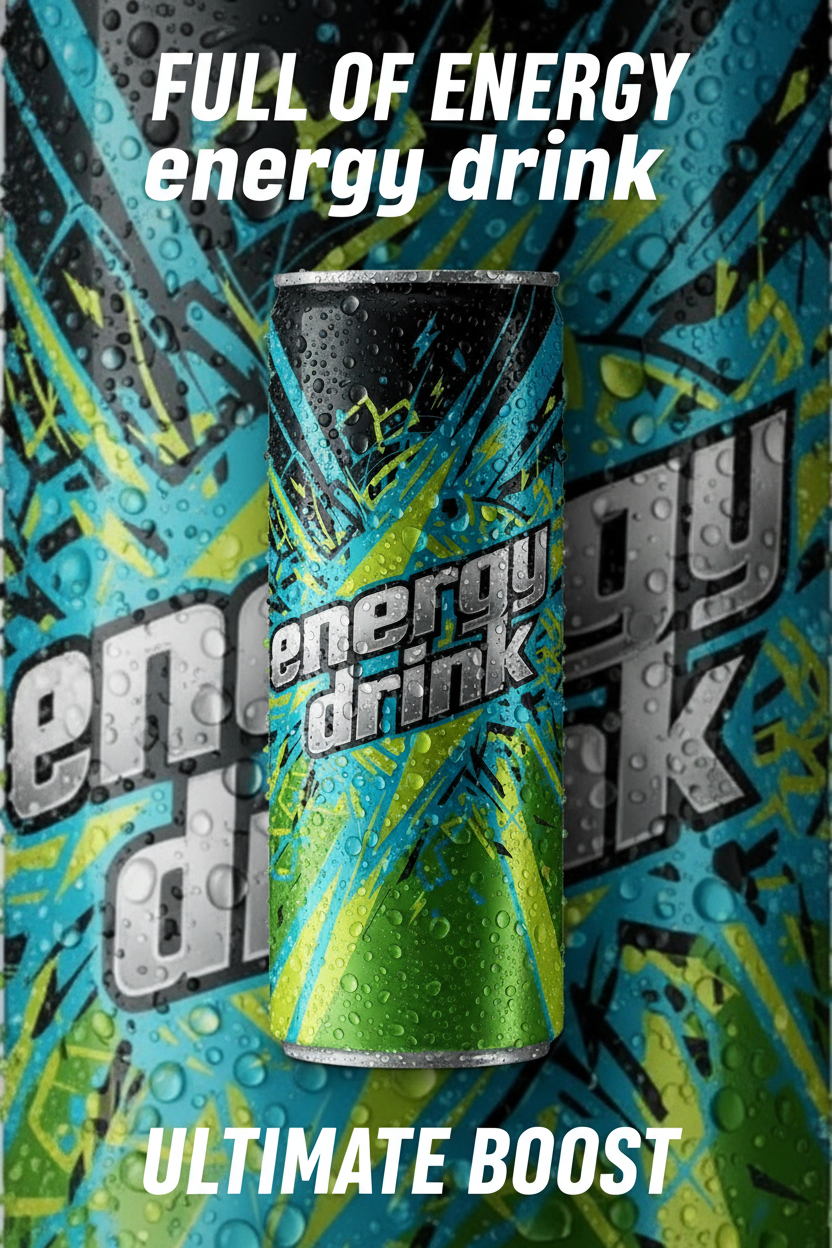
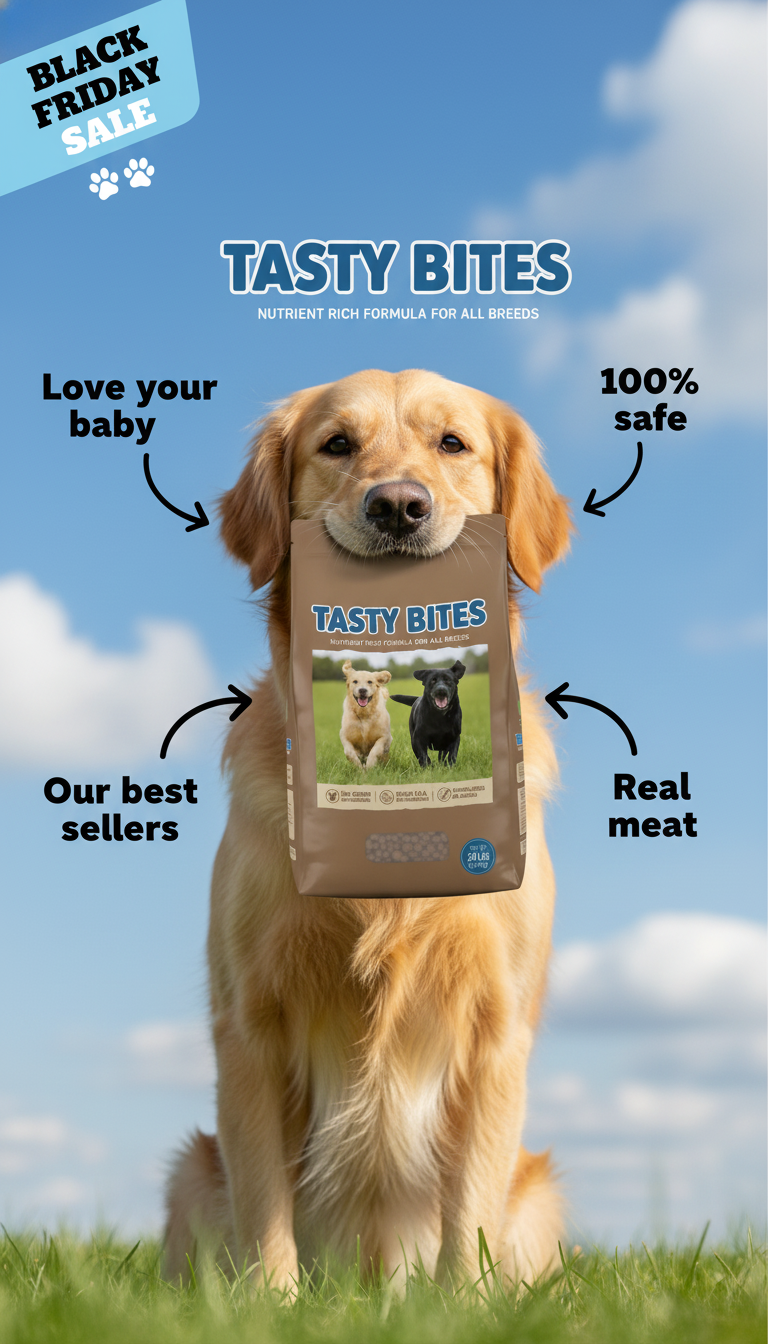
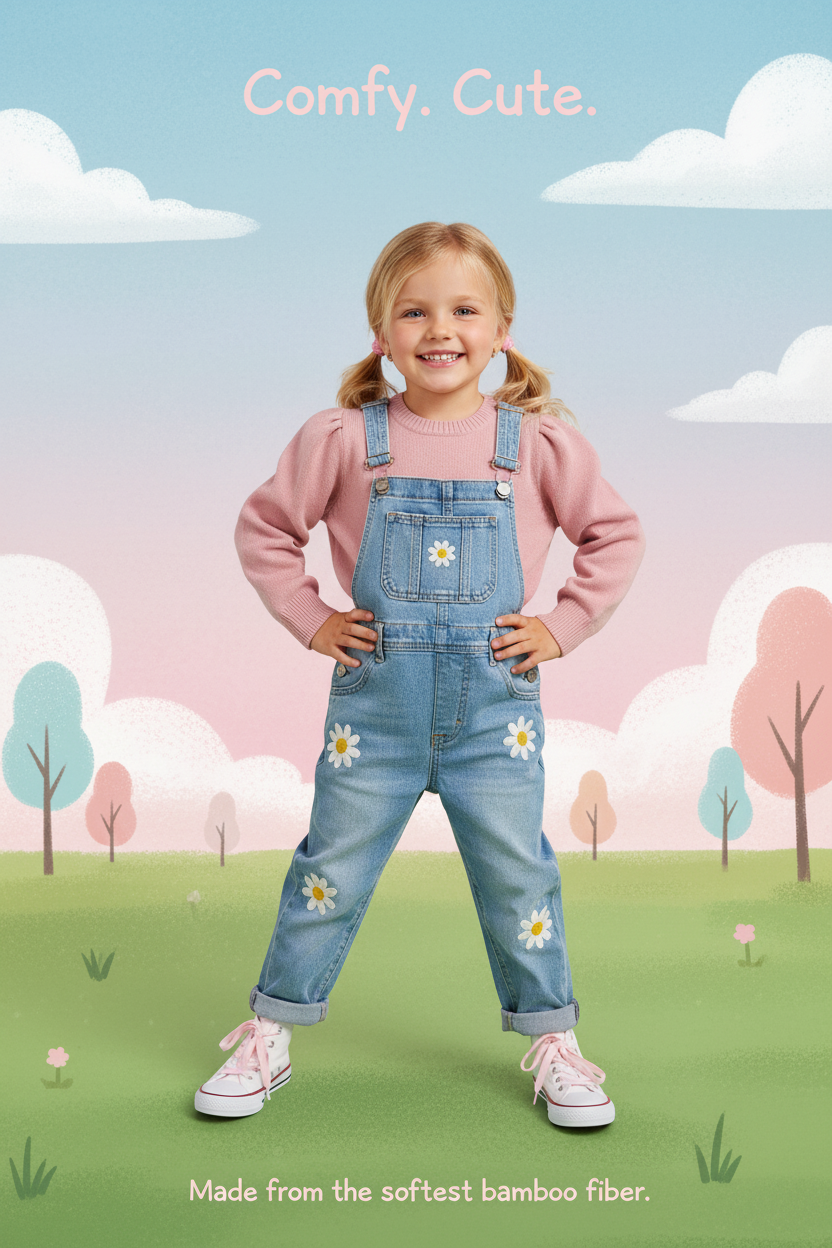
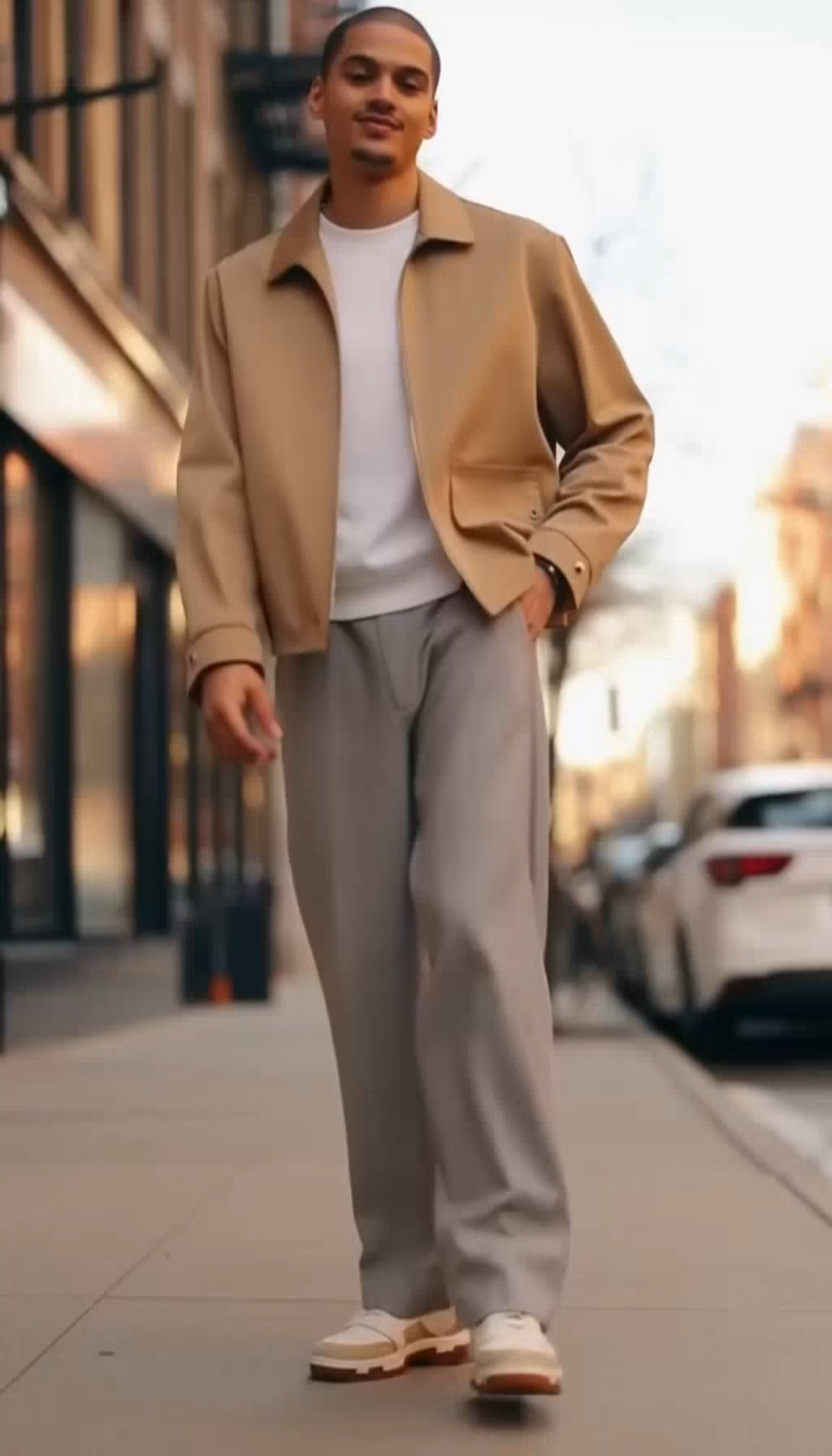
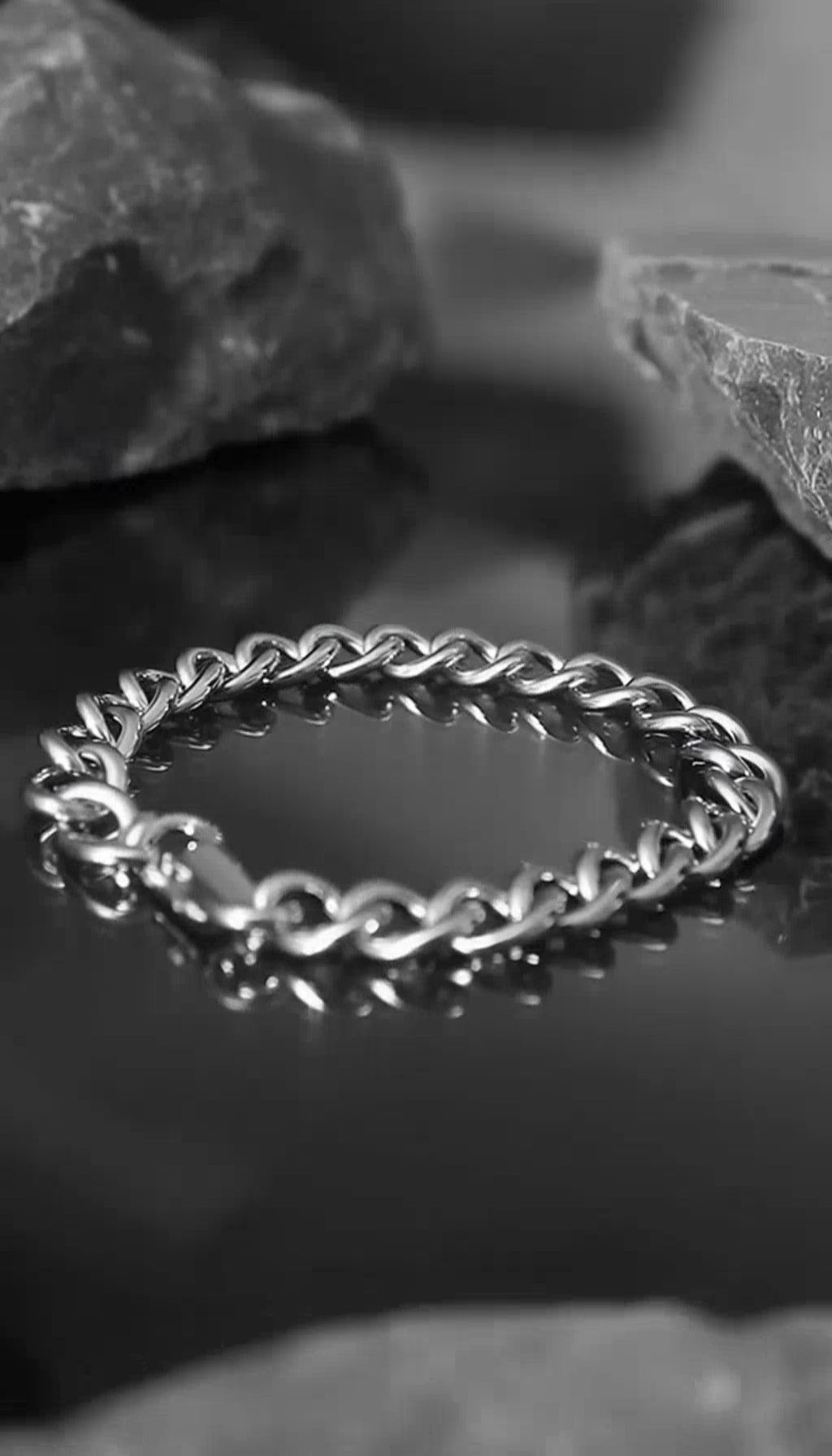
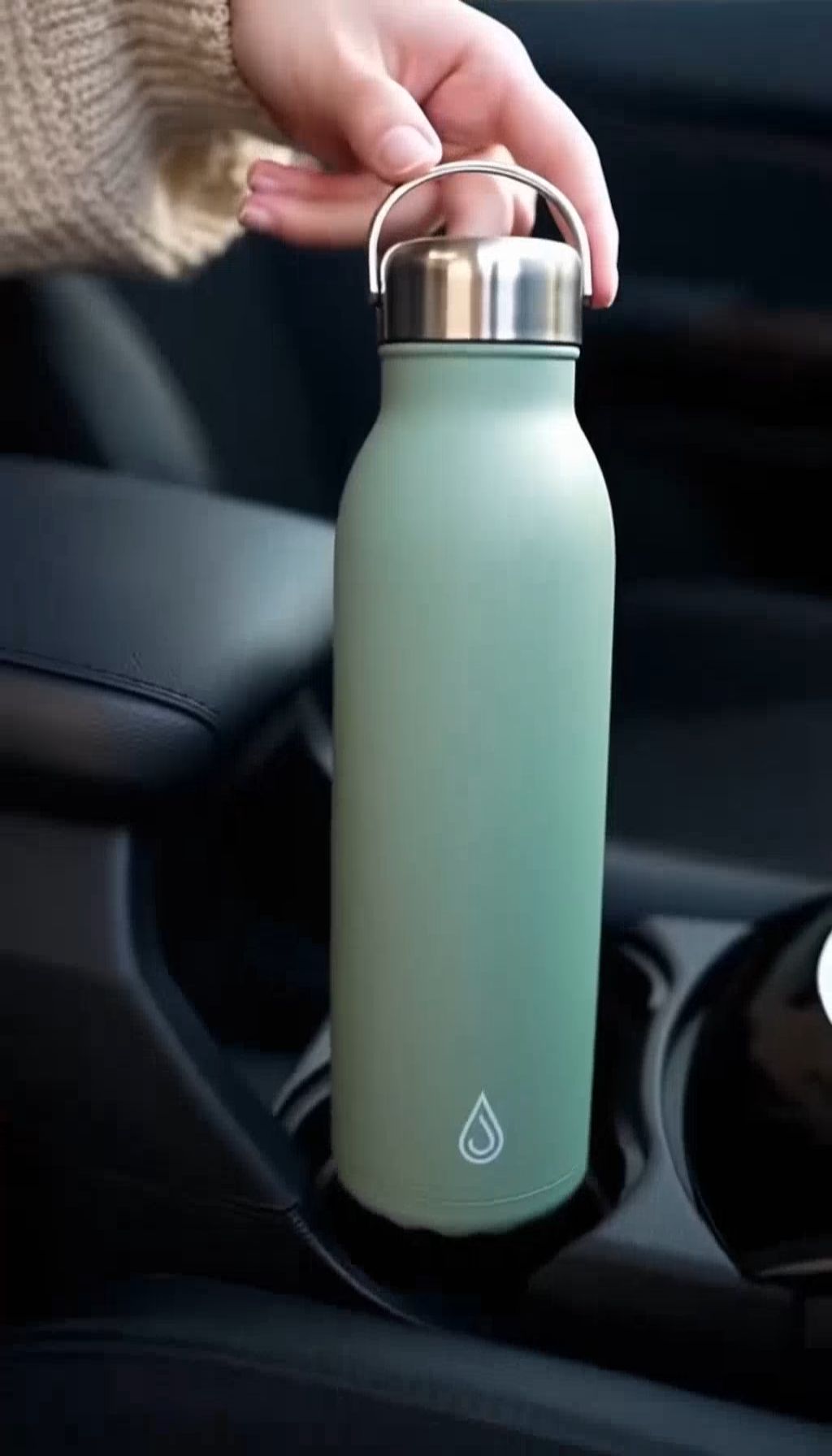
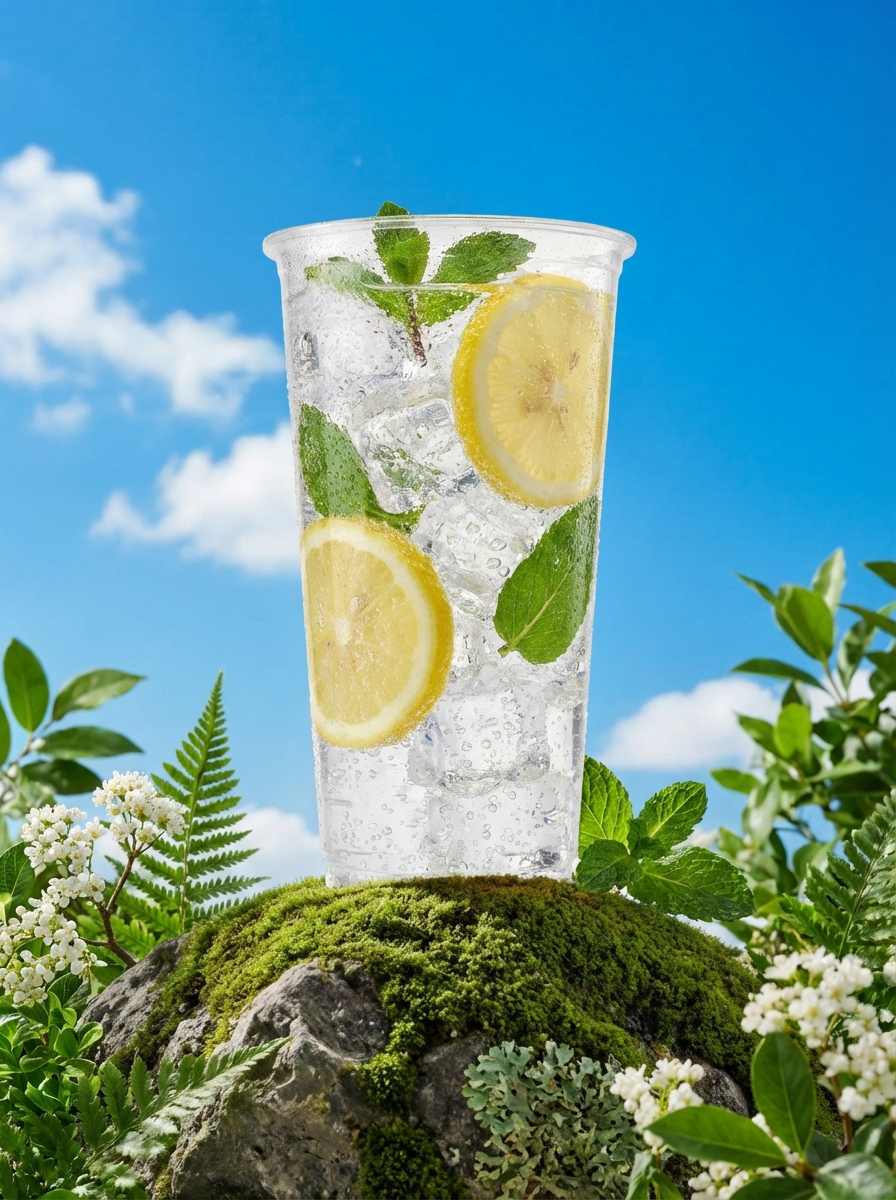
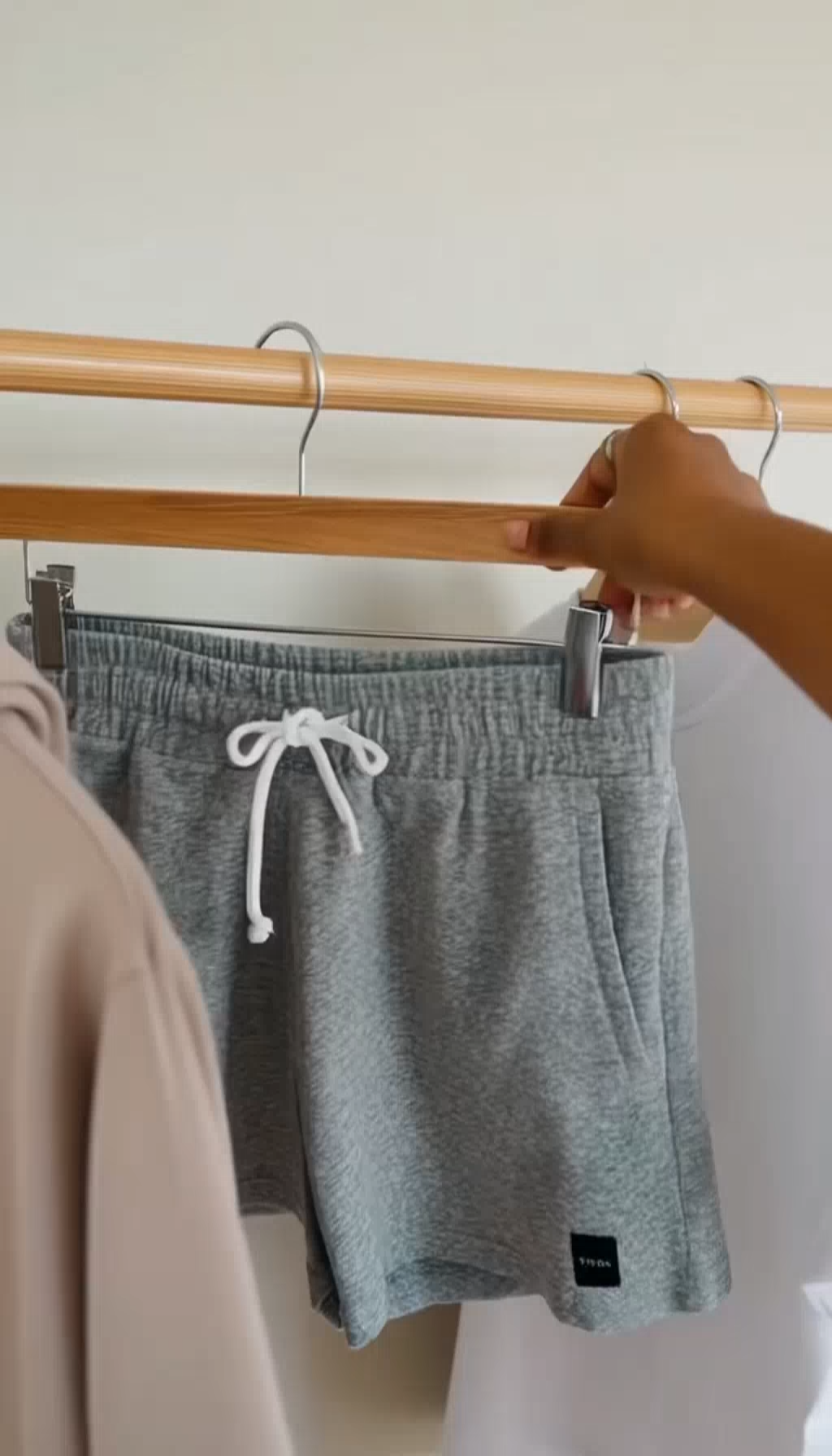
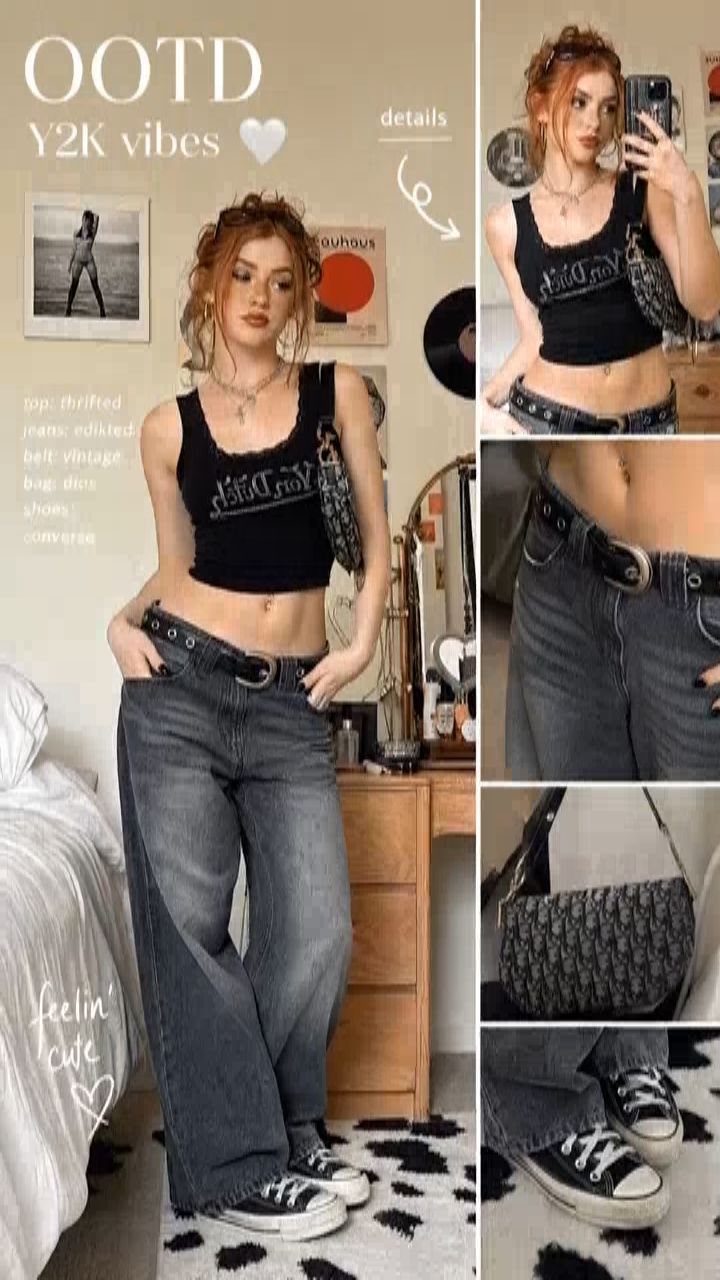
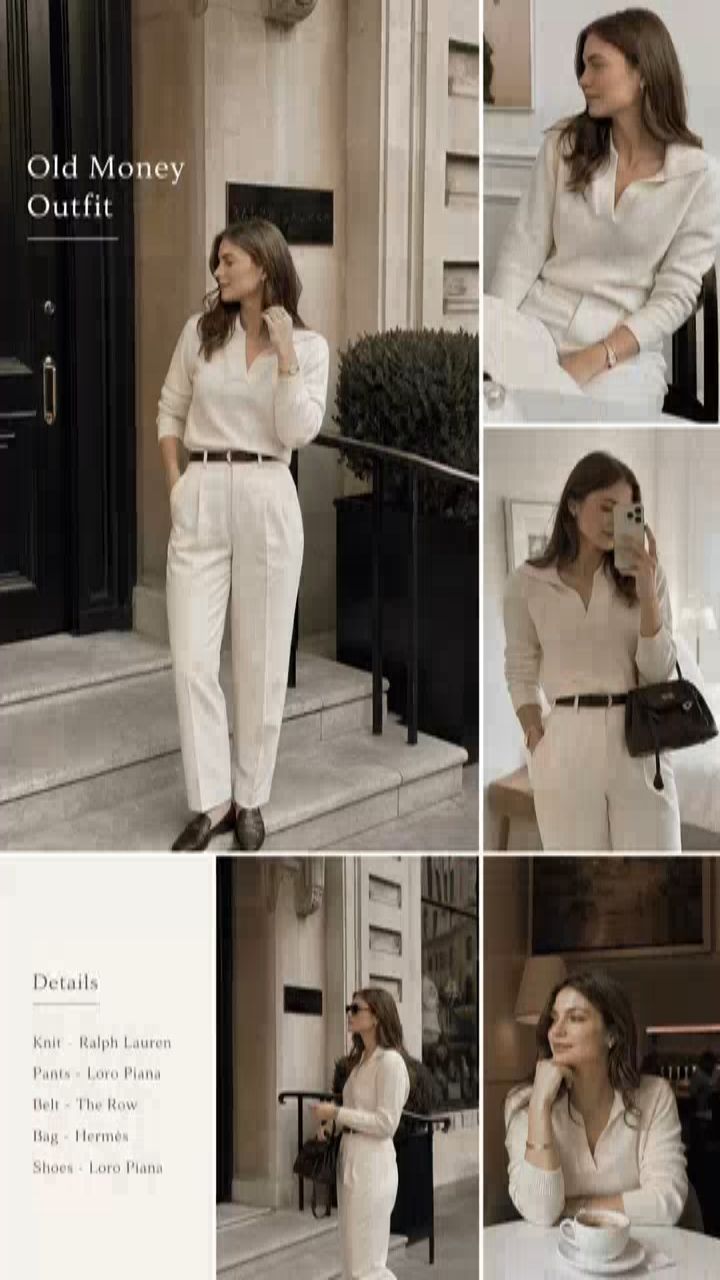
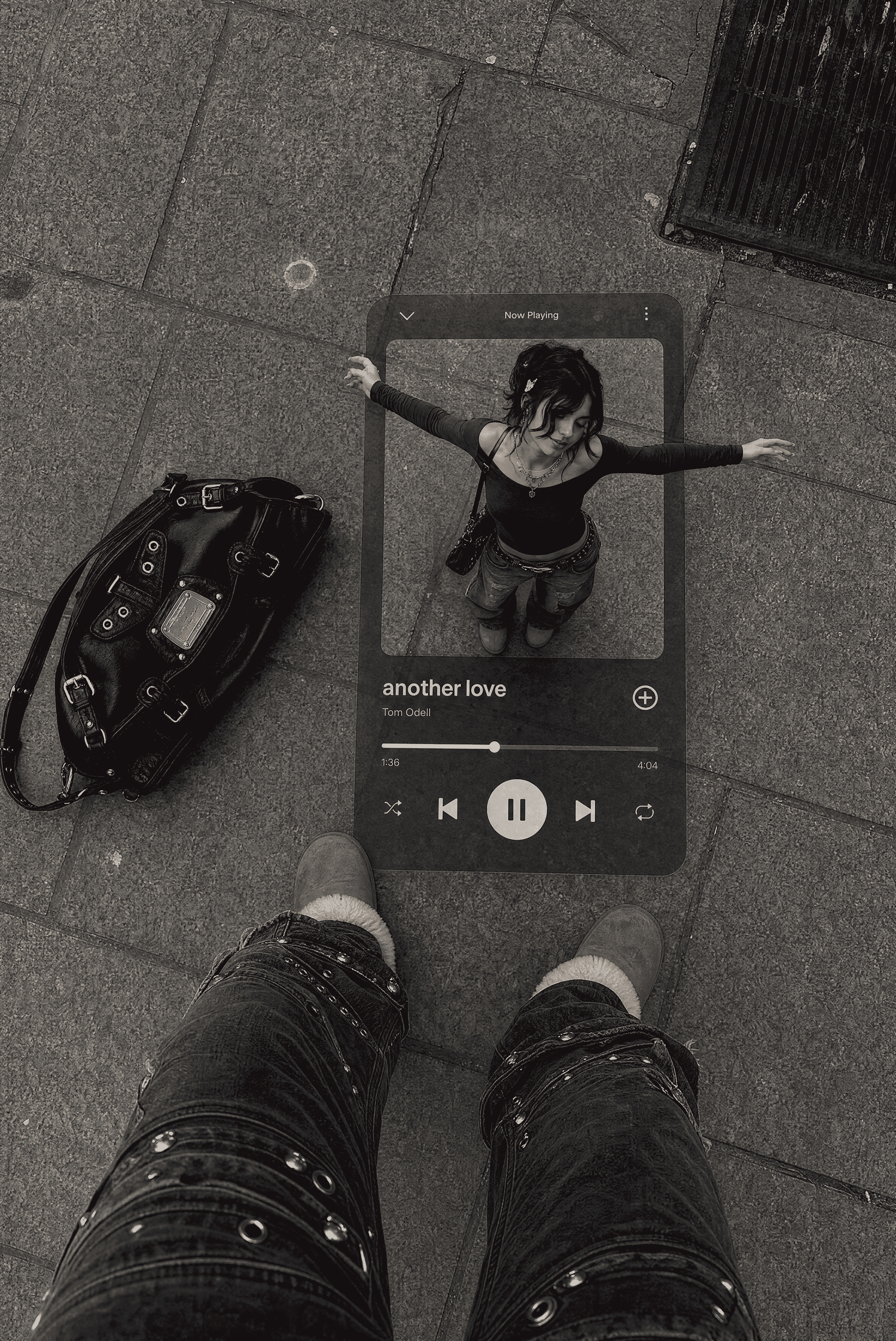
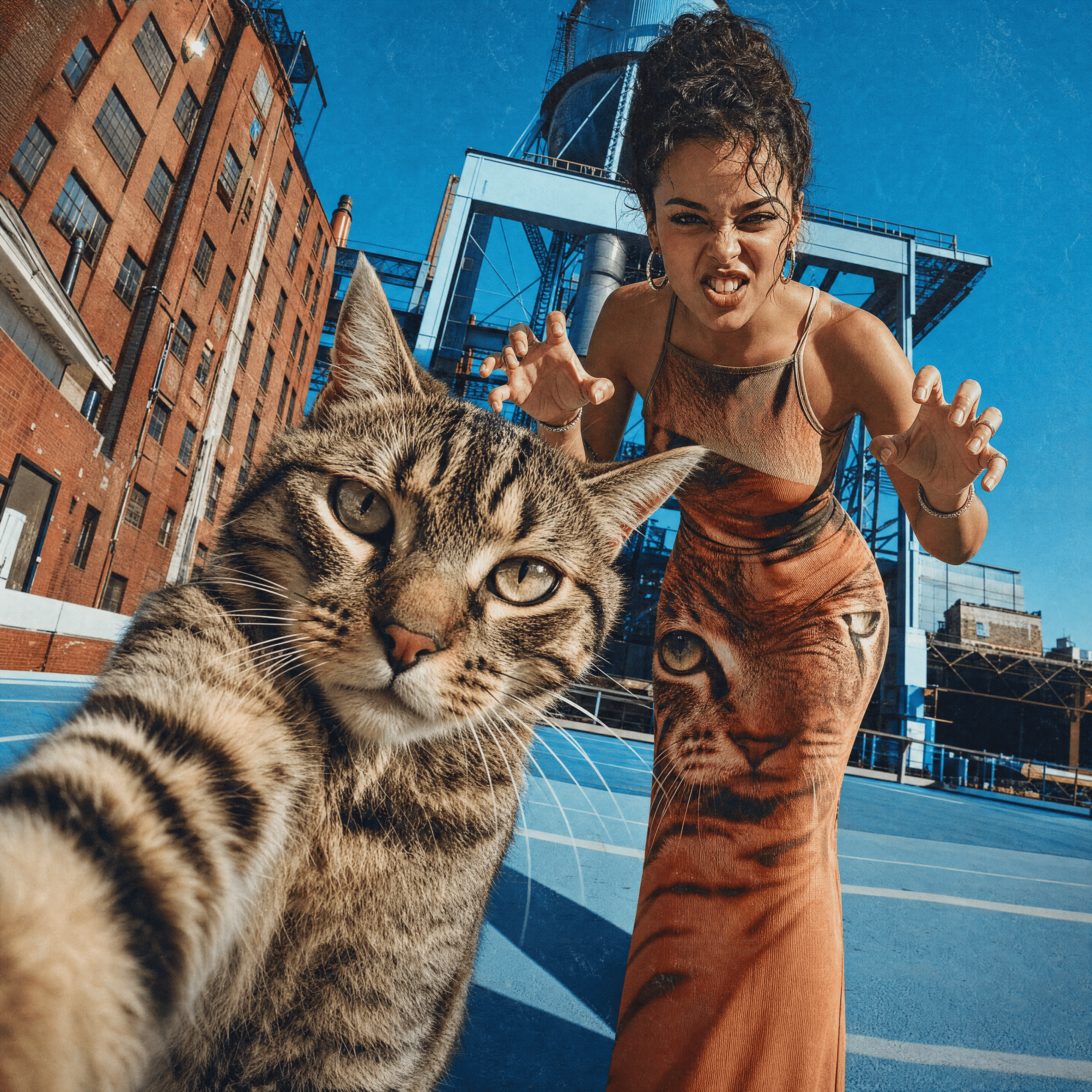
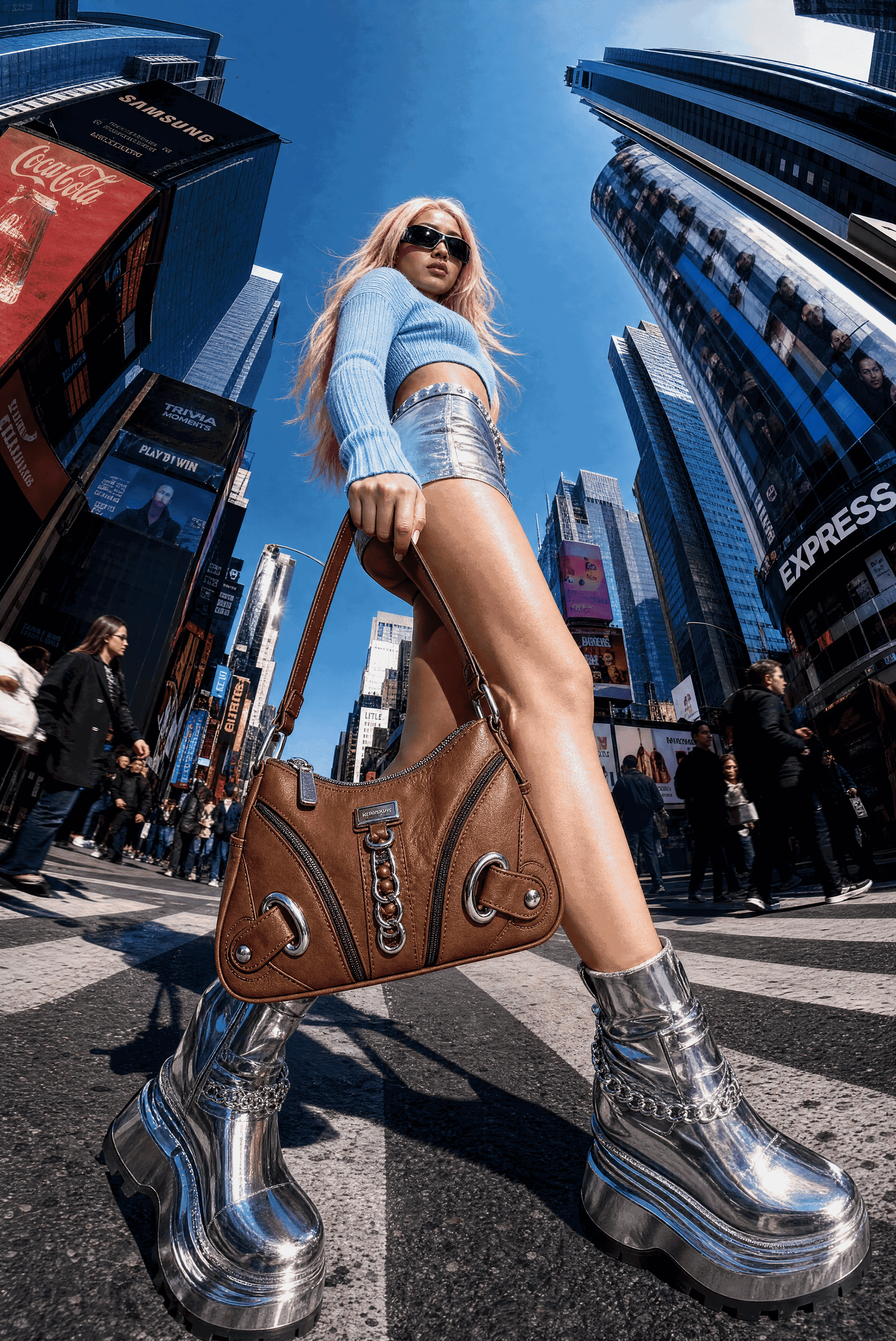
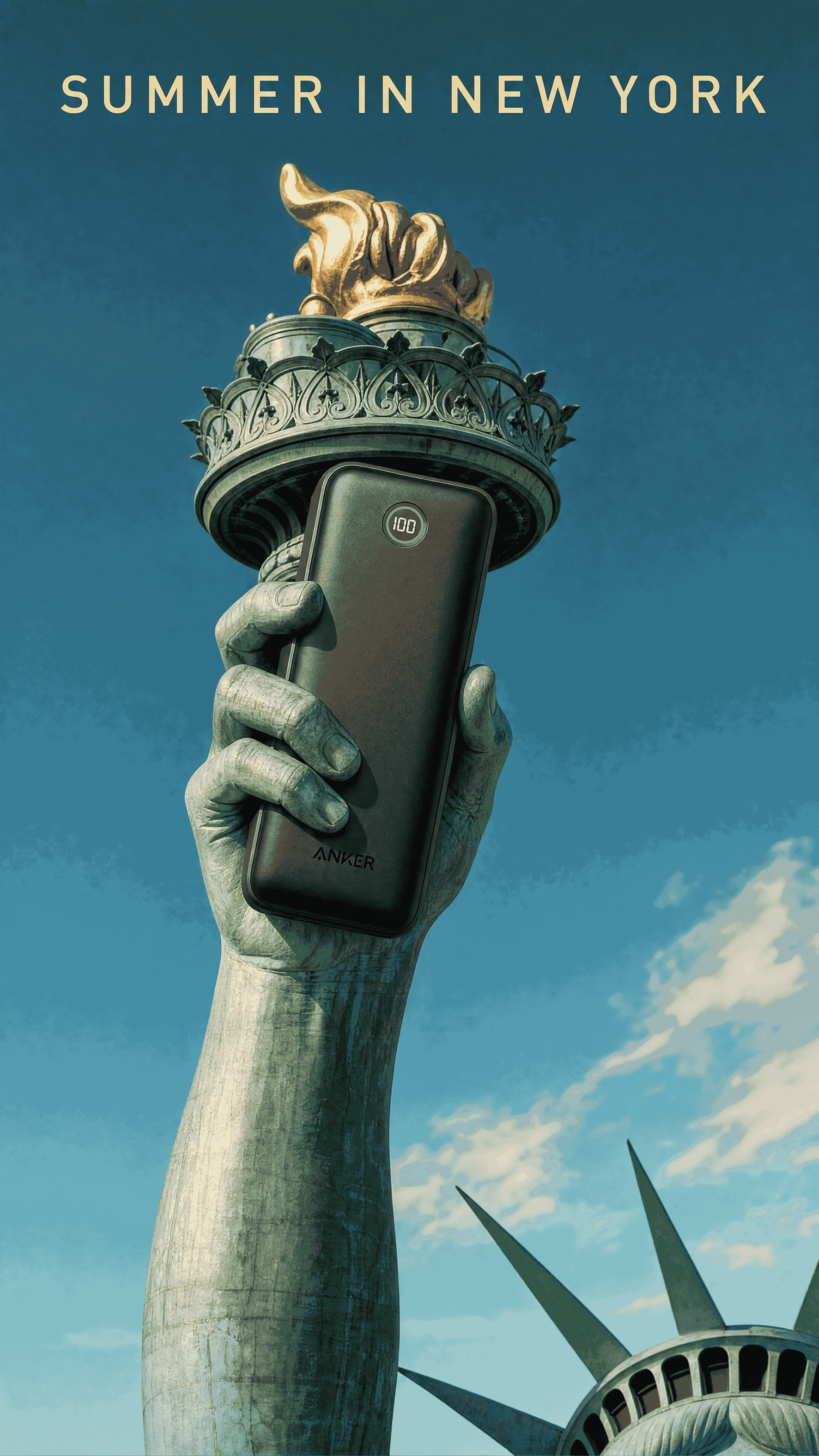
AI Pro tools solve the gap. You upload a photo and generate clean, commercial images. You test new styles fast. You create lifestyle scenes without reshoots. You produce large batches for ads, PDPs, and social content.
I tested multiple platforms in the past months. I compared output quality, commercial rights, pricing models, and workflow speed. I picked tools that scale with your business size. An Etsy seller needs quick templates. A national brand needs consistent output, strong rights management, and faster pipelines.
This section guides you through the best AI product image tools for 2025. You get clear strengths, use cases, and limits, so you pick the right one for your growth stage.
Why AI Pro Product Image Tools Are Game-Changers
Before diving into the tools themselves, I want to explain why I think AI Pro solutions are worth your time. Essentially, these tools allow you to generate high-quality product visuals without a studio, lighting setup, or professional photographer. That’s not just a convenience; it’s a cost-saving strategy, a creative hack, and for many businesses, a competitive edge.
But not all AI image generators are created equal. Some produce beautiful, stylized images, great for social media posts, but have limited commercial rights. Others let you generate images for resale or advertising campaigns, but the cost scales quickly. My goal here is to highlight tools that hit the sweet spot: professional results, flexible commercial rights, and scalability for both small and big operations.
What I Look For in an AI Pro Tool?
When testing AI image platforms, I personally focus on four main things:
- Image Quality – Can it create product visuals that actually look professional? Are the lighting, perspective, and textures believable?
- Pricing – Does it make sense for a small operation, and is it scalable if I need hundreds of images?
- Commercial Use – Are the images truly safe to use in advertising, on product pages, or in marketing campaigns? Licensing matters more than you might think.
- Scalability – Can it handle batch processing or multiple variations efficiently? Some tools excel for single images but fail when you try to scale.
Now, let me walk you through the five AI Pro tools I’ve found most effective for 2025.
1. DALL·E (OpenAI)

I’ve been using DALL·E for a few months now, and I’m consistently impressed with how realistic the outputs are. Its text-to-image feature allows me to describe the exact product and environment I want, and the AI produces surprisingly accurate images.
Pricing: There’s a free tier with limited credits, and paid options scale depending on usage. For high-volume needs, the subscription plans are reasonable but not dirt cheap.
Commercial Use: OpenAI’s terms explicitly allow commercial use, which makes it a safe choice if you want to run ads or sell products with generated visuals.
Scalability: DALL·E supports batch generation, so you can create multiple variants of a product in one session. That’s a huge time-saver if you’re producing seasonal catalogs or multi-color product images.
Why I like it: The quality is consistent, and the AI understands detailed prompts really well. The learning curve is minimal, and the outputs often need little to no touch-up.
2. MidJourney

MidJourney has always been my go-to for stylized, high-impact visuals, and it’s surprisingly effective for product images too, if you’re willing to tweak your prompts. I love that it’s more creative than some of the stricter photorealistic tools.
Pricing: MidJourney offers subscription plans based on how many images you generate monthly. I find the standard plan sufficient for small businesses, but scaling up requires the higher tiers.
Commercial Use: Paid subscribers have full commercial rights, which means you can use the images in ads, product listings, and social campaigns without legal headaches.
Scalability: You can generate multiple images quickly, but I’d say batch processing isn’t as smooth as DALL·E. You may need to do a bit more manual effort for consistent results across many products.
Why I like it: MidJourney is perfect if you want images that stand out. If your brand needs visuals with a bit of personality or flair, this tool shines.
3. Stable Diffusion

Stable Diffusion is a different beast; it’s open-source and incredibly versatile. Personally, I’ve found it perfect when I want complete control over the generation process. It allows me to run locally or in the cloud, which is great for privacy and larger projects.
Pricing: Since it’s open-source, you can run it for free locally, but cloud services that host it may charge. The beauty is that it scales easily once you have your setup.
Commercial Use: Licensing can be tricky. You must ensure that your setup complies with the model’s license, but in general, images generated for commercial use are acceptable if you follow the rules.
Scalability: Absolutely excellent. Once you set up a local instance, you can produce hundreds of images quickly, adjust prompts, and maintain consistency across batches.
Why I like it: The flexibility is unmatched. If you’re technically comfortable, Stable Diffusion allows for very fine-tuned results perfect for brands that need high-volume production and total control over the image style.
4. CreatorKit

CreatorKit is newer on my radar, and I’ve been pleasantly surprised. It’s specifically built for e-commerce marketing, so its AI focuses on product photos rather than general artistic outputs.
Pricing: Offers subscription tiers suitable for small to medium businesses. The entry-level plan is affordable, but for enterprise use or heavy batch processing, you may need a higher tier.
Commercial Use: According to their site, CreatorKit supports commercial use for marketing and product images. That said, I always double-check licenses if you’re planning to scale heavily or redistribute images.
Scalability: CreatorKit handles batch processing decently and has pre-built templates for common product types. That saves a lot of time if you’re creating multiple variants for an online store.
Why I like it: The interface is easy for non-technical users, and it’s purpose-built for product imagery. If you want a straightforward solution without tinkering with prompts or code, this is a solid pick.
5. Jasper Art

Jasper Art has become a surprise favorite. Originally tied to copywriting, its AI image generator is surprisingly capable for product visuals. I use it when I want quick images for social campaigns or promotional mockups.
Pricing: Subscription-based, with AI image generation included in premium plans. Not the cheapest if you only want images, but worth it if you’re already using Jasper for content.
Commercial Use: Full commercial rights are included, which is great if you want to integrate the images into ads or product listings.
Scalability: Slightly less batch-friendly than DALL·E or Stable Diffusion, but acceptable for medium-scale operations.
Why I like it: It’s intuitive and fast. For marketers who already use Jasper for content, the integrated ecosystem is a huge time-saver.
6. VidAU

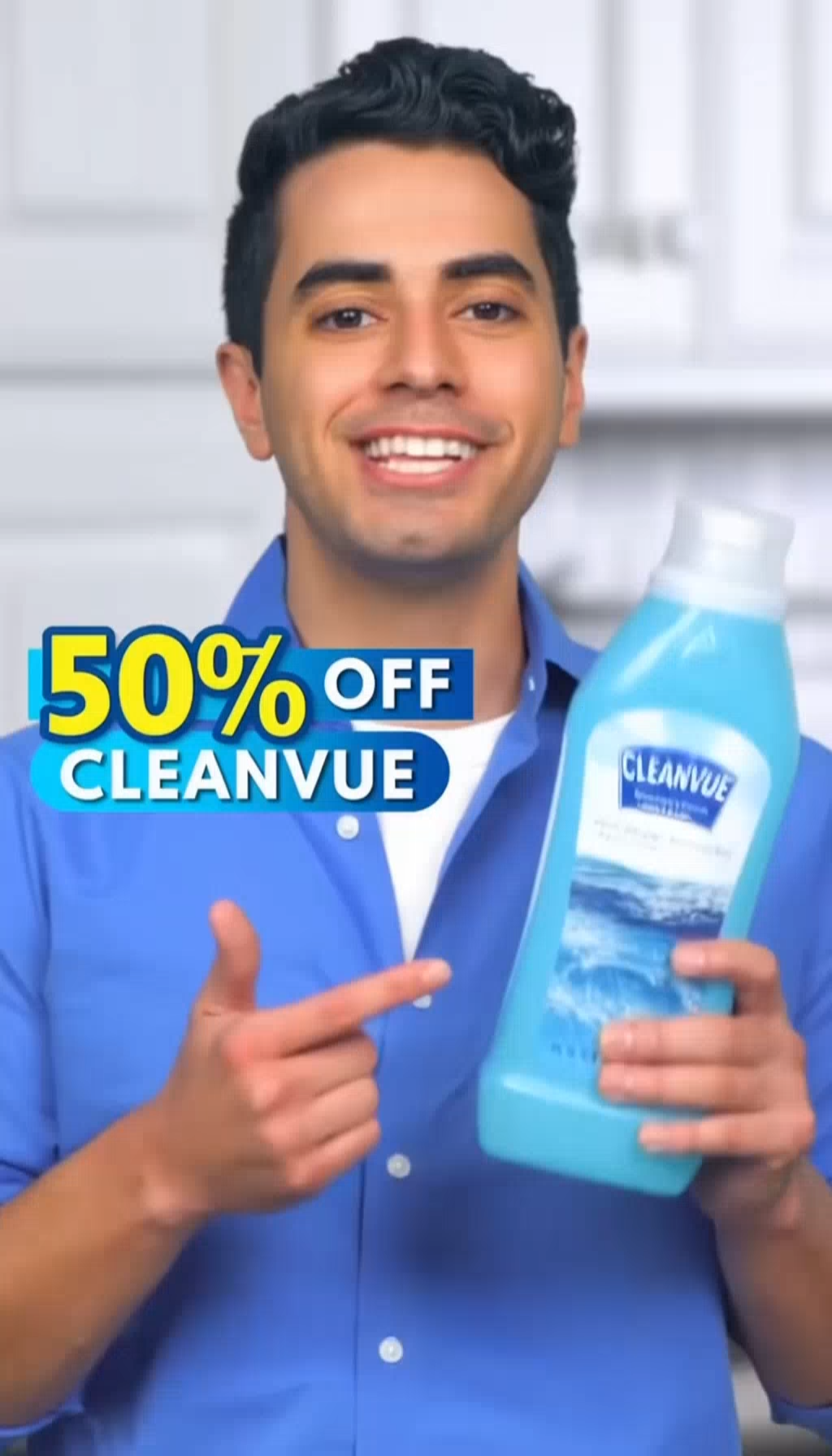
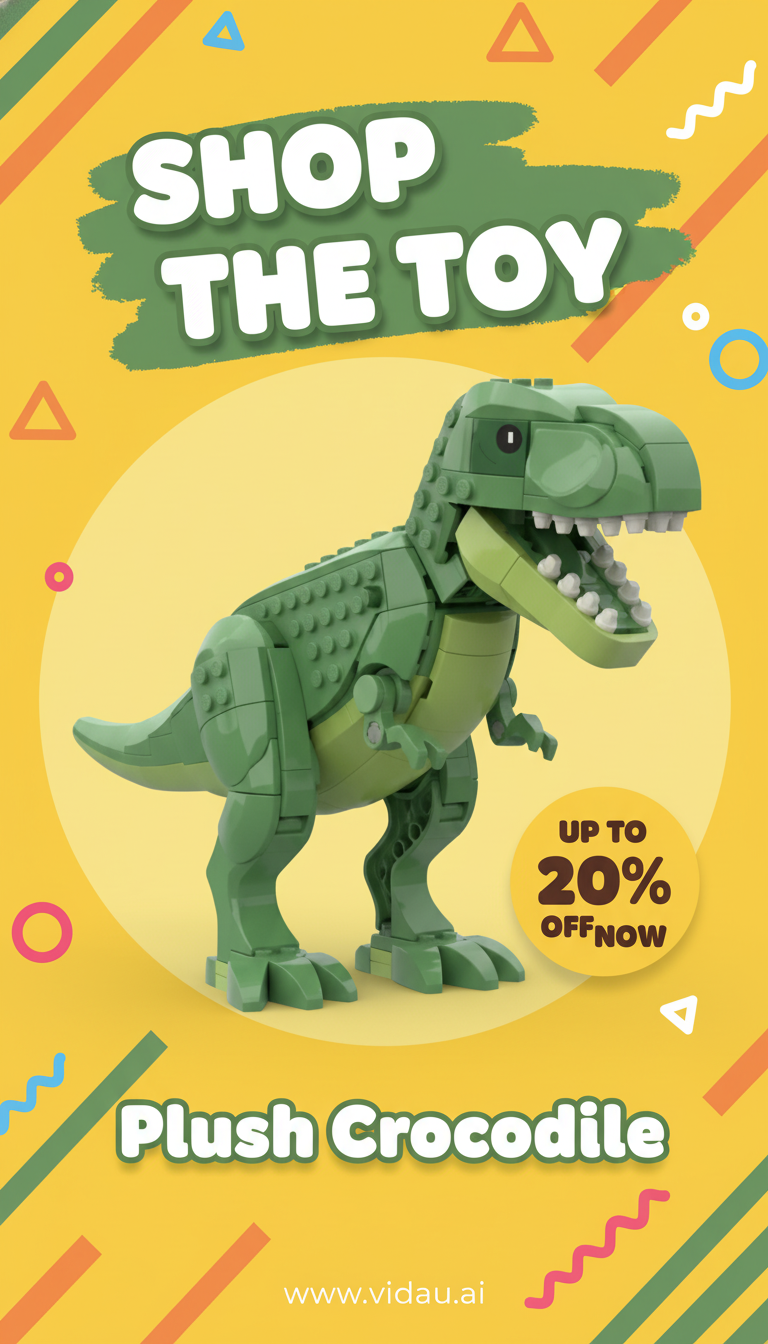
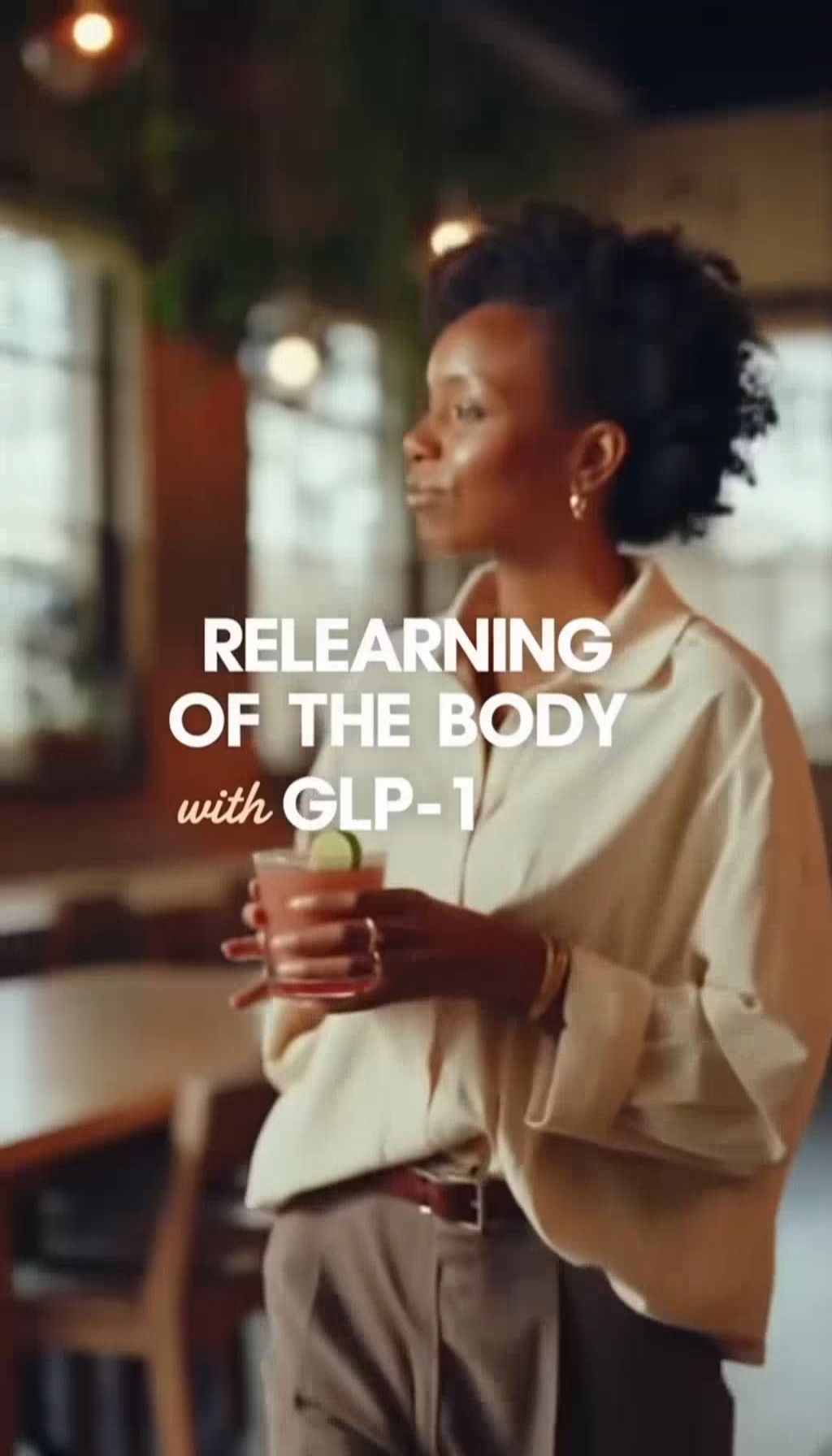
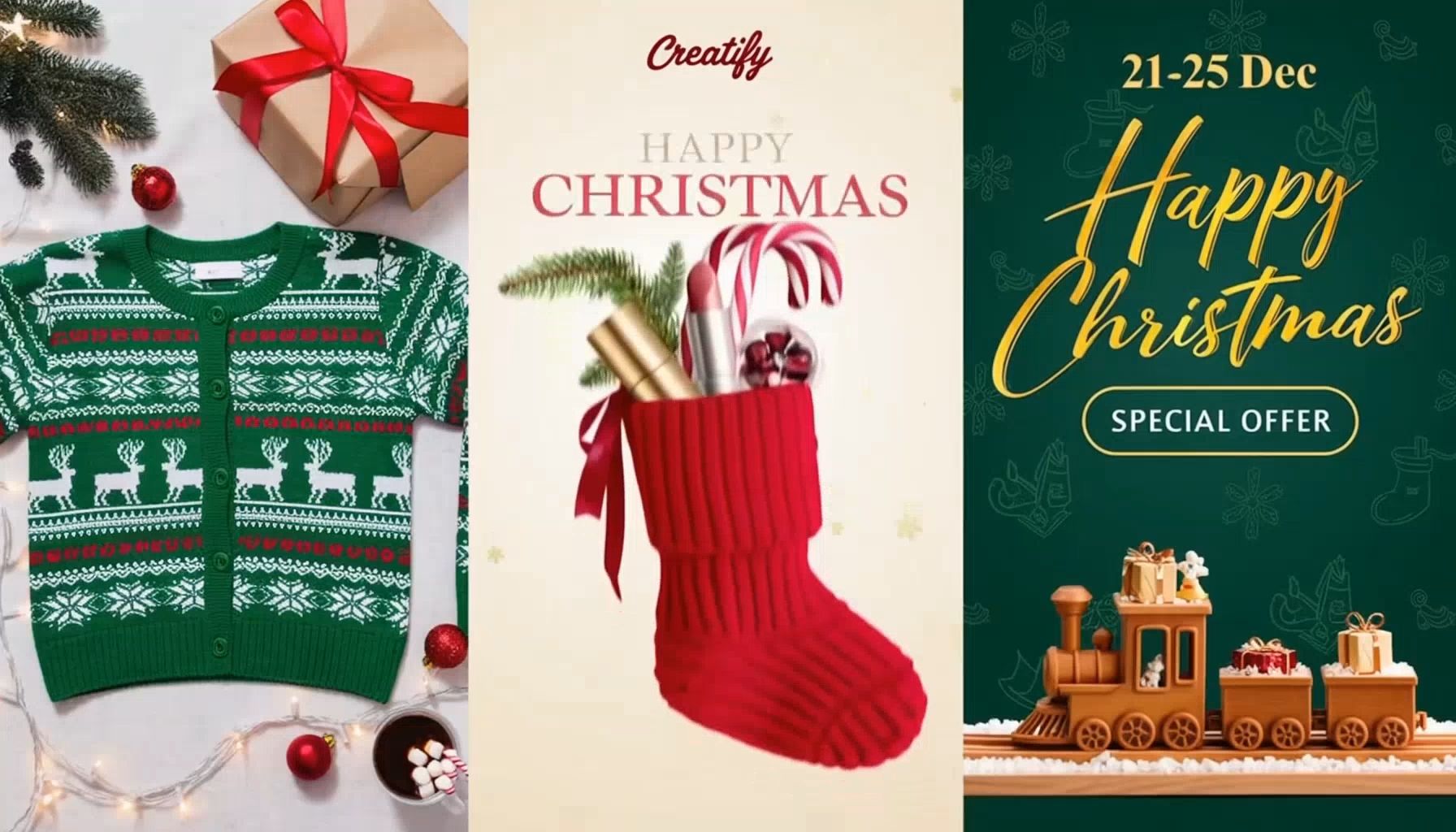
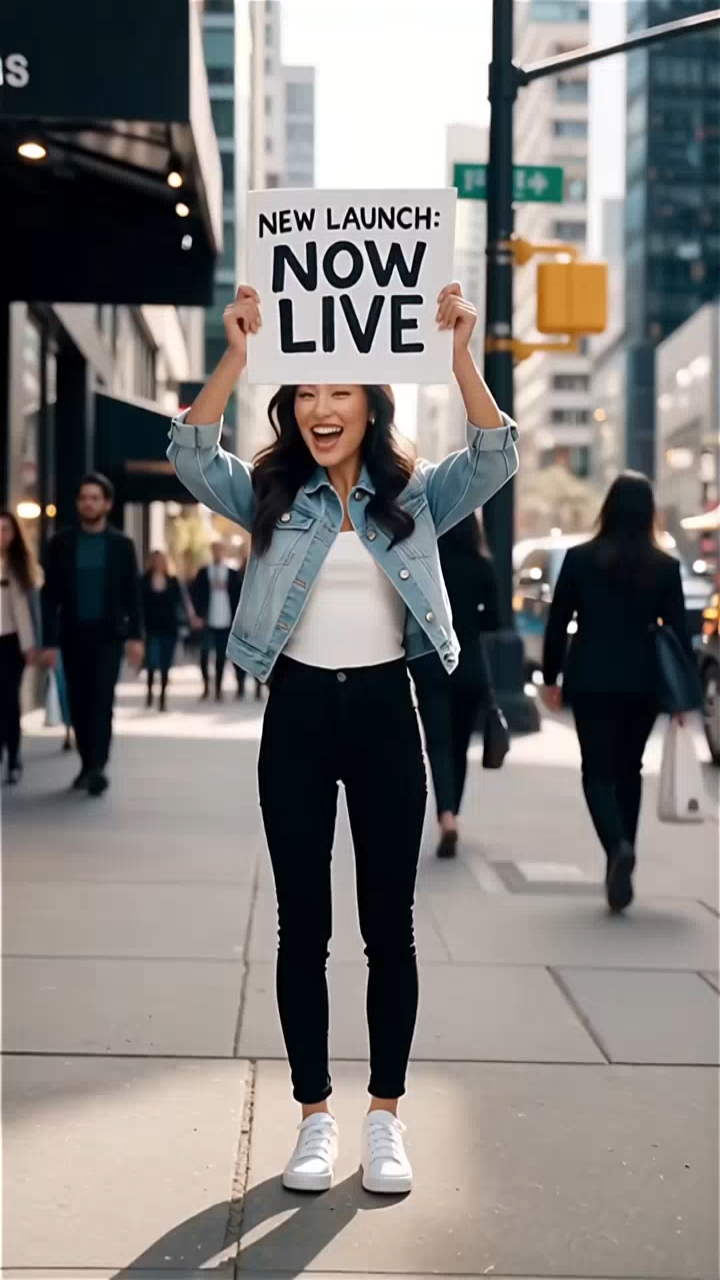
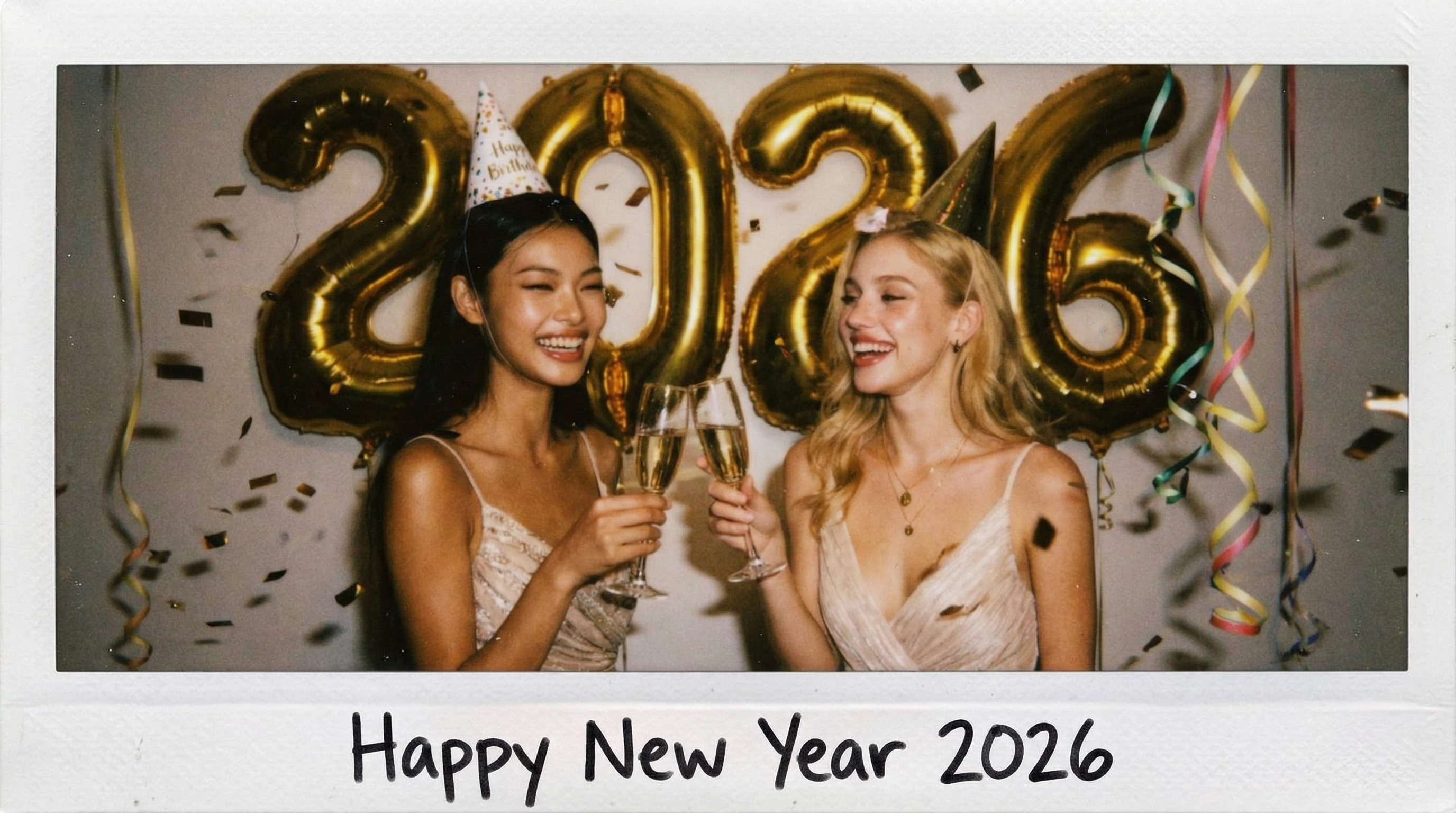
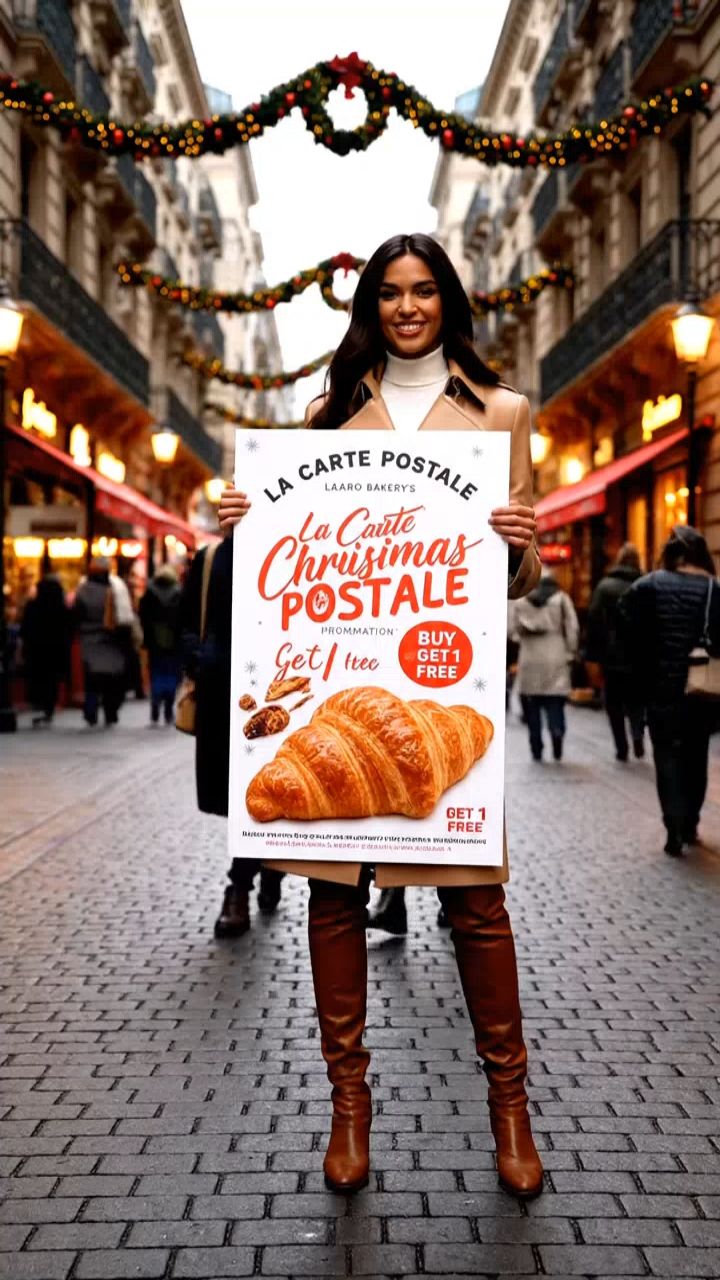
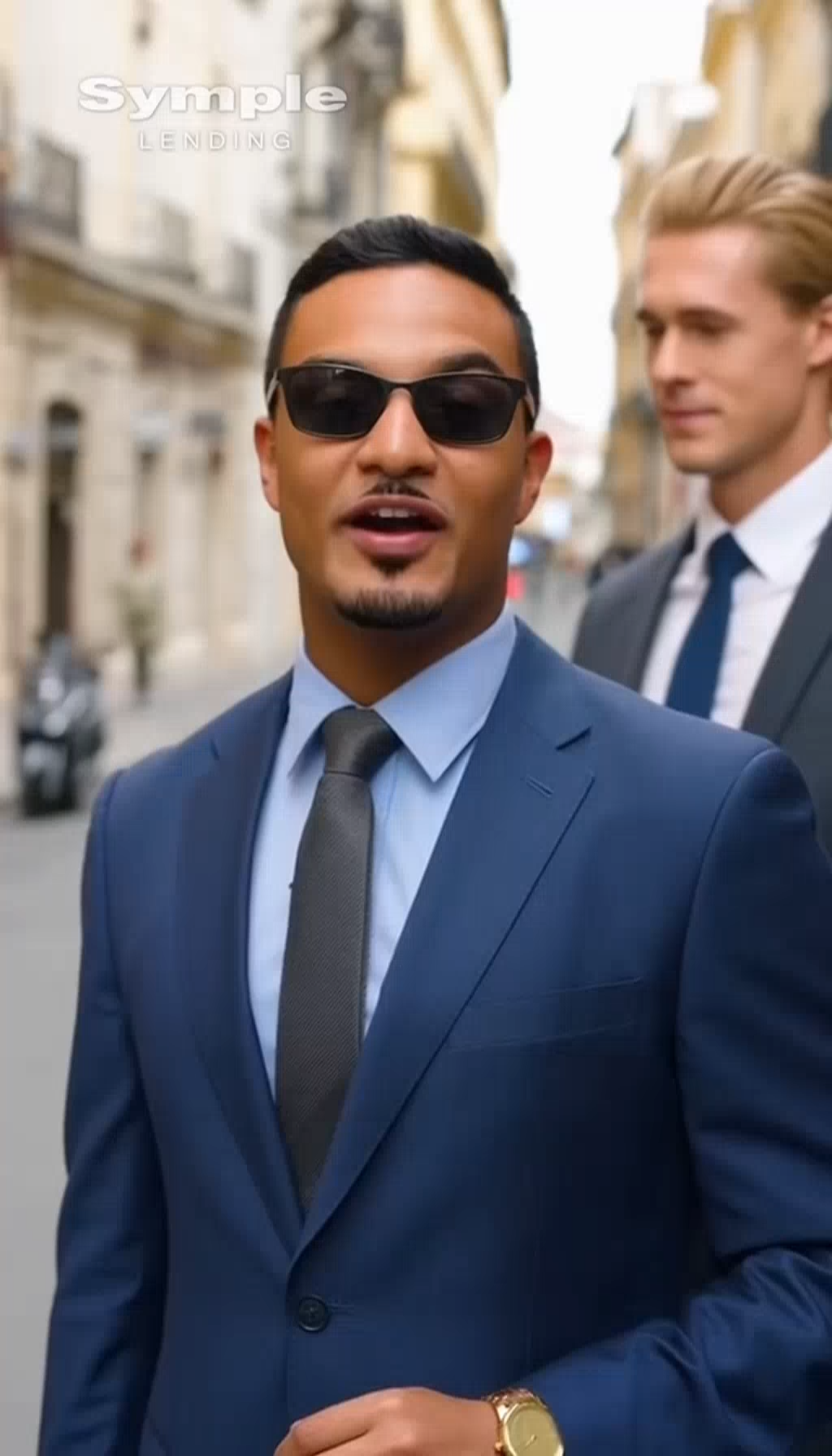
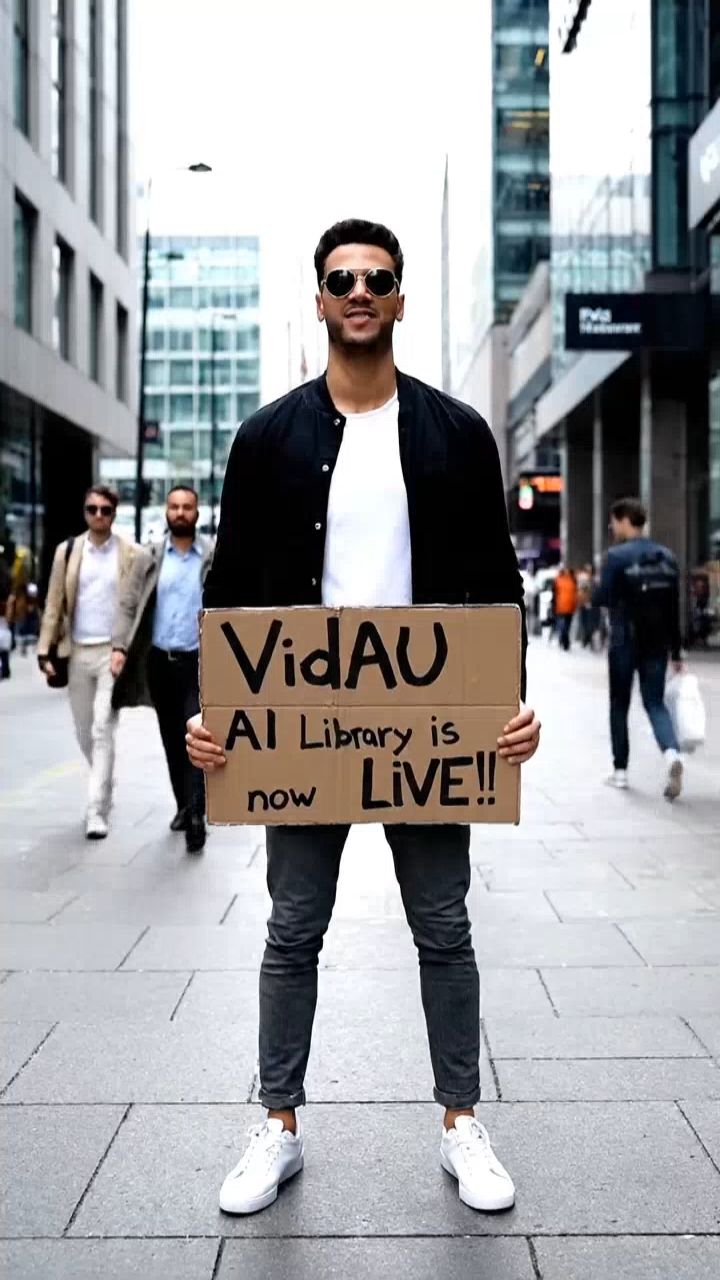
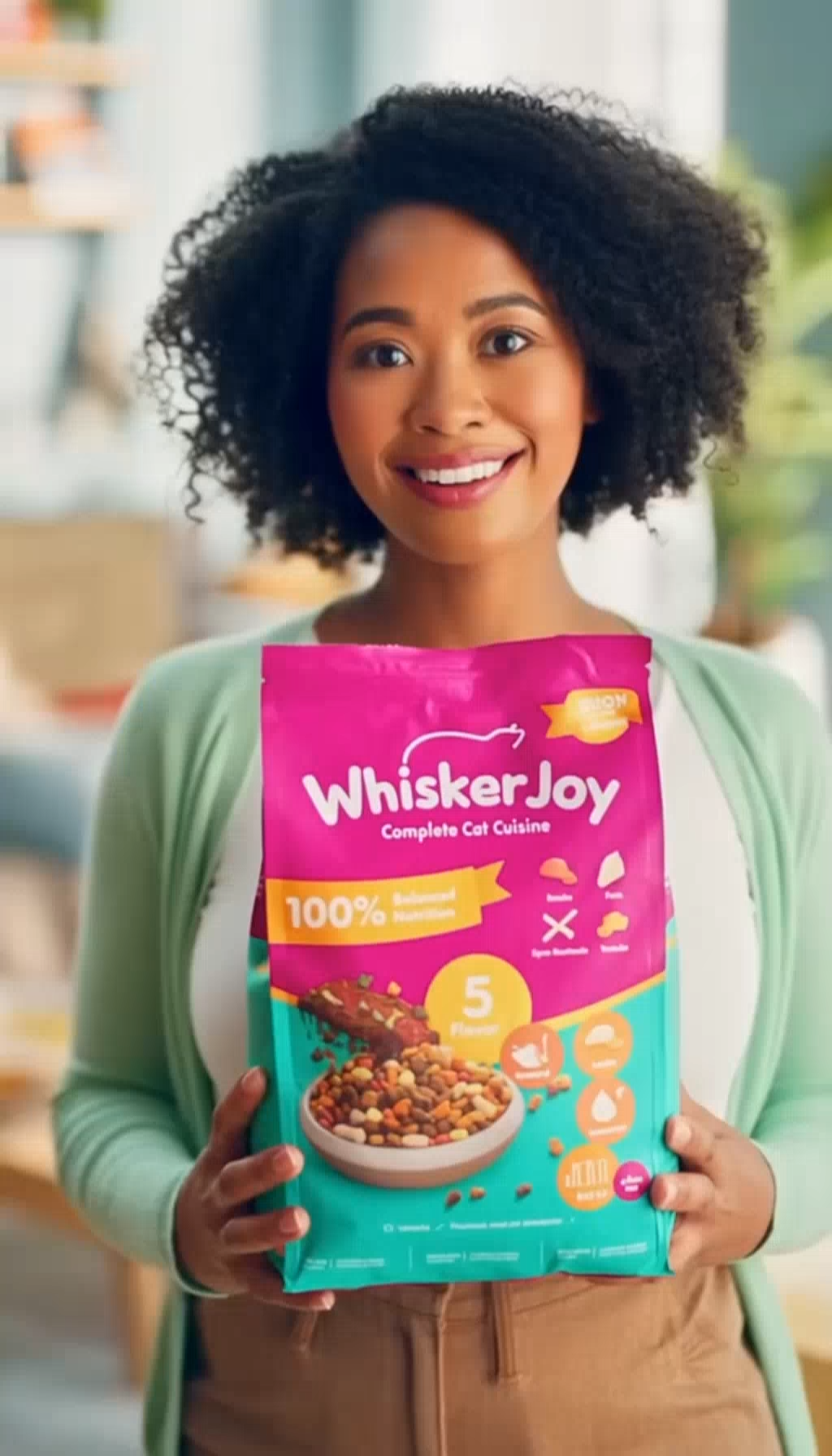
VidAU converts product images or URLs into video content. It is ideal for TikTok, Instagram, and video-first platforms. I tested VidAU while building video assets for product launches and social campaigns. The platform focuses on turning images and URLs into fast, polished videos. It fits TikTok, Instagram, and every channel where motion drives attention.
Pricing: You start with a free trial, which lets you test the core features before upgrading. Paid plans scale by video length, resolution, and monthly output. This keeps costs predictable for small teams and flexible for larger brands that push higher volumes.
Commercial Use: Full commercial rights are included. You use the videos across paid ads, product pages, email campaign,s and retail platforms without extra licensing steps.
Scalability: Output stays fast even with heavy workloads. I produced dozens of videos in one session without delays or manual editing. This removes the need for large creative teams or outsourced editors.
Use Case: Strong fit for video ads, product demos, lifestyle reels, and daily social content. The tool works well for brands that rely on motion-driven engagement across TikTok, Instagram, and YouTube Shorts.
Why I like it: I took static images from VidAU and turned them into complete videos with AI avatars, voiceovers, and subtitles. Video formats lifted engagement and pushed conversion rates across every platform.
Quick Comparison Table for AI Pro Tool
| Tool | Pricing | Commercial Use | Scalability | Best Use |
| DALL·E | $0.04–$0.08/image | Yes | High | Standard, realistic product photos |
| MidJourney | $10–$120/month | Yes | Medium | Creative visuals for social media |
| Stable Diffusion | Free / cloud pay | Yes | Very High | Large catalogs, full control |
| CreatorKit | Subscription $0- $115/month | Yes | Medium | Fast e-commerce images |
| VidaU.AI | Trial + tiered plans $0-$75/month | Yes | High | Video ads, dynamic content |
How to Choose the Right AI Pro Tool
From my experience, the choice depends on your workflow and business size:
- Small shops or solo sellers: CreatorKit or MidJourney for easy, ready-to-go visuals.
- Growing e-commerce brands: DALL·E for balance of realism and commercial rights.
- Enterprise-scale production: Stable Diffusion for flexibility, batch processing, and full control.
- Content marketers: Jasper Art if you want an all-in-one content + image ecosystem.
- Video-first teams: VidAU for fast motion assets built from static images.
I usually recommend testing a free tier first to see if the AI understands your product style and meets your quality expectations. The last thing you want is to commit to a plan only to find out the images don’t scale well or licensing is restrictive.
How I Use AI Pro to Save Time
I use AI Pro to generate clean product images fast. After that, I move the visuals into VidAU’s tools to complete my workflow. I use Image to Video to build motion clips from still photos. I use the AI Video Generator to add avatars and voiceovers. I use Subtitle Maker to finish social-ready versions in minutes. This turns a simple image into a full set of ads, PDP videos, and short-form content without a studio or editor. The process keeps me fast, organized, and ready to publish on tight timelines.
Workflow Example
- Generate base images with VidAU Image to video (Nano banana pro) for realistic photos.
- Apply batch adjustments in VidAU Smart Edit to ensure consistency.
- Use VidAU to convert images to short videos with voiceovers and captions.
- Post static images for listings and videos for social campaigns.
- Track performance metrics for engagement and conversions.
This workflow lets you handle small or large catalogs, maintain style consistency, and produce both images and video content.
Commercial Impact
Using AI visuals improves conversion rates and reduces costs. Customers respond better to high-quality images and videos. AI tools allow updates to product visuals whenever new inventory arrives, reducing dependency on photography studios.
For example, a Shopify store I helped increase add-to-cart rates by 32% using AI-generated images. Video content created in VidAU increased click-through rates by 18% on social ads. The cost per image was $0.08, and each video cost under $2 per product.
AI tools make scaling faster, cheaper, and more flexible.
Conclusion
AI Pro tools are no longer optional; they’re important. From quick mockups to enterprise-scale catalogs, there’s a tool for every business size and workflow. Personally, I’ve found that using a mix of these five tools, depending on the project, gives the best combination of speed, quality, and legal safety.
So even if you’re a small Etsy seller, a Shopify store owner, or running a national brand, these AI Pro tools can help you elevate your product images, save costs, and stay ahead of the competition.
The key takeaway? Don’t just chase flashy AI tools; focus on quality, commercial rights, and scalability. Test a few, pick what fits your workflow, and you’ll be generating professional-grade product images in no time.
Frequently Asked Questions
Are AI product images safe for commercial use?
Yes. Most leading tools offer clear commercial rights for ads, product listings and marketing. Always review each tool’s license before using images at scale.
Which tool delivers the best mix of quality and scale?
Stable Diffusion delivers strong realism and high-volume output. You run it locally or in the cloud and produce consistent batches for large catalogs.
Does AI replace professional photography?
AI covers social content, prototypes, and basic product visuals. High-end photography still performs better for premium items and complex textures. Many brands use both.
How do I keep AI product images consistent?
Use controlled prompts, fixed style settings, and batch workflows. Tools with templates or presets help you keep a steady look across your catalog.
Is AI cost-effective for large-scale production?
Yes. AI reduces studio costs and shortens production time. For brands with large catalogs or frequent updates, AI workflows deliver a lower cost per image.