










Blog Industry News Nano Banana Image Editing for Reliable Visual Results in 2026

Nano Banana Image Editing Guide, Prompts, and Use Cases

 image of Nano Banana

Nano Banana image editing works as a controlled AI workflow built for precision, not experimentation. You give direct, specific instructions. The system follows those instructions without altering unrelated parts of the image. This approach keeps visuals stable and predictable across edits. The model understands the structure inside an image. Objects keep their shape and proportions. Layout stays intact. Lighting behaves consistently across the scene. Shadows and highlights follow the original light source. Color balance stays even. These controls prevent distortion and maintain visual clarity.

You use Nano Banana image editing to generate new visuals, refine existing assets, or make targeted changes without restarting from scratch. The output fits real production needs such as ads, product pages, mockups, and presentations. Results stay clean and usable instead of abstract or random. This guide explains how Nano Banana image editing functions step by step, how to write prompts that deliver consistent results, and why teams choose this system when they need reliable visuals with minimal revisions.

What Is Nano Banana Image Editing

Nano Banana image editing is a precision-focused AI video generator system for creating, modifying, and refining images through direct instructions. You tell the system what to change. It updates only those elements while preserving the rest of the image. Unlike general image generators, this workflow does not rebuild scenes from scratch. It analyzes the existing visual structure first. Objects keep their shape. Proportions remain correct. Lighting and perspective stay consistent. This makes the output suitable for real production use.

You use Nano Banana image editing to start from text to video, enhance an existing image, or make controlled edits such as replacing objects, adjusting backgrounds, applying styles, or adding text. Each change follows clear visual rules.

The system suits workflows where accuracy matters. Marketing teams rely on it for product visuals and ads. Designers use it for mockups and concept validation. Educators use it for clear instructional graphics. Founders use it to test ideas before full production. Nano Banana image editing gives you the speed of AI with the discipline of professional image editing.

How Nano Banana Understands Visual

Nano Banana understands visuals by breaking each image into structured components before any edit happens. The system reads the image as a scene, not as flat pixels. This allows edits to follow visual rules instead of random pattern changes. The model identifies objects and separates them from the background. It recognizes materials such as glass, metal, wood, fabric, and skin. This helps the system apply realistic reflections, shadows, and texture behavior during edits.

Depth and spatial relationships receive special attention. The model detects foreground, midground, and background layers. Objects closer to the camera stay dominant. Distant elements remain soft or reduced in detail. This prevents scale errors when adding or replacing elements. Lighting logic stays consistent across the image. The system detects light sources, direction, and intensity. Shadows fall in the correct direction. Highlights appear only where light naturally hits. Color temperature stays balanced.

Perspective remains stable. The camera angle does not shift during edits. Straight lines stay straight. Added elements align with existing vanishing points and horizon lines. This keeps the image visually believable. By understanding structure, lighting, depth, and perspective together, Nano Banana produces edits that look intentional and production-ready instead of artificial.

How Nano Banana Image Editing Works

Nano Banana image editing follows a structured process designed for control and accuracy. Each stage focuses on preserving the original image while applying only the changes you request. First, the system analyzes the image. It scans objects, edges, textures, materials, lighting direction, and depth. This creates a scene map that defines how elements relate to each other.

Next, the model interprets your instructions. It identifies which parts of the image need editing and which parts must remain untouched. This step prevents unnecessary regeneration and protects visual stability. The system then performs targeted generation. Only the selected regions update. Objects outside the edit zone keep their shape, position, and lighting. This avoids distortion and maintains consistency across the image. After generation, the model refines the result. It balances color, sharpness, and contrast. It checks lighting alignment and edge transitions. The final image maintains a clean, professional finish. This step-by-step workflow ensures edits remain predictable, repeatable, and suitable for production use rather than experimental output.

Step 1. Scene analysis

The system begins by scanning the entire image. It identifies all visible objects and separates them from the background. Edges define object boundaries. Textures reveal surface type and material behavior. Depth relationships show which elements sit in front or behind others. This scene map establishes structure before any edit occurs.

Step 2. Edit planning

The model reads your prompt and links instructions to specific parts of the scene. It marks the exact areas for modification. Everything outside those zones stays protected. The system decides what to preserve and what to regenerate. This planning stage prevents unwanted changes and keeps the layout stable.

Step 3. Targeted generation

The model regenerates only the selected regions. New elements match the original perspective, lighting, and scale. Objects you did not target remain untouched. Shapes, positions, and shadows stay consistent across the image. This ensures edits blend naturally into the scene.

Step 4. Visual refinement

The system performs a final polish. It adjusts color balance, sharpness, and contrast. It smooths edge transitions and checks lighting alignment. The output looks clean, realistic, and ready for real use across marketing, design, or presentation workflows.

How to Write High-Performing Nano Banana Prompts

Strong prompts determine output quality. You write prompts with intent and structure. Think like a designer who gives clear instructions to a production team.

Define the subject

Start by stating what exists in the image. This anchors the model.

Example: A ceramic coffee mug with a matte white finish on a flat surface.

Describe the exact change

State what must change. Be direct. Avoid vague language.

Example: Replace the front logo with black sans-serif text centered horizontally.

Control the environment

Set the visual context so the edit fits naturally.

Example: Neutral gray background, soft studio lighting from the left, front-facing camera.

Specify style and quality

Guide how the final image should look.

Example: Clean commercial style, sharp focus, realistic ceramic texture.

Add constraints

Lock elements that must remain untouched.

Example: Keep the mug shape, handle position, proportions, and existing shadows unchanged.

Full prompt example

Edit the uploaded image of a ceramic coffee mug. Replace the front logo with black sans-serif text centered on the mug. Use a neutral gray background with soft studio lighting from the left and a front-facing camera. Keep the mug shape, handle position, proportions, and shadows unchanged. Clean commercial style with sharp focus and realistic texture.

This structure gives the system clarity. Each section removes ambiguity. Clear prompts produce consistent and repeatable results.

Nano Banana Image Editing Use Cases

Nano Banana image editing supports workflows where accuracy, speed, and consistency matter. Teams use it to produce visuals without long revision cycles or full redesigns.

Marketing and branding

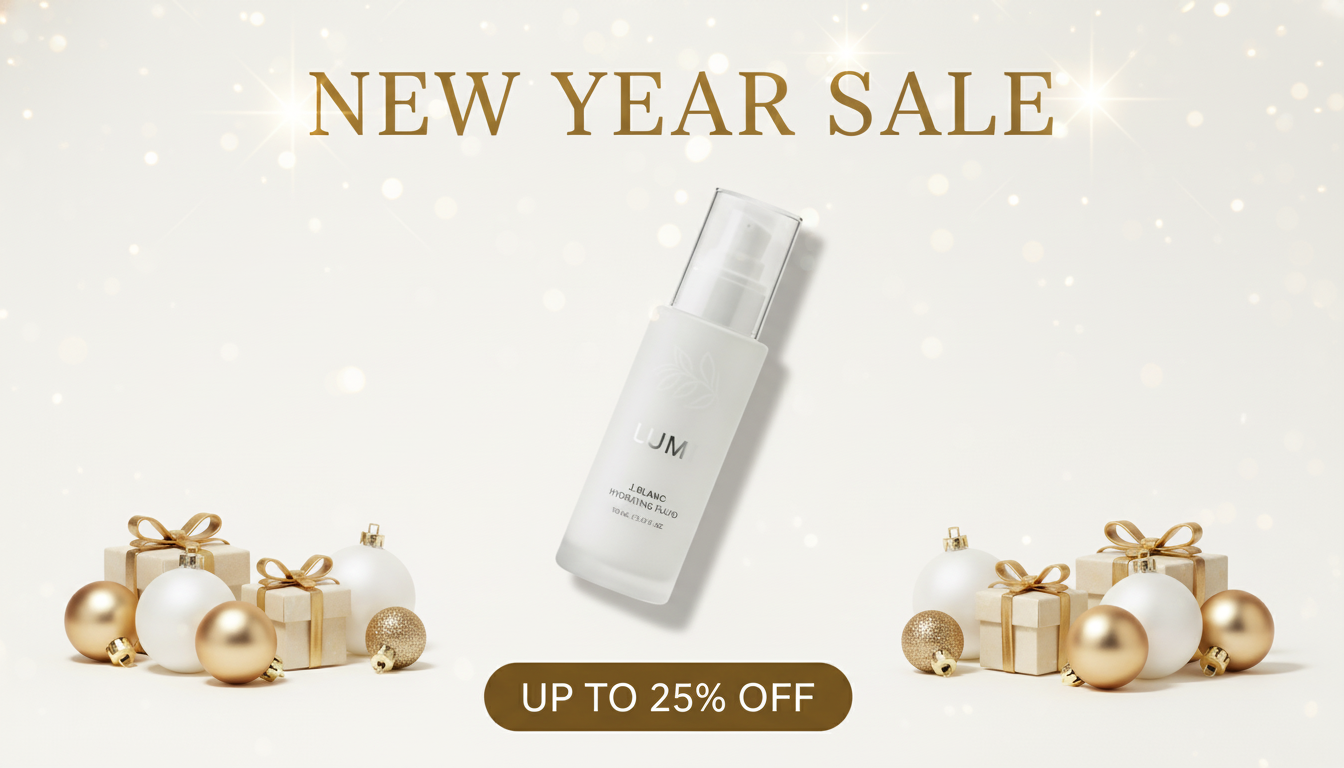
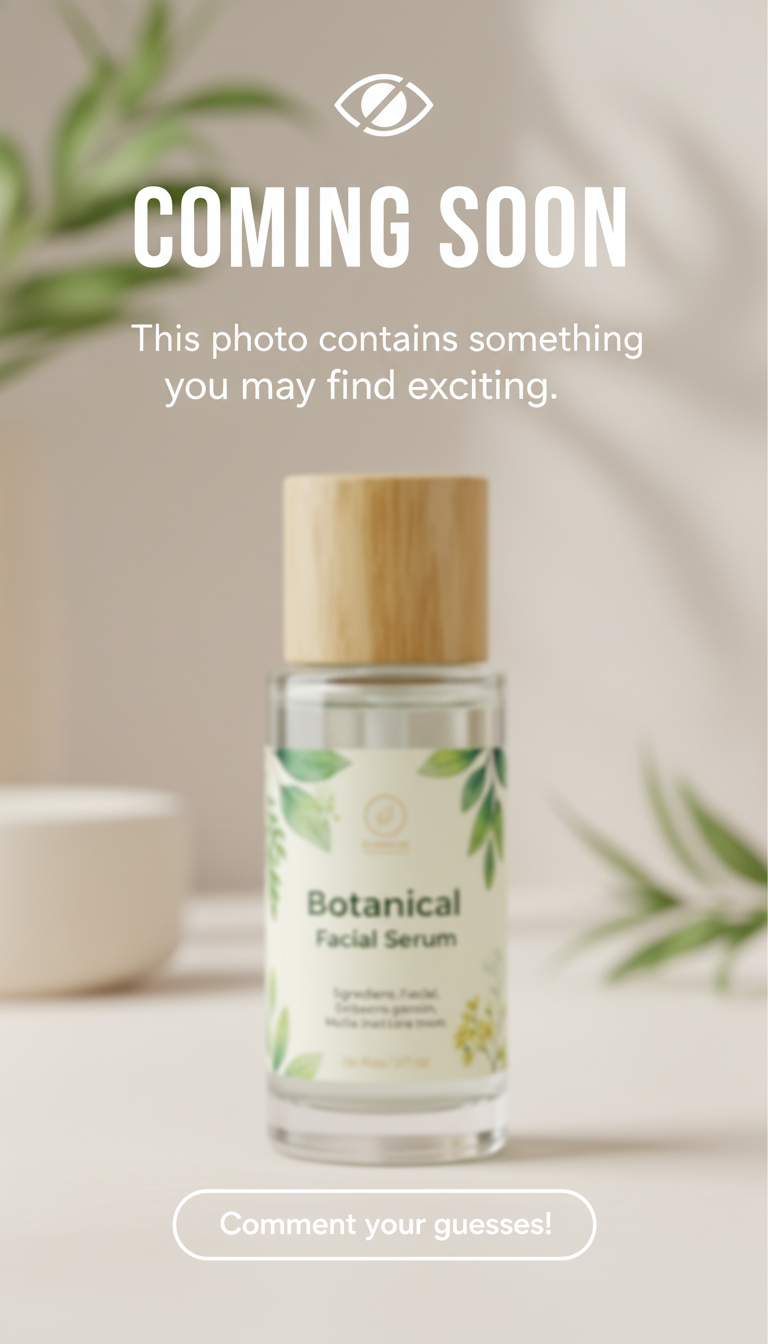
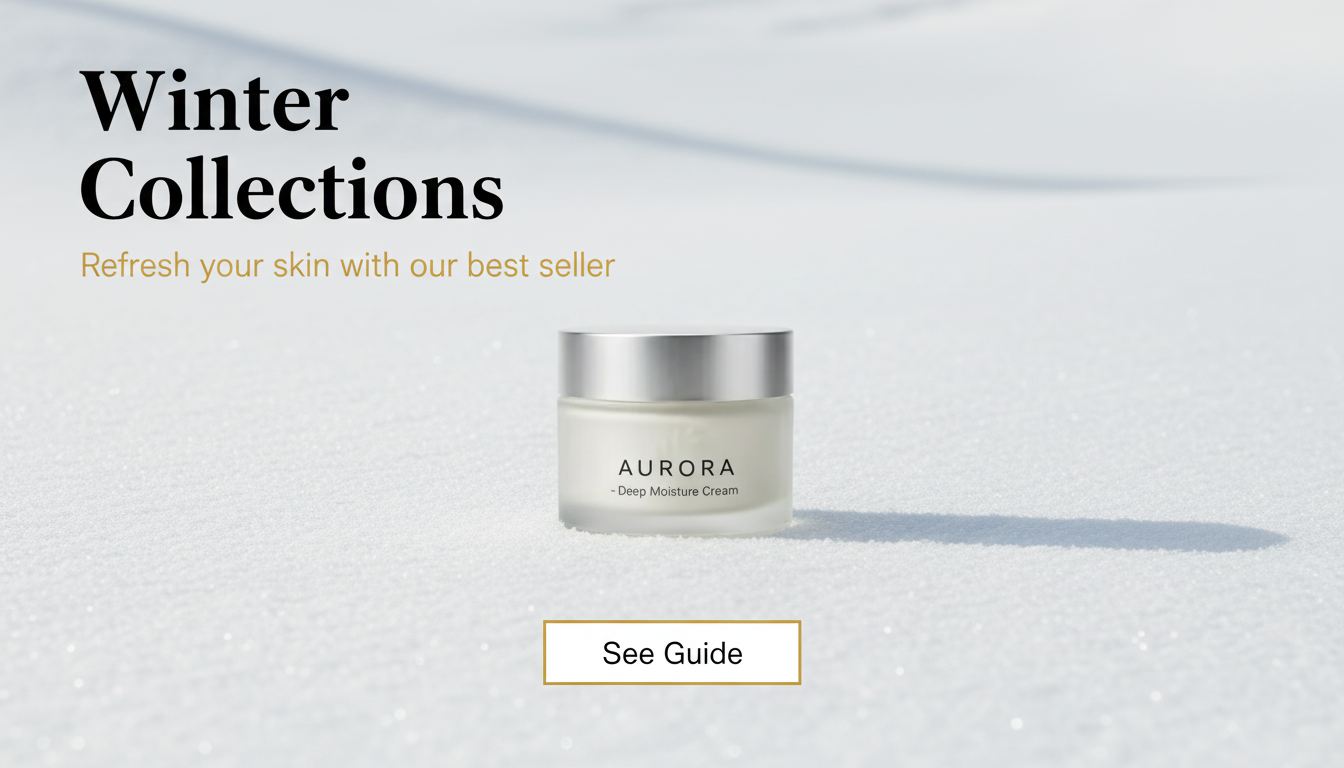
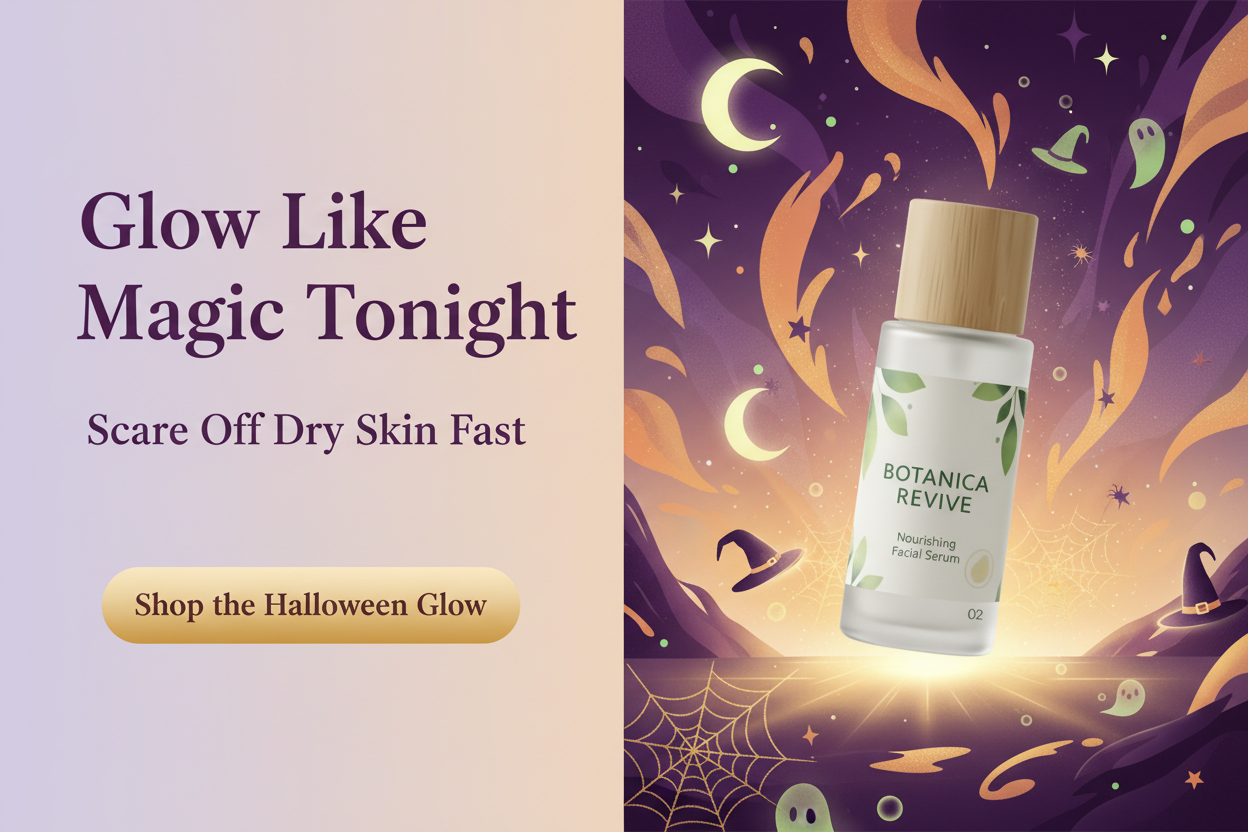
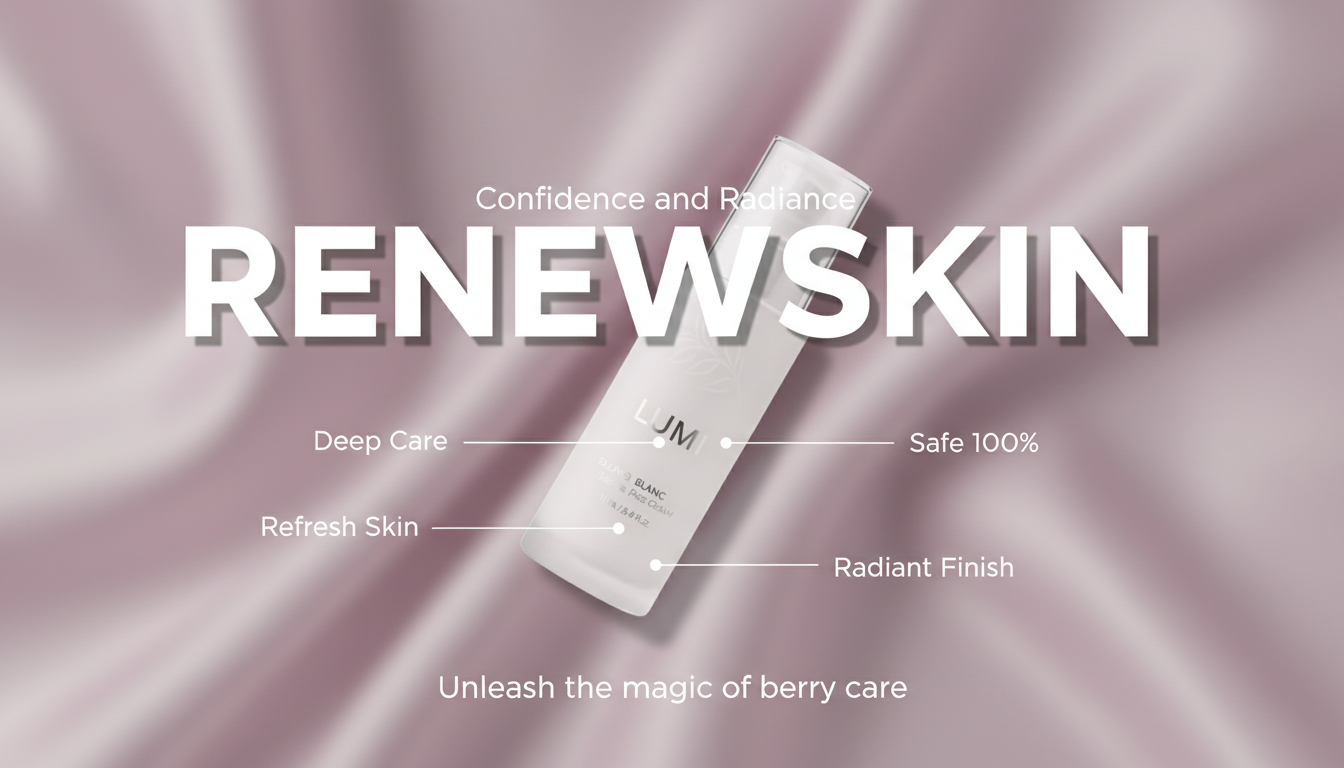
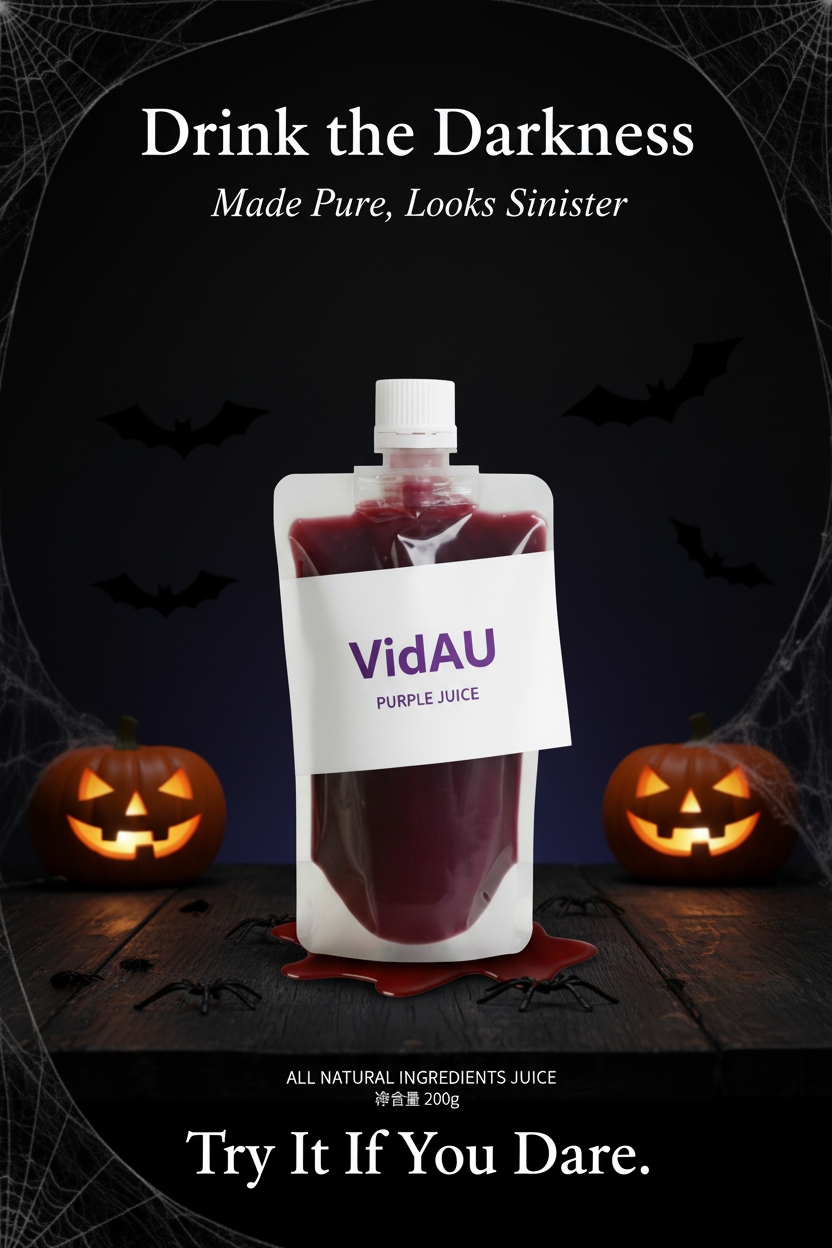
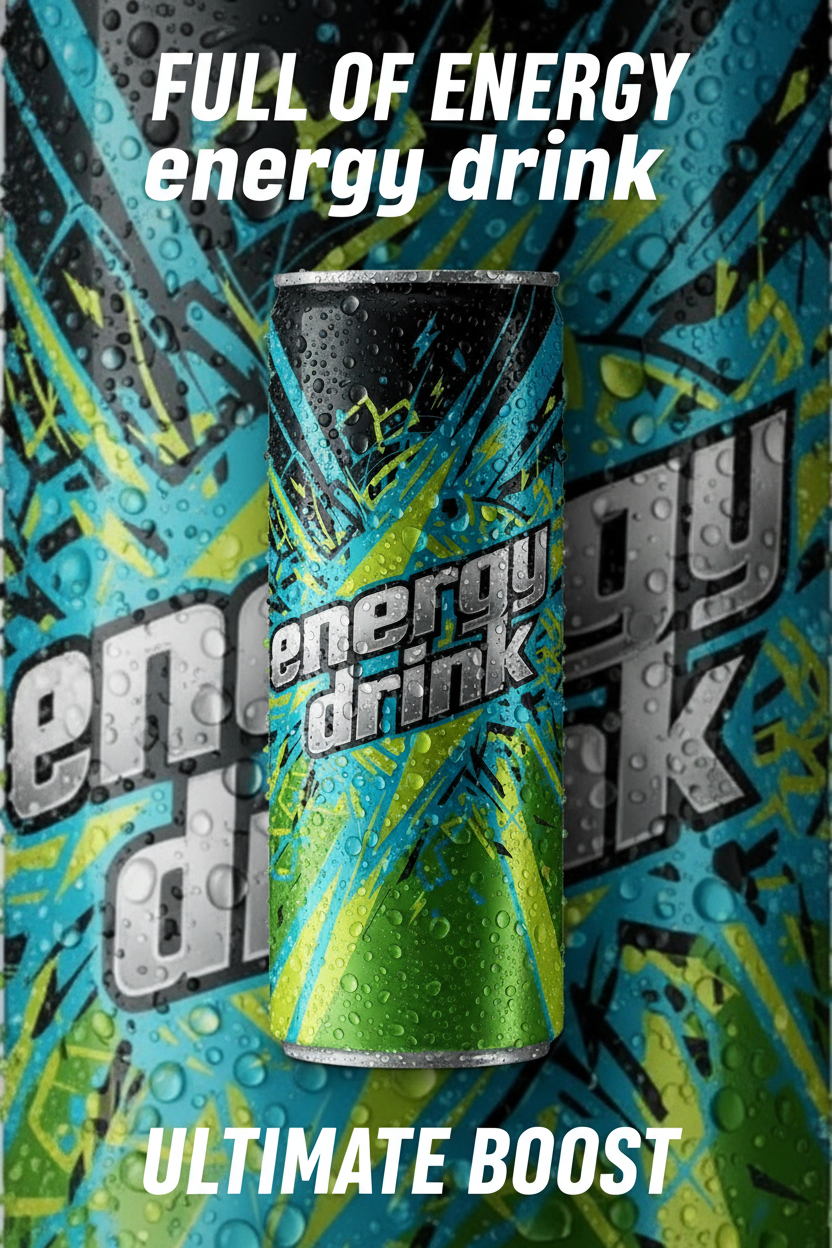
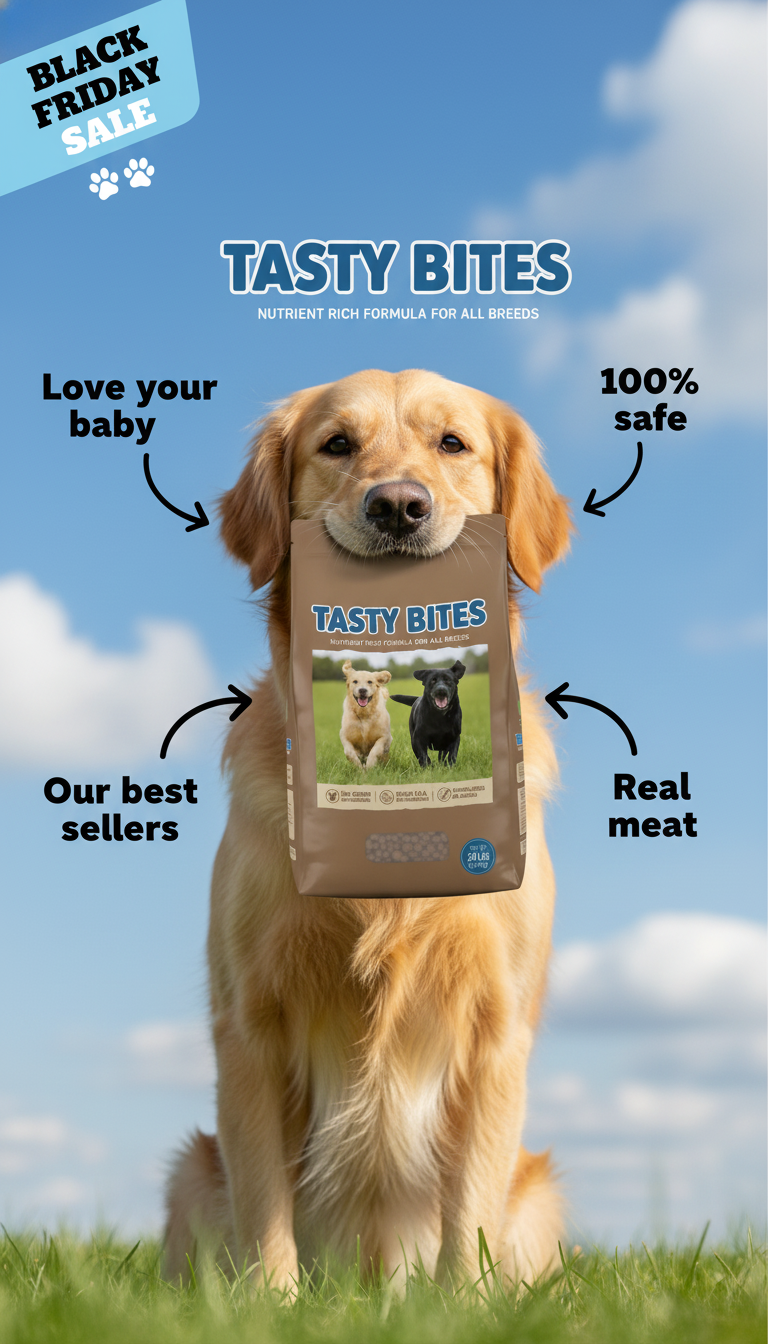
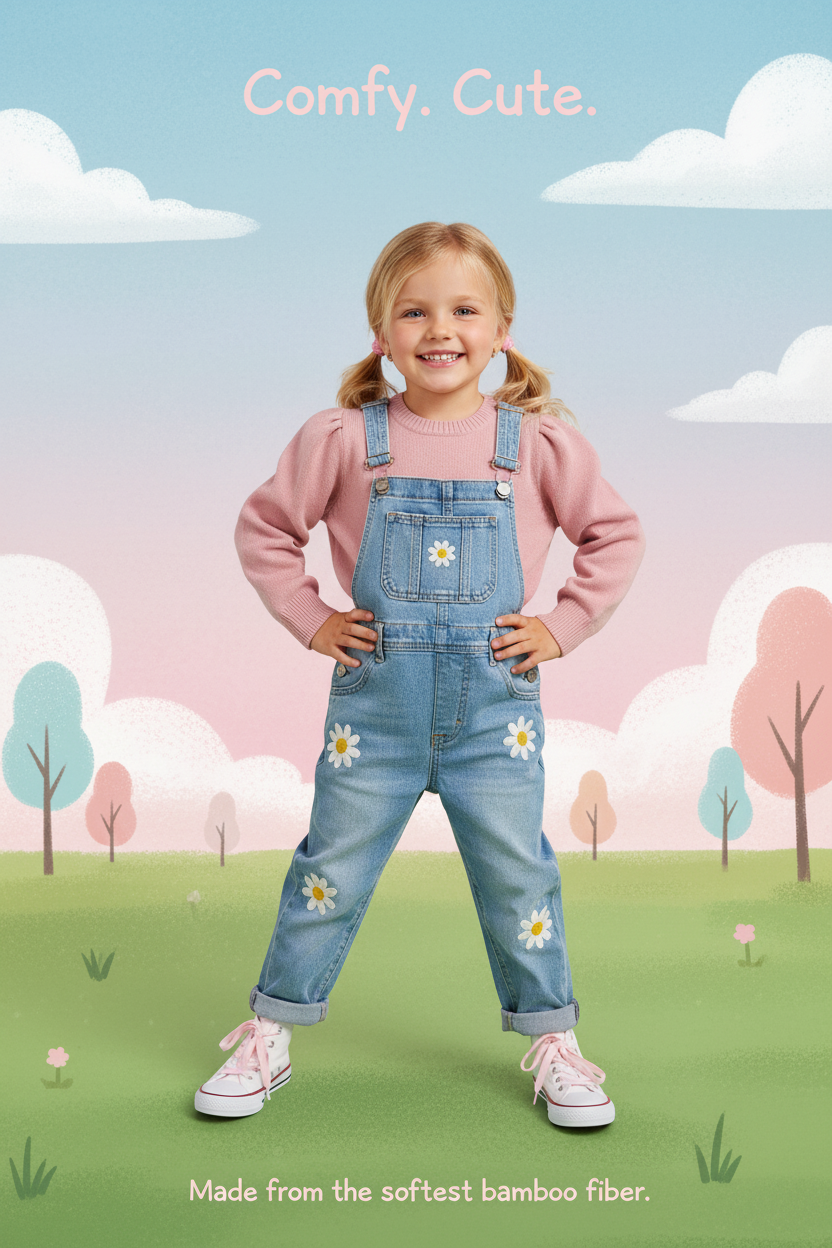
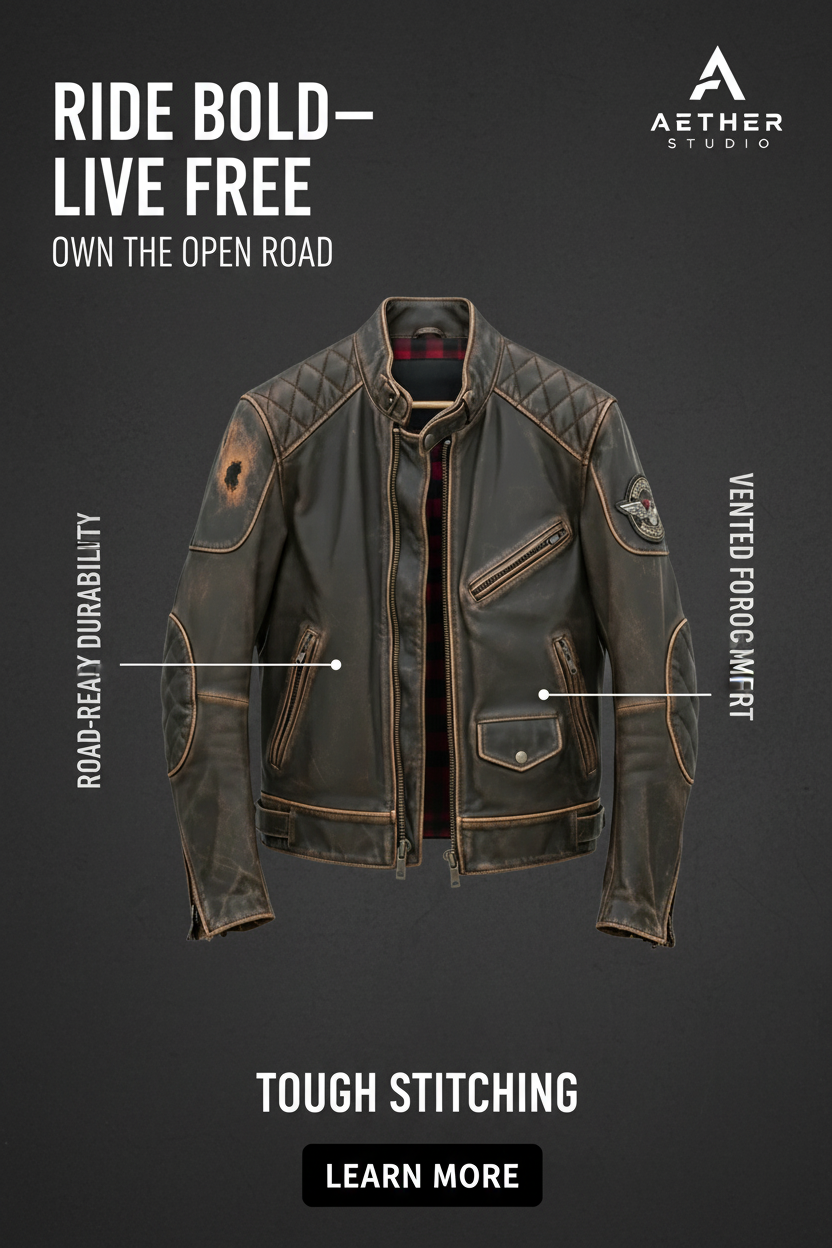
Marketers use Nano Banana image editing to create video ads, product images, and campaign assets. You replace products, update packaging, swap backgrounds, and localize creatives without reshooting. Text stays readable. Lighting stays consistent. Brand visuals remain uniform across channels.

Design and creative work

Designers rely on the tool for mockups and concept testing. You explore layouts, video templates, color variations, and styles without rebuilding assets. This speeds approvals and reduces manual editing.

Product and eCommerce

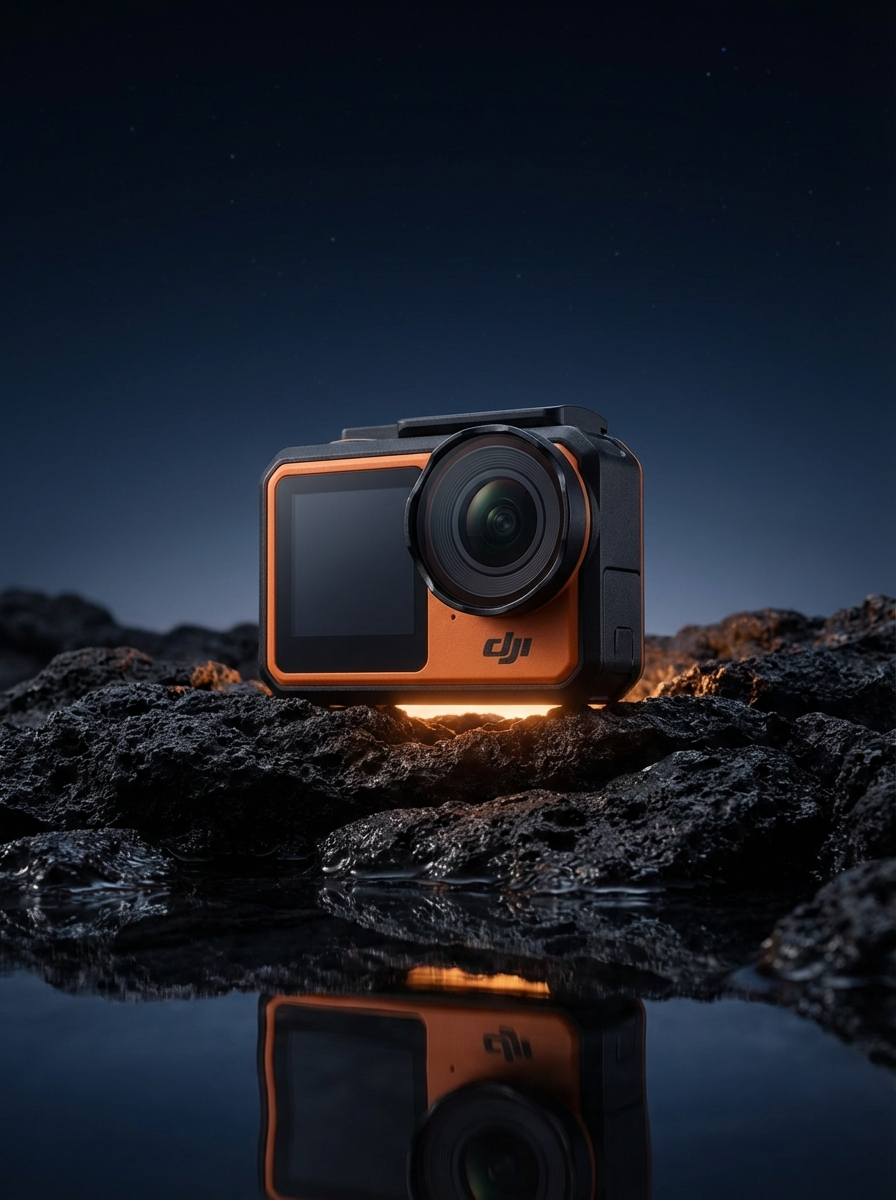
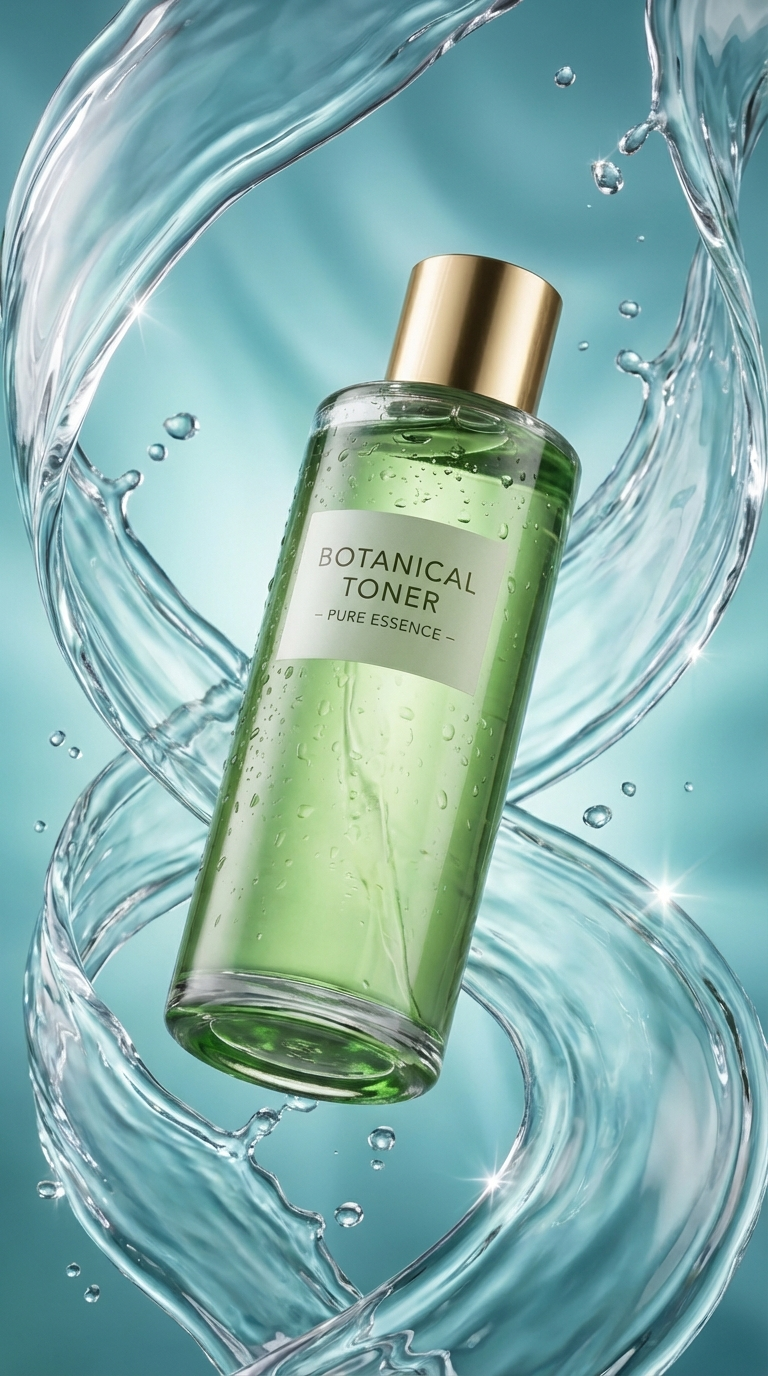
Product teams use Nano Banana image editing to generate clean product videos. You refine surfaces, remove distractions, standardize backgrounds, and test packaging designs. The output fits product pages, catalogs, and ads.

Business and education

Educators and teams create diagrams, charts, and instructional visuals. You can also integrate AI avatars to add a human element to these graphics. You add labels, simplify backgrounds, and clarify layouts. Visual logic stays intact, which improves comprehension.

Photo editing and enhancement

Photographers and creators use the system for controlled edits. You can transform static shots using photo-to-video tools to fix lighting, change environments, replace materials, or apply style adjustments without distorting faces or objects.

Creative experimentation

Artists and creators test visual ideas while keeping the structure stable. You explore styles, compositions, and concepts without losing realism or control.

Nano Banana image editing adapts to different industries. The common benefit stays the same. You get precise edits, consistent output, and visuals ready for real use.

Nano Image Edit To Others

Comparison: Nano Banana Image Editing vs Other Image Editing Tools

Tool TypeNano Banana Image EditingGeneric AI Image GeneratorsTraditional Editing Tools
Editing approachTargeted edits onlyFull image regenerationManual layer and mask editing
Level of controlHigh control over specific elementsLow control, broad changesHigh control, fully manual
Object stabilityObjects keep their shape and proportionsObjects often warp or shiftStable, depends on user skill
Lighting consistencyLighting logic stays intactLighting often changesFully manual adjustment
Perspective accuracyPerspective remains consistentPerspective often breaksAccurate with effort
SpeedFast with structured outputFast but unpredictableSlow for complex edits
Revision cyclesFewer revisions neededMany retries requiredMultiple manual revisions
Skill requiredLow to moderateLowHigh
Best use casesAds, product visuals, mockups, diagramsConcept art, experimentationDetailed retouching, advanced design
Output readinessProduction-ready visualsExperimental visualsProduction-ready with time

Nano Banana image editing sits between raw AI generation and manual editing. You get speed without losing structure, which makes it suitable for professional workflows where consistency and accuracy matter.

Conclusion

Nano Banana image editing gives you speed while preserving control over every visual decision. You change only what matters. The rest of the image stays intact. Objects keep their shape. Layout stays stable. Lighting follows clear visual rules. Perspective does not shift between edits.

This controlled workflow removes common production friction. You avoid full image regeneration. You skip complex manual edits. Revision cycles drop because results remain consistent from the first output. Each iteration builds on the last instead of starting over.

Teams rely on Nano Banana image editing because it produces visuals they can use immediately. Marketing assets meet brand standards. Product visuals stay clean and accurate. Diagrams remain clear and readable. The system supports scale without visual drift. If you need professional images without slow manual workflows or unpredictable AI output, Nano Banana image editing delivers reliable results suited for real production environments.

Frequently Asked Questions

What is Nano Banana image editing?

Nano Banana image editing is a controlled AI workflow for generating and editing images through direct instructions while preserving structure, lighting, and proportions.

How is Nano Banana different from other AI image tools?

Most AI tools regenerate full images. Nano Banana edits only selected areas, which keeps objects stable and results predictable.

Do I need design skills to use Nano Banana image editing?

You do not need advanced design skills. Clear instructions and structured prompts drive strong results.

Can I edit only one part of an image?

Yes. You can target a single object, background, or text area while protecting the rest of the image.

Is Nano Banana suitable for commercial use?

Yes. The workflow supports ads, product pages, presentations, and branded visuals.

Scroll to Top