





















Blog AI Video Generator Wan 2.6 vs Wan 2.5 – Understand AI Video Model and all you can try now

Wan 2.6 vs Wan 2.5: What the New AI Video Model Delivers for Creators

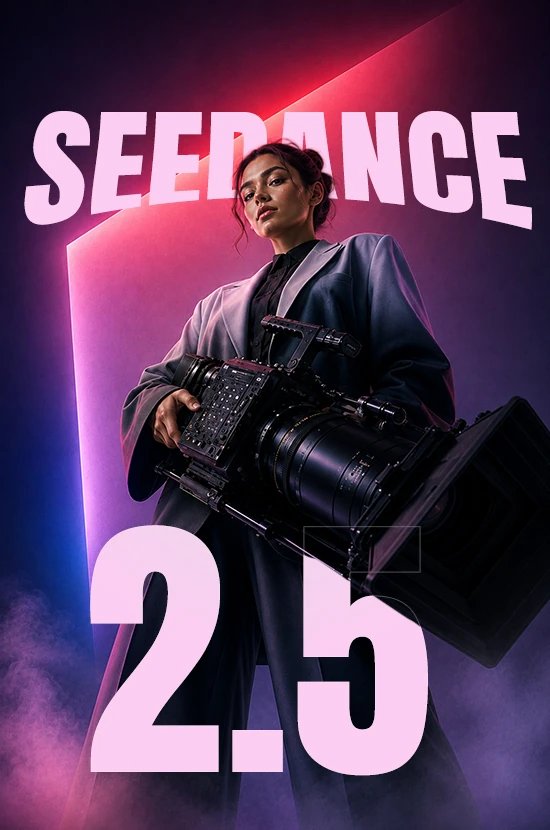
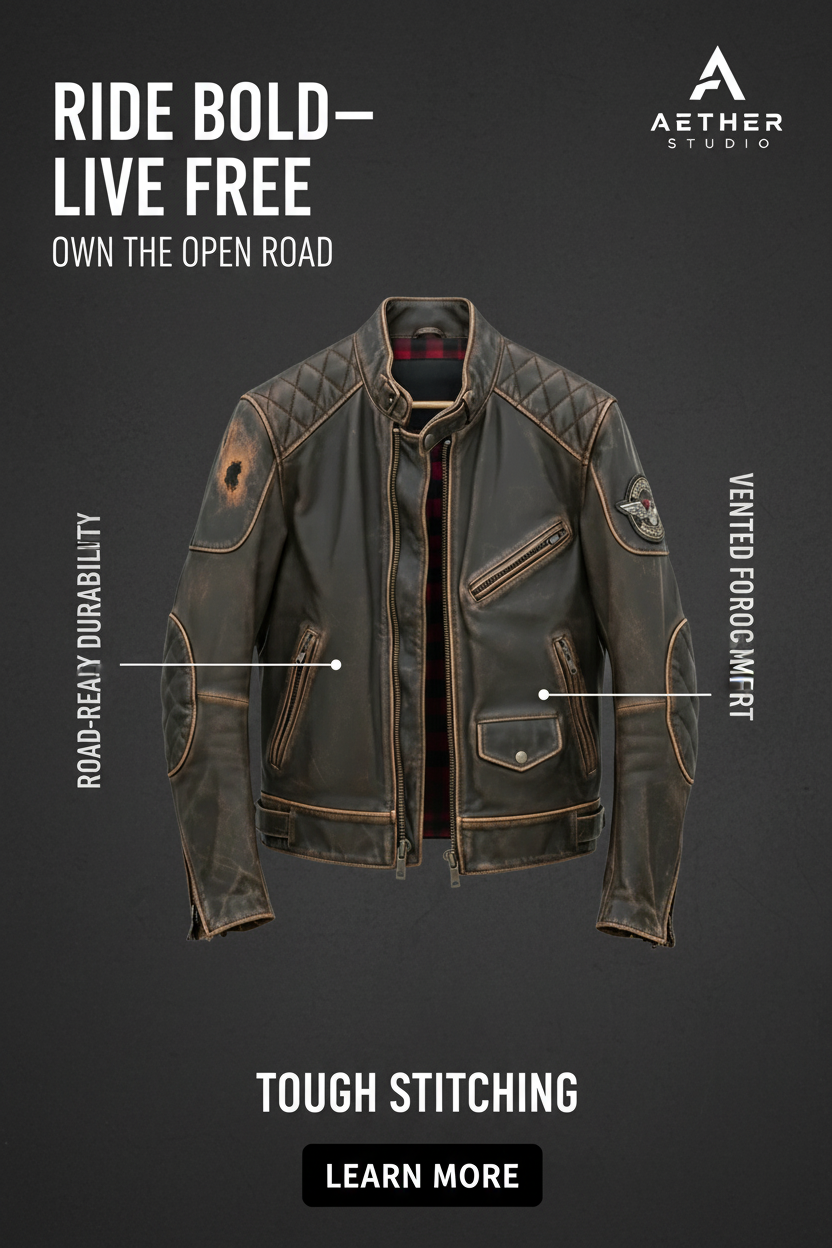
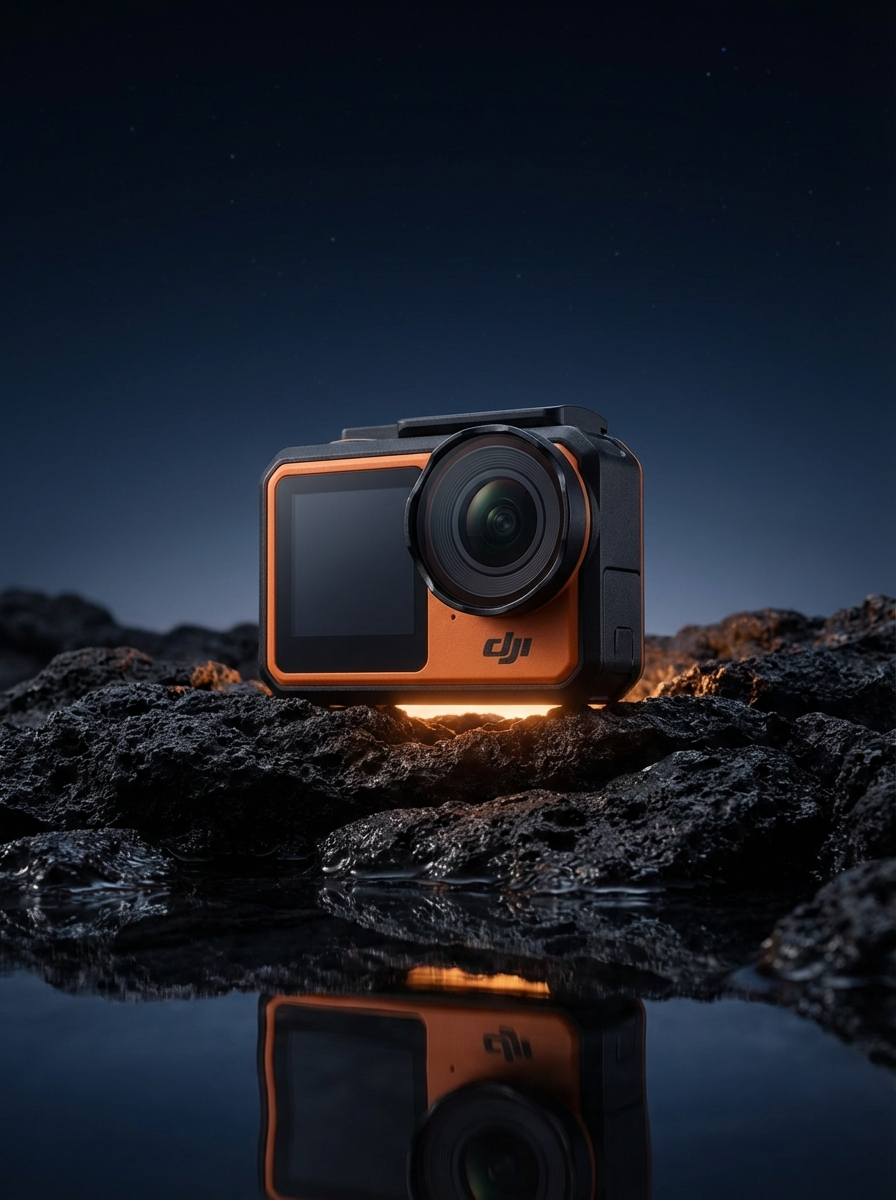
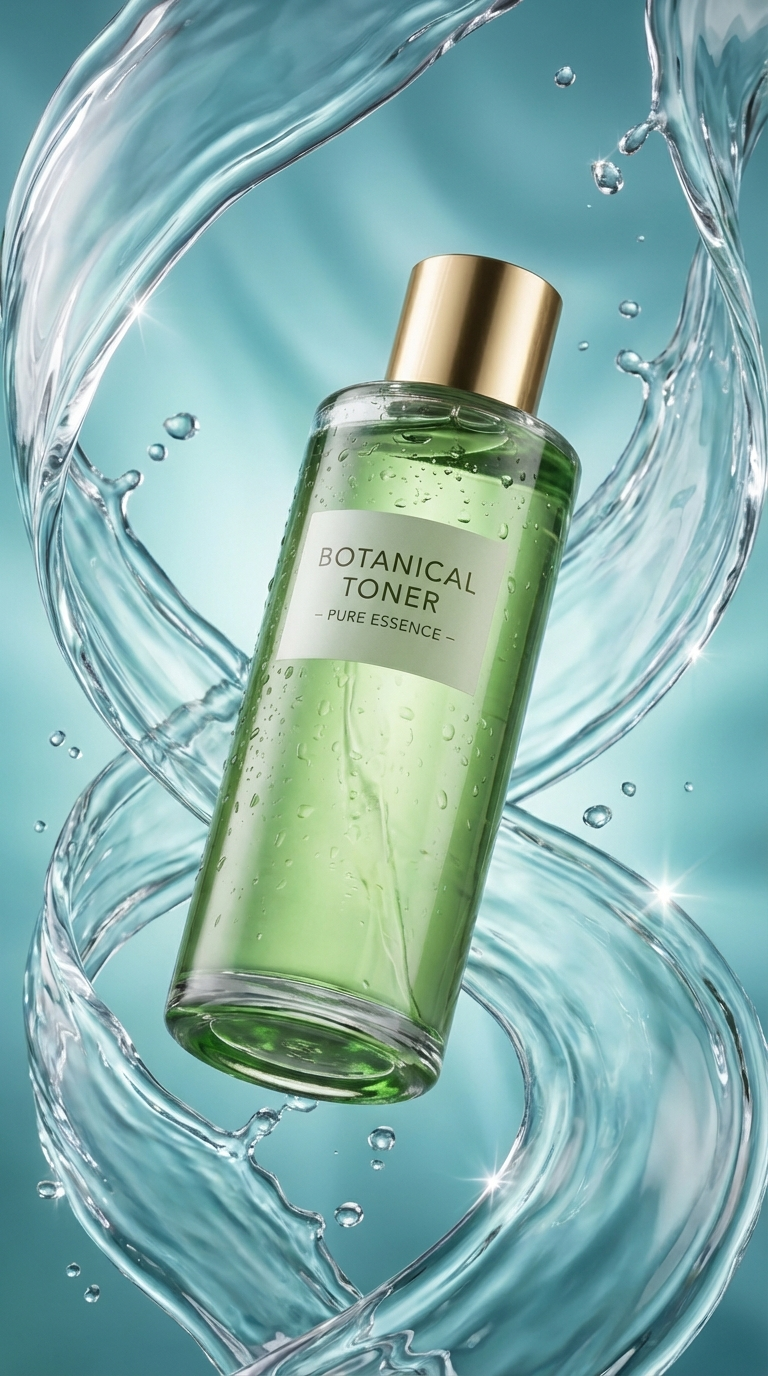
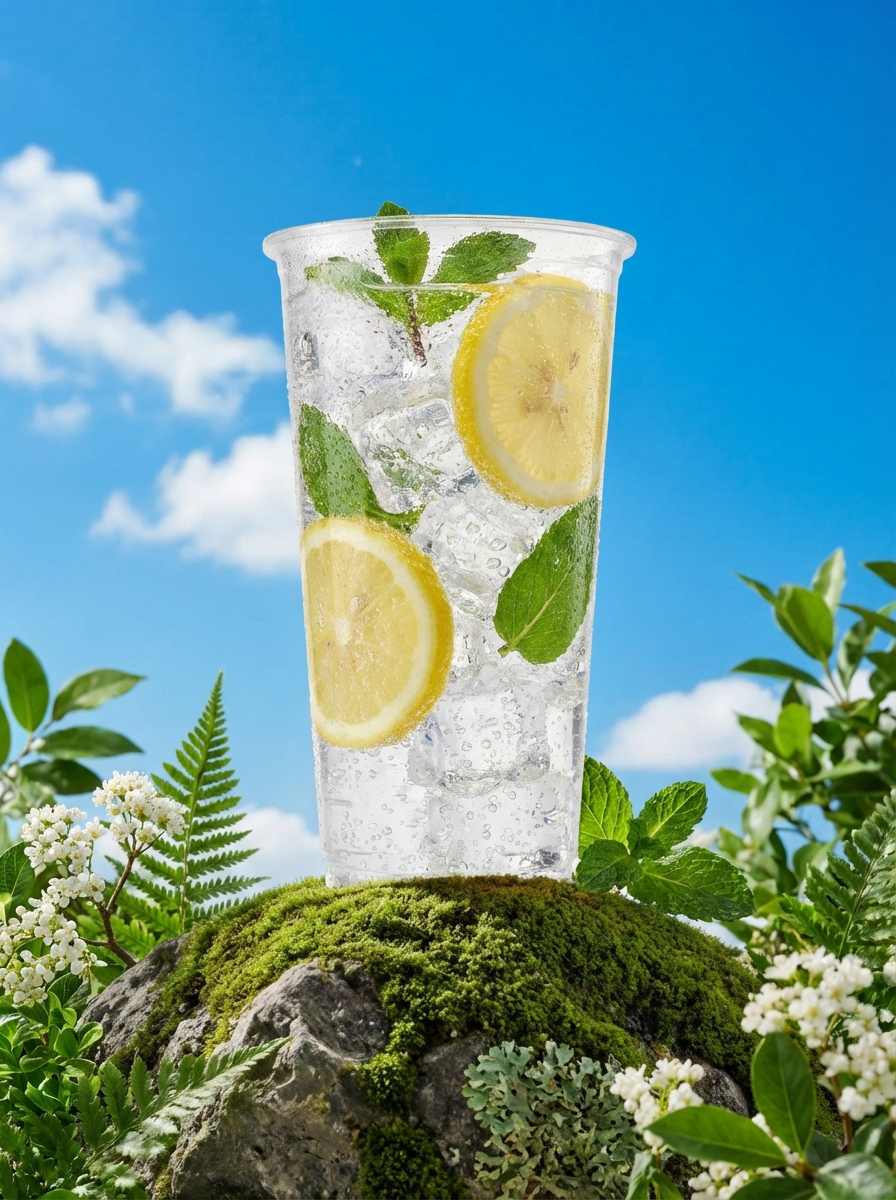
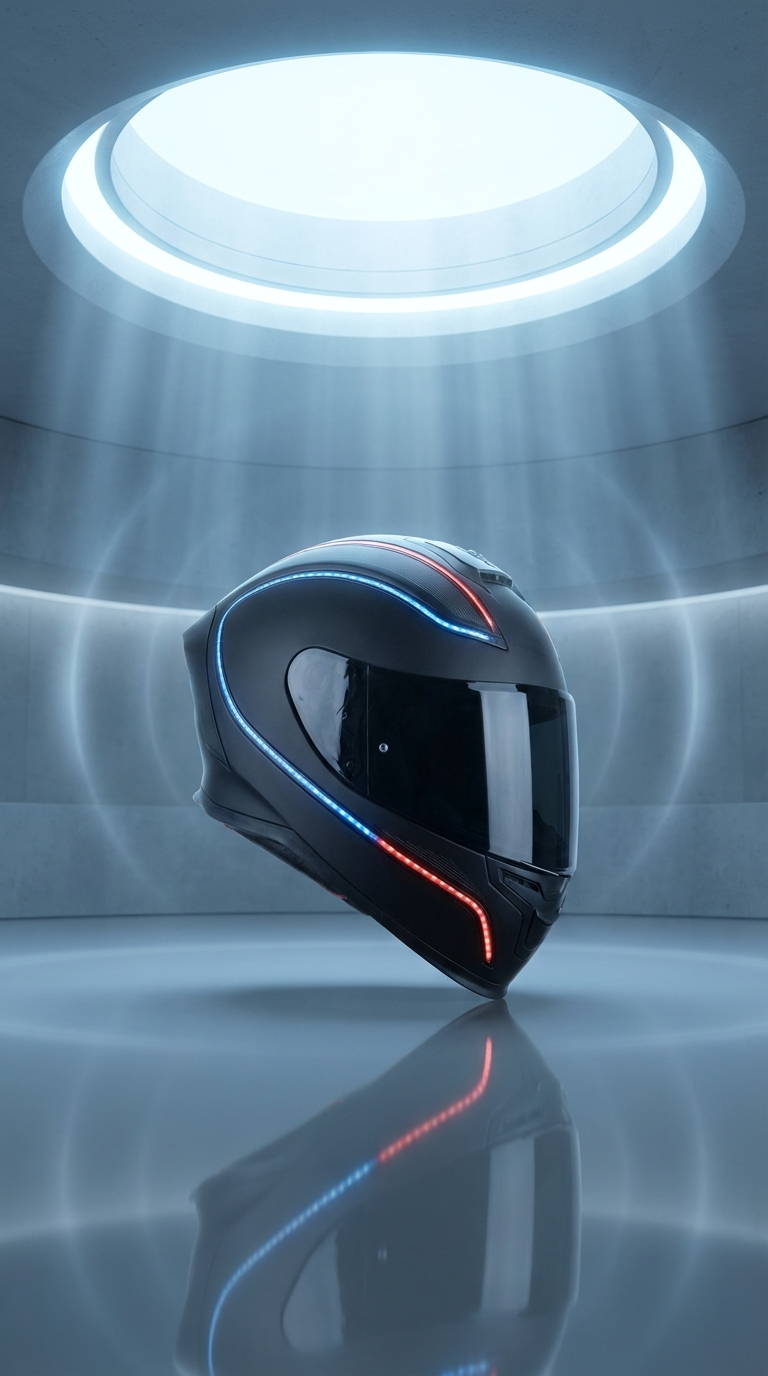
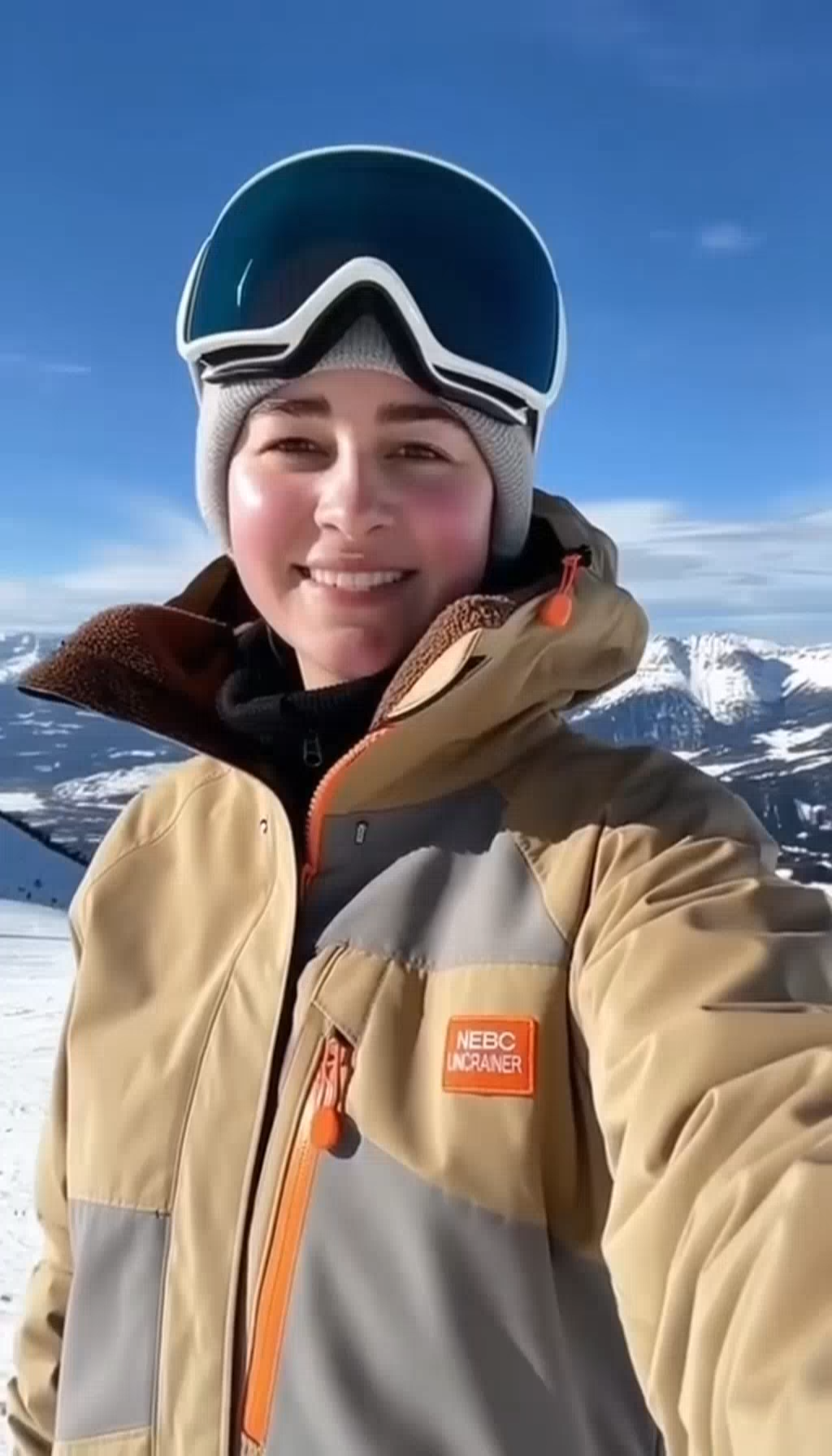
image of wan 2.5 ,Wan 2.6

The release of Wan 2.6  in December 2025 marks a significant evolution from the foundational Wan 2.5. While Wan 2.5 introduced native audio-visual synchronization, Wan 2.6 moves the model from a “clip generator” to a “narrative storytelling engine.”

The primary shift in Wan 2.6 is the move toward multi-shot logic and reference-driven identity, solving the previous version’s struggle with character drift and single-shot limitations. Wan 2.6 is the latest update to the Wan AI video generation model. The release focuses on better motion control, stronger scene stability, and improved visual consistency for short-form video creation. The model targets creators, marketers, and teams who need fast, controlled clips for social platforms and ad testing.

This article explains what Wan 2.6 is, what changed from earlier versions, where the model performs best, and how it fits into real content workflows.

What Wan 2.6 Is?

Wan 2.6 is an AI video model designed to generate short video clips from text prompts or reference images. You describe a scene or upload an image, and the model produces a short animated sequence with controlled motion and lighting.

The update improves how the model handles movement, framing, and subject consistency. Clips feel smoother and more predictable, which helps when building ads, social videos, or concept visuals. Wan 2.6 focuses on short-form output built for vertical and social-first formats.

Key New Features in Wan 2.6

1. Extended Video Duration (15 Seconds)

Wan 2.6 increases the maximum clip length from 10 seconds to 15 seconds. While an extra five seconds sounds incremental, it allows for a complete “Three Act” structure (Setup → Action → Resolution) in a single generation, which was previously difficult to pace within 10 seconds.

2. Native Multi-Shot Storytelling

This is the “killer feature” of 2.6.

  • Intelligent Cuts: In Wan 2.5, prompts describing multiple scenes usually resulted in a messy “morphing” effect. Wan 2.6 understands storyboard logic.
  • Single Prompt, Multiple Shots: You can now prompt a sequence (e.g., “Wide shot of a chef entering, CUT TO a close-up of him chopping onions”) and the model will generate distinct, edited shots with coherent transitions.

3. Reference-to-Video (R2V) & Identity Lock

Wan 2.6 introduces a robust reference-based system where you can upload up to three videos of a specific person, animal, or object.

  • Subject Consistency: The model extracts the appearance and movement patterns from the reference to ensure a character looks exactly the same across different scenes.
  • Voice Cloning: If your reference video contains audio, Wan 2.6 can clone the voice and use it to speak new dialogue in the generated output.

4. Professional “Camera Grammar”

Wan 2.6 has been fine-tuned on cinematic language. It follows technical camera instructions more reliably, such as dolly zooms (Vertigo effect), lateral tracking, and complex POV transitions that often “broke” in version 2.5.

Core Improvements in Wan 2.6

Wan 2.6 introduces several practical upgrades that improve reliability during generation.

Better Motion Control

The model tracks subject movement more accurately. Camera motion feels smoother, and subjects stay aligned across frames. This helps with product spins, slow pans, and character movement.

Stronger Scene Stability

Background elements remain consistent throughout the clip. Objects hold position, and scene composition stays balanced from start to finish. This reduces visual noise and frame drift.

Improved Lighting Consistency

Lighting remains stable across frames. Shadows behave more naturally, and highlights stay controlled. This improves realism and product clarity.

Cleaner Subject Detail

Edges look sharper, textures hold better, and facial features show fewer distortions. This supports close-up shots and branded visuals.

Faster Generation Cycles

Wan 2.6 processes clips quickly. This supports rapid testing and iteration when building multiple variations.

How Wan 2.6 Works

  1. Choose a creation mode
    Select text-to-video, image-to-video, or reference-based generation.
  2. Input prompts and references
    Enter natural language prompts or shot descriptions. Upload images or 5-second reference videos if character consistency matters.
  3. Generate and download
    Wan 2.6 produces a 15-second 1080p video with synced audio, dialogue, and motion. Content downloads with commercial rights.

Improvements Over Wan 2.5

  • Phoneme-Level Lip Sync: While 2.5 had audio sync, 2.6 models specific phonemes and syllables. This means the mouth shapes actually match the words being spoken, rather than just opening and closing to the beat of the audio.
  • Temporal Stability: Motion jitter and “hallucinating” backgrounds have been drastically reduced. Lighting remains consistent even as the camera moves through $360^{\circ}$ orbits.
  • Aspect Ratio Flexibility: Unlike the early versions of 2.5, Wan 2.6 natively supports all major social and cinematic formats ($16:9$, $9:16$, $1:1$, $4:3$, $3:4$) without needing post-generation cropping.
  • Micro-Expressions: Human subjects now exhibit more realistic “acting,” including subtle eye darts, blinking, and cheek muscle movements when speaking.

Comparison Table: Wan 2.6 vs. Wan 2.5

FeatureWan 2.5 (Baseline)Wan 2.6 (New Release)
Max Duration10 Seconds15 Seconds
Narrative StyleSingle-shot clipsMulti-shot sequences
Input ModesText-to-Video, Image-to-VideoText, Image, & Reference-Video
Identity ContinuityCommon “face drift”Locked identity via R2V
Audio QualityBasic Sync (Generic Mouth Moves)Phoneme-accurate Lip Sync & Voice Cloning
Motion RealismOccasional jitter/AI “wobble”Stable cinematic motion
Prompt LogicLiteral & shallowContext-aware & multi-step


Which One Should You Use?

  • Choose Wan 2.5 if: You need fast, single-shot social clips (Reels/TikToks) under 10 seconds where character consistency across multiple posts isn’t a priority.It is often faster and cheaper for high-volume, simple work.
  • Choose Wan 2.6 if: You are building a narrative skit, a product commercial, or a virtual spokesperson. Its ability to keep the same face across different scenes and its 15-second “acting” capability make it a true production tool.

Where Wan 2.6 Performs Best

Wan 2.6 fits workflows that require speed, control, and visual consistency.

Short-Form Social Content

The model works well for TikTok-style clips, Instagram Reels, and vertical ads. Motion stays clean and readable in fast-scrolling feeds.

Product Concept Videos

Creators use Wan 2.6 to test camera angles, lighting, and presentation before filming real footage. This helps plan ads and landing page visuals.

Creative Drafts and Ideation

Teams use the model to explore visual directions, moodboards, and early-stage concepts without production overhead.

Agency Pitches and Previews

Wan 2.6 provides fast visuals for presentations and client previews. This speeds up approval cycles.

Limits to Know about Wan 2.6

Wan 2.6 focuses on short clips. Most outputs stay under 10 seconds. Longer videos require editing or stitching. Prompt clarity matters. Vague prompts reduce detail and control. Clear scene descriptions produce stronger results.

The model generates visuals only. It does not add captions, hooks, CTAs, or platform formatting.

Using Wan 2.6 Inside a Performance Workflow

Wan 2.6 works best as a visual generation layer. It produces motion and scene ideas. Platforms like VidAU handle the full ad build.

A typical workflow looks like this:

  • Generate a short clip with Wan 2.6
  • Upload the clip to VidAU
  • Add captions, hooks, and CTAs
  • Insert subtitles or translations
  • Export vertical formats for social platforms
  • Create variations for testing

This approach turns raw AI visuals into publish-ready ads.

Who Should Use Wan 2.6

Wan 2.6 fits creators who need fast visuals without complex setup. It supports marketers testing ad concepts. Agencies use it for drafts and pitches. Ecommerce teams use it for product previews.

Conclusion

Wan 2.6 improves motion control, scene stability, and lighting consistency for short-form AI video generation. It supports fast ideation and visual testing without production teams. When paired with tools like VidAU, Wan 2.6 becomes part of a complete workflow. The model generates motion. VidAU adds structure, captions, CTAs, and platform formats. This setup helps teams move from idea to published content with speed and control.

FAQ – Wan 2.6 AI Video Model

What is Wan 2.6

Wan 2.6 is an AI video model built for short-form cinematic storytelling. It generates controlled, multi-shot videos with stable motion, lighting, and character identity.

What changed from Wan 2.5 to Wan 2.6

Wan 2.6 adds multi-shot logic, reference-based identity locking, longer 15-second clips, stronger motion stability, and phoneme-accurate lip sync.

How long are Wan 2.6 videos

Wan 2.6 supports clips up to 15 seconds, allowing full setup, action, and resolution inside one generation.

Does Wan 2.6 support multi-shot storytelling

Yes. Wan 2.6 understands storyboard-style prompts and generates clean cuts between shots with consistent characters and scenes.

How does reference-to-video work

You upload reference videos of a person, animal, or object. Wan 2.6 locks appearance, motion patterns, and voice across scenes to prevent identity drift.

Scroll to Top