





AI Image Ads Are Unfair for Dropshipping – Here’s Why

You scroll past dozens of product ads every day, but most of them lie. AI image ads now dominate dropshipping, showing flawless products that look better than reality. These visuals get clicks fast, but they trick buyers. Most stores can’t deliver what’s shown. That’s where the problem starts.
AI image ads outperform regular product content. With tools like VidAU, anyone can turn a still photo into a scroll-stopping video in minutes. This makes ad creation fast and cheap, but also widens the gap between real sellers and fake perfection. While sellers focus on sales, customers feel scammed.
As this continues, one question matters more than ever: Are AI image ads helping or hurting dropshipping?
How AI Image Ads Made Dropshipping 100x Easier (But Riskier)
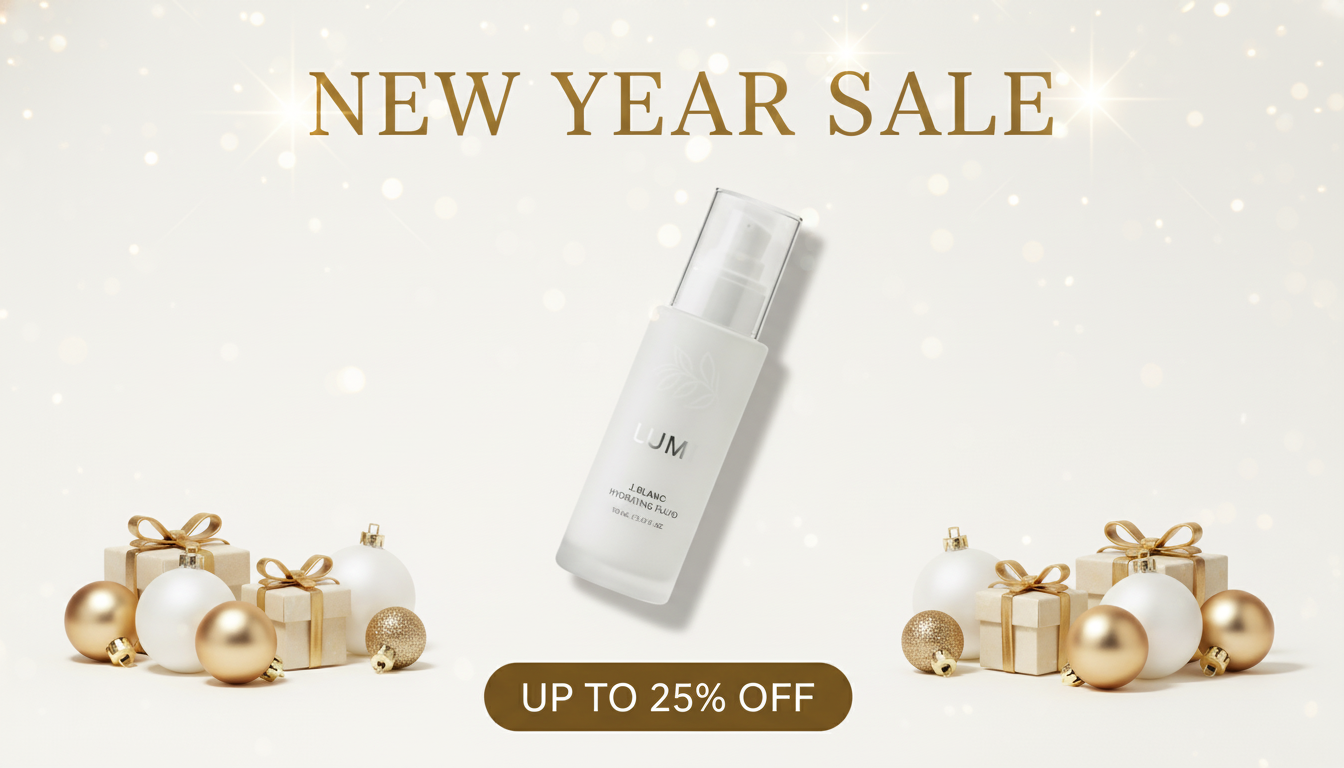
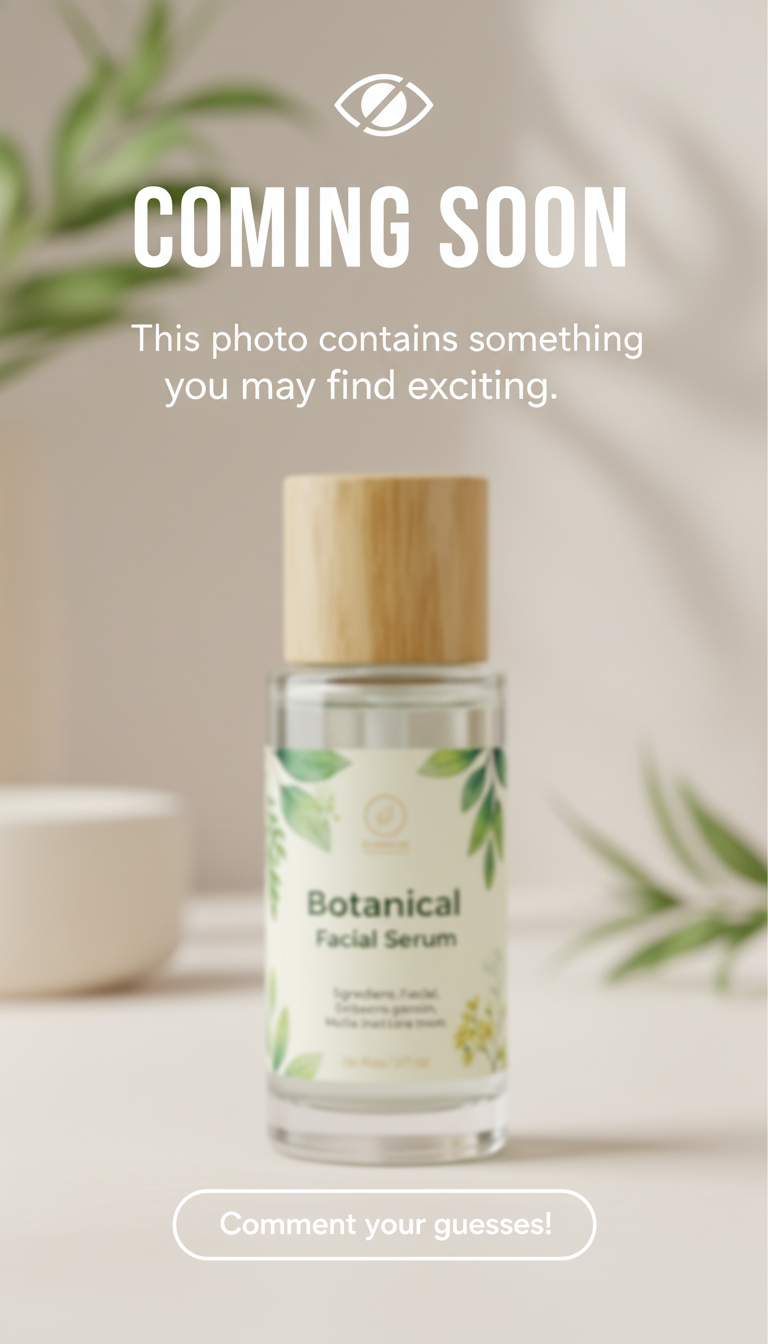
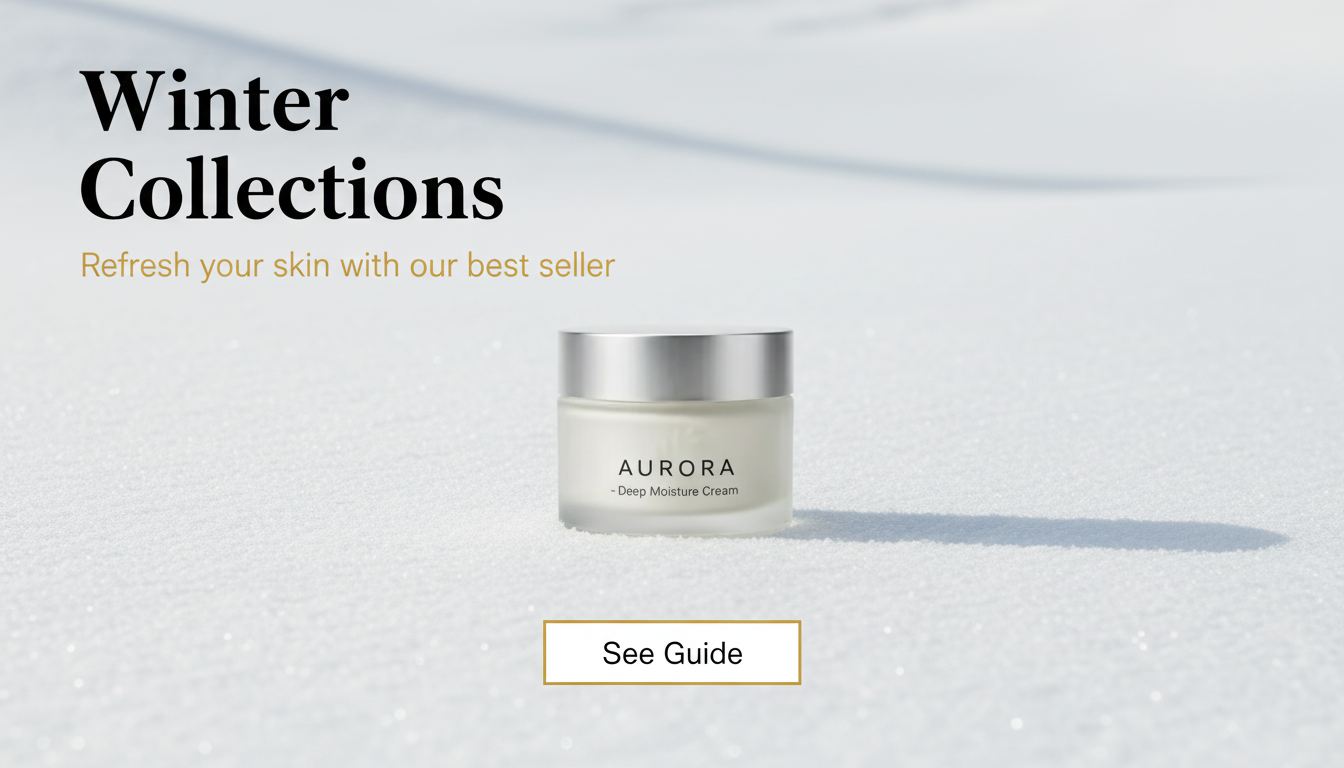
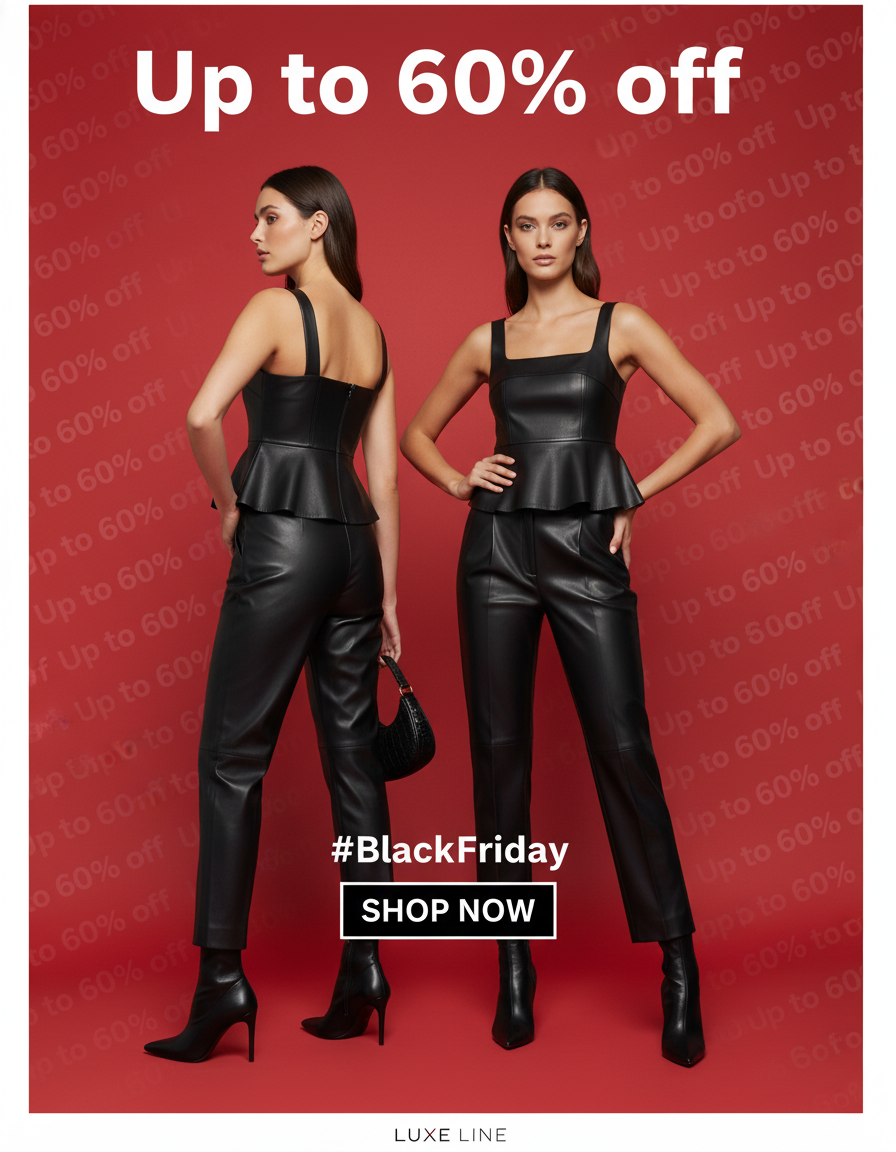
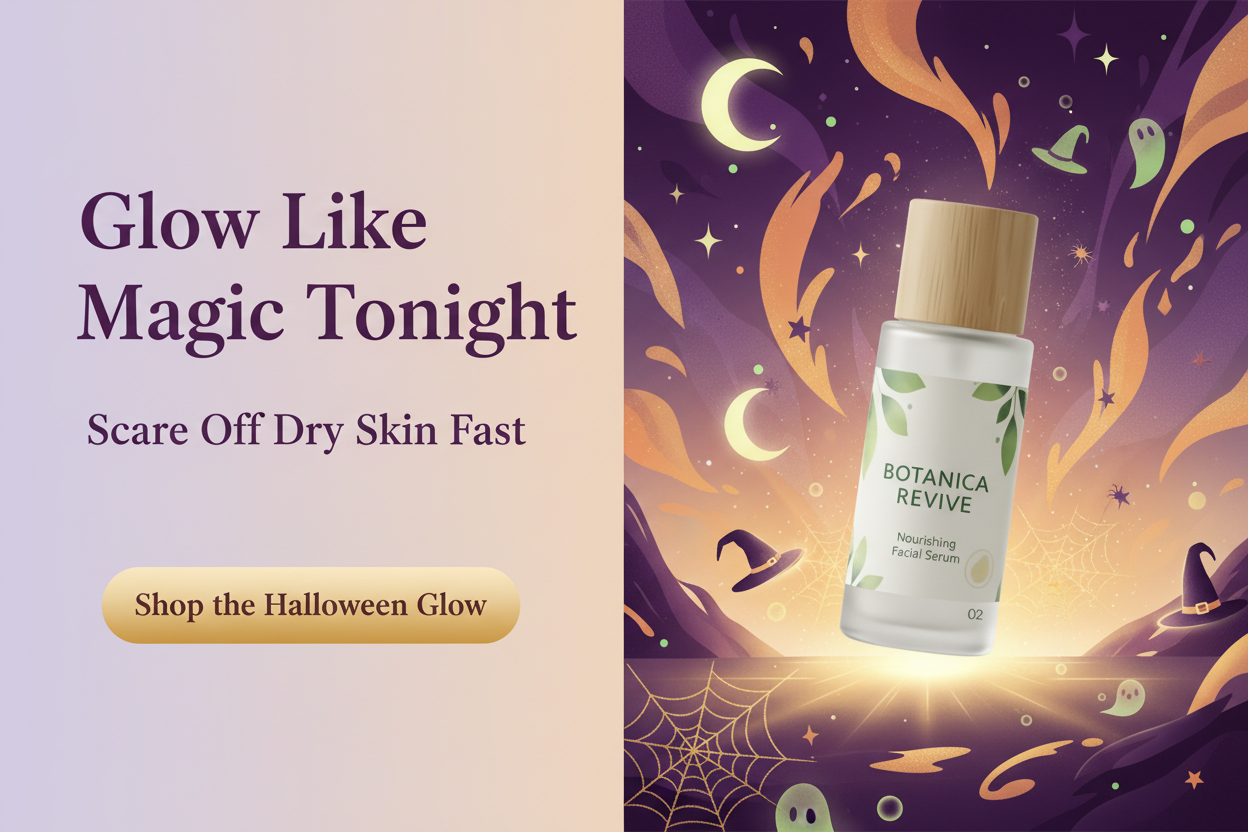
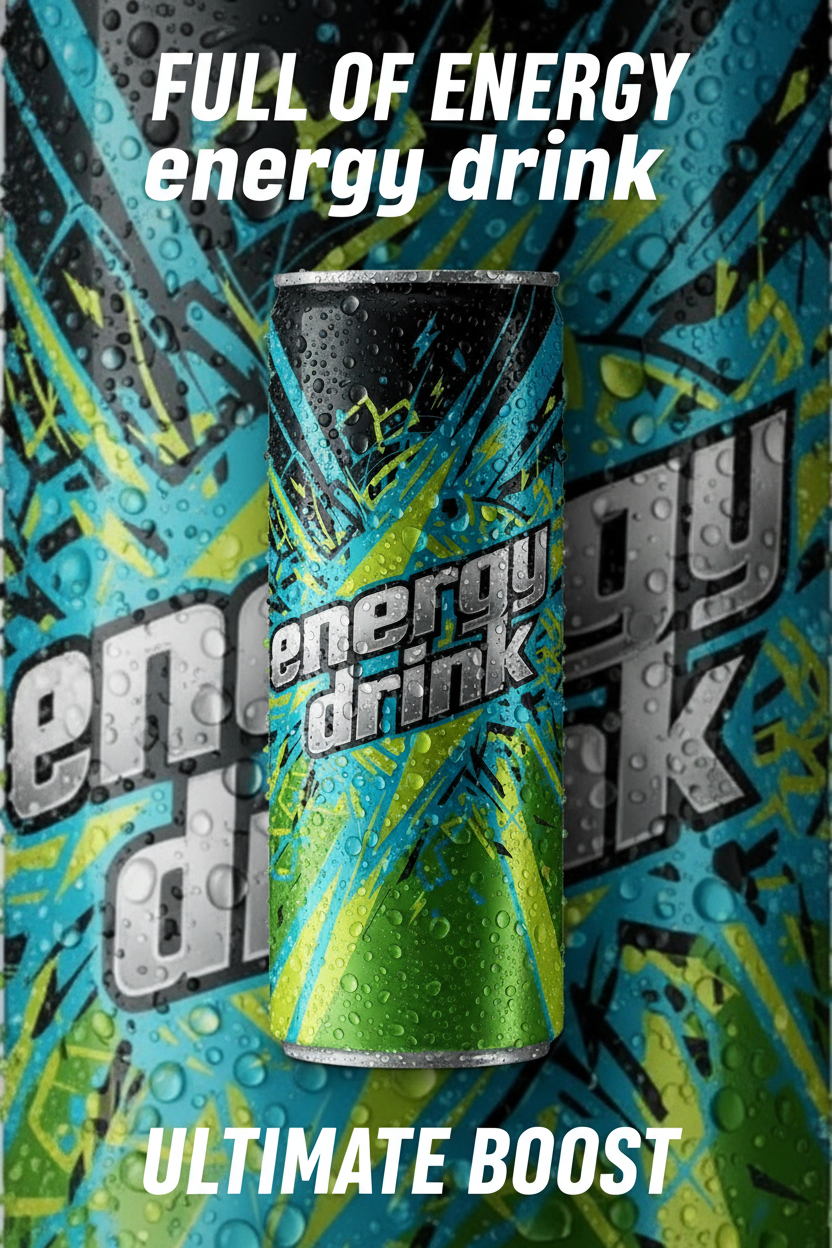
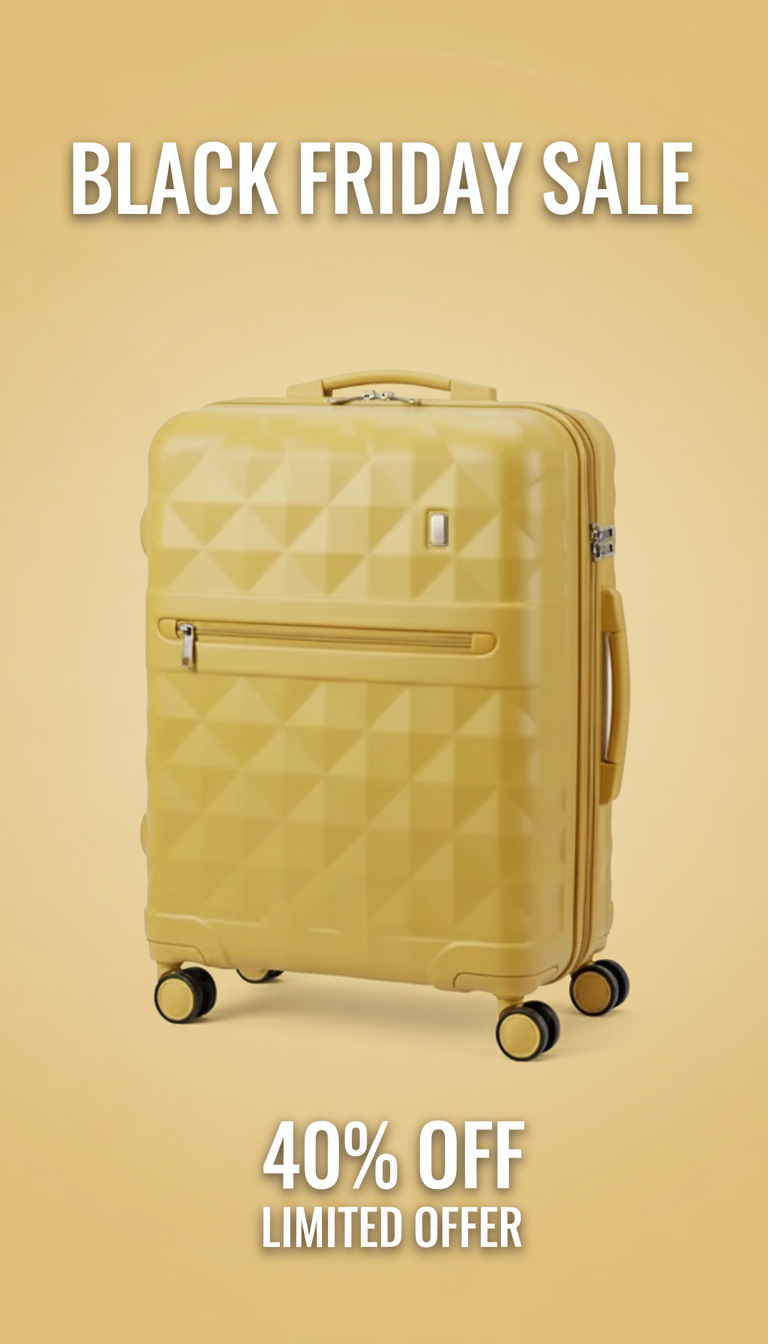
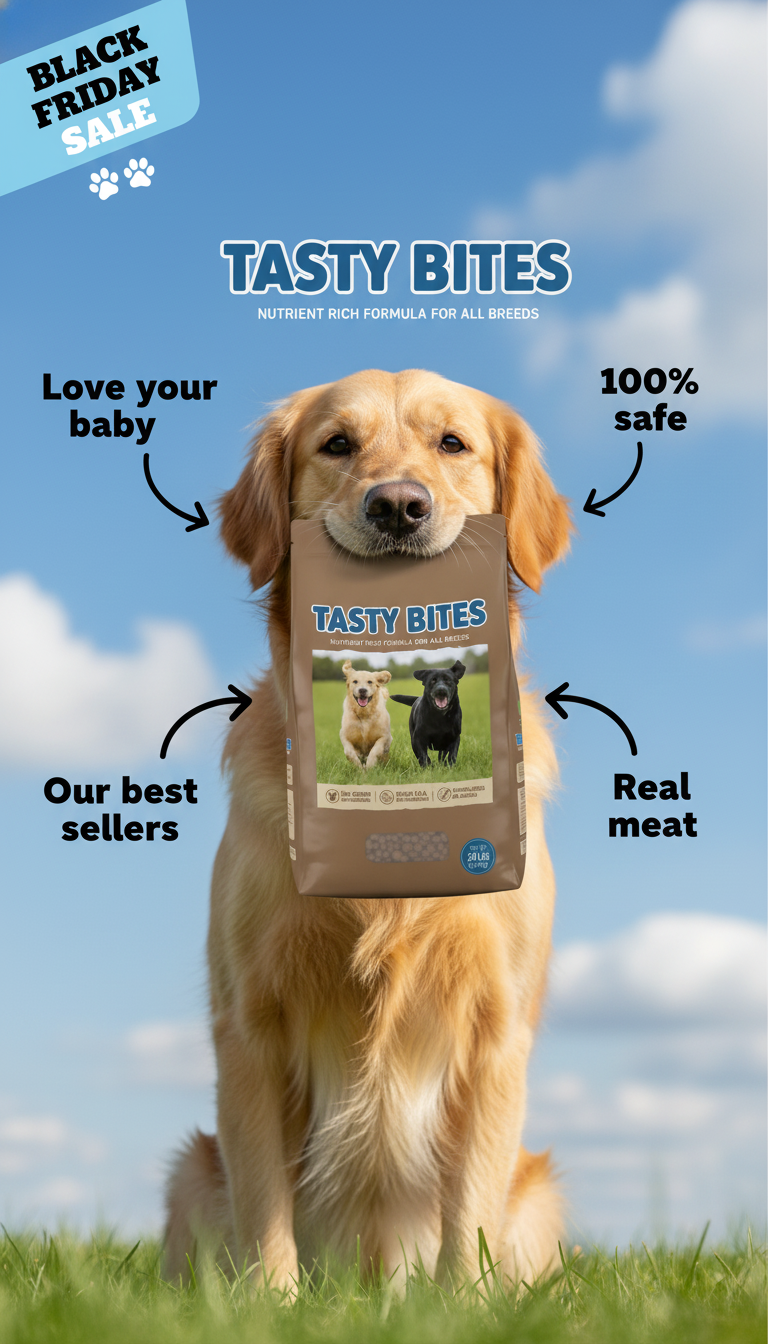
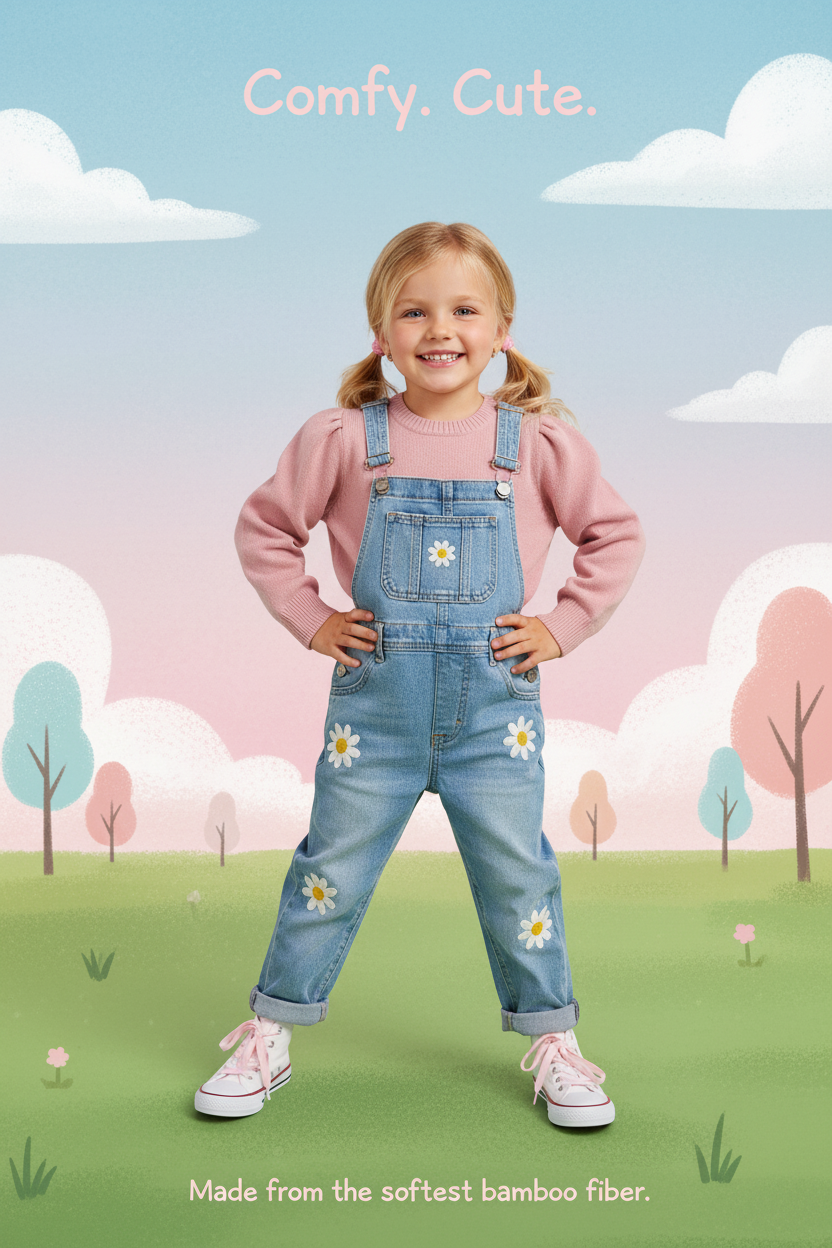
AI image ads made dropshipping easier for everyone. Anyone can now create luxury-looking product visuals without owning inventory or doing a photo shoot. With a single prompt, AI tools generate polished images that look branded, aesthetic, and expensive.
What used to take days now takes minutes. The cost to create ads dropped from hundreds of dollars to under $10. For creators using tools like VidAU, even static photos become motion-rich videos that outperform old-school carousels.
But this speed and affordability introduced new problems:
- False expectations due to flawless images
- Fake-looking products that can’t be delivered in real life
- Customer complaints and refund spikes
The tool is powerful, but misused by many. It sets a visual standard that most small sellers can’t match honestly.
What Makes AI Image Ads Unfair in Dropshipping?
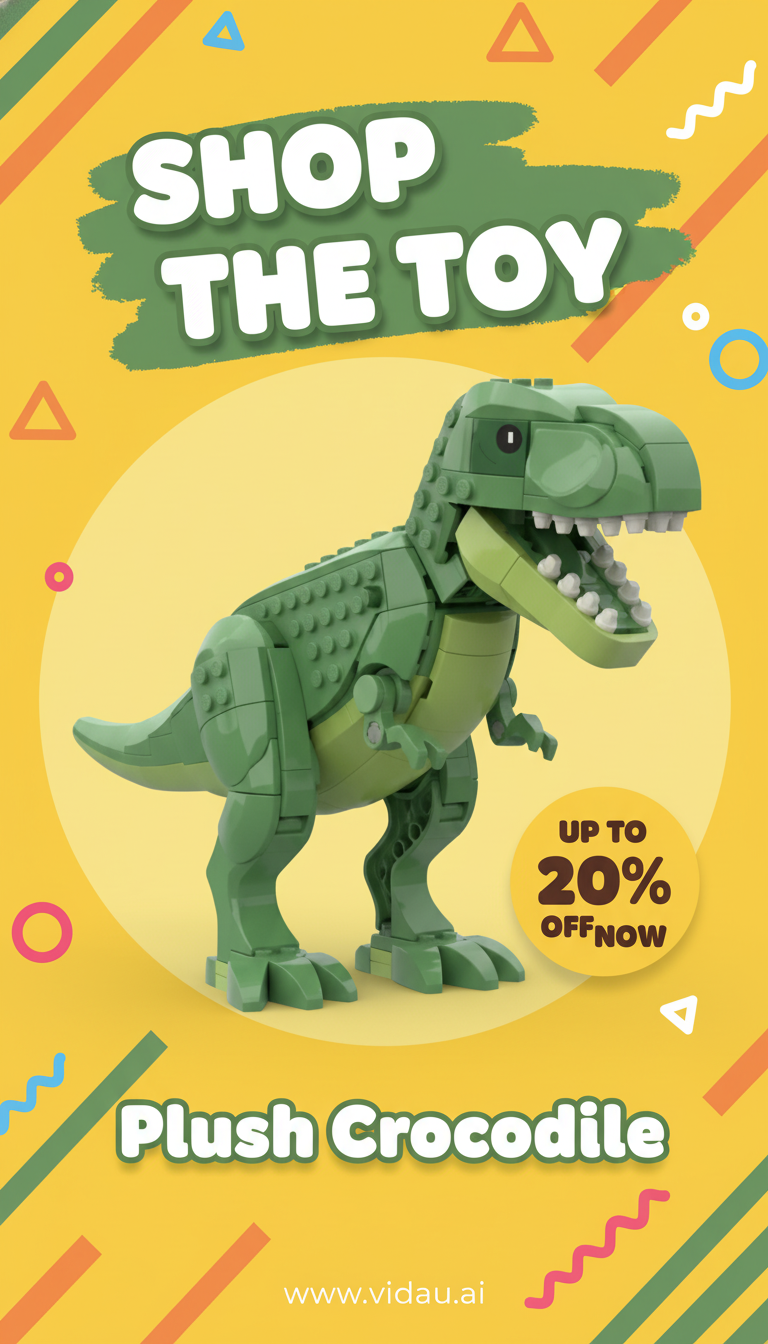
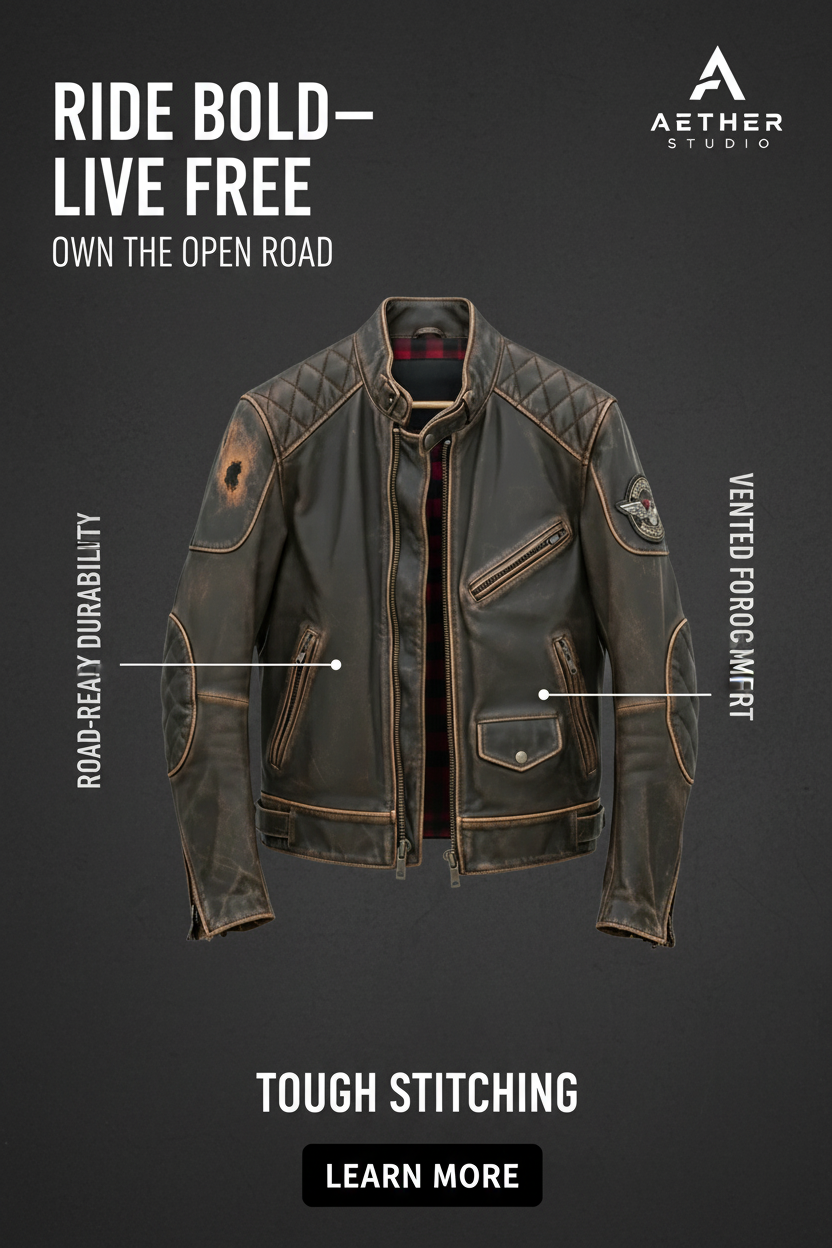
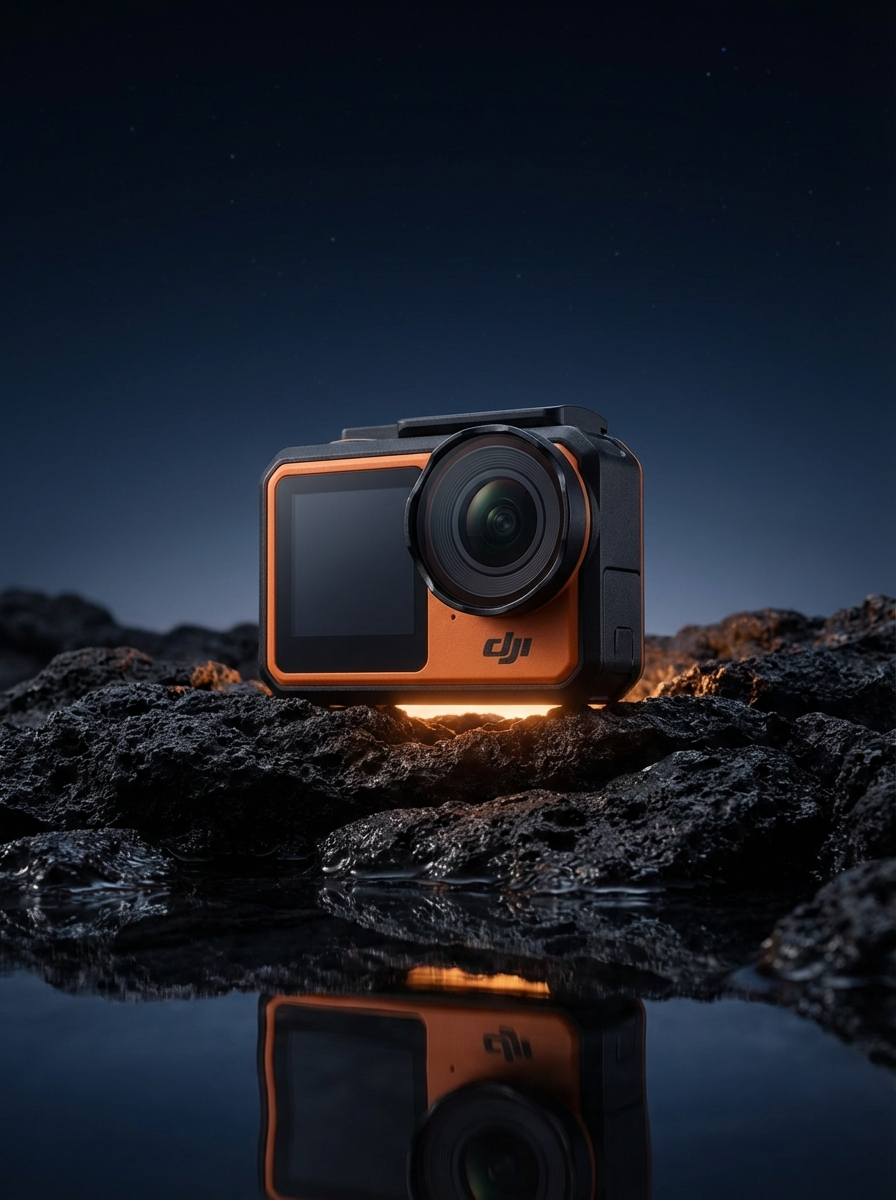
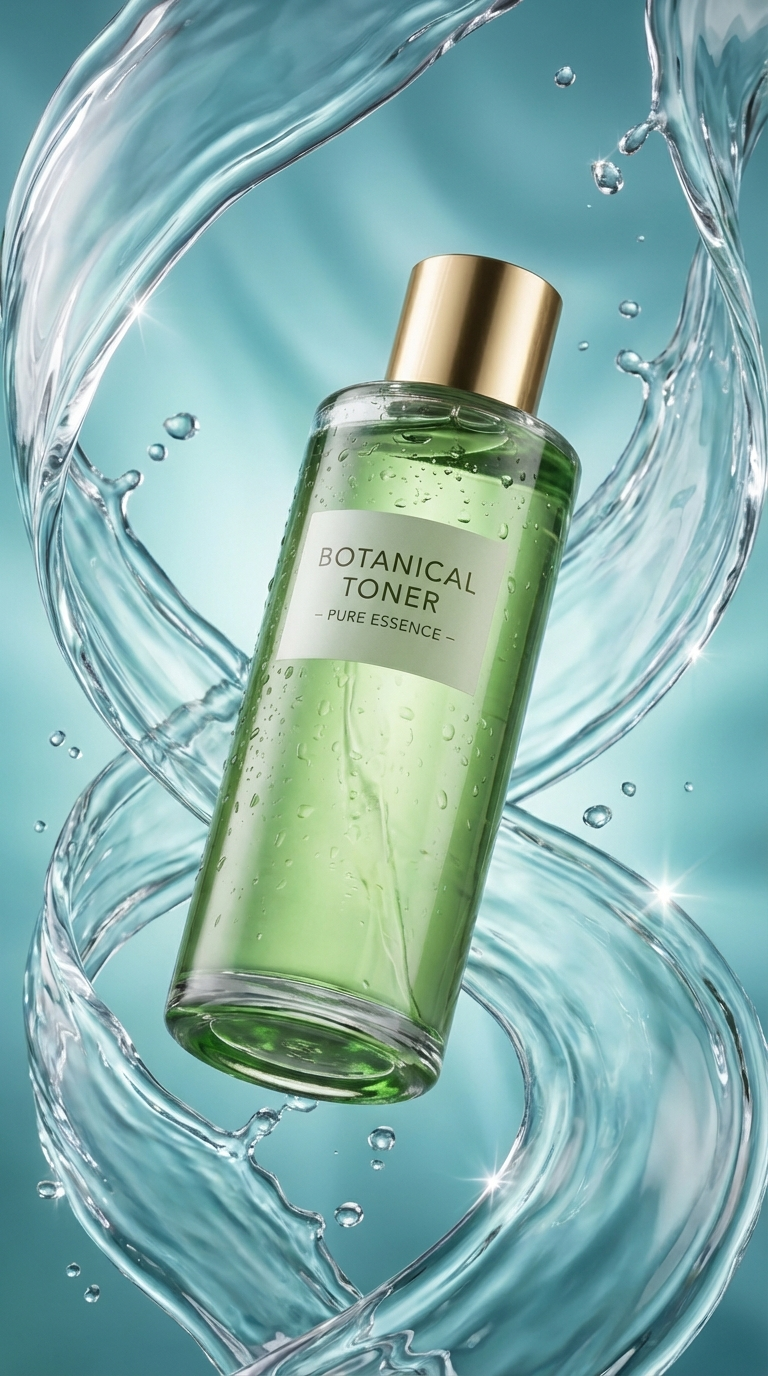
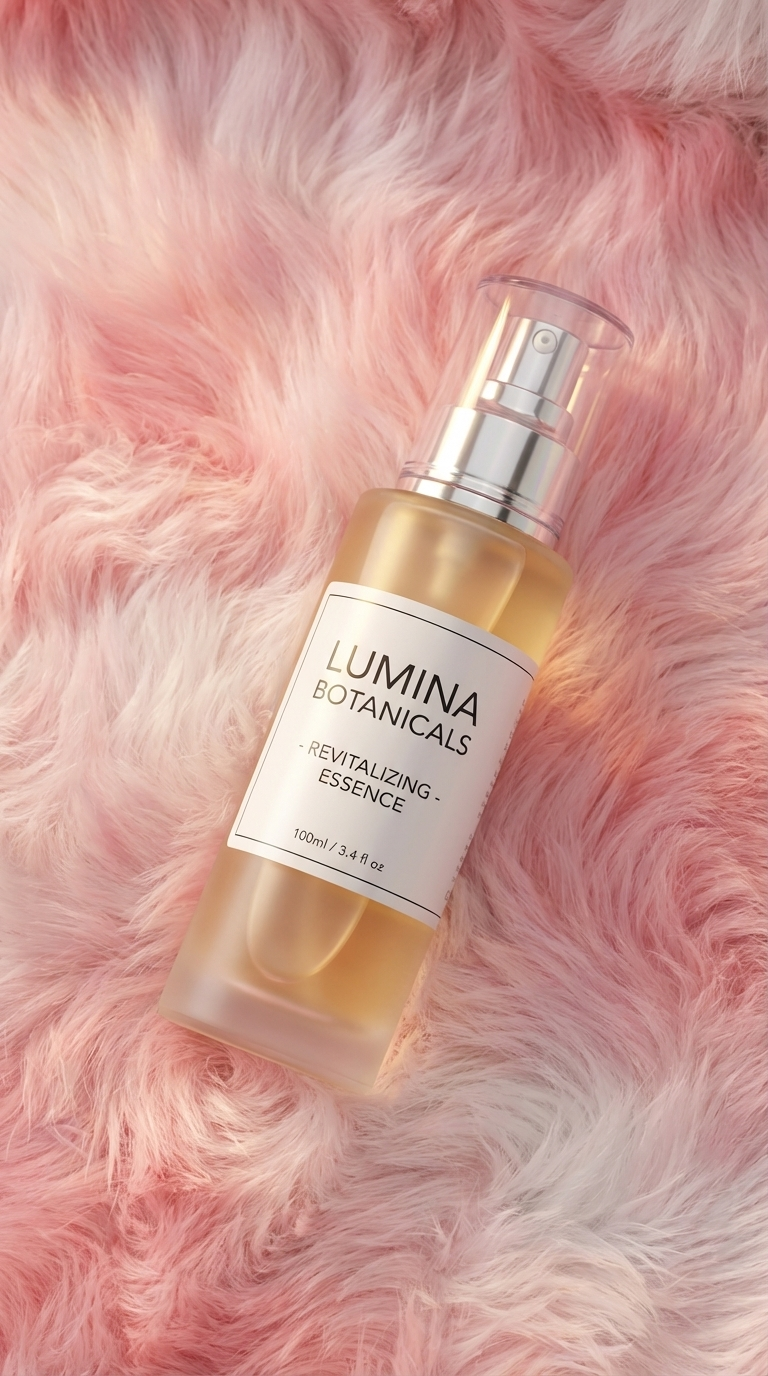
AI image ads are unfair because they set a visual standard that small sellers can’t match. These ads use artificial images that make products look flawless, smoother, brighter, and better than they really are. When buyers receive something different, complaints flood in.
Key problems caused by AI image ads:
- Unrealistic perfection that real products can’t deliver
- Inflated customer expectations
- High return and refund rates
- Negative reviews damaging store credibility
- New sellers losing to big-budget ad creators
This unfair system punishes transparency and rewards deception.
Key Differences Between AI Image Ads and Real Product Ads
Below is a table that explains what sets these two ad types apart.
| Feature | Real Product Ads | AI Image Ads |
| Look and Feel | Natural, sometimes flawed | Polished, perfect |
| Time to Create | 2–7 days | 10–20 minutes |
| Cost to Produce | $100–$300 | $0–$10 (VidAU) |
| Customer Satisfaction | Higher | Lower |
| Return Rate | Lower | Higher |
| Algorithm Preference | Lower engagement | High engagement |
Why AI Image Ads Are Creating an Unfair Playing Field in Dropshipping
AI image ads make dropshipping feel dishonest. These ads show products that look perfect, but the real items often fall short. This creates disappointment, which drives refunds, complaints, and bad reviews.
Here are key problems caused by AI image ads:
- Products look unrealistically smooth and luxurious
- Customers expect quality that sellers can’t deliver
- Refunds and disputes increase with unrealistic ads
- Platforms flag stores with high return rates
These consequences make it harder for honest dropshippers to survive today.
Why Do Ecom Ads Using AI Images Go Viral So Easily Now?

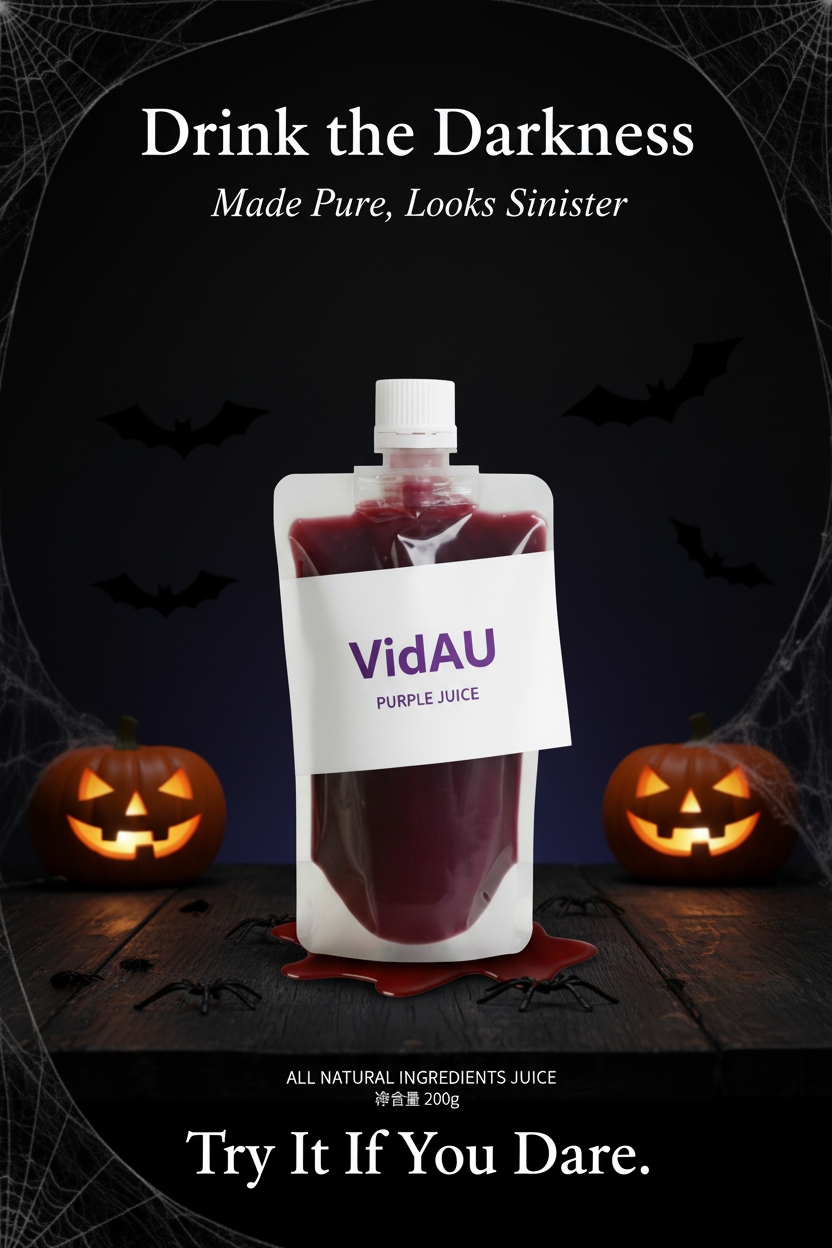
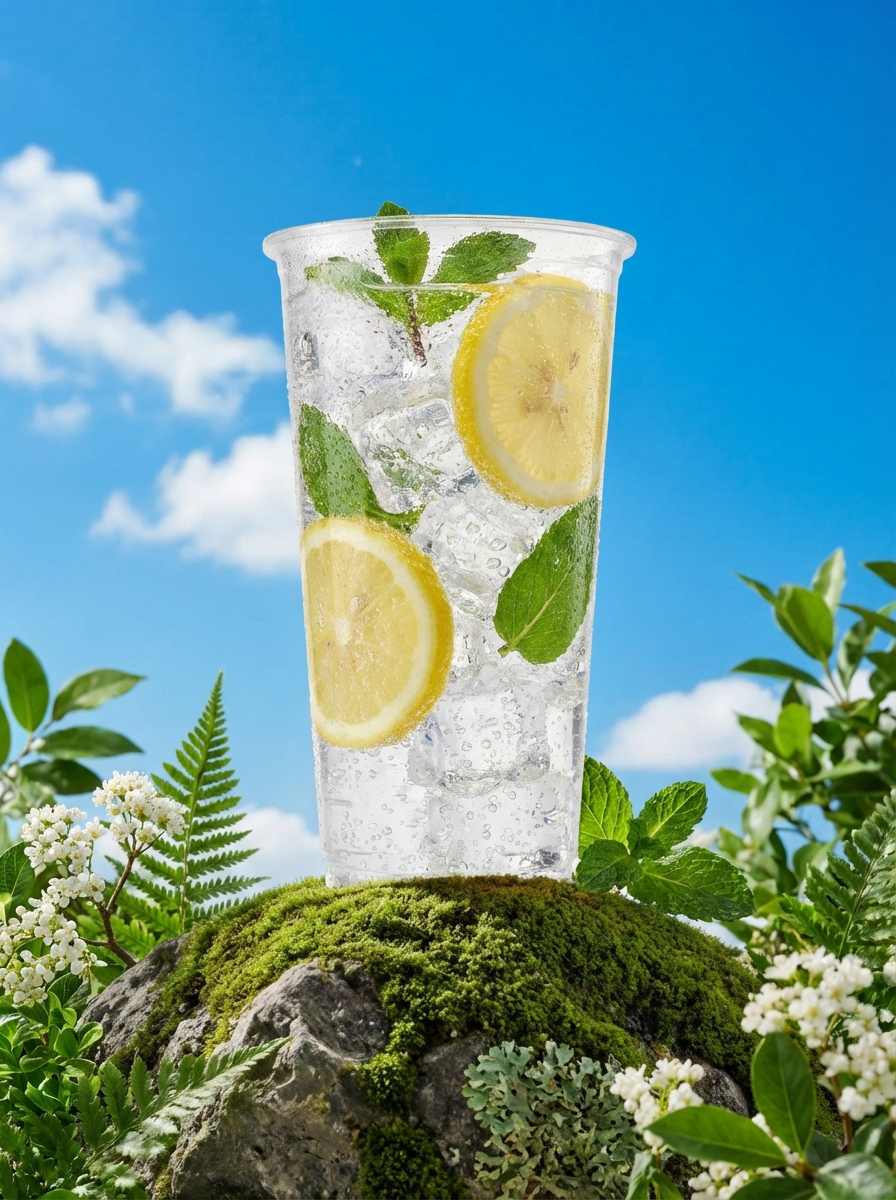
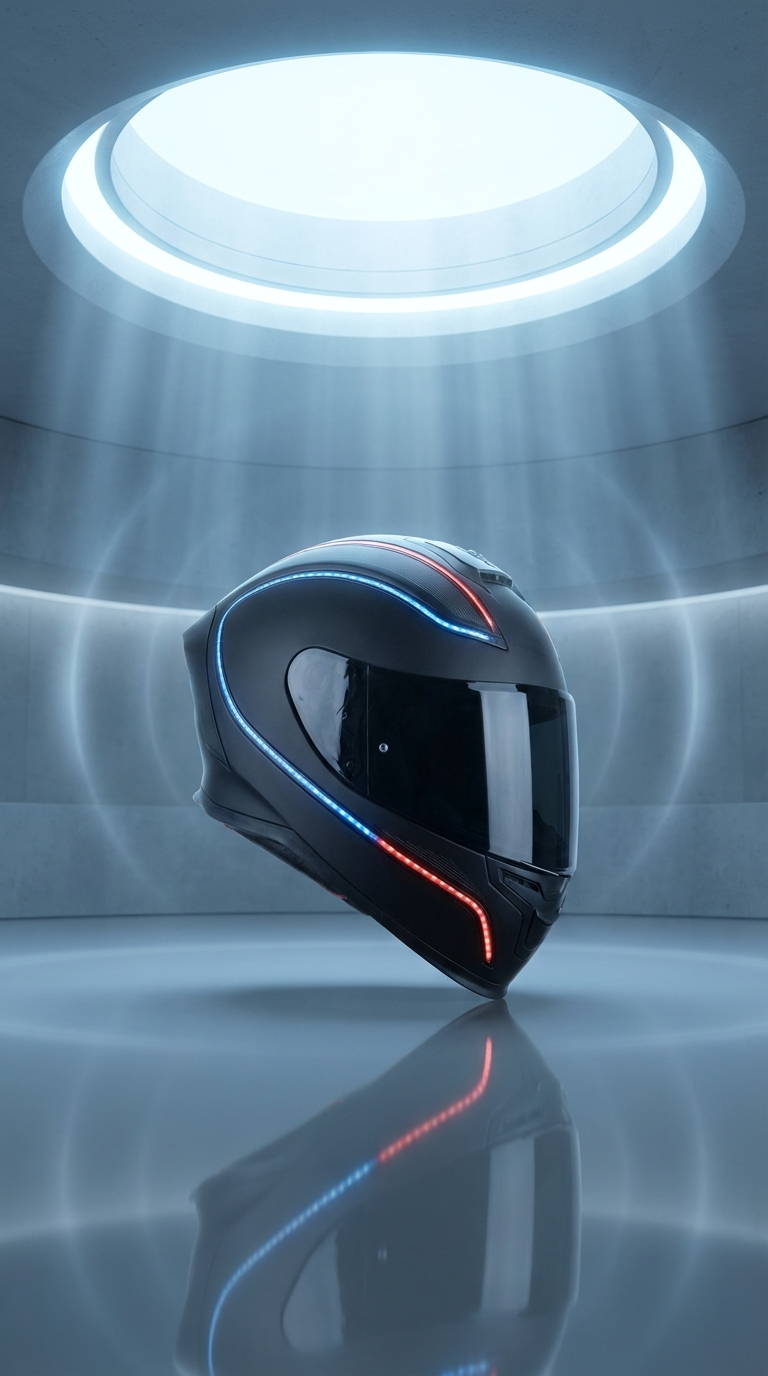
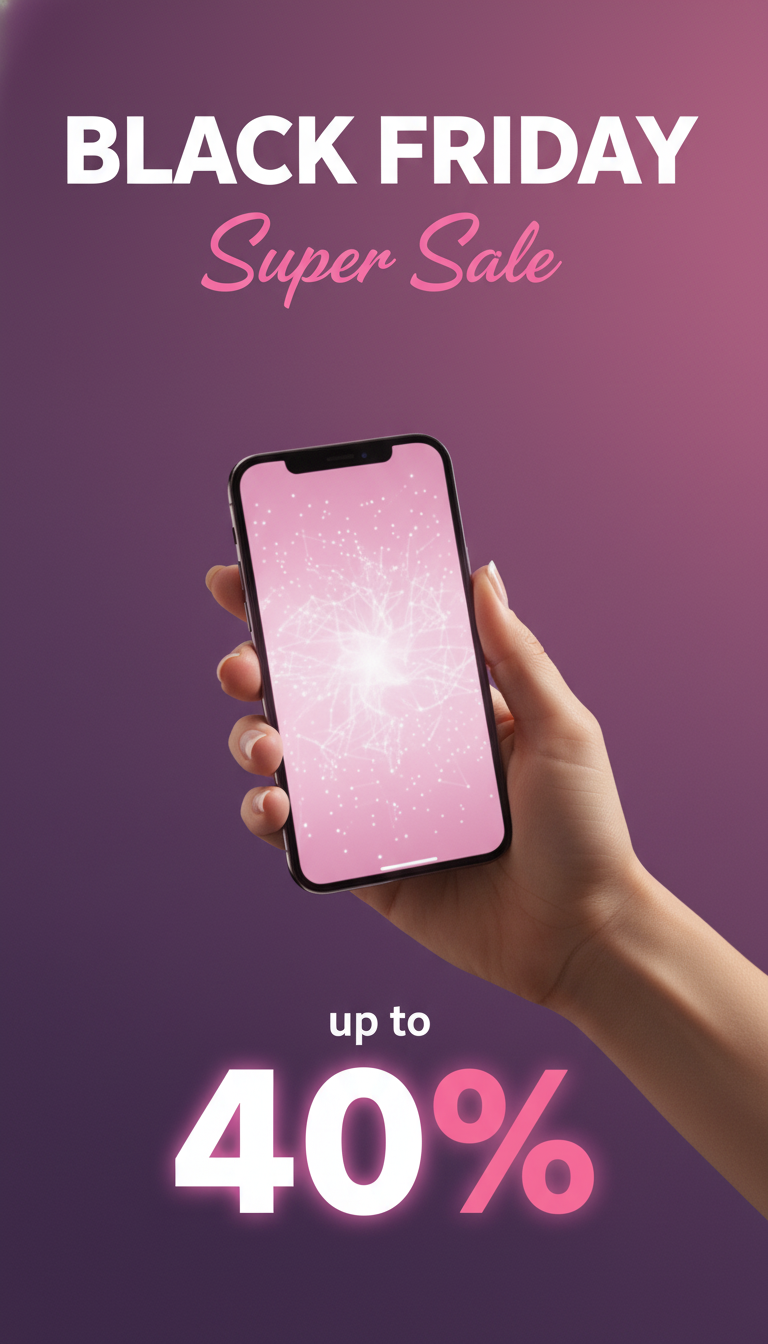
AI image ads go viral because they create visual perfection. They mimic high-end lifestyle photography that grabs attention within seconds. Sellers use these visuals on TikTok, Instagram, and Shopify product pages to make their products look better than reality.
The problem is that they don’t represent the real product. These ads are often AI-generated from prompts, not photography. They bypass lighting, shipping, and handling imperfections. Shoppers engage fast but end up disappointed. This visual bait-and-switch is turning viral ecom ads into buyer traps.
What Makes These AI Image Ads So Addictive to Use?
- They require no physical product or shoot setup
- You control lighting, skin tone, fabric texture and background
- You produce dozens of variations in hours
This gives the illusion of branding mastery, but the result is often a misleading customer journey.
Why Are AI Product Photos Getting So Much Attention on TikTok and Shopify?
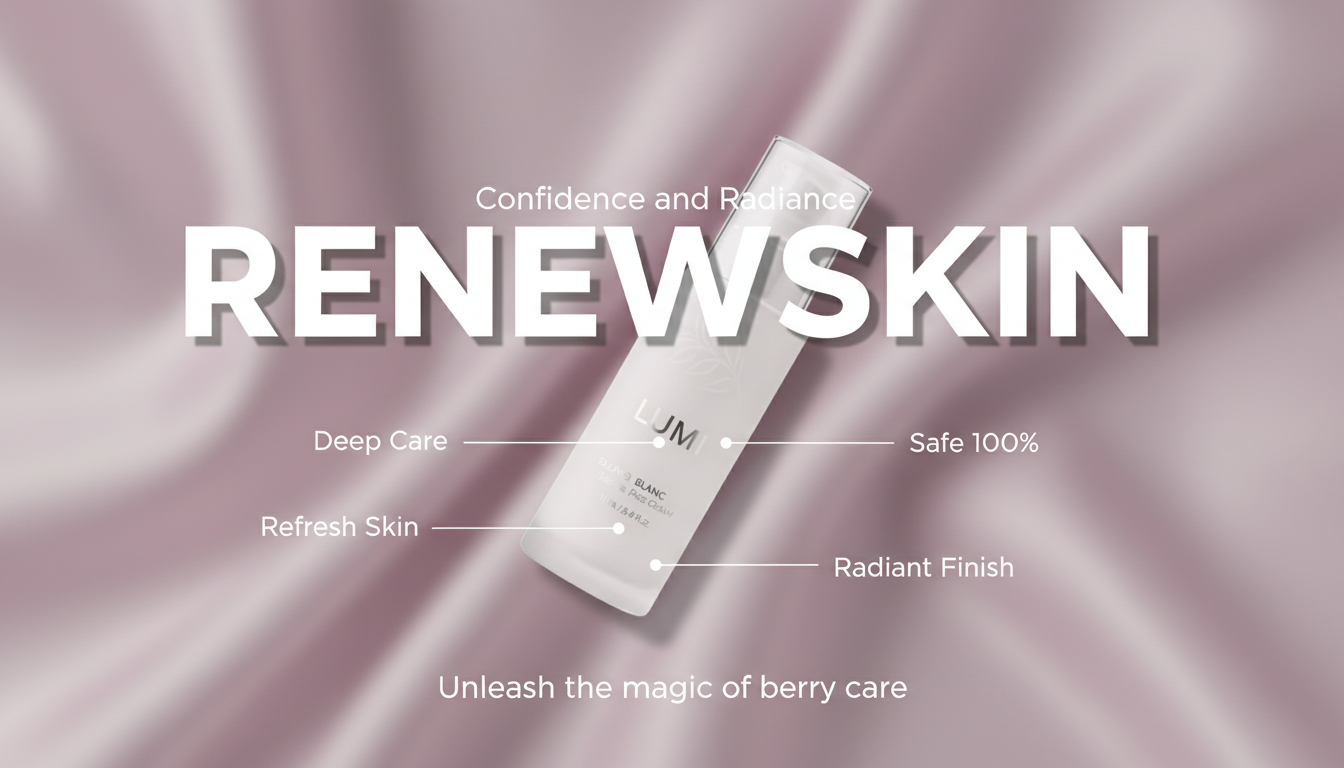
AI-generated product photos are getting massive engagement because they look perfect. These ads show clean, symmetrical, color-balanced visuals that real product photos rarely match. Brands on TikTok and Shopify use them because they perform well at first glance and are fast to produce.
However, this trend also distorts buyer perception. Many AI image ads used in dropshipping show non-existent items or unrealistic textures, lighting and shapes. This creates a false sense of product quality. Sellers who rely heavily on AI image ads often fail to meet the actual expectations of customers.
Some users on TikTok now compare real orders to the AI ads they saw. These comparisons go viral quickly, exposing the product and damaging the brand.
Can Small Dropshippers Compete With Viral AI Image Ads?
Not fairly. Viral AI image ads give large dropshipping stores an unfair advantage. These stores have design teams, prompt libraries, and custom models to generate hundreds of ad creatives per week. New sellers can’t keep up with the speed and polish.
This imbalance is worse when ads go viral. Customers assume all sellers must meet that same visual standard. Without access to similar tools or editing knowledge, new dropshippers often get ignored.
How Does This Impact Ad Spend and Performance?
If your visuals don’t match the AI-driven trends, your click-through rate (CTR) drops. As a result, you spend more to get traffic. In contrast, AI image ads inflate engagement but lead to high bounce rates or return rates after delivery.
AI image ads appear cheap and scalable. But the cost shows up in returns, refunds and complaints. Misleading visuals might get you conversions but damage your LTV (lifetime value) in the long run.
Should You Still Use AI for Ads?
You should use AI for ads responsibly. AI visuals work best when they support real content, not when they replace reality. A hybrid approach, where AI enhances real product visuals instead of faking them, leads to better results. This approach builds trust, improves conversions, and reduces customer complaints.
Video stands out as the strongest alternative to AI-only ads. Short-form video adds transparency and credibility because buyers see real movement, real angles, and real product handling. With VidAU, you turn real product images into high-performing videos that hold attention longer and drive stronger click-through rates. This keeps your ads competitive without misleading customers.
How VidAU Solves the AI Ad Gap for Dropshippers

VidAU offers fast video creation from real product photos or UGC ads. This keeps your content real while improving ad quality. Instead of deceiving buyers, you engage them with visuals that look dynamic, personalized and trustworthy.
With VidAU, You create content that sets real expectations. You reduce refund rates and bad reviews. You stand out with motion-driven storytelling. And you scale faster with ads that look real, not AI-faked. This removes the learning curve and saves time, helping you compete with sellers using fake AI images.
CONCLUSION
Right now, AI image ads dominate feeds, but at a cost. They distort customer expectations, hurt new sellers, and increase refund rates. Instead of joining the race to create fake-perfect visuals, you need to build trust with honest, consistent video ads.
VidAU helps you do exactly that. It gives you high-performing video content that reflects your real products. If you want to stay competitive, boost conversions, and protect your store from buyer backlash, ditch static AI image ads and focus on engaging video instead.
FREQUENTLY ASKED QUESTIONS
- What are AI image ads in dropshipping?
AI image ads are visuals generated using artificial intelligence tools to showcase products. They’re often used to make products look more appealing than they are. - Why are AI image ads bad for new dropshippers?
They create unfair competition. Established stores use AI-generated visuals that small sellers can’t match, making it hard to compete fairly. - Do AI image ads increase returns and refunds?
Yes. Misleading visuals often lead to buyer disappointment, which triggers higher refund and complaint rates. - How can I reduce refund rates in dropshipping ads?
Use real visuals or video ads that reflect the true product. VidAU helps you create honest content with better performance. - What’s the best way to stand out in 2026 dropshipping?
Use short-form product videos created with tools like VidAU. They offer higher engagement, trust and conversion rates.