





AI Product Photography Without a Studio
Introduction: Generate Pro Product Photos With Zero Photography Equipment

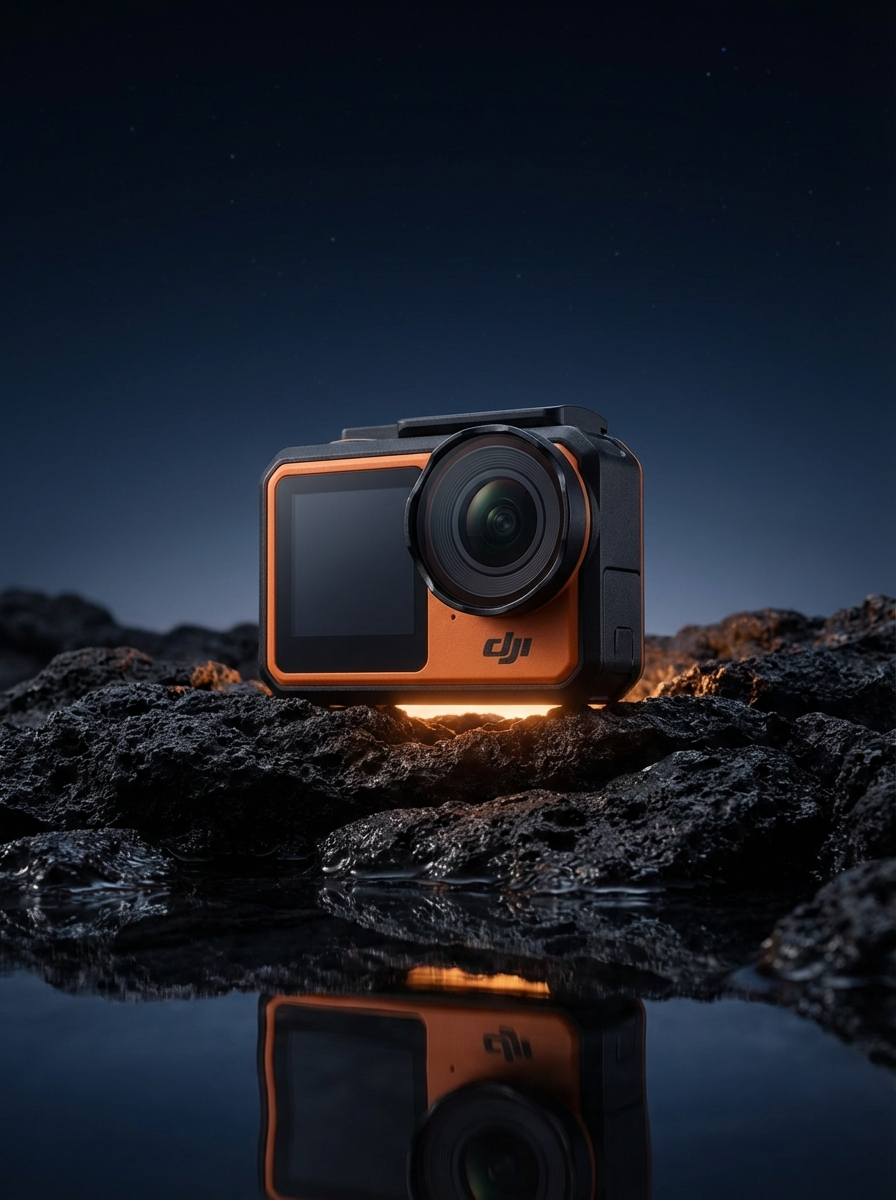
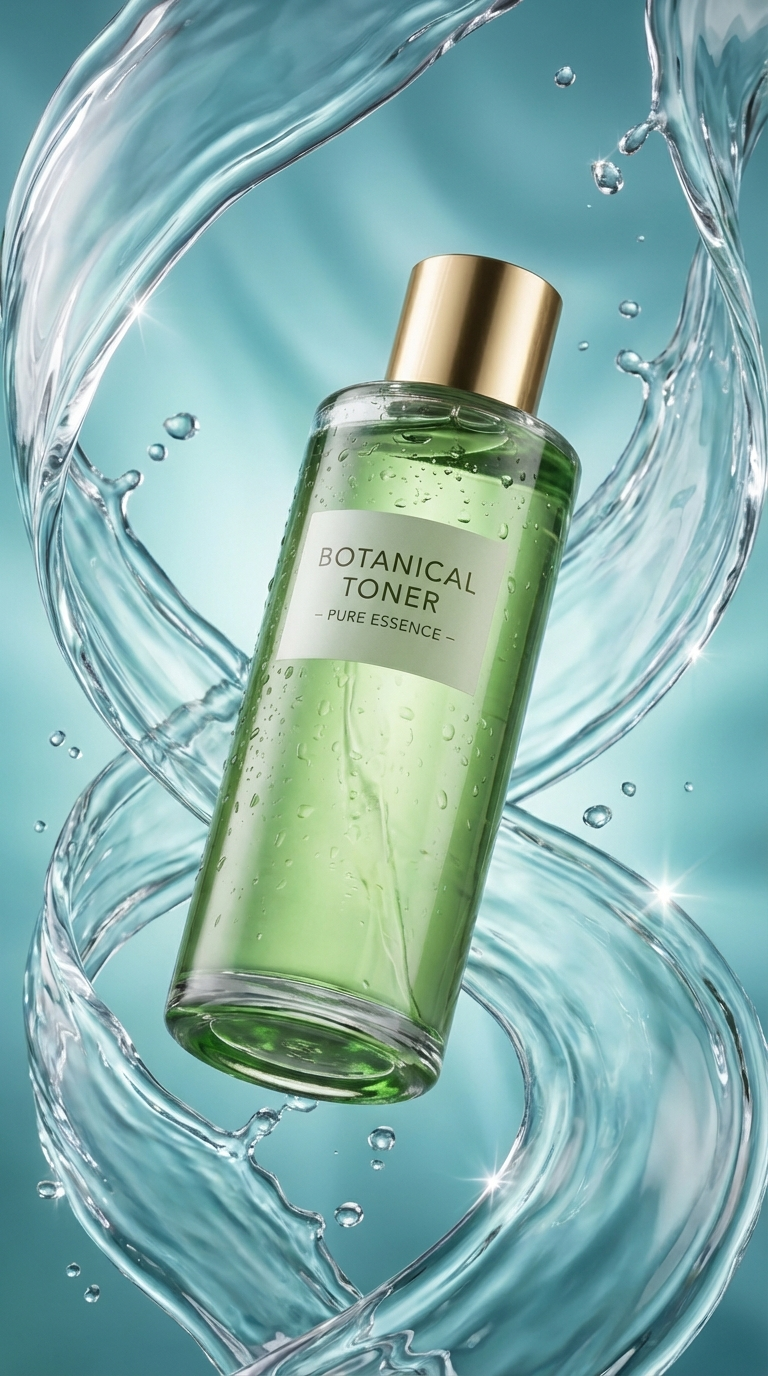
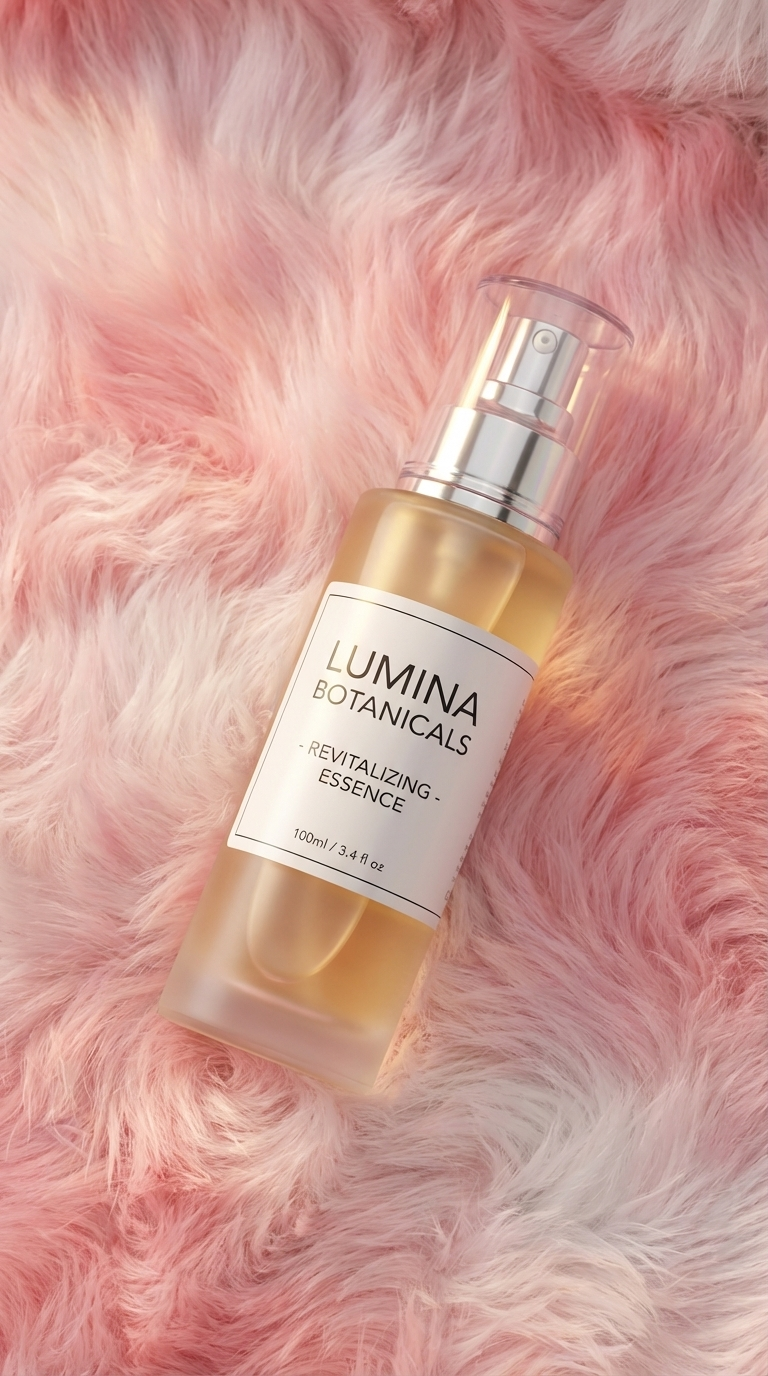
Professional product photography has long been a gatekeeper for small brands. Studio lighting, camera bodies, lenses, and editing software quickly push costs beyond reach. AI product photography changes that equation. With free AI design agents, you can generate clean, commercial-ready product images without owning a camera or renting a studio.
This guide shows how e-commerce sellers and small business owners can use AI photography tools to create consistent, high-quality product visuals. You will learn which free tools work best, how to write effective prompts, and how to apply the results across stores, ads, and social media.
Problem: Why Traditional Product Photography Blocks Small Businesses
Product photography affects conversion rates, trust, and brand perception. However, traditional workflows create three major barriers:
First, cost. A basic studio setup often exceeds several thousand dollars. Hiring a professional photographer adds ongoing expenses for each product update.
Second, time. Coordinating shoots, revisions, and post-production slows product launches. Seasonal updates become expensive delays.
Third, scalability. As catalogs grow, maintaining consistent lighting, angles, and styling becomes difficult without a dedicated team.
For small businesses, these barriers limit growth. AI photography removes them by turning text prompts into polished visuals in minutes.
Angle: Free AI Design Agents That Replace Studio Setups
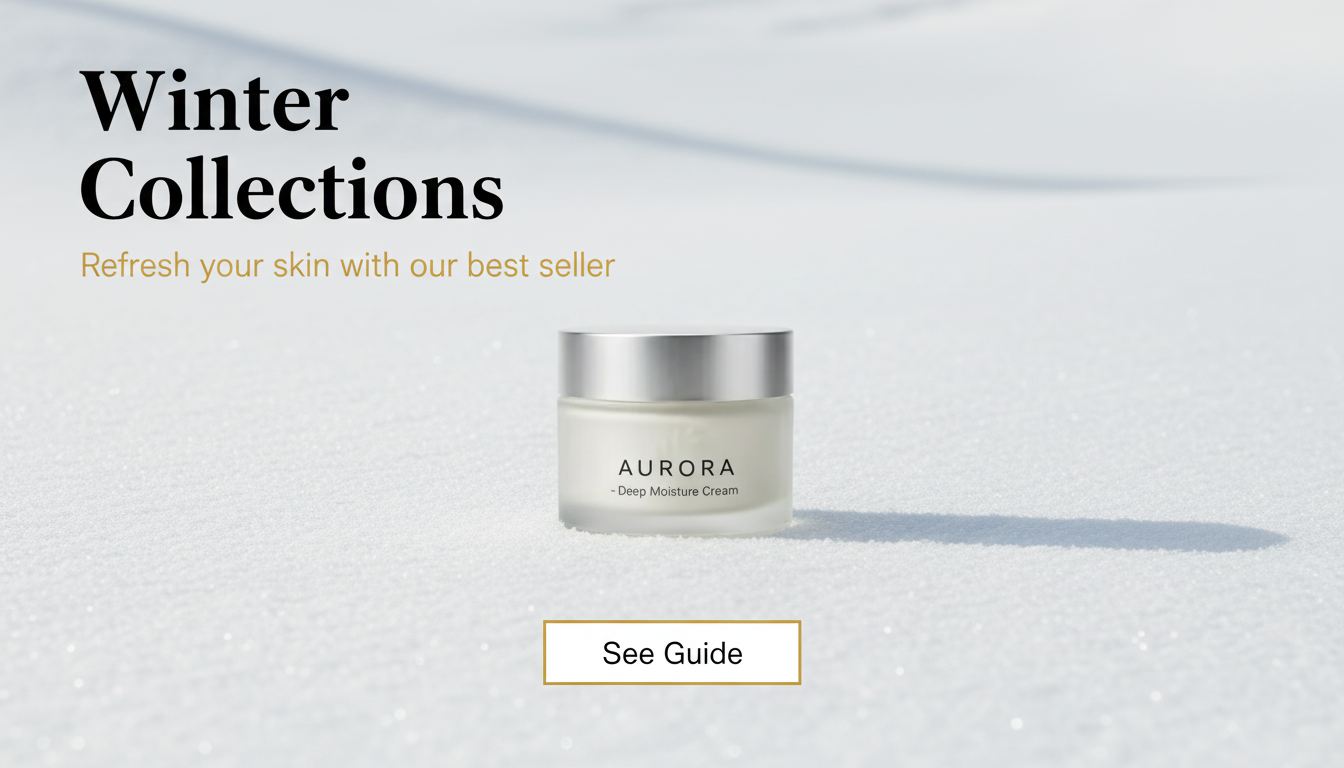
AI design agents use trained image models to simulate lighting, materials, reflections, and environments. Instead of capturing a physical object, you describe it.
Modern AI tools can:
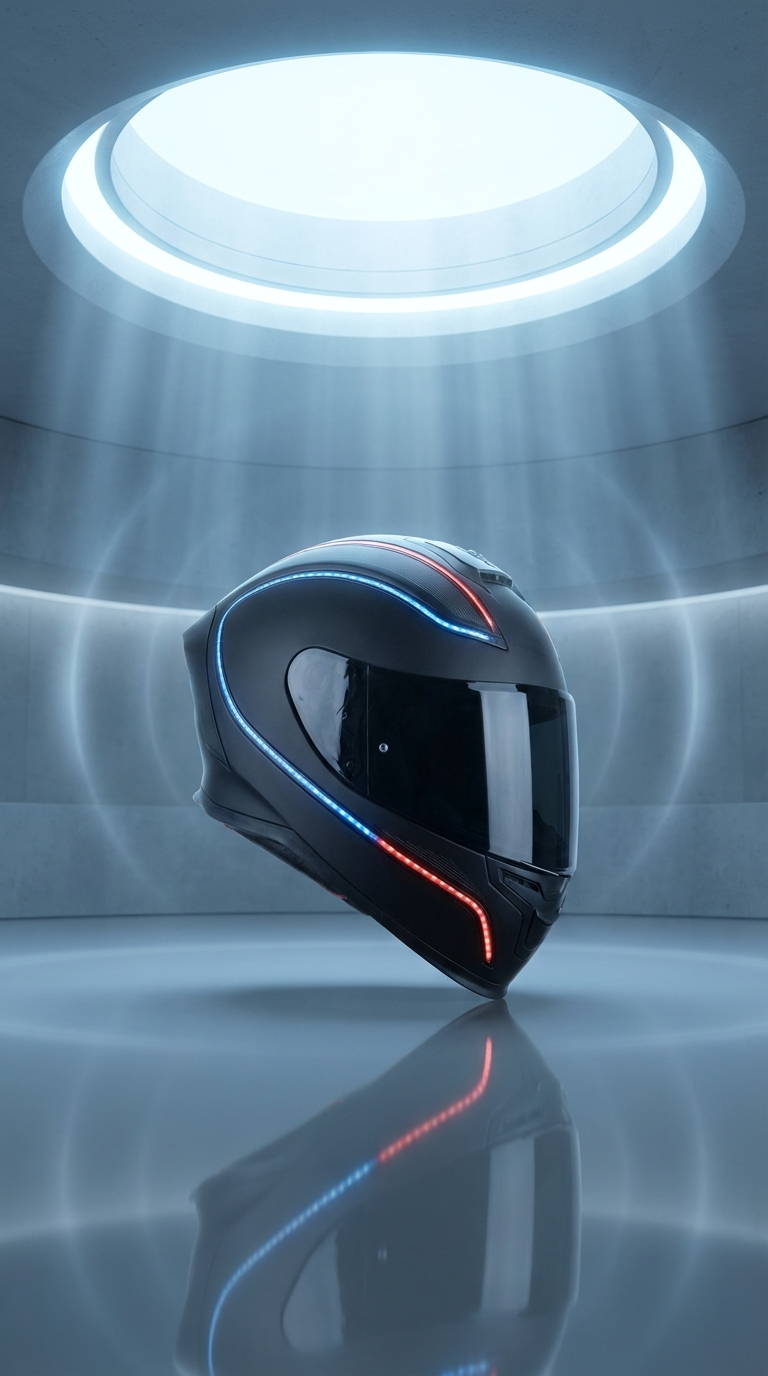
– Generate realistic shadows and reflections
– Match brand color palettes
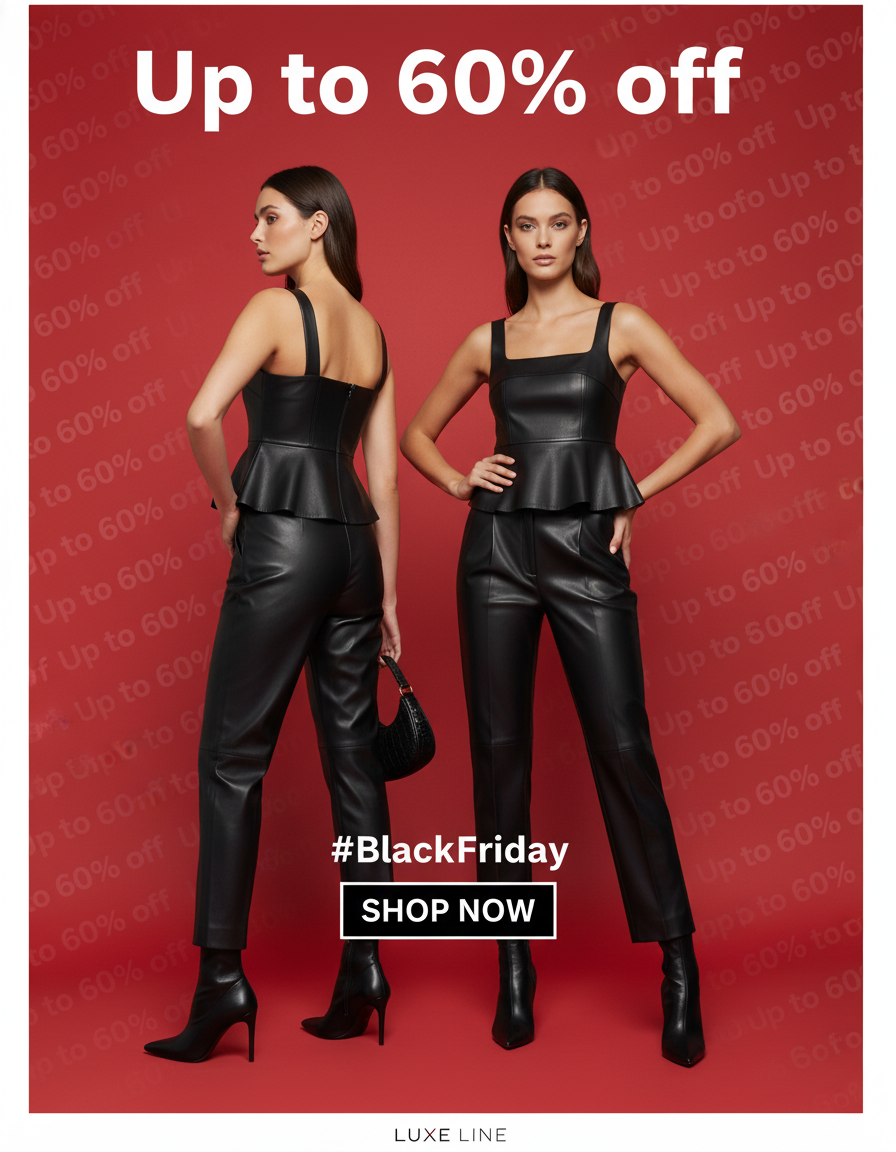
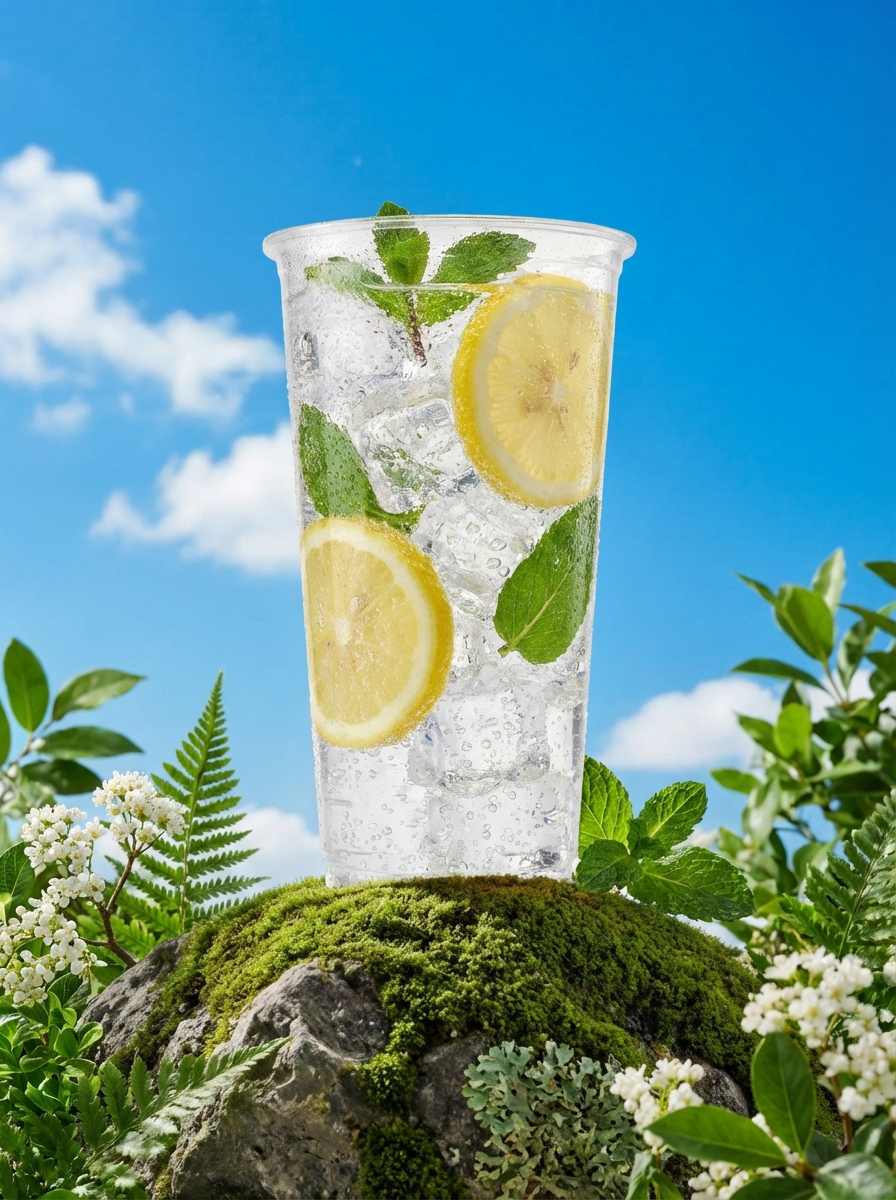
– Place products in lifestyle or studio-style scenes
– Maintain visual consistency across multiple images
Most importantly, many platforms offer free tiers that are powerful enough for small businesses. This makes AI photography a practical alternative, not an experimental one.
Step-by-Step: Creating AI Product Photos From Scratch
Step 1: Define Your Product Visually
Start with a clear description. Include:
– Product type and category
– Material and texture
– Color and finish
– Shape and size cues
Example:
“Minimalist ceramic coffee mug, matte white finish, cylindrical shape, smooth surface.”
Clear inputs reduce AI guesswork.
Step 2: Choose the Scene Type
Decide how the product should appear:
– Clean studio background
– Lifestyle setting
– Flat lay
– Close-up detail shot
Example:
“Studio product photo on a neutral gray background with soft diffused lighting.”
Step 3: Add Lighting and Camera Instructions
Lighting defines realism. Use terms like:
– Softbox lighting
– Natural window light
– High-key or low-key
Camera cues improve composition:
– 50mm lens look
– Shallow depth of field
– Centered composition
Step 4: Generate Variations
Run multiple prompts with small changes. Adjust background colors, angles, or lighting strength. Save the best-performing versions.
Step 5: Resize and Export
Export images in formats optimized for:
– E-commerce platforms
– Social media
– Presentations
Most tools allow cropping and resizing inside the platform.
Tool Comparison: Free AI Design Agents for Product Photography

Canva AI Image Generator
Best for beginners and social media use.
Strengths:
– Simple interface
– Built-in templates
– Easy resizing
Limitations:
– Less control over photorealism
Adobe Firefly (Free Tier)
Best for brand-safe, commercial images.
Strengths:
– Clean lighting
– Strong material rendering
– Integration with Adobe tools
Limitations:
– Monthly generation limits
Bing Image Creator
Best for fast experimentation.
Strengths:
– Free access
– Strong realism for studio scenes
Limitations:
– Limited editing controls
Leonardo AI (Free Tier)
Best for advanced prompt control.
Strengths:
– Fine-tuned styles
– Consistent outputs
Limitations:
– Learning curve
For most small businesses, Canva or Bing works well for speed, while Firefly or Leonardo suits branding consistency.
Product Photography Prompt Engineering
Prompt engineering determines output quality. Follow this structure:
1. Subject: What the product is
2. Material and texture
3. Scene and background
4. Lighting style
5. Camera and realism cues
Example prompt:
“High-resolution studio product photo of a stainless steel water bottle with a brushed metal finish. Neutral beige background, soft diffused lighting, subtle shadow beneath the product, professional e-commerce photography style.”
Avoid vague terms like “nice” or “cool.” Use visual language instead.
Practical Examples for E-Commerce and Marketing
Example 1: Shopify Product Page
Generate:
– Main hero image
– Two angled views
– One lifestyle image
Maintain the same prompt structure for consistency.
Example 2: Amazon Listing
Use pure white backgrounds with centered composition. Add close-ups showing texture or features.
Example 3: Product Launch Deck
Place AI-generated product images into slides with clean backgrounds. This creates investor-ready visuals without a photoshoot.
Social Media and Presentation Applications
AI product photos work beyond listings.
Use them for:
– Instagram posts and carousels
– Pinterest product pins
– Facebook ads
– Pitch decks
– Email marketing banners
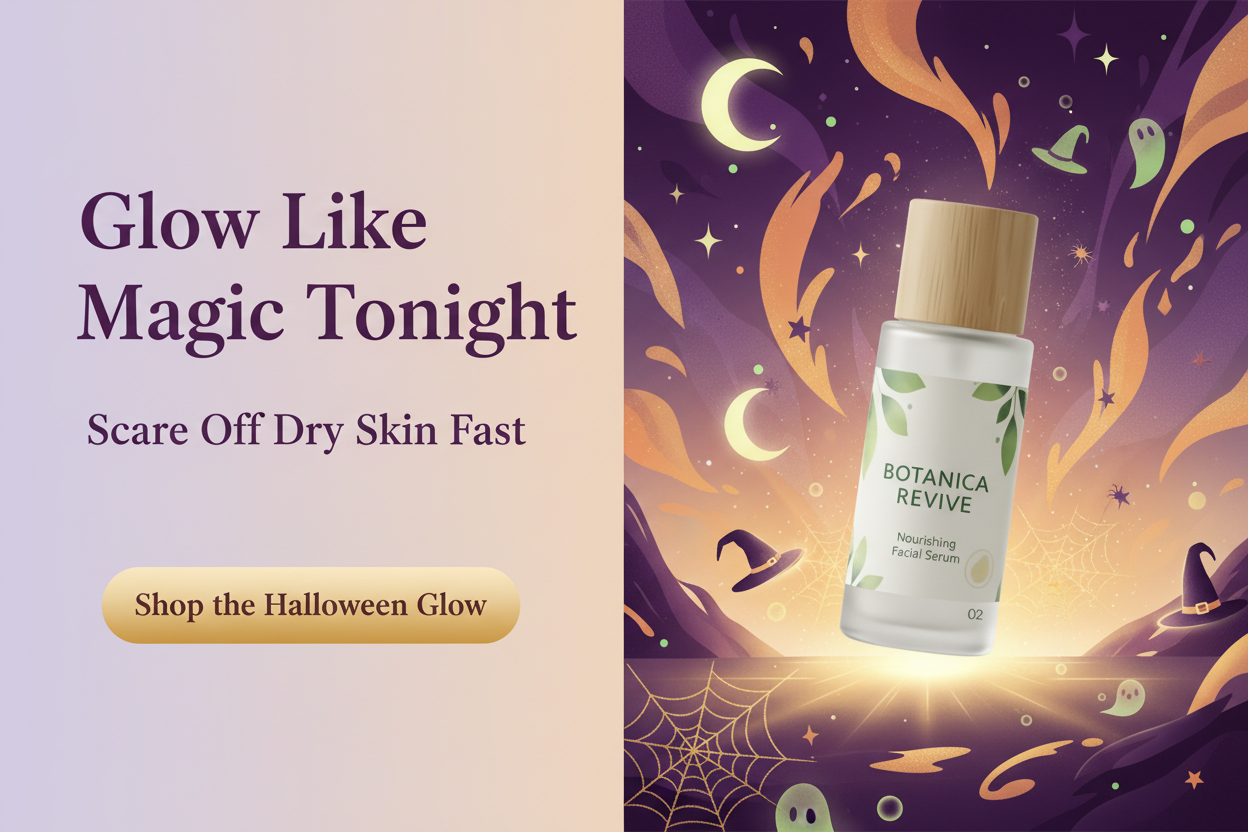
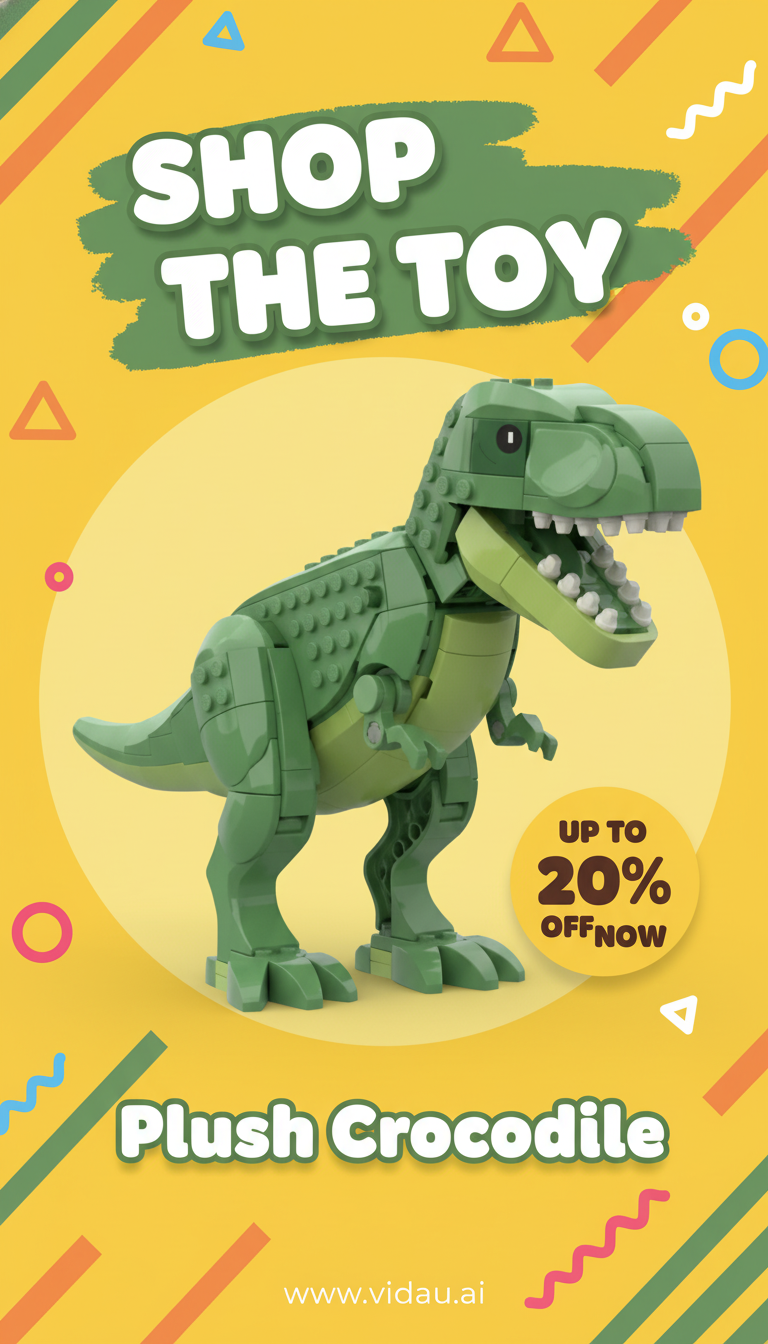
You can generate seasonal variations, color options, and promotional visuals in minutes instead of weeks.
Common Mistakes to Avoid
Overloading Prompts
Too many instructions confuse the model. Keep prompts focused and structured.
Ignoring Brand Consistency
Switching styles between prompts creates mismatched visuals. Save and reuse your best-performing prompt templates.
Unrealistic Materials
AI can exaggerate reflections or textures. If results look artificial, reduce intensity terms like “ultra-glossy” or “hyper-realistic.”
Skipping Post-Review
Always review outputs for inaccuracies. AI images should represent the real product honestly.
Final Checklist for AI Product Photography Success
– Define the product clearly
– Choose a consistent scene style
– Use lighting and camera cues
– Generate multiple variations
– Compare free AI tools
– Refine prompts for realism
– Apply images across platforms
– Review for accuracy and brand fit
AI product photography allows small businesses to compete visually without expensive equipment. With the right prompts and tools, you can create professional product images that convert, scale, and adapt as fast as your business grows.
Frequently Asked Questions
Q: Is AI product photography legal for commercial use?
A: Most platforms allow commercial use on free tiers, but you should always review each tool’s license terms before publishing images.
Q: Can AI images replace real product photos completely?
A: AI images work well for marketing and presentations, but some marketplaces may require real photos for compliance or verification.
Q: Do I need design skills to use AI photography tools?
A: No. Clear prompts and basic visual judgment are enough to create professional-looking results.
Q: How do I keep my AI product images consistent?
A: Reuse the same prompt structure, lighting descriptions, and background settings across all generations.
Q: What is the best free AI tool for beginners?
A: Canva AI and Bing Image Creator are the easiest starting points due to simple interfaces and fast results.