






































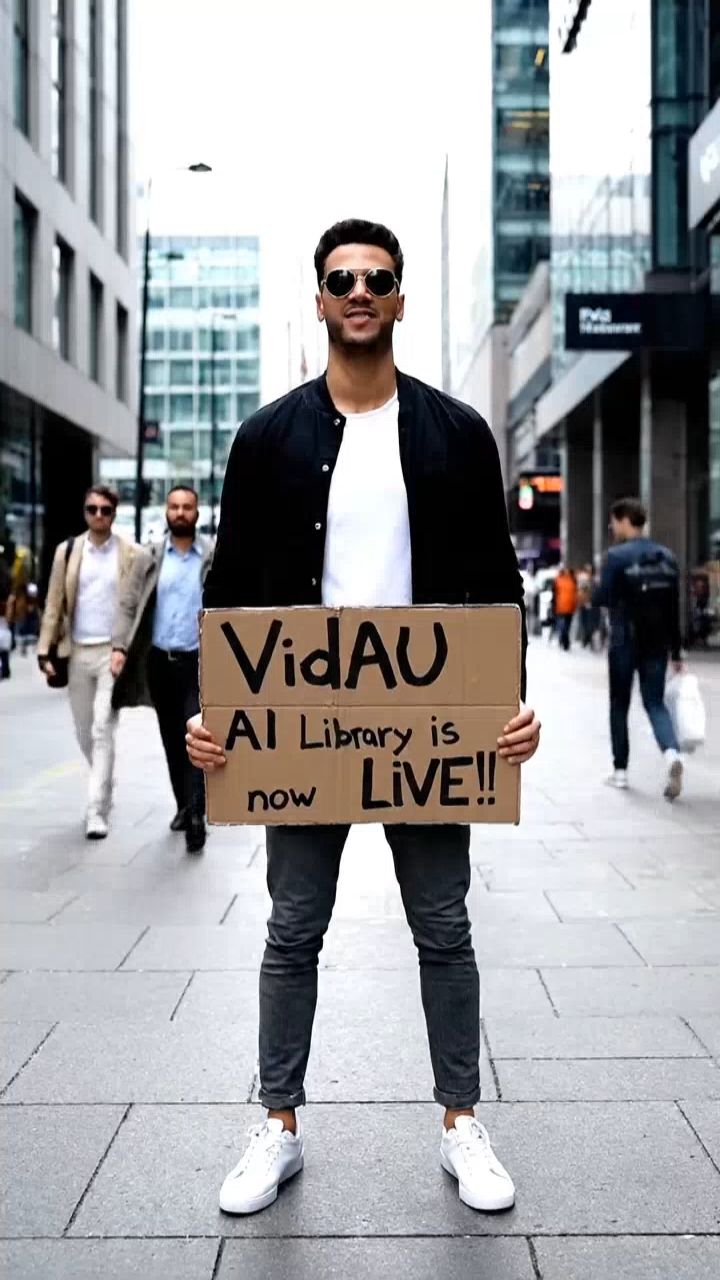

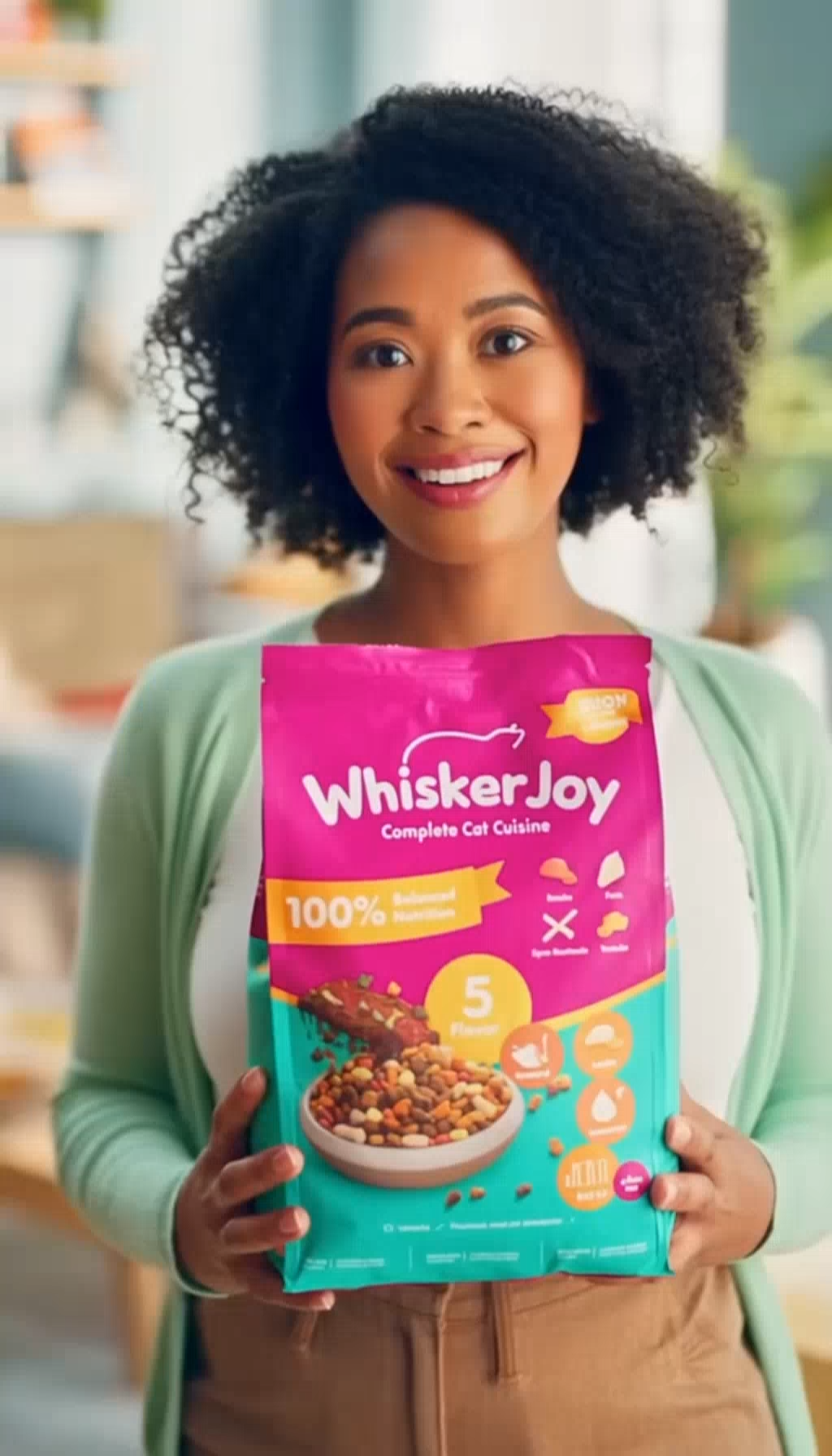


































Meta Ads Andromeda Update: What Changed in 2026

Meta’s Andromeda update changed everything about video ads, here’s your complete crash course.
In 2026, Meta fundamentally reshaped how video ads are created, optimized, and scaled. The Andromeda update is not just another algorithm tweak. It is a structural shift toward creative-led automation, predictive budget allocation, and simplified campaign management. For performance marketers, e-commerce operators, and media buyers, understanding Andromeda is now essential to staying competitive.
This article delivers a complete breakdown of Andromeda-style Meta ads, ranked changes versus the old system, and a step-by-step guide to building profitable video ad campaigns under the new rules.
What Is Meta Andromeda?
Andromeda is Meta’s unified ad delivery system introduced across Facebook, Instagram, Reels, and future video placements. Its purpose is to reduce manual optimization while improving return on ad spend (ROAS) through machine learning that prioritizes creative performance over granular audience controls.
Unlike previous Meta ad systems that relied heavily on interest targeting, manual budget splits, and frequent adjustments, Andromeda emphasizes:
- Broad targeting by default
- Creative quality and variation as the main optimization lever
- Predictive budget allocation across placements and audiences
- Faster learning cycles driven by video engagement signals
For advertisers running video ads, this represents the most significant platform change since the shift to campaign budget optimization.
1. Algorithmic Targeting: Andromeda vs Previous Meta Ad Systems
Rank #1 Change: Targeting is now algorithm-first, not advertiser-first.
Before Andromeda, advertisers built performance through layered interest stacks, lookalikes, exclusions, and manual testing. In 2026, Meta strongly discourages this approach.
What changed
- Interest targeting is optional and often unnecessary
- Broad audiences consistently outperform narrow ones
- Lookalike audiences are dynamically blended into broad targeting
- Signals come primarily from video engagement, not declared interests
Why this matters for video ads
Video ads generate more behavioral data than static formats. Watch time, replays, sound-on rates, and retention curves feed directly into Andromeda’s delivery decisions. The system uses these signals to find buyers faster than manual targeting ever could.
Bottom line: Your targeting matters less than your video creative.
2. Creative-First Optimization and Video Prioritization
Rank #2 Change: Creative is the primary optimization lever.
Andromeda places video ads at the center of campaign performance. Meta’s system now assumes that strong creative will find the right audience automatically.
Key creative changes
- Video ads receive priority delivery across placements
- Multiple creative variations are required for stable performance
- The first 3 seconds of video heavily influence delivery
- Native, vertical video formats outperform polished ads
What Meta rewards in 2026
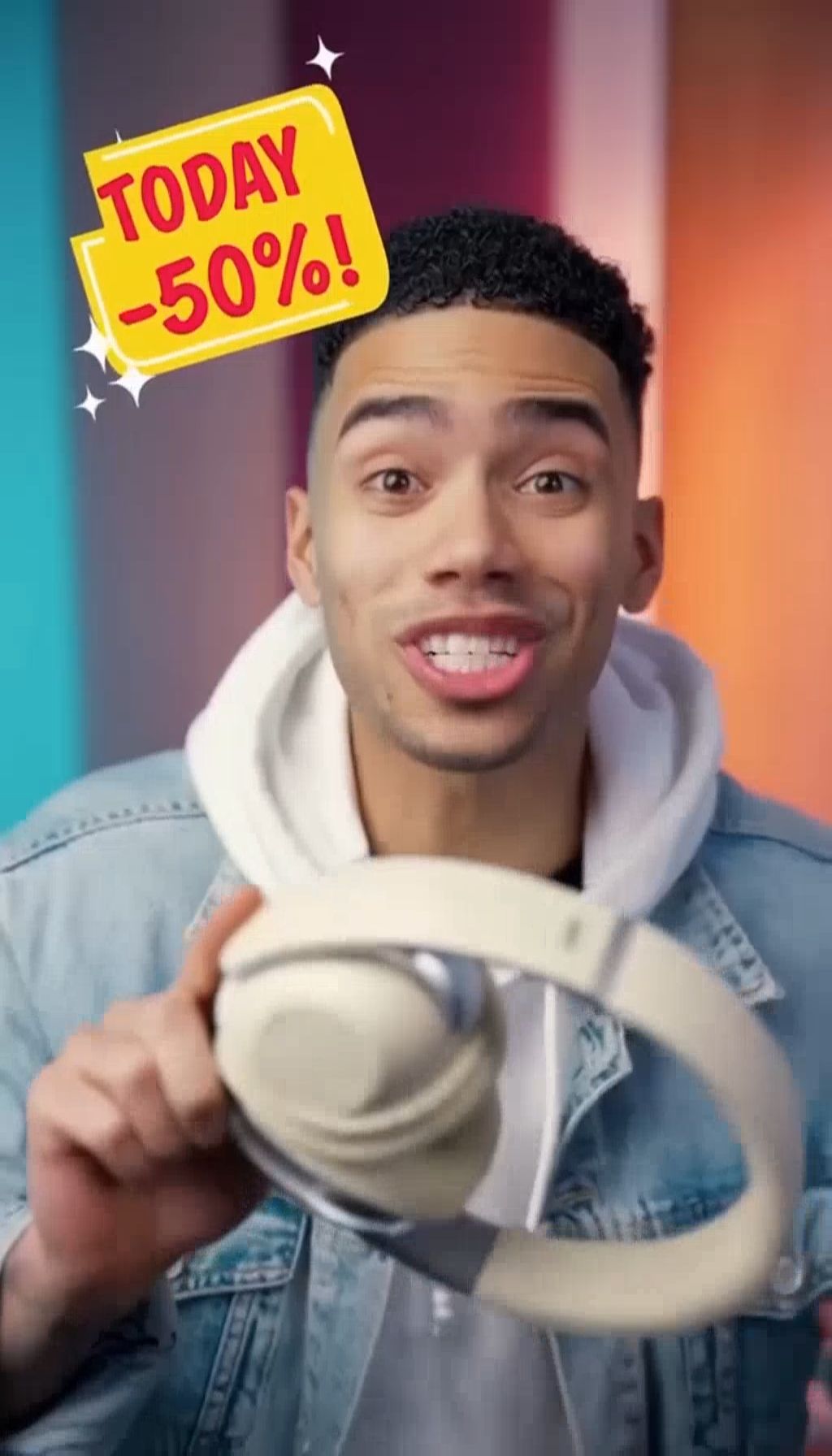
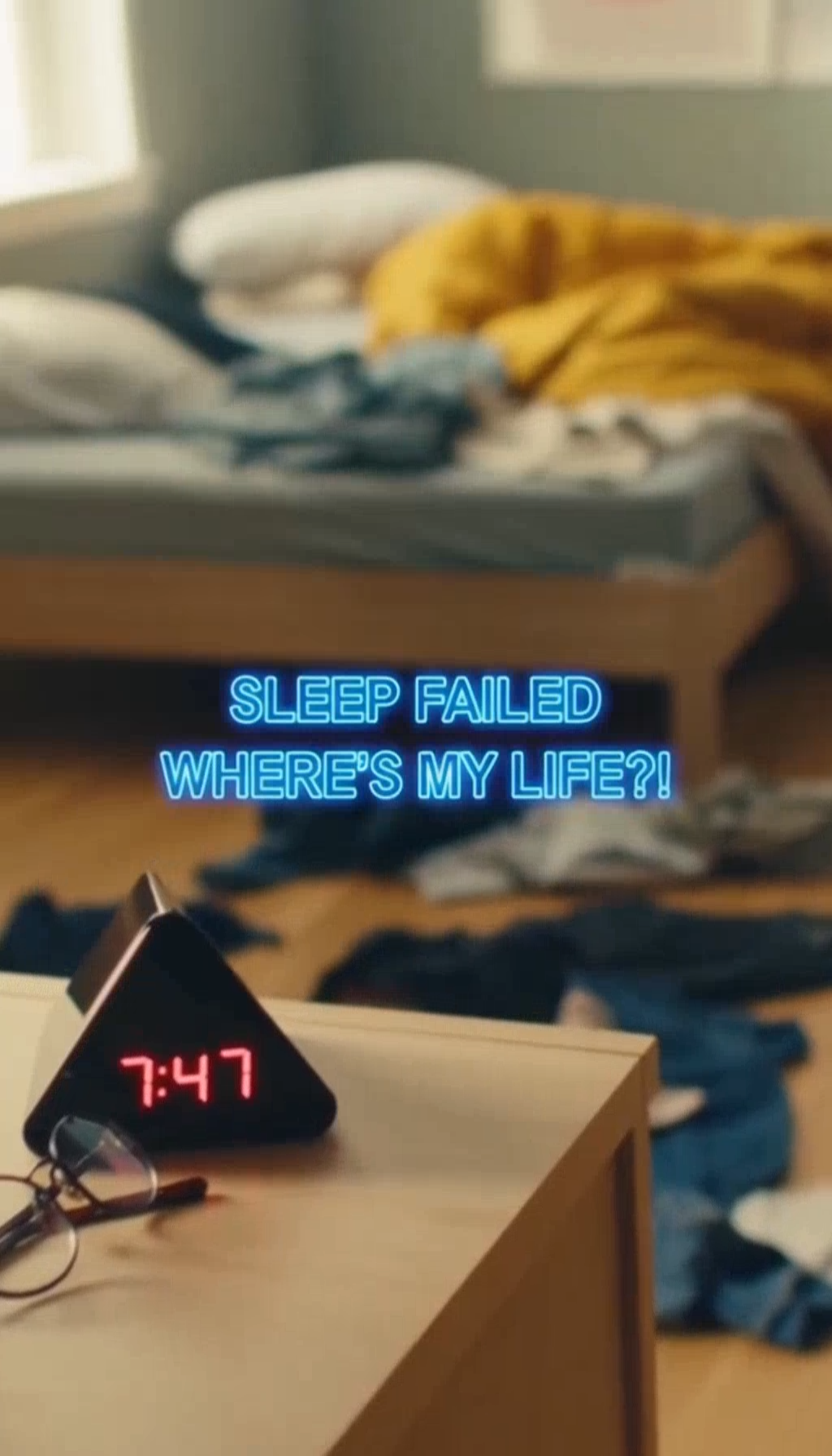
- Fast hooks with immediate visual movement
- Clear problem-solution framing
- On-screen text optimized for sound-off viewing
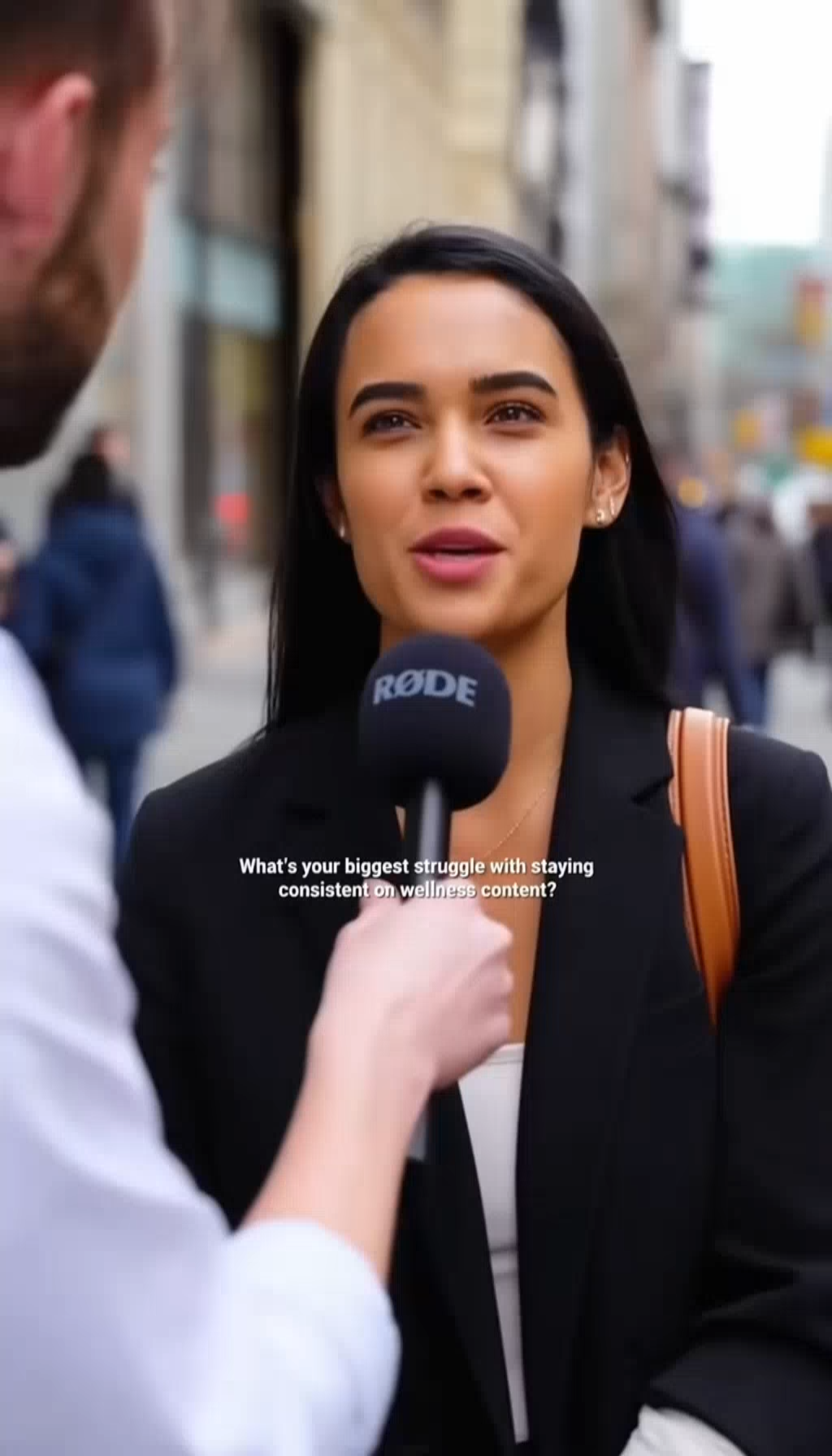
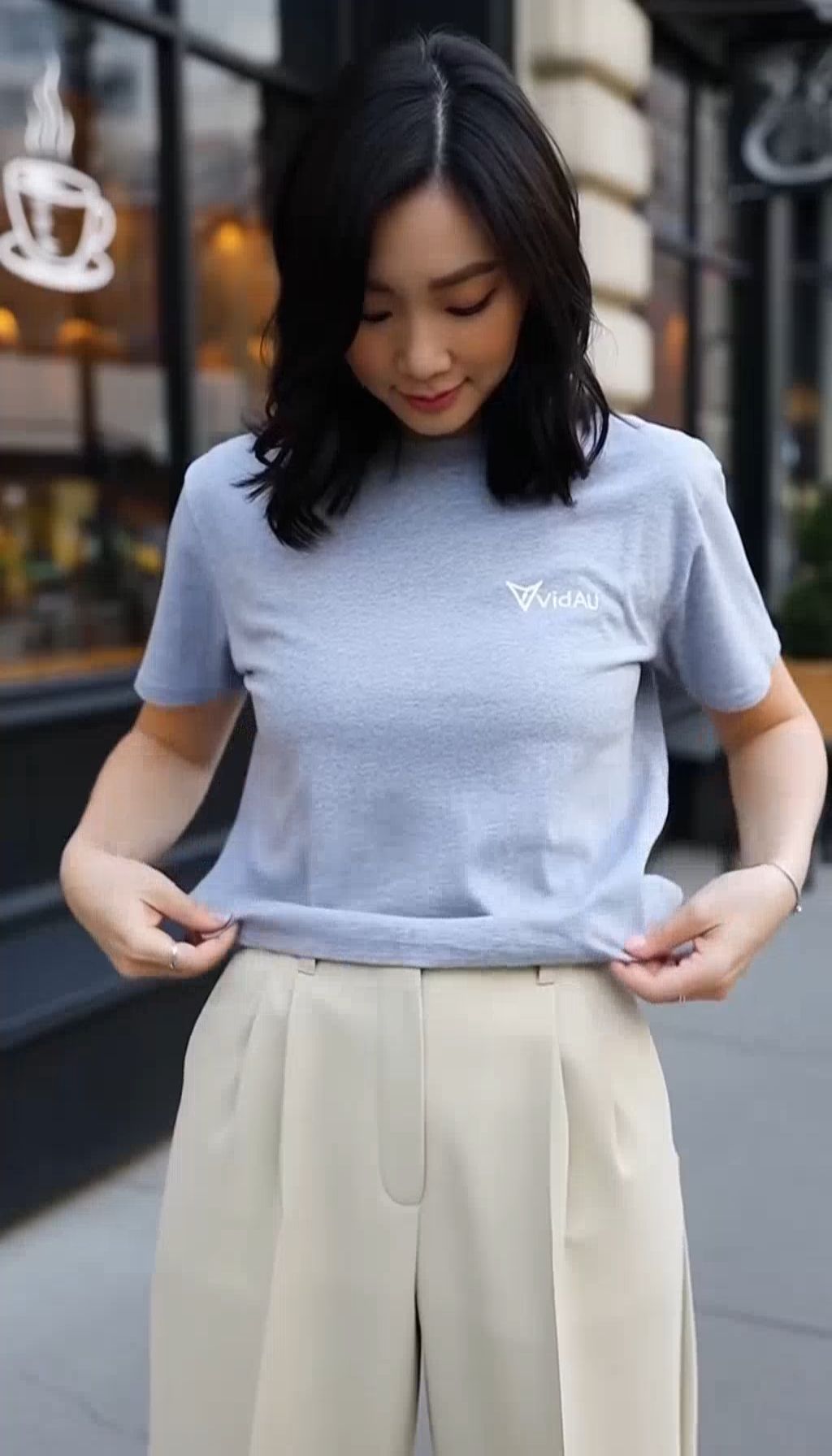
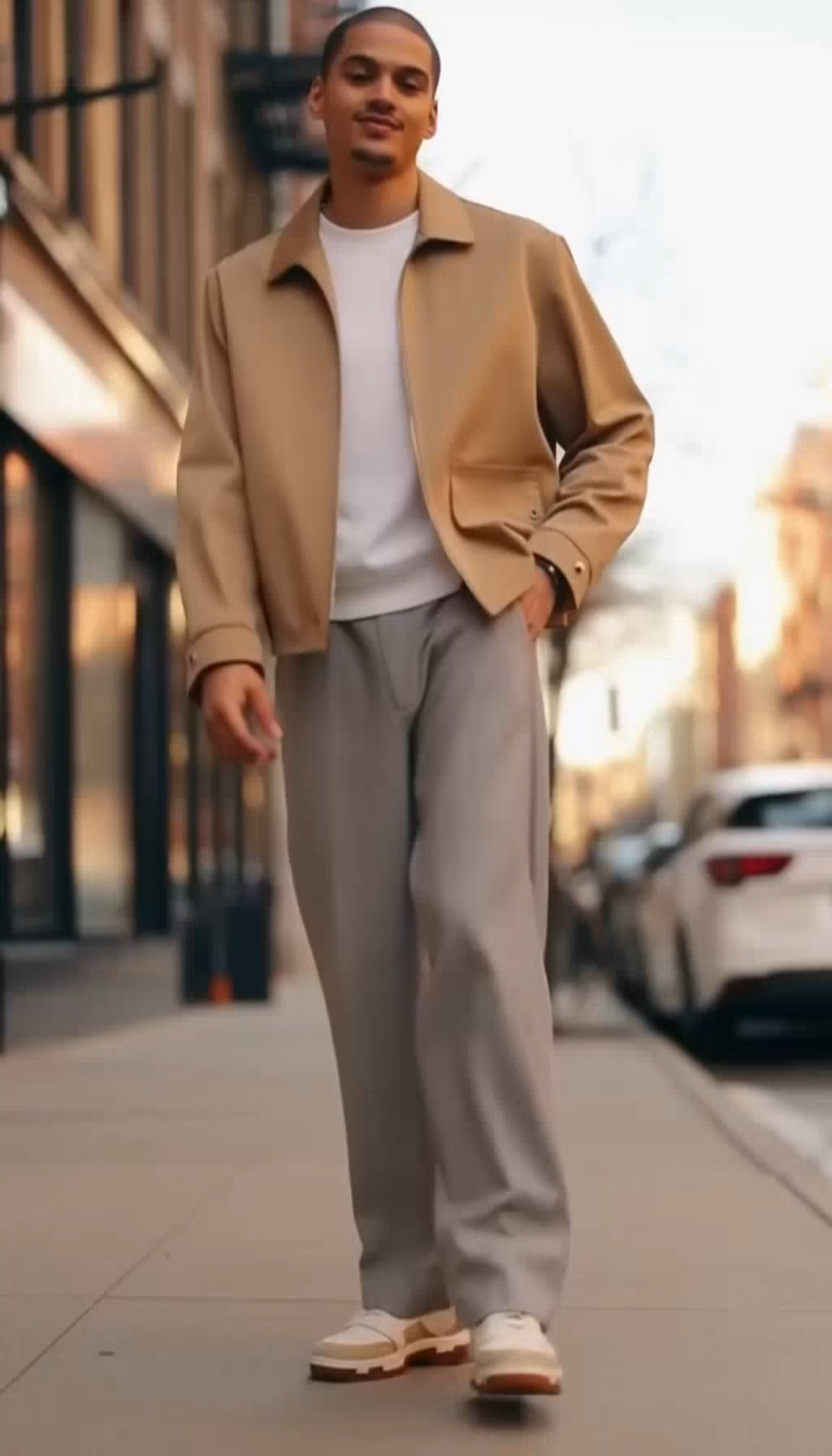
- Authentic UGC-style presentation
Advertisers who still rely on one or two “winning” videos see faster fatigue under Andromeda. The system expects continuous creative input.
3. Campaign Structure Changes Under Andromeda
Rank #3 Change: Fewer levers, simpler structure.
Andromeda removes much of the complexity from campaign setup. This is intentional.
Old structure
- Multiple campaigns by audience
- Several ad sets per audience
- Manual budget distribution
- Frequent edits that reset learning
Andromeda structure
- One campaign per objective
- One or two broad ad sets
- Campaign-level budget optimization
- Minimal edits after launch
This structure allows Andromeda’s learning models to stabilize faster, which is critical for video ads that rely on engagement signals.
4. Step-by-Step Campaign Setup for Maximum Video Ad Performance
This step-by-step framework aligns directly with how Andromeda evaluates and scales video ads.
Step 1: Choose the correct objective
For most advertisers:
- Sales for direct-response e-commerce
- Leads for service-based funnels
- Engagement only for creative testing
Avoid switching objectives mid-campaign.
Step 2: Use broad targeting
- Location targeting only
- Age only if legally required
- No interest stacking
- No manual exclusions
Trust the system to learn.
Step 3: Build a strong video creative set
Each ad set should include:
- 4–6 unique video ads
- Different hooks in the first 3 seconds
- Variations in pacing, captions, and CTAs
Do not reuse the same video with minor text changes.
Step 4: Optimize placements automatically
- Use Advantage+ placements
- Do not restrict to feeds only
- Let Reels and in-stream placements run
Step 5: Launch and avoid early changes
Allow at least 5–7 days for learning. Editing budgets or creatives too early resets performance signals.
5. Budget Optimization Strategies for Meta Ads in 2026
Rank #4 Change: Budget scaling is predictive, not reactive.
Andromeda uses forward-looking models to allocate spend based on expected performance, not just past results.
Recommended budget approach
- Start with a sustainable daily budget
- Increase budgets by 20–30% increments
- Avoid daily micro-adjustments
Scaling video ads effectively
- Scale winners at the campaign level
- Add new creative instead of duplicating ad sets
- Pause only clearly underperforming videos
The system favors consistency. Abrupt budget swings reduce efficiency.
6. Practical Examples of Andromeda-Style Video Ad Campaigns
Example 1: E-commerce product launch
- One sales campaign
- One broad ad set
- Six UGC-style product videos
- Budget optimized at the campaign level
Result: Faster learning and stable ROAS within 10 days.
Example 2: Retesting old creatives
Advertisers uploading legacy video ads as fresh creatives often see renewed performance because Andromeda evaluates them differently than older systems.
Example 3: Creative rotation strategy
- Add two new videos every two weeks
- Remove bottom 20% performers
- Maintain a stable core of winners
This keeps Andromeda fed with new signals.
Common Mistakes Advertisers Make With Andromeda
- Over-targeting and restricting delivery
- Using too few video creatives
- Editing campaigns during the learning phase
- Judging performance before sufficient data
- Treating Andromeda like the old Meta Ads system
Each of these mistakes limits the system’s ability to optimize video ads effectively.
Final Checklist for Andromeda Video Ads
- Broad targeting enabled
- One campaign per objective
- 4–6 unique video creatives per ad set
- Strong hook in first 3 seconds
- Campaign-level budget optimization
- Minimal edits after launch
- Regular creative refresh cycle
Follow this checklist to align fully with Andromeda’s design.
Conclusion
The Meta Ads Andromeda update marks a turning point for video advertising in 2026. Success now depends less on tactical targeting and more on strategic creative execution. Advertisers who adapt to Andromeda’s creative-first, automated approach will see stronger performance, faster scaling, and more predictable results.
Those who cling to legacy methods will struggle as Meta continues to evolve toward intelligent, video-driven ad delivery.
Master the system, feed it great video, and let Andromeda do the heavy lifting.
Frequently Asked Questions
Q: What is the Meta Andromeda update?
A: Andromeda is Meta’s unified ad delivery system that prioritizes automation, broad targeting, and creative performance, especially video ads, over manual optimization.
Q: Are video ads required for Andromeda campaigns?
A: While not mandatory, video ads perform significantly better under Andromeda due to stronger engagement signals and preferred delivery across Meta placements.
Q: Should I still use interest targeting in 2026?
A: In most cases, no. Broad targeting allows Andromeda to find buyers more efficiently using behavioral and engagement data from video ads.
Q: How many video ads should I run per campaign?
A: Meta recommends at least four to six unique video creatives per ad set to give Andromeda enough variation for optimization.
Q: How long should I wait before optimizing a new campaign?
A: Allow at least 5–7 days for the learning phase before making changes, as early edits can reset performance signals.