
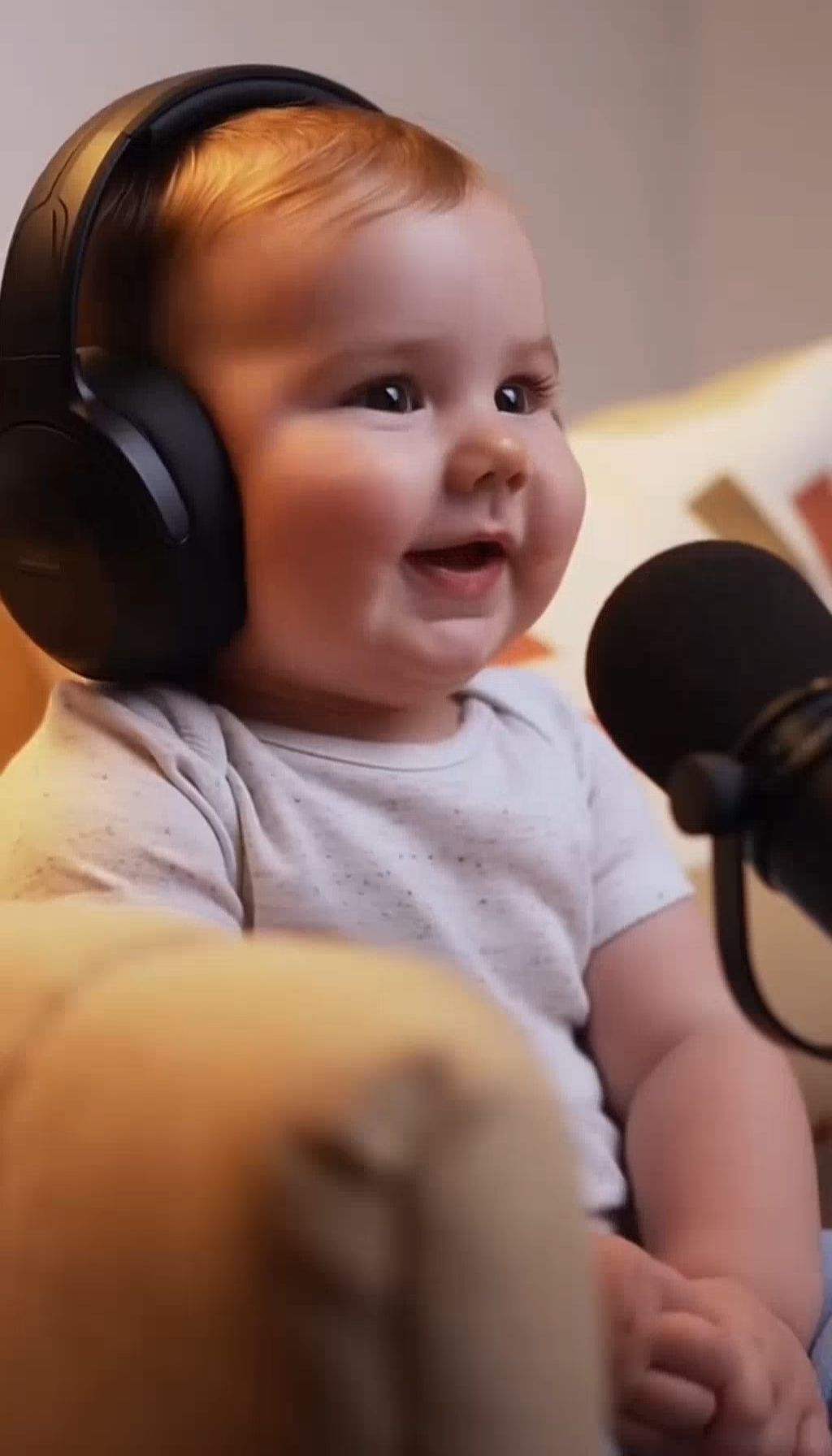
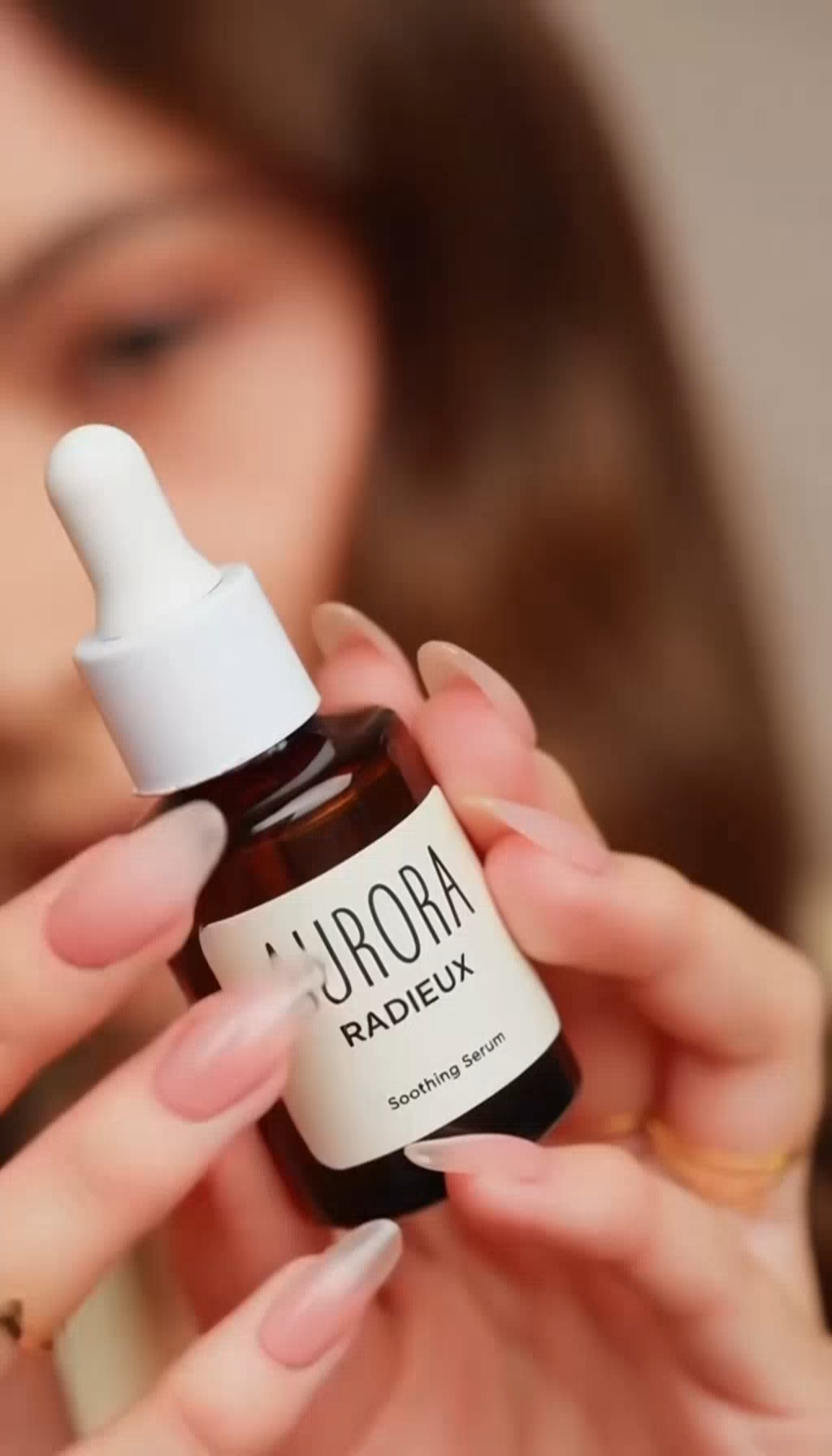
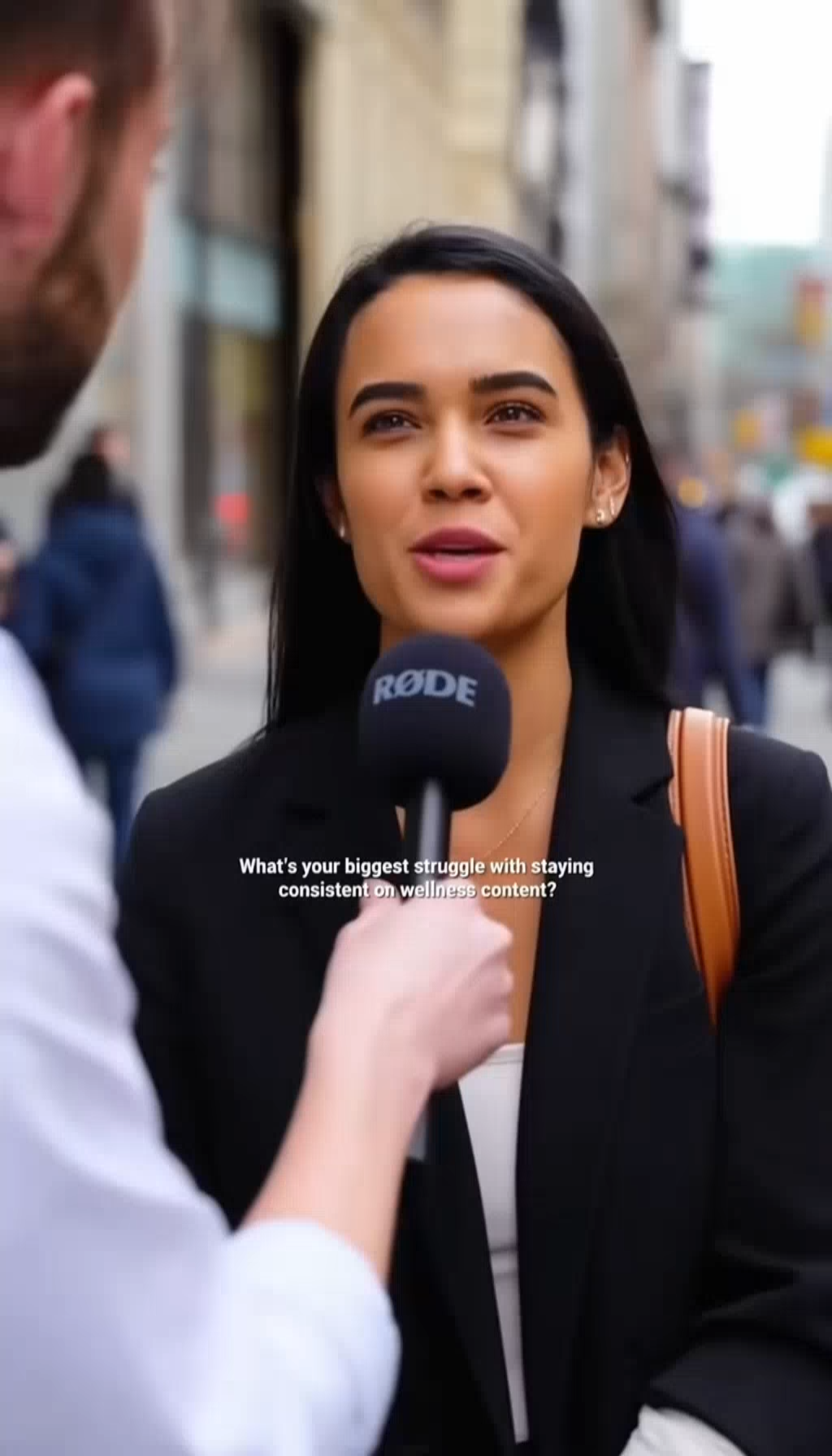

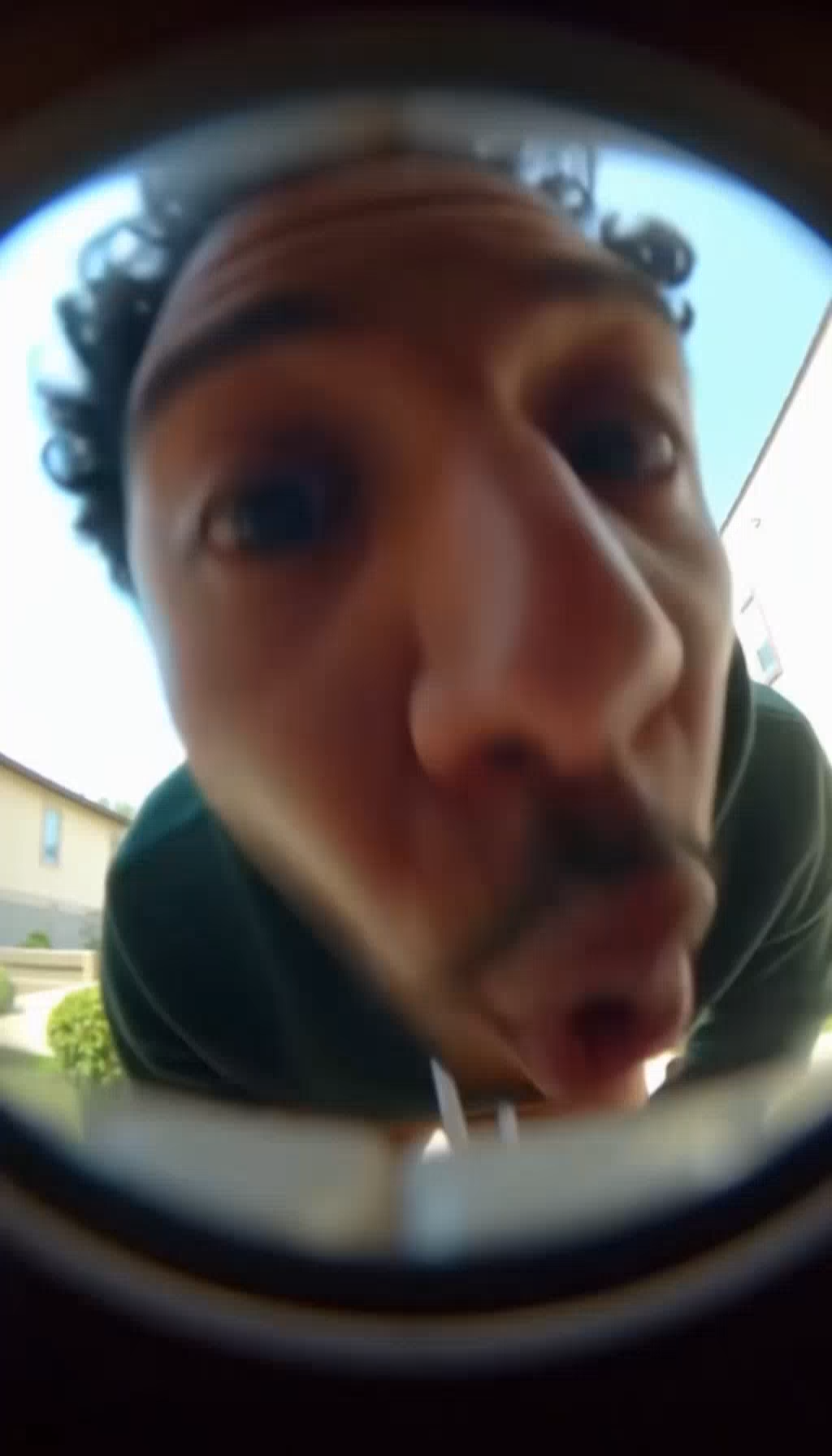














































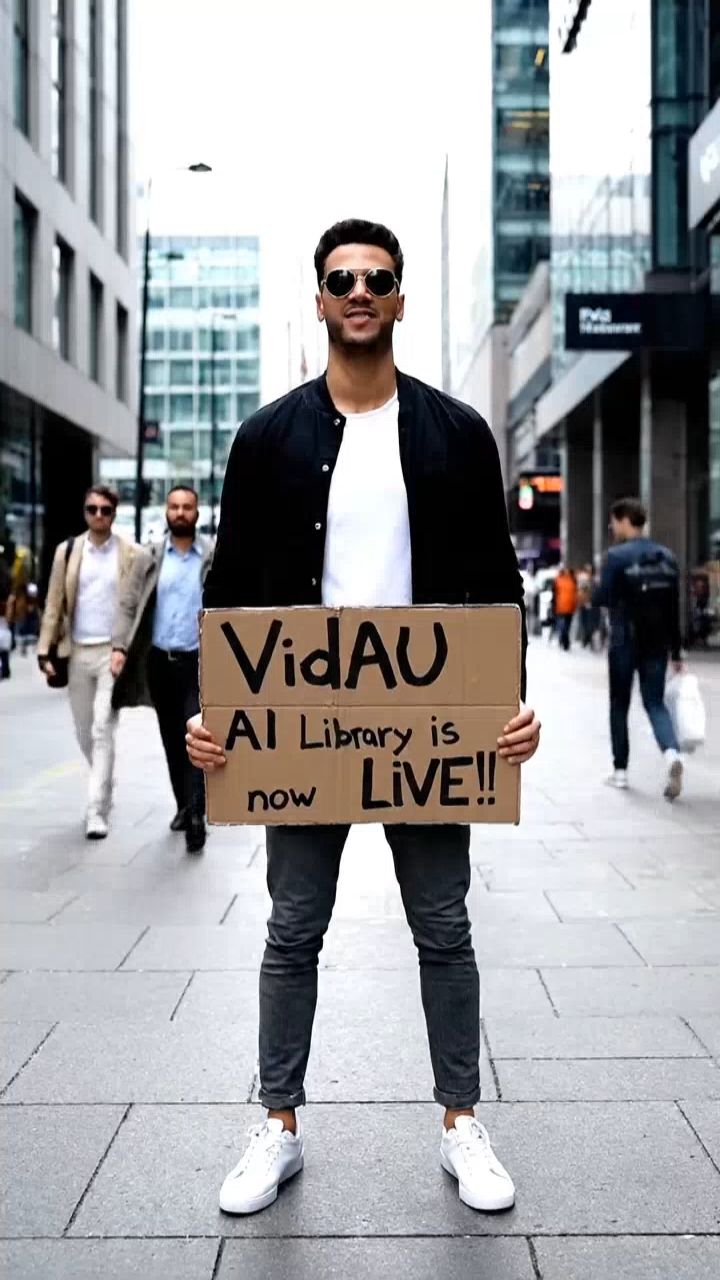

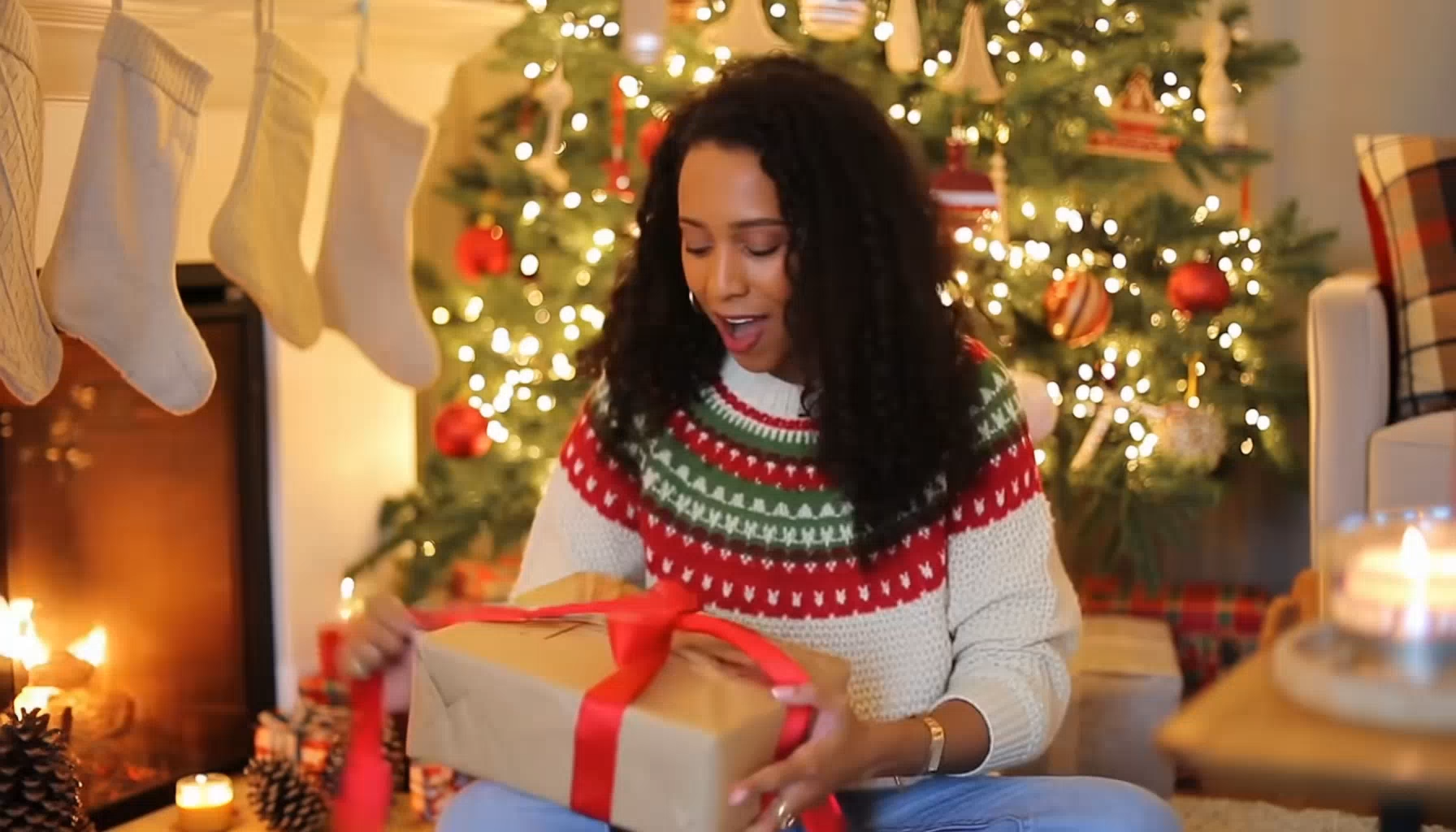

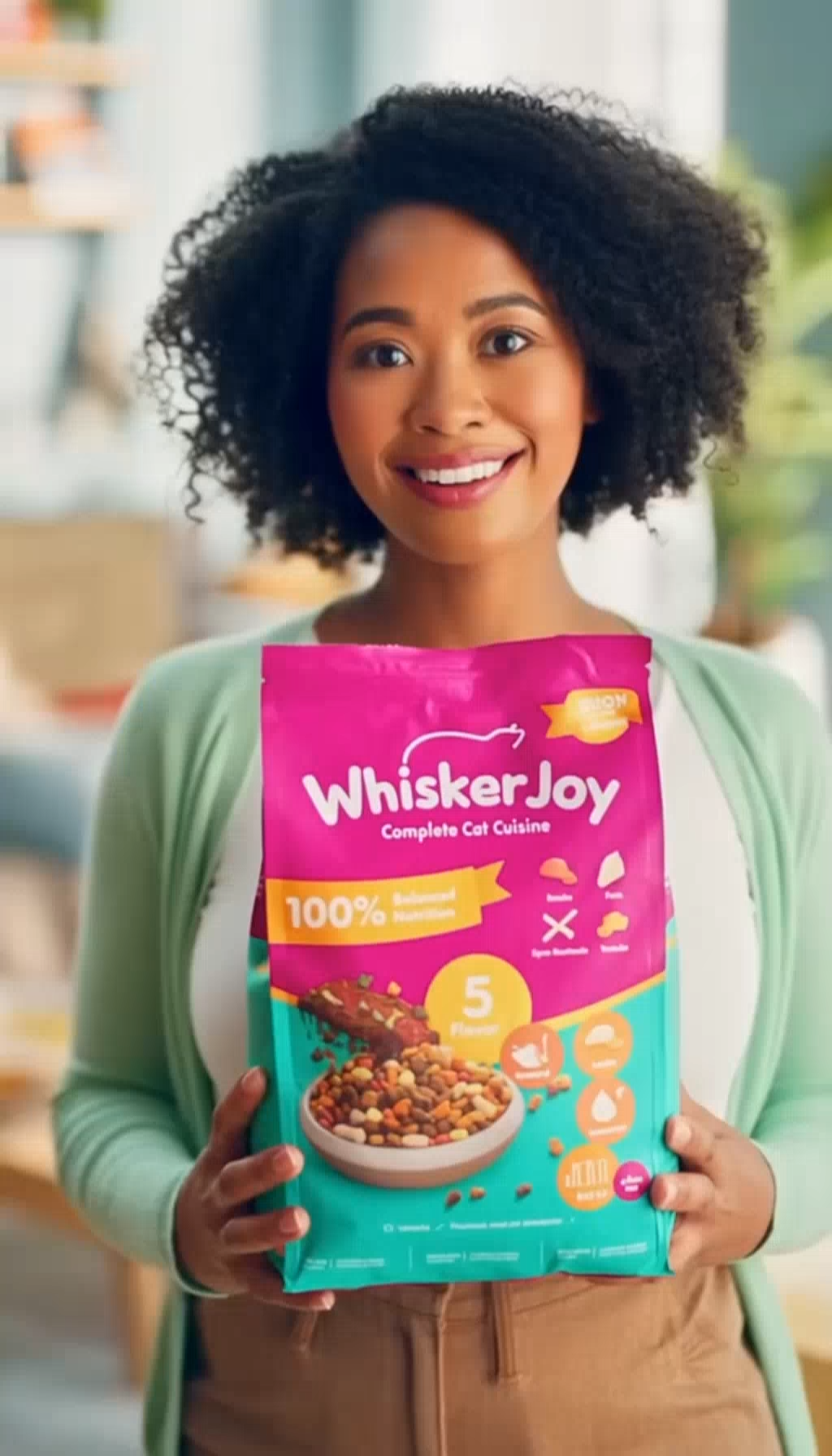
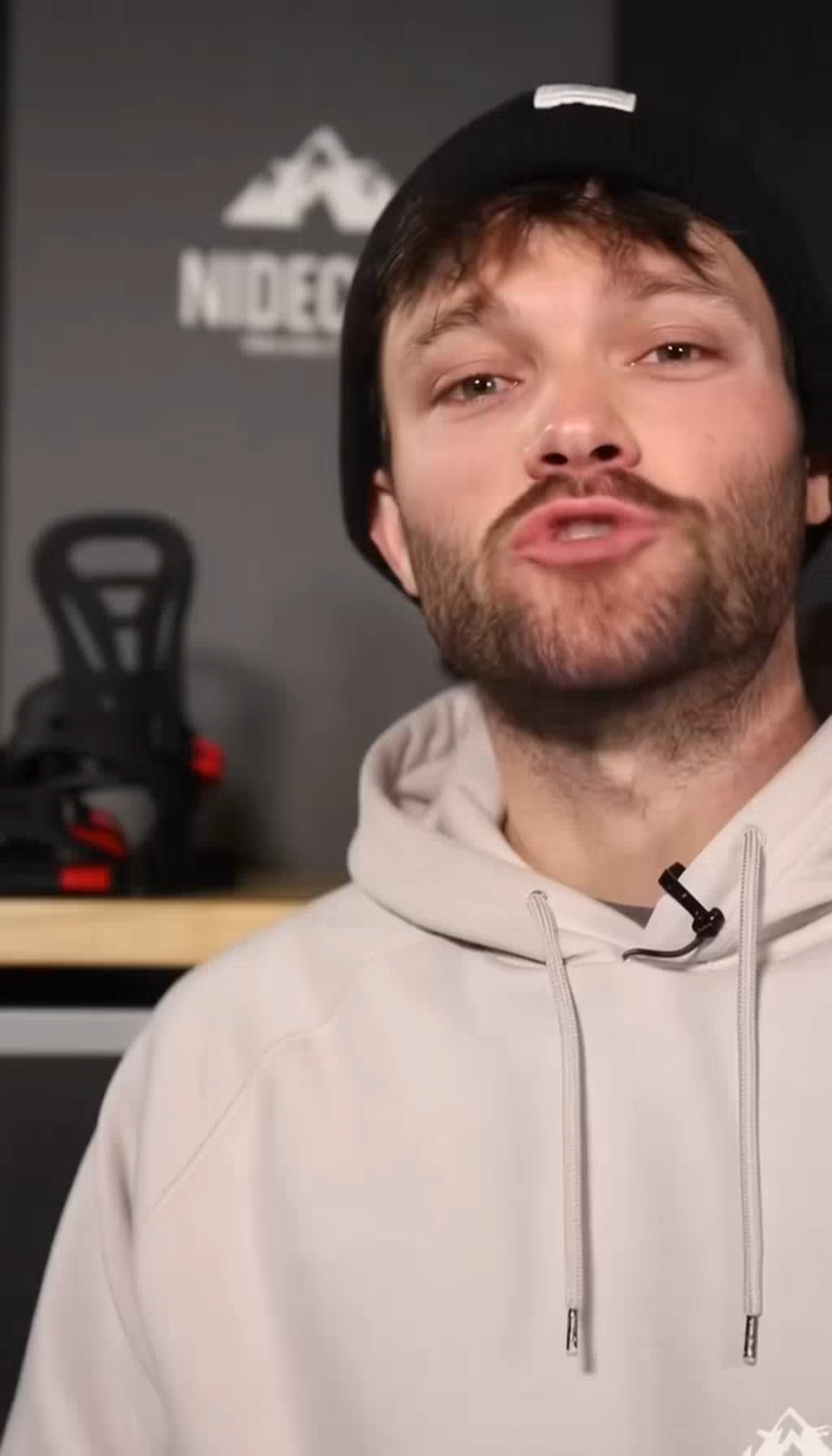
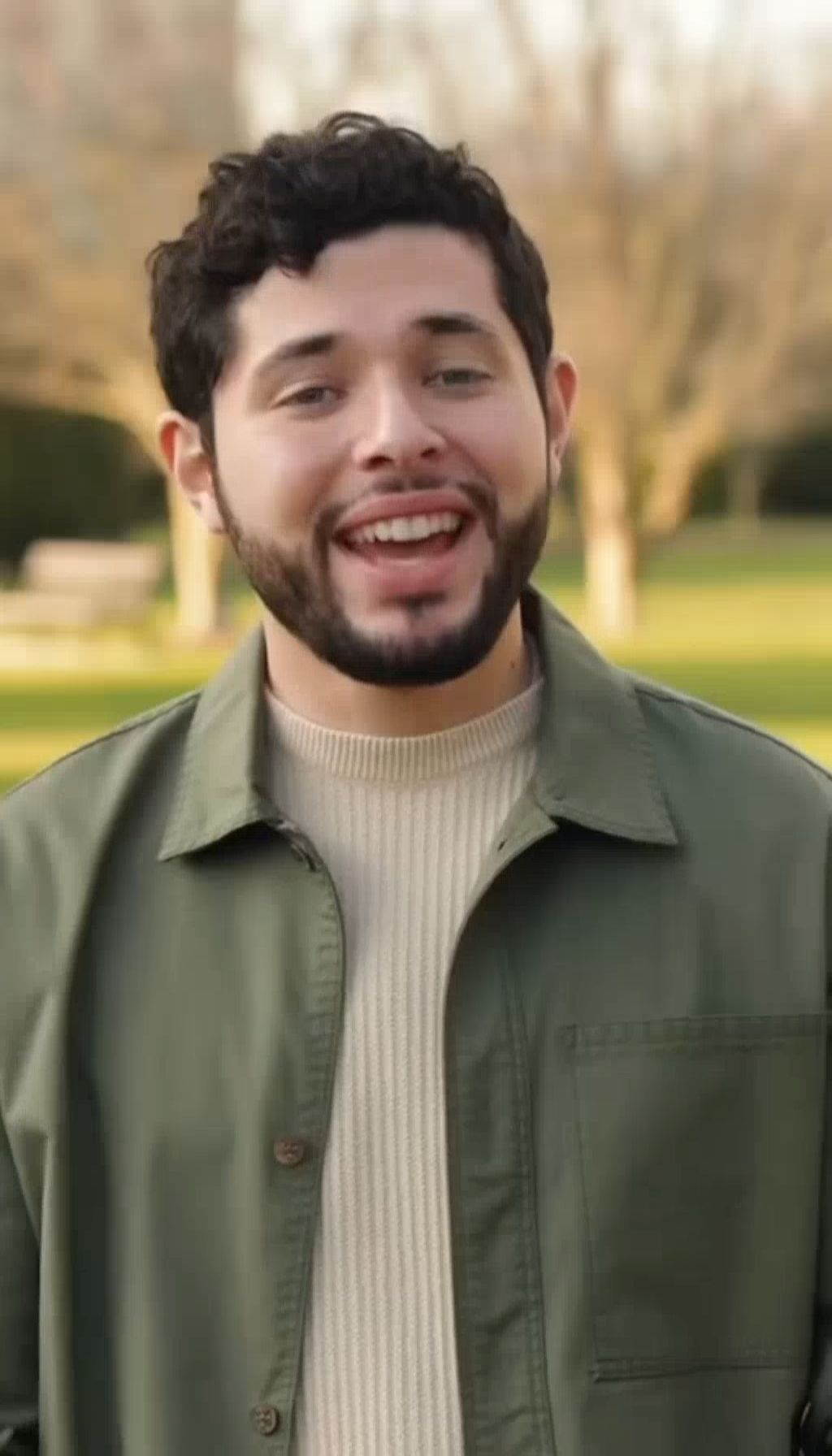
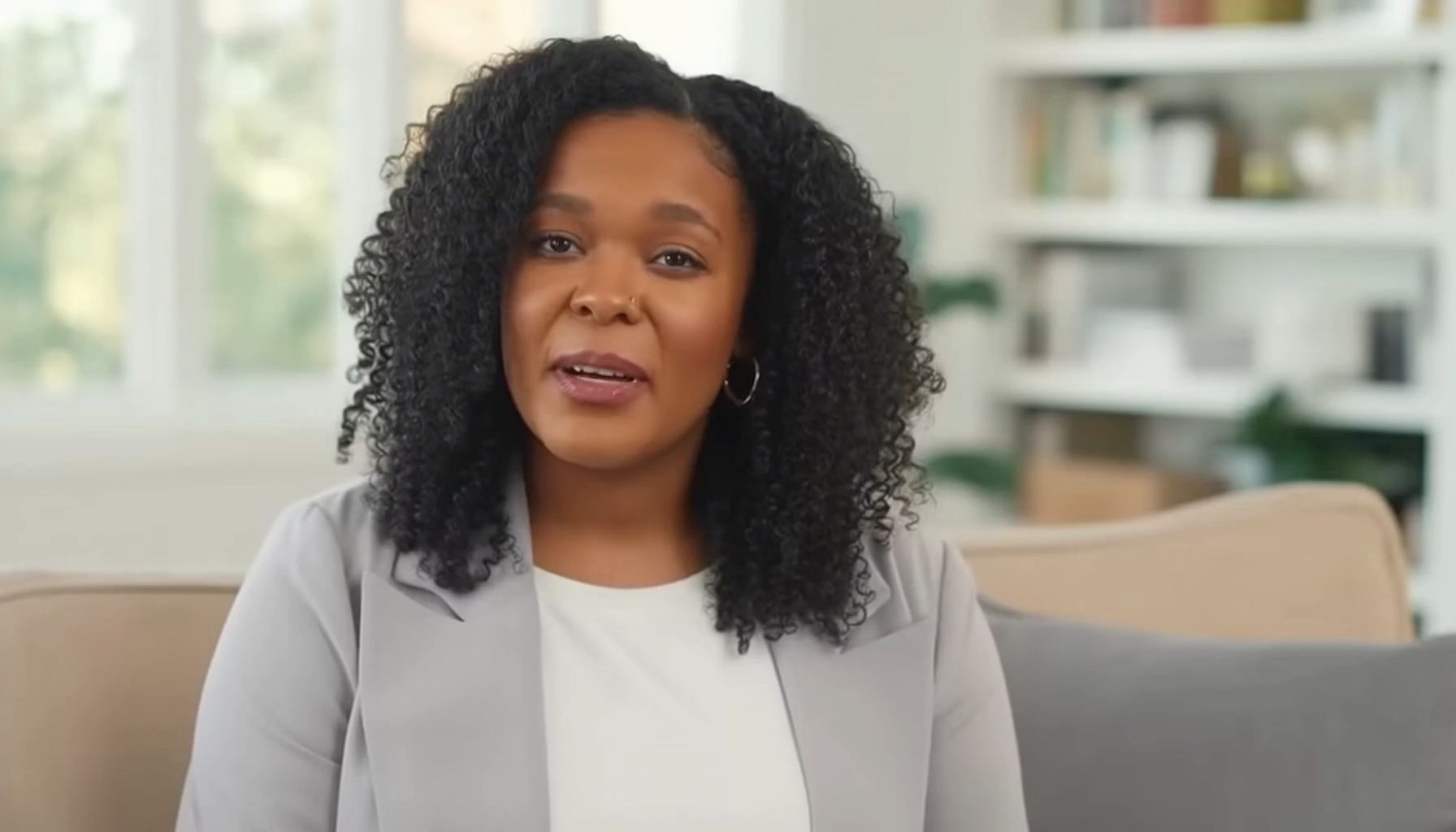



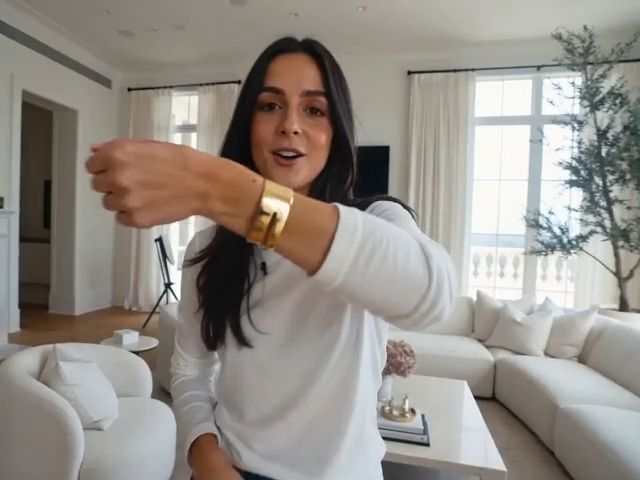
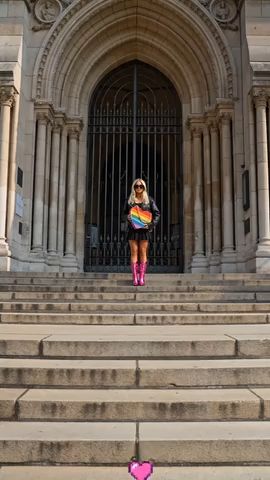







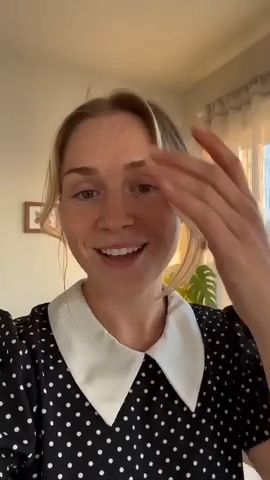
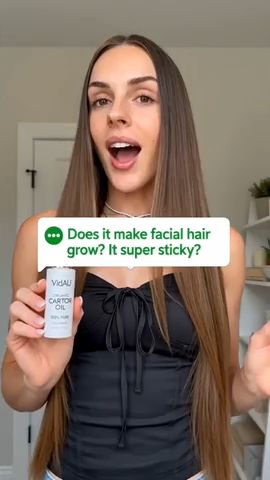






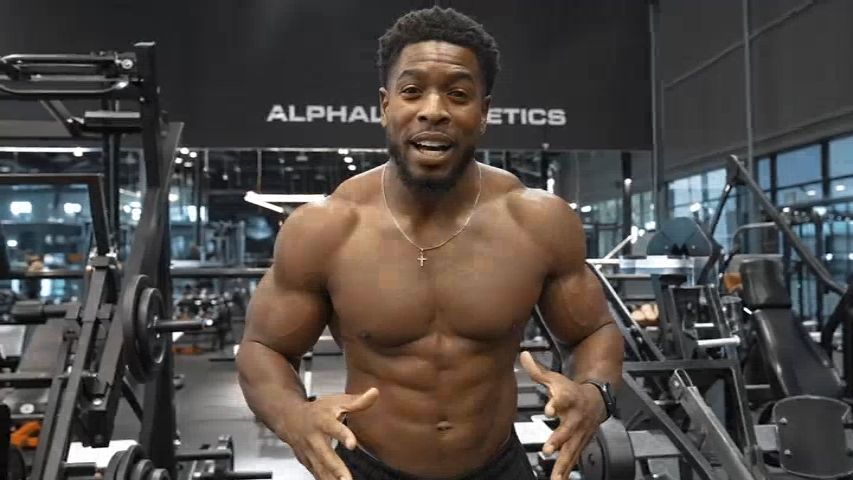
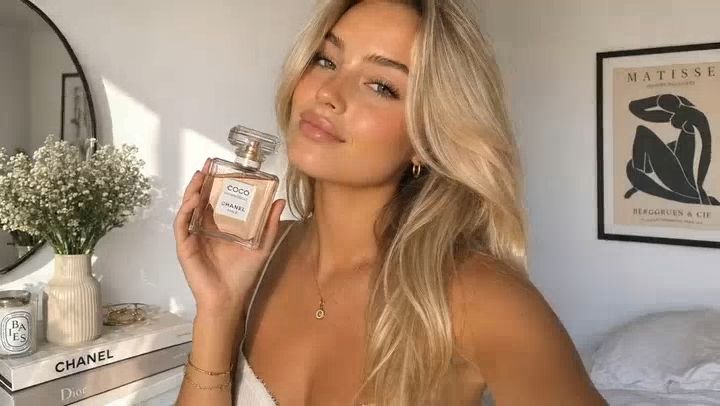



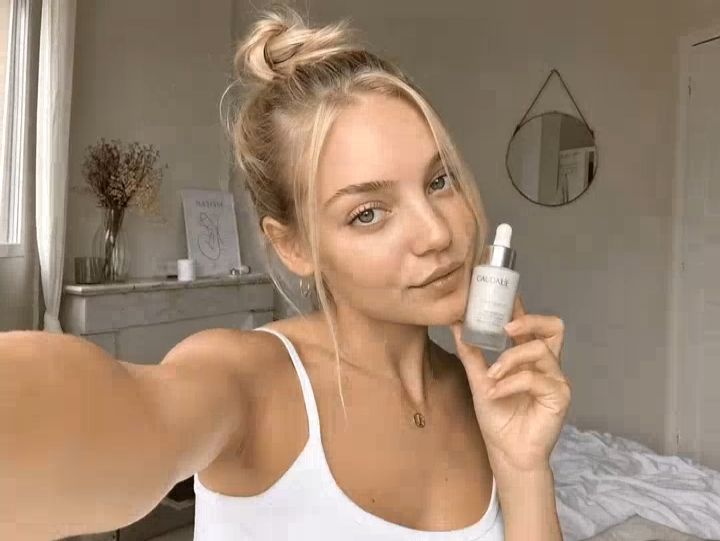
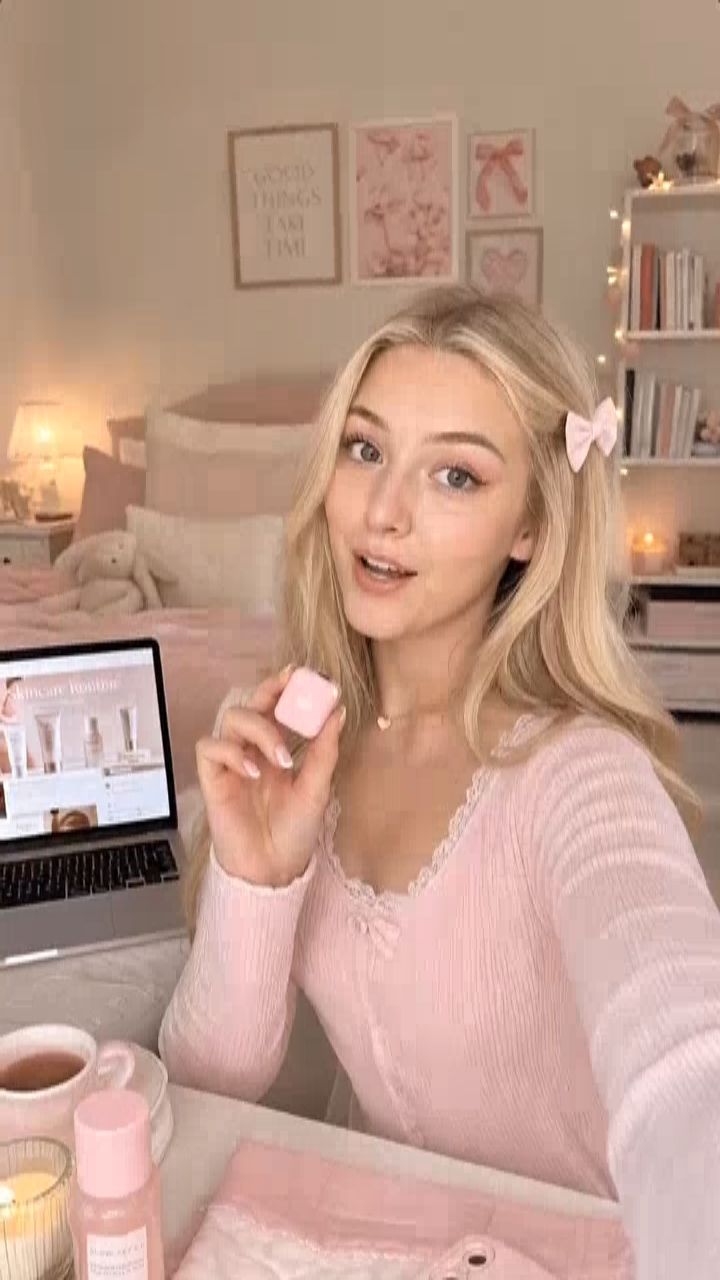





AI Video with Perfect Lip Sync and Sound Using Higgsfield + Kling 2.6 Audio
Visuals, voice, and ambient sound—all generated in one seamless step. That single capability marks the turning point for AI video creation, where synthetic characters finally speak with believable timing, emotional nuance, and environmental realism. This tutorial breaks down how Higgsfield, powered by the Kling 2.6 Audio update, solves one of the most persistent problems in generative video: synchronizing image, speech, and sound into a coherent, production-ready output.
Unified Audio-Visual Generation: Why Higgsfield + Kling 2.6 Changes AI Video

Traditional AI video workflows fragment the creative process. You generate visuals in one model, export frames, generate speech in a separate TTS engine, then attempt lip-sync alignment using post-processing tools. Each step introduces temporal drift, compression artifacts, and mismatched emotional tone. Higgsfield’s integration of Kling 2.6 Audio collapses these stages into a single generative pass.
At a technical level, Higgsfield treats audio and video as co-dependent latent streams rather than sequential outputs. Kling 2.6 Audio operates alongside the video diffusion process, ensuring latent consistency between facial motion vectors and phoneme timing. This is fundamentally different from classic audio-to-mouth mapping, where lip sync is inferred after the fact.
Key architectural advantages:
- Shared latent timeline: Video frames and audio waveforms are generated on a synchronized temporal axis.
- Seed parity across modalities: By locking the random seed for both audio and video generation, Higgsfield maintains consistent character performance across re-renders.
- Scheduler-aware synchronization: Using diffusion schedulers such as Euler a, the system preserves micro-timing details between mouth shapes and syllable transitions.
In practice, this means you are no longer “fixing” lip sync in post. You are authoring performance directly at the generative level.
Setting Up Kling 2.6 Audio in Higgsfield
Within the Higgsfield interface, Kling 2.6 Audio is exposed as an audio-capable generation mode. The critical configuration parameters include:
- Voice Style Preset: Determines baseline prosody, pitch variance, and emotional expressiveness.
- Phoneme Resolution: Higher resolution increases lip accuracy at the cost of generation time.
- Audio-Visual Lock: Forces strict alignment between audio frames and video frames, reducing drift during longer sequences.
For technical creators, the most important setting is maintaining seed parity when iterating. If you adjust lighting, camera movement, or facial detail while keeping the same seed, the voice performance remains stable—a massive improvement over legacy pipelines.
Expressive Voice and Lip Sync: Solving Temporal Alignment at the Latent Level

The core challenge of AI video lip sync is not mouth shape accuracy—it’s temporal alignment. Human perception is extremely sensitive to delays as small as 40 milliseconds between sound and visual cues. Higgsfield addresses this by embedding speech timing directly into the diffusion process.
How Kling 2.6 Models Speech for Video
Kling 2.6 Audio does not generate raw speech independently. Instead, it produces a structured phoneme map that feeds into the facial animation layer. Each phoneme is associated with:
- Duration in milliseconds
- Mouth openness vectors
- Jaw and cheek deformation weights
- Emotional intensity coefficients
These parameters are injected into the video diffusion model during sampling. When using Euler a schedulers, early diffusion steps establish macro facial motion, while later steps refine micro-expressions like lip corners and tongue visibility. This multi-stage refinement is what enables natural speech without jitter.
Prompting for Expressive Performance
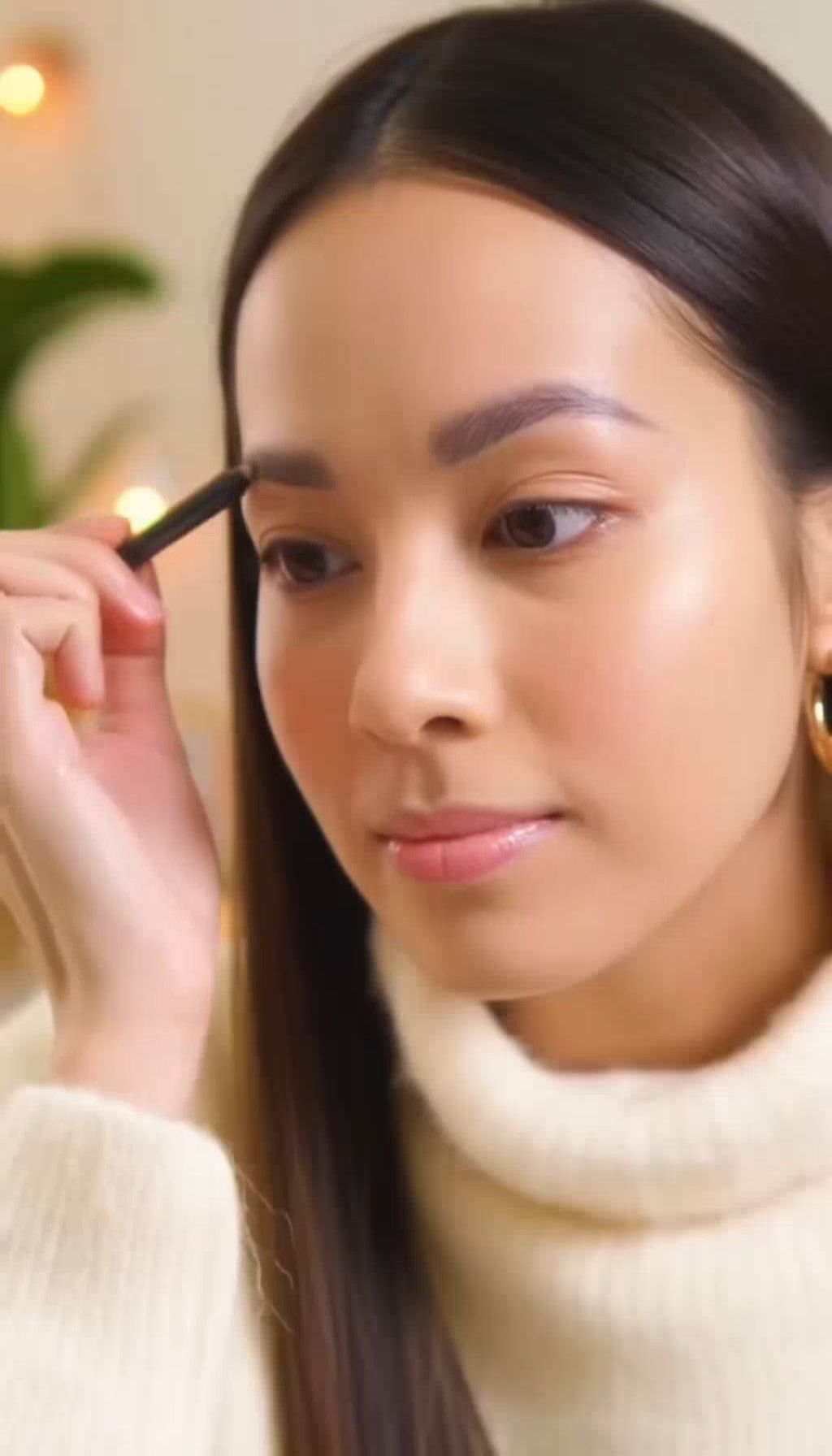
High-quality lip sync begins in the prompt. Technical creators should think in terms of performance direction, not just dialogue. For example:
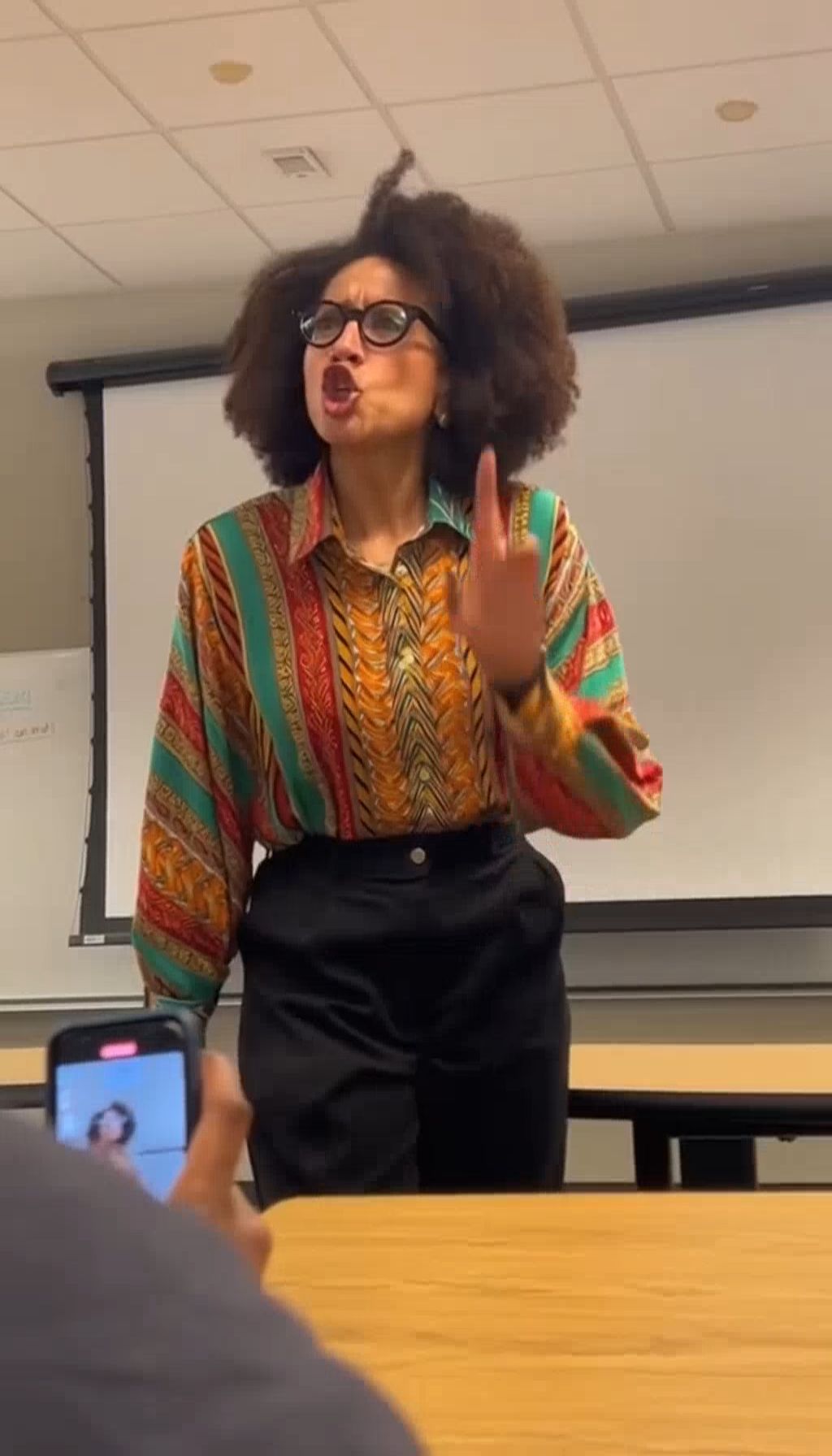
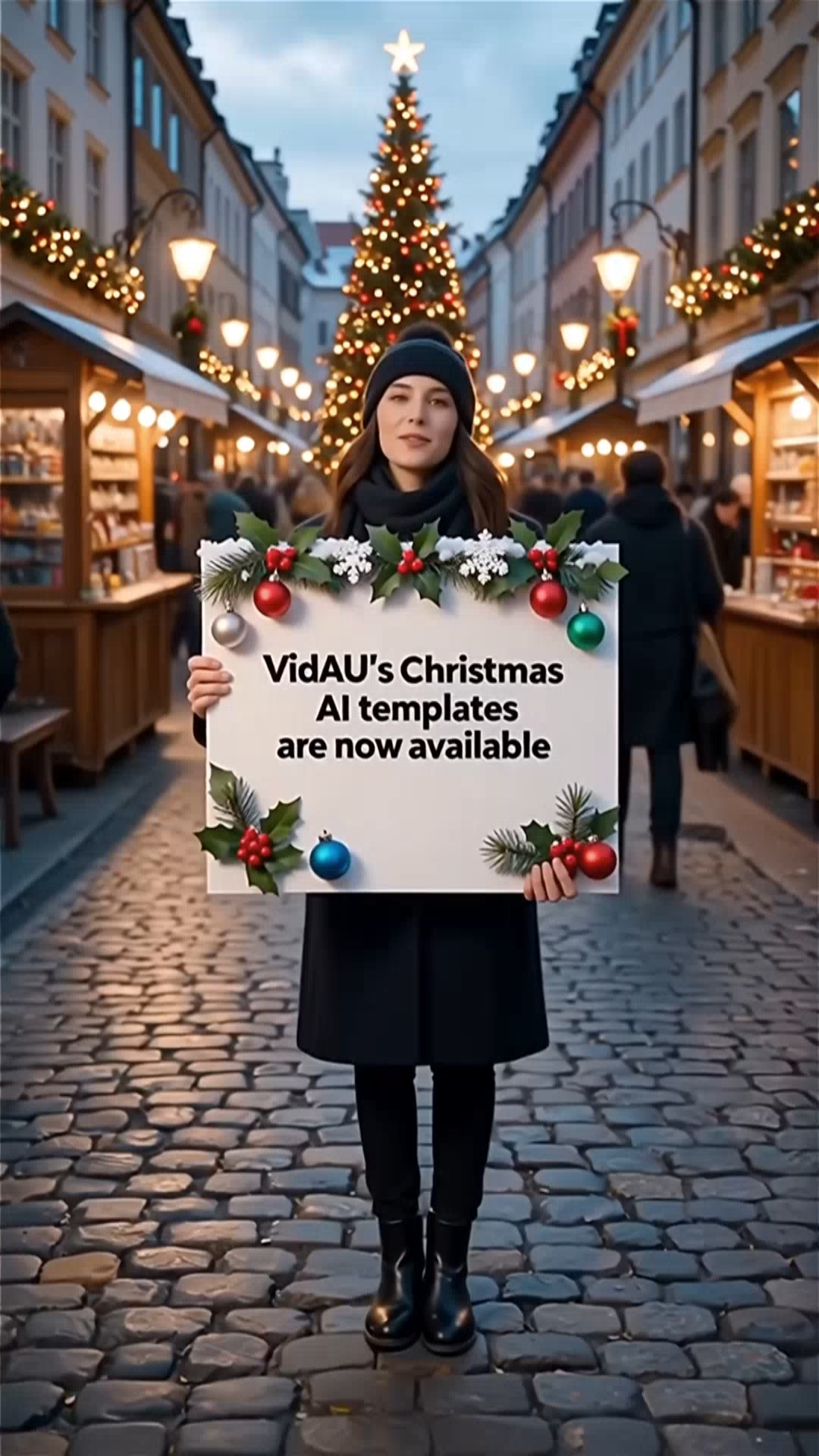
> “A calm but authoritative female presenter, speaking clearly with measured pacing, subtle head nods, and confident eye contact.”
This prompt influences both the voice model and the facial motion priors. Higgsfield maps descriptive language to internal performance embeddings that affect cadence, emphasis, and facial expressiveness.
Managing Long-Form Dialogue
Longer scripts introduce cumulative timing errors in most AI systems. Higgsfield mitigates this through:
- Segmented latent windows: Audio and video are generated in overlapping temporal blocks.
- Boundary smoothing: Transitional frames are blended to prevent visible or audible seams.
- Drift correction passes: Micro-adjustments ensure lip closure aligns with plosive sounds even late in the sequence.
For advanced users, you can manually define dialogue segments and assign micro-pauses, which gives you broadcast-level control over pacing.
Ambient Sound, Music Layers, and Final Mix: Completing a Professional AI Production
Dialogue alone does not make a convincing video. Ambient sound and music provide spatial context and emotional framing. Kling 2.6 Audio introduces multi-layer audio generation directly within Higgsfield, eliminating the need for external DAWs in many cases.
Ambient Sound Generation
Ambient audio is generated as a separate but synchronized layer. Examples include:
- Room tone for indoor scenes
- Wind and environmental noise for outdoor shots
- Crowd murmurs or distant traffic for urban settings
Each ambient layer is context-aware. If your video shows a large open space, the reverb tail and frequency response adjust automatically. This is achieved through environment embeddings inferred from the visual scene.
Music Layer Integration
Music is treated as a dynamic background element rather than a static loop. You can specify:
- Genre and tempo
- Emotional arc (e.g., gradual build, sustained tension)
- Mix priority relative to dialogue
The system applies automatic ducking, lowering music volume during speech while preserving clarity. This mimics professional broadcast mixing techniques.
Technical Mixing Controls
For creators who want precision, Higgsfield exposes advanced controls:
- Dialogue-to-ambient ratio
- Dynamic range compression intensity
- Stereo width and spatialization
Because all audio layers are generated together, phase issues are minimized. This is a major advantage over importing separately generated tracks into post-production.
Practical Workflow: From Prompt to Final Render
- Define the performance: Write dialogue and describe emotional tone.
- Configure Kling 2.6 Audio: Set voice style, phoneme resolution, and audio-visual lock.
- Generate with fixed seed: Ensure seed parity for iterative refinement.
- Review lip sync and timing: Look for plosives and fast consonants.
- Add ambient and music layers: Specify environment and emotional context.
- Final render: Export a fully mixed video with synchronized audio.
This workflow replaces multiple tools—TTS engines, lip-sync plugins, DAWs—with a single coherent system.
Why This Matters for AI Video Creators
Higgsfield with Kling 2.6 Audio marks a shift from assembling AI videos to directing them. By unifying visuals, voice, and sound at the latent level, creators gain cinematic control without manual cleanup. The result is AI-generated video that holds up under scrutiny—on YouTube, in product demos, or even narrative storytelling.
The core challenge of realistic audio and mouth synchronization is no longer a bottleneck. It’s a solved problem—if you generate it right from the start.
Frequently Asked Questions
Q: Why is Kling 2.6 Audio better than traditional TTS for AI video?
A: Kling 2.6 Audio is generated in sync with video diffusion, maintaining latent consistency and seed parity. Traditional TTS is added after visuals, which causes timing drift and unnatural lip sync.
Q: Do I still need external lip-sync tools with Higgsfield?
A: No. Higgsfield handles lip sync at the generative level using phoneme-aware facial modeling, eliminating the need for post-processing tools.
Q: Can I control emotional delivery in the AI voice?
A: Yes. Voice style presets and descriptive prompting influence prosody, pacing, and emotional intensity, which are reflected in both audio and facial animation.
Q: How does Higgsfield handle background noise and music?
A: Ambient sound and music are generated as synchronized layers with automatic ducking and spatialization, ensuring professional-grade mixing without external software.
Q: Is this workflow suitable for long-form content?
A: Yes. Higgsfield uses segmented latent windows and drift correction to maintain accurate lip sync and audio quality even in extended dialogue sequences.