














Blog AI Ads Tools AI Video Generator Kling 3.0 : Best AI Video Model for Long and Short Videos to try now

Kling 3.0: The New King of AI Video Generation

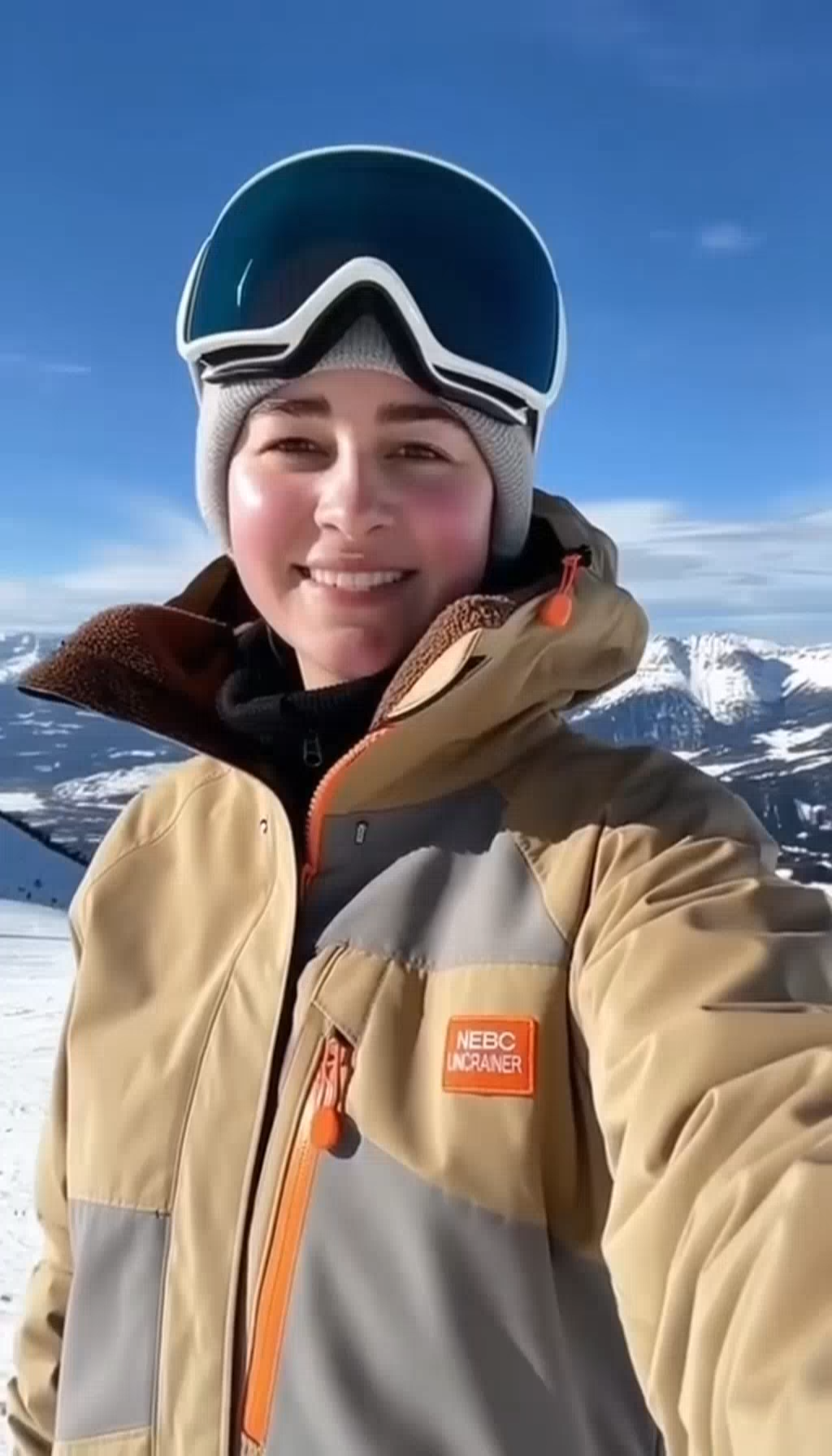
image kling 3.0 model

AI video generation has moved fast, but Kling 3.0 marks a real turning point. Earlier tools focused on visuals first and motion second. Kling 3.0 flips that priority. It treats motion, continuity, and scene flow as the core problem to solve. The result is AI video that feels smoother, more stable, and better suited for long-form content.

This article explains what Kling 3.0 is, why it matters, how it compares to Veo 3.1 and Sora 2, Kling 3.0 prompts and how creators use it in real workflows.

What Is Kling 3.0

Kling 3.0 is the latest version of the Kling AI video model developed with a strong focus on temporal consistency. Instead of generating impressive single shots that fall apart over time, Kling 3.0 maintains motion logic across frames and scenes.

It works best for videos where continuity matters more than flashy cinematic effects. This includes ambient loops, documentaries, explainers, storytelling sequences, and long visual environments.

Why Kling 3.0 Feels Different From Older AI Video Models

Most AI video tools generate frames that look good individually but drift when played together. Kling 3.0 solves this by prioritizing how frames connect.

Key differences include:

  • Smoother frame-to-frame motion
  • Stable characters and environments
  • Fewer flickers and visual jumps
  • Better looping for long videos

Kling 3.0 does not try to overwhelm the viewer with dramatic camera tricks. It focuses on flow, stability, and watchability.

Key Features of Kling 3.0

  • Motion Continuity
    Kling 3.0 keeps movement natural across frames. Walking, camera pans, and environmental motion feel connected instead of reset every second.
  • Scene Sequencing
    It handles multi-scene outputs better than earlier models. Scenes feel related rather than stitched together.
  • Camera Awareness
    Kling understands camera intent such as slow pans, static tripod shots, or gentle push-ins. This helps videos feel intentional instead of random.
  • Latent Consistency
    Characters and environments remain visually similar across clips when prompts stay structured. This makes Kling strong for recurring visuals.
  • Prompt Flexibility
    Kling responds well to clear motion and environment instructions without overreacting to small prompt changes.

Kling 3.0 vs Veo 3.1 vs Sora 2

Each tool solves a different problem.

  • Kling 3.0
    Best for long-form videos, ambient visuals, documentaries, and loops. Motion stability is its biggest strength.
  • Veo 3.1
    Best for cinematic storytelling and polished scenes. Strong camera language and lighting, but slower and more demanding.
  • Sora 2
    Best for fast experimentation and short clips. Less reliable for long videos and scene continuity.

Quick comparison:

  • Long videos: Kling 3.0
  • Cinematic storytelling: Veo 3.1
  • Fast creative testing: Sora 2

There is no single winner. Kling 3.0 wins when continuity matters most.

Example Kling 3.0 Prompts

Copy, adapt, and reuse.

Long Ambient Scene Prompt
“Wide static shot of a futuristic city at night, soft rain falling, glowing street lights, slow drifting fog between buildings, calm atmosphere, consistent lighting, no camera shake, smooth motion, realistic reflections, cinematic but minimal movement, long continuous scene.”

Scene Extension Prompt
“Continue the same environment, same lighting, same weather conditions, same camera position, subtle changes in background activity, smooth motion continuity, no style changes, no character distortion.”

Character Consistency Prompt
“Single character walking slowly through a neon-lit street, same outfit, same facial structure, same proportions, stable lighting, fixed environment style, smooth motion, no camera cuts, no dramatic changes.”

Loop-Friendly Relaxation Prompt
“Calm ocean horizon at sunset, slow moving waves, gentle clouds drifting, soft warm light, static camera, seamless loop motion, no sudden changes, consistent color palette.”

Documentary B-Roll Prompt
“Aerial view of dense rainforest canopy, light morning mist, slow natural movement, consistent lighting, realistic shadows, no camera rotation, stable scene designed for long playback.”

ToolBest ForStrengthsLimitations
Kling 3.0Long-form AI videos, ambient scenes, looping visualsStrong motion continuity. Reliable scene extension. Stable environments over time.Slower generation speed. No built-in audio. Limited cinematic camera control.
Veo 3.1Cinematic storytelling, ads, short filmsAdvanced camera movement. Polished lighting and composition. Strong narrative control.Not suited for long loops. Requires precise prompting. Slower iteration for long videos.
Sora 2Concept demos, experimental motionNatural motion understanding. Good object persistence.Limited access. Inconsistent free usage. Not optimized for long-form content.

How Kling 3.0 Works in Practice

Kling relies on consistent visual logic rather than extreme variation.

At a high level it uses:

  • Stable latent anchoring
  • Motion-aware generation
  • Controlled variation instead of constant randomness

This makes it easier to extend scenes and maintain style across longer timelines.

A Simple Kling 3.0 Workflow

Step 1: Write a Scene-Based Plan
Break your idea into scenes. One location or action per scene works best.

Step 2: Write Structured Prompts
Describe environment, motion, and camera clearly. Keep style language consistent.

Step 3: Generate Clips
Create scenes individually or in small batches. Reuse structure to maintain flow.

Step 4: Assemble the Video
Use free editors like CapCut or DaVinci Resolve to combine clips.

Step 5: Add Audio
Voiceover, ambient sound, or music improves perceived quality more than visuals alone.

Best Content Types for Kling 3.0

Kling 3.0 performs best in these formats:

  • Long ambient videos
  • Relaxation and loop-based content
  • Educational explainers
  • Documentary-style visuals
  • AI-generated environments

It is less ideal for fast-cut ads or highly stylized action scenes.

Tips for Better Results With Kling 3.0

  • Lock your style language early
  • Keep camera instructions simple
  • Avoid drastic prompt changes mid-project
  • Use similar lighting terms across scenes
  • Think in sequences, not single shots

Consistency always beats complexity.

Limitations to Know

Kling 3.0 is not perfect.

  • Generation speed is slower than short-form tools
  • Prompts still require structure
  • Audio must be added externally
  • It does not replace full video editing

It works best as a visual generation engine, not a full production studio.

Why Kling 3.0 Matters

Kling 3.0 shows where AI video is heading. The future is not flashy one-off clips. It is stable, long-form, systemized video creation. Creators who focus on continuity, structure, and workflow will benefit most. Kling 3.0 rewards patience and planning, not randomness.

Conclusion

Kling 3.0 is not just another AI video model. It is a shift toward motion-first generation. If your goal is long videos, looping environments, or consistent visual storytelling, Kling 3.0 stands out.

The real advantage is not the tool itself. It is how you use it. Structure your scenes, lock your style, and let Kling handle what it does best, smooth, consistent AI video.

Frequently Asked Questions

  1. What is Kling 3.0 best used for
    Kling 3.0 works best for long AI videos, ambient scenes, documentaries, and loop-based visuals where motion continuity and visual stability matter more than cinematic effects.
  2. Is Kling 3.0 better than Veo 3.1
    Kling 3.0 is better for long-form and continuous scenes. Veo 3.1 performs better for cinematic storytelling, camera control, and polished short films. Each tool serves a different purpose.
  3. Can Kling 3.0 create long videos
    Yes. Kling 3.0 is designed for scene extension, looping environments, and multi-clip assembly. It handles longer visual sequences more reliably than most AI video models.
  4. Does Kling 3.0 maintain visual consistency
    Yes, when prompts are structured and style language stays consistent. Characters, lighting, and environments remain stable across clips, making it suitable for long videos.
  5. Is Kling 3.0 free to use
    Access models and limits depend on platform availability. Many creators use Kling alongside free editors and assembly tools to build full videos without paid subscriptions.
  6. Can Kling 3.0 be used for YouTube monetization
    Yes, as long as content is original, edited, and complies with YouTube policies. Kling-generated visuals are commonly used for documentaries, relaxation content, and educational videos.
  7. Does Kling 3.0 generate audio
    No. Kling 3.0 focuses on video only. Voiceover, music, and sound effects must be added using external tools.What are the main limitations of Kling 3.0
    Slower generation speed, no built-in audio, and the need for structured prompts. It is not designed for fast ad-style edits.
  8. Do I need video editing software with Kling 3.0
    Yes. Kling works best when paired with free editors like CapCut or DaVinci Resolve for assembling clips and adding sound.
  9. Is Kling 3.0 good for beginners
    Yes, if you focus on simple prompts and consistent structure. Beginners often get better results by avoiding complex camera or style changes.
Scroll to Top