


















































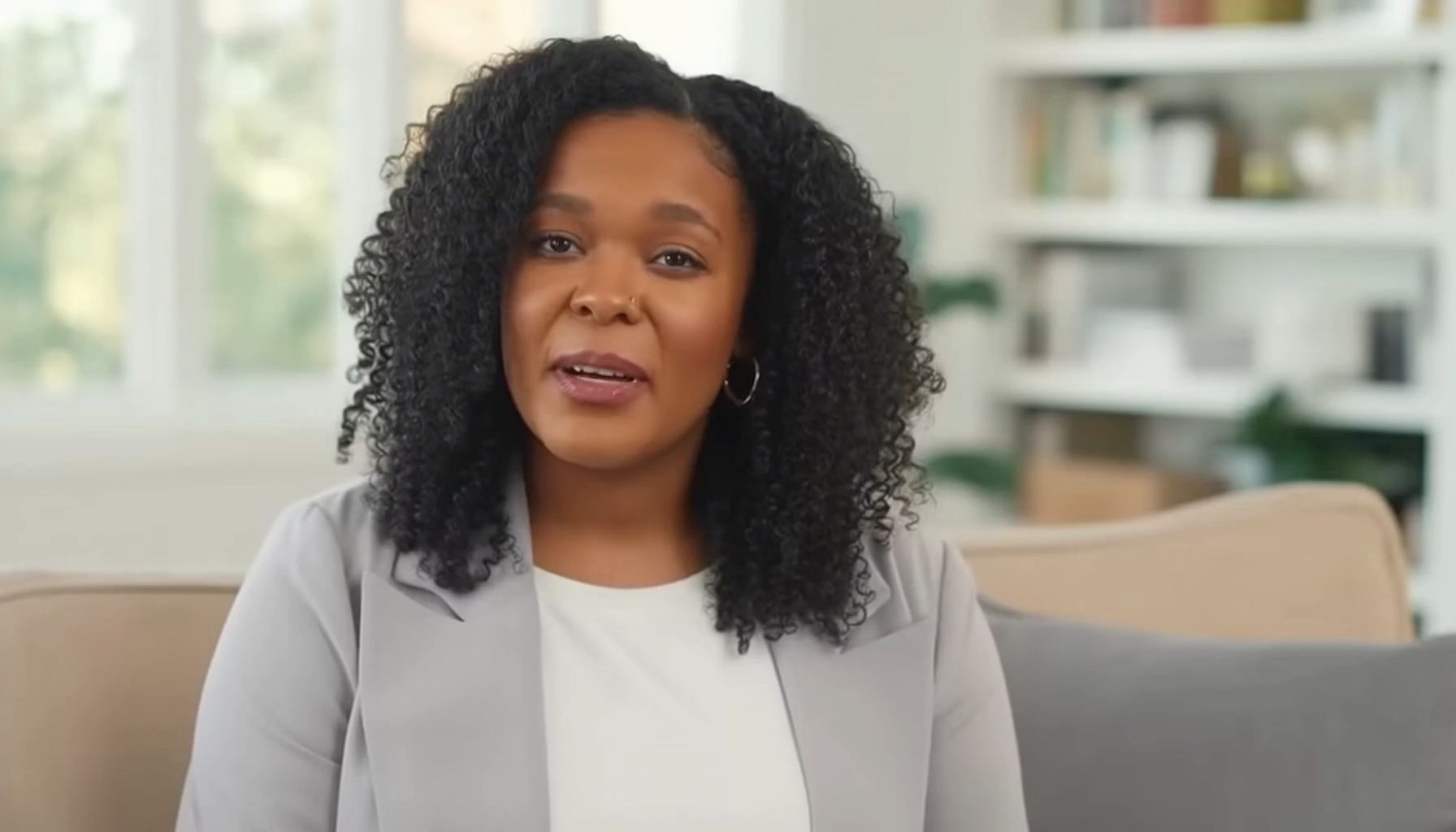

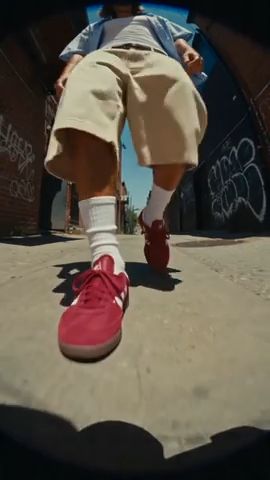

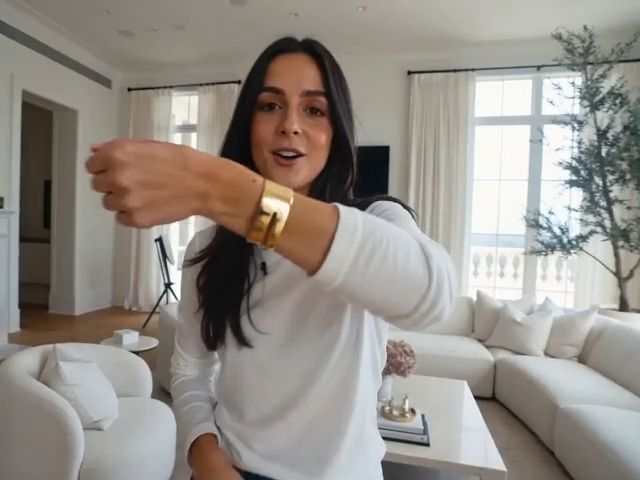
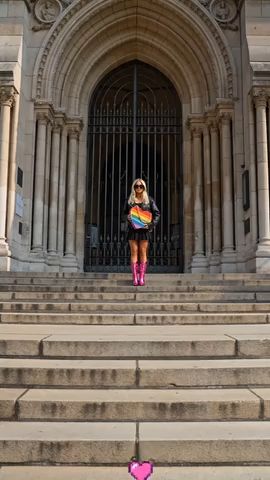













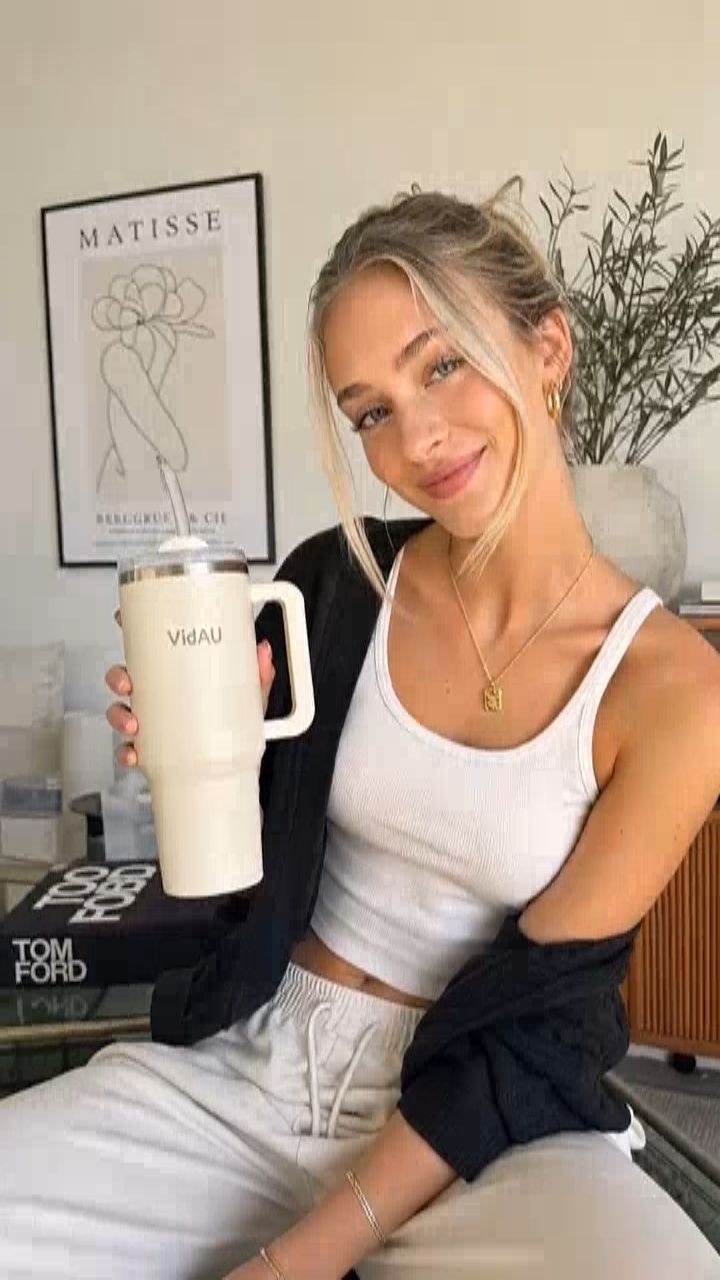
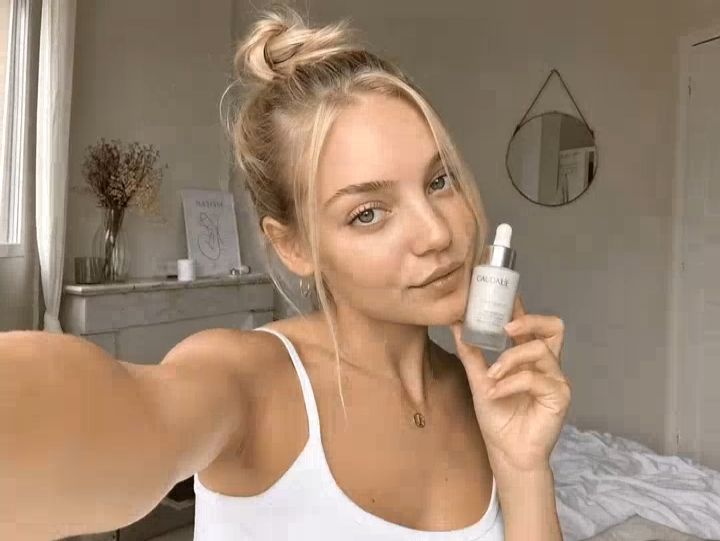
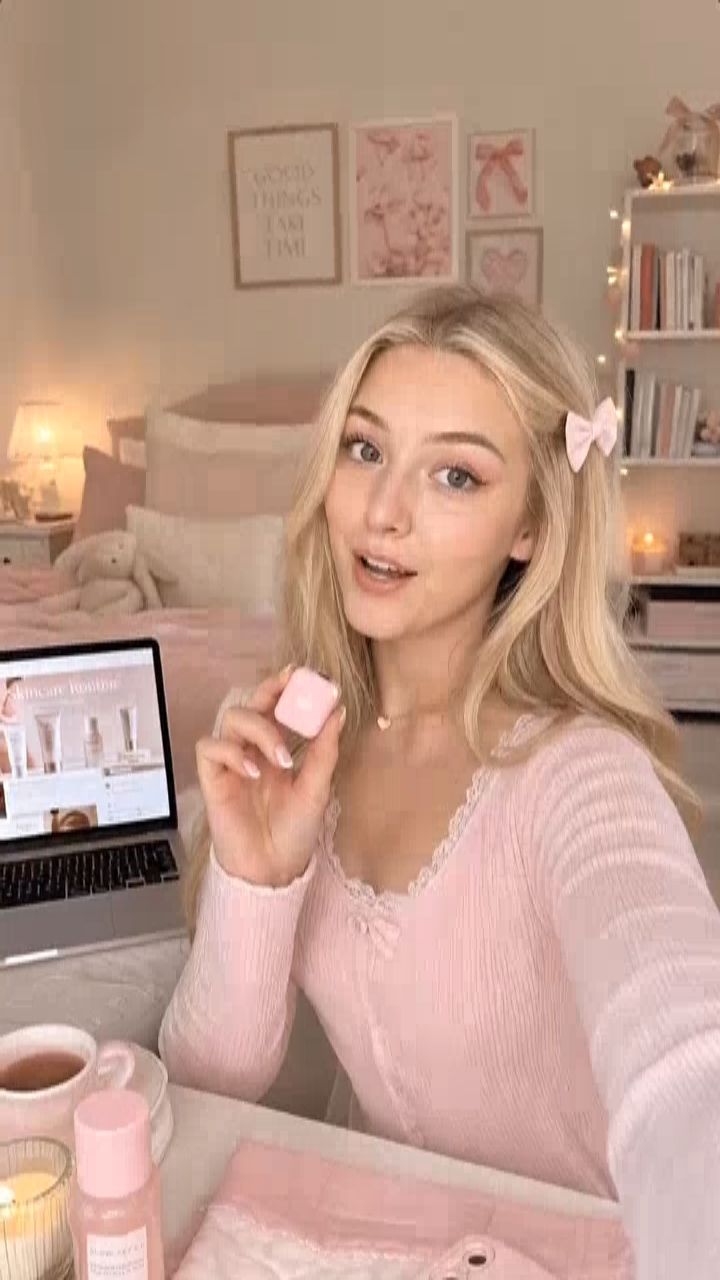






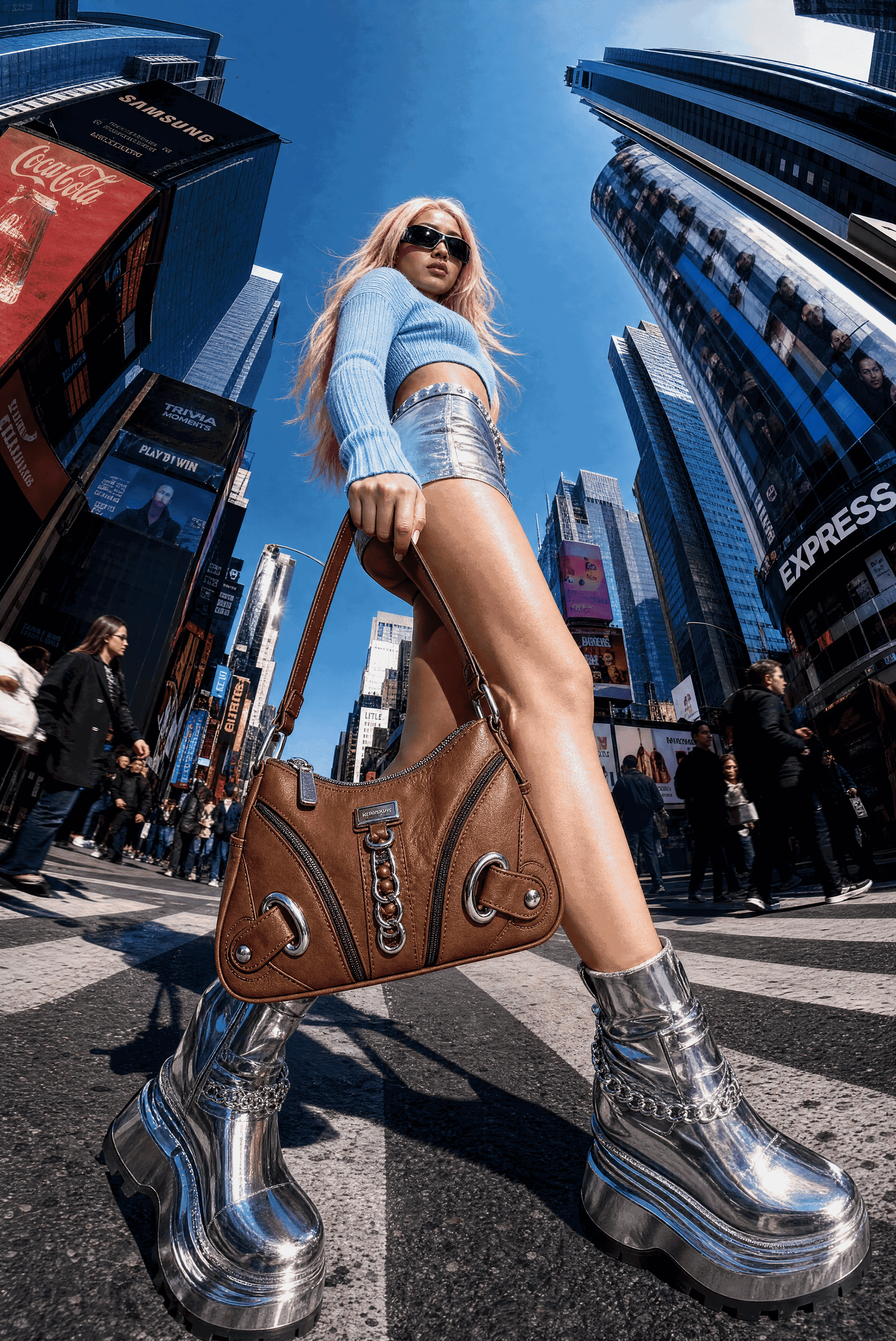

Kling 3.0 Complete Tutorial: Master Consistent Characters, Cinematic Camera Moves, and Multi‑Shot AI Films

Turn your images into cinematic videos in minutes with Kling 3.0, but only if you understand how to control consistency, motion, and storytelling at a professional level.
Kling 3.0 is not just a text-to-video generator. It is a latent video engine capable of multi-shot narrative continuity, camera choreography, and emotionally driven motion. Most beginners fail because they treat it like a prompt-only tool. This guide fixes that by breaking down Kling 3.0’s advanced features into a practical, repeatable workflow designed for AI filmmakers who want professional results.
We will focus on three core pillars: reference images for character consistency, camera and emotion control, and multi-shot storytelling with native audio. Each section assumes you want cinematic output, not random motion.
1. Using Reference Images for Consistent Character Generation in Kling 3.0
The number one problem beginners face is character drift. Faces change between shots, clothing mutates, and identities collapse across scenes. Kling 3.0 solves this through reference-based latent anchoring, but only if used correctly.
Understanding Latent Consistency in Kling 3.0
Kling 3.0 internally operates on a spatiotemporal latent space. When you upload a reference image, Kling extracts a latent identity embedding. This embedding acts as a soft constraint across frames and shots. However, unlike traditional image-to-image diffusion, Kling weighs reference influence dynamically based on motion, camera distance, and prompt complexity.
Key concept: Latent Consistency is probabilistic, not absolute. You must reinforce it.
Step-by-Step: Reference Image Workflow
1. Choose the Right Reference Image
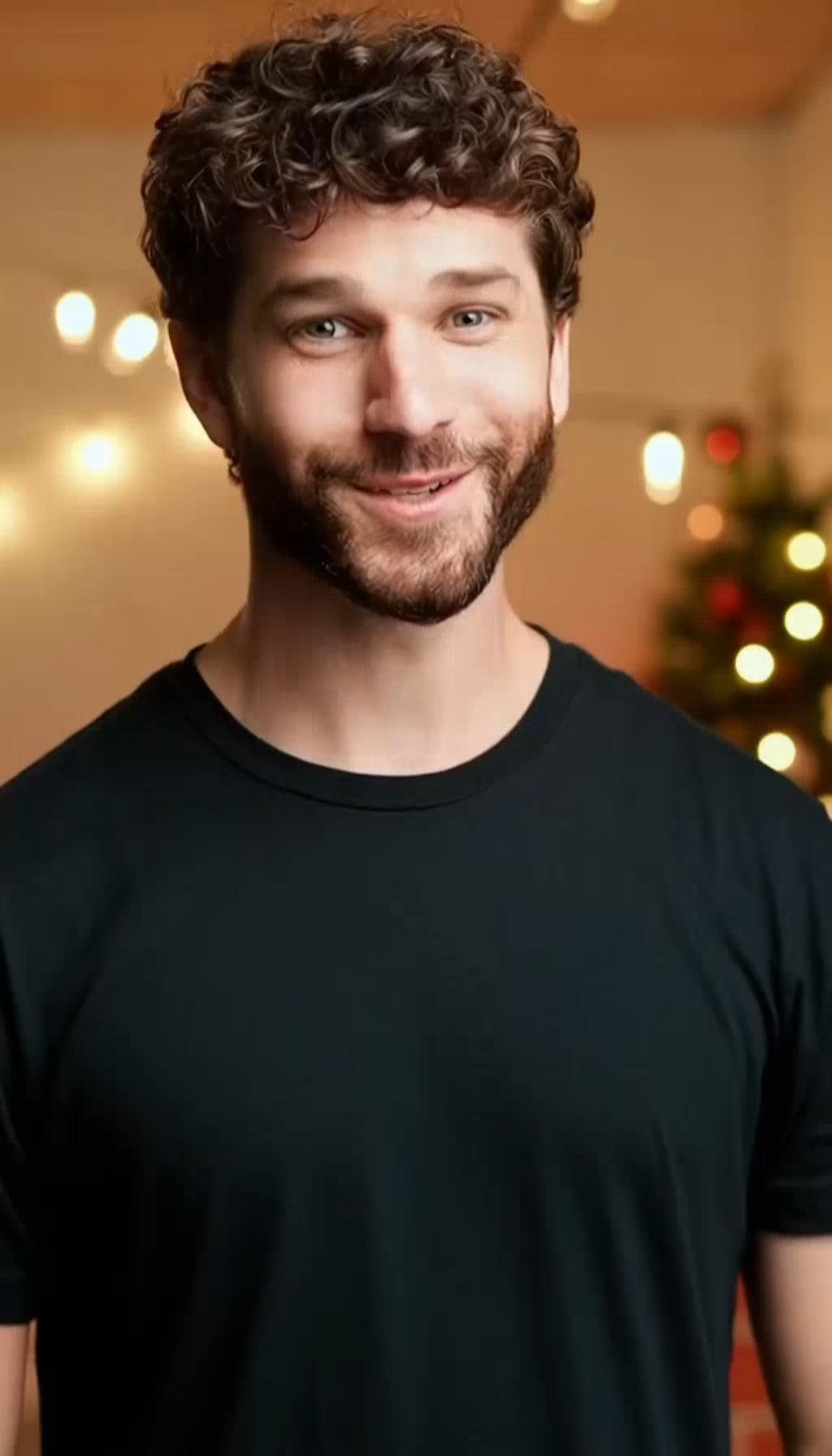
- Use a neutral expression, frontal or 3/4 angle
- Avoid extreme lighting or motion blur
- High-resolution images produce more stable embeddings
2. Enable Reference Mode
- Upload the image in Kling 3.0’s image reference panel
- Set reference strength between 0.6–0.8 for narrative shots
- For close-ups, increase to 0.85
3. Prompt for Identity Locking
Example:
- A cinematic medium shot of the same woman from the reference image, consistent facial structure, same hairstyle, same clothing, realistic skin texture
4. Use Seed Parity Across Shots
- Reuse the same seed for shots featuring the same character
- Change only camera and action descriptors
- Seed parity dramatically reduces facial drift
Advanced Tip: Reference + Text Reinforcement
Kling performs best when identity is reinforced both visually and textually. Describe immutable traits repeatedly:
- Hair color and length
- Facial structure
- Clothing type
Avoid vague descriptors like “a similar woman.” Always say “the same woman.”
Common Mistakes
- Overloading prompts with new character details
- Switching seeds unintentionally
- Using different reference images per shot
If you treat Kling 3.0 like a character engine instead of a random generator, consistency becomes predictable.
2. Camera Movement Controls, Emotion Testing, and Cinematic Motion
Kling 3.0’s biggest advantage over earlier models is camera-aware video generation. Camera motion is not post-processing, it is baked into the diffusion trajectory.
How Kling Interprets Camera Prompts
Kling parses camera instructions as temporal constraints. Words like “slow dolly in” or “handheld tracking shot” influence motion vectors during diffusion.
Effective camera keywords include:
- Dolly in / dolly out
- Pan left / pan right
- Crane shot
- Handheld camera
- Static tripod shot
Structuring Camera Prompts Correctly
Bad prompt:
A man walking sadly, cinematic
Good prompt:
A slow dolly-in shot of the same man walking forward, shallow depth of field, cinematic lighting, emotional tension
Camera movement should appear before emotional descriptors. Kling prioritizes spatial instructions first.
Emotion Testing Techniques
Emotion in Kling 3.0 is controlled through micro-motion and facial dynamics. Instead of asking for “sad,” test emotional gradients.
Example:
- “subtle sadness, restrained expression”
- “emotional tension, eyes slightly watery”
- “controlled anger, clenched jaw”
Generate multiple variants using:
- Same seed
- Same reference
- Slight emotional prompt changes
This isolates emotional variance without breaking identity.
Frame Rate and Motion Smoothness
Kling’s motion quality improves when prompts imply realistic pacing. Avoid:
- “fast dramatic movement” unless necessary
Prefer:
- “slow, deliberate movement”
- “natural human motion”
Internally, Kling uses motion interpolation similar to Euler A schedulers. Overly aggressive motion instructions can destabilize frames.
Camera Consistency Across Shots
When building sequences:
- Keep camera style consistent per scene
- Change camera only when motivated by story
This is how AI videos start to feel like films, not demos.
3. Building a Multi‑Shot Storytelling Workflow with Native Audio
Professional AI filmmaking is not about one clip. Kling 3.0 supports multi-shot storytelling when you approach it modularly.
Shot-Based Workflow
Think like a director:
1. Establishing shot
2. Medium action shot
3. Emotional close-up
4. Transition shot
Generate each shot separately but with shared:
- Seed
- Reference image
- Character descriptors
Maintaining Narrative Continuity
Use a master prompt document. Copy and reuse:
- Character descriptions
- World descriptions
- Tone and genre language
Only modify:
- Camera
- Action
- Emotion
This ensures latent continuity across clips.
Native Audio in Kling 3.0
Kling 3.0 introduces native audio generation, allowing:
- Ambient sound
- Environmental noise
- Simple dialogue cues
Example audio prompt:
Soft city ambience, distant traffic, subtle wind
Do not overcomplicate audio prompts. Kling performs best with environmental layers rather than explicit dialogue.
Syncing Audio Emotion with Visuals
Match audio mood to emotional beats:
- Low ambient noise for tension
- Warmer soundscapes for intimacy
Generate audio per shot, then stitch in post for precise control.
Export and Assembly
Best practice:
- Export clips individually
- Assemble in DaVinci Resolve or Premiere Pro
- Add color grading and sound mixing externally
Kling handles generation. Editing software handles polish.
Final Thoughts: Thinking Like an AI Filmmaker
Kling 3.0 rewards intention. If you rely on random prompts, you get random videos. If you control seeds, references, camera motion, and emotional gradients, you get cinematic results.
The key mindset shift is this:
You are not prompting scenes. You are directing diffusion.
Once you understand that, Kling 3.0 becomes one of the most powerful AI filmmaking tools available today.
Frequently Asked Questions
Q: How do I stop faces from changing between Kling 3.0 shots?
A: Use the same reference image, reuse the same seed (seed parity), and reinforce identity traits textually in every prompt. Avoid changing descriptors like hair or clothing.
Q: What camera movements work best in Kling 3.0?
A: Slow, deliberate movements like dolly-ins, pans, and static tripod shots produce the most stable results. Avoid fast or chaotic motion unless stylistically required.
Q: Can Kling 3.0 replace traditional video editing?
A: No. Kling excels at generation, but professional results still require external editing tools for pacing, color grading, and audio mixing.
Q: Is Kling 3.0 better than Runway or Sora for filmmaking?
A: Kling 3.0 excels in character consistency and cinematic camera control. Each tool has strengths, but Kling is particularly strong for narrative continuity.