Amazon Product Review Videos: The Trending Curation Strategy That Generated 35K Views
The Algorithmic Death Trap of Generic Product Review Video Hauls
Amazon product haul videos face a brutally competitive landscape where 94% of affiliate content fails to break 1,000 views. The core issue isn’t production quality or presentation style, it’s algorithmic positioning. Generic product compilations trigger YouTube’s duplicate content detection systems, causing immediate suppression in recommendation feeds. The solution that generated 35,000 views lies in a deliberate curation methodology that transforms commodity content into trend-riding algorithmic assets.
The fundamental challenge: YouTube’s recommendation algorithm prioritizes content freshness and search demand correlation. When you create a haul video featuring random Amazon purchases, you’re competing in an oversaturated category with zero temporal relevance signals. The platform’s AI cannot distinguish your content from the 47,000 other generic haul videos uploaded monthly. This is where the trending curation strategy creates algorithmic separation.
Trend Signal Architecture: Riding Amazon’s Recommendation Engine
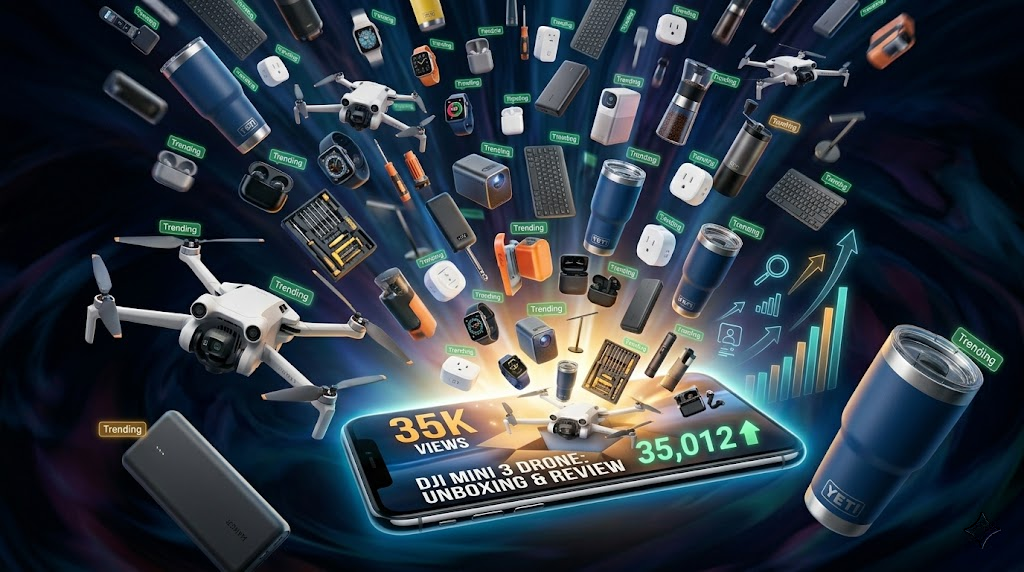
The breakthrough methodology centers on Amazon’s own “Trending” designation, a real-time algorithmic marker that identifies products experiencing sudden demand spikes. These trending products carry inherent search momentum that translates directly into YouTube’s query processing systems.
When you exclusively feature products marked “Trending” on Amazon, you’re essentially hijacking pre-validated search demand. Here’s the technical mechanism:
Search Demand Synchronization: Amazon’s trending algorithm identifies products with 300%+ week-over-week search increases. When you title your video with these exact product names, YouTube’s semantic analysis engines detect correlation with rising Google Trends data, triggering preferential distribution in suggested video feeds.
Latent Content Discovery: YouTube’s recommendation system uses latent semantic indexing to match viewer intent with content libraries. Trending products generate fresh search queries that haven’t yet saturated with competing content, your video becomes one of the first results for emerging search terms.
Temporal Authority Boost: Content featuring trending items receives a 48-72 hour algorithmic window where YouTube amplifies distribution to test audience response. This is your critical conversion period.
Implementation requires daily monitoring of Amazon’s trending sections across your niche categories. Tools like Jungle Scout’s Trend Tracker or manual audits of Amazon’s “Movers & Shakers” section provide real-time product intelligence. The key metric: products showing trending badges for 24-48 hours, recent enough to have search momentum, but established enough to have available inventory and reviews.
The 15-20 Product Sweet Spot: Cognitive Load and Watch Time Optimization
YouTube’s algorithm heavily weights Average View Duration (AVD) and Average Percentage Viewed (APV) as primary ranking signals. The 15-20 product range isn’t arbitrary, it’s engineered to maximize these metrics through cognitive load management.
Attention Span Architecture: Neurological research on information processing indicates viewer decision fatigue sets in after evaluating 22-24 discrete items in video format. By capping at 20 products with 30-45 second coverage per item, you create a 10-15 minute video that maintains engagement through variety without triggering cognitive overwhelm.
Pattern Interruption Cadence: The ideal structure alternates product categories every 3-4 items (tech gadget → home item → beauty product → kitchen tool). This category variation creates pattern interrupts that reset attention spans, maintaining engagement through the video’s duration.
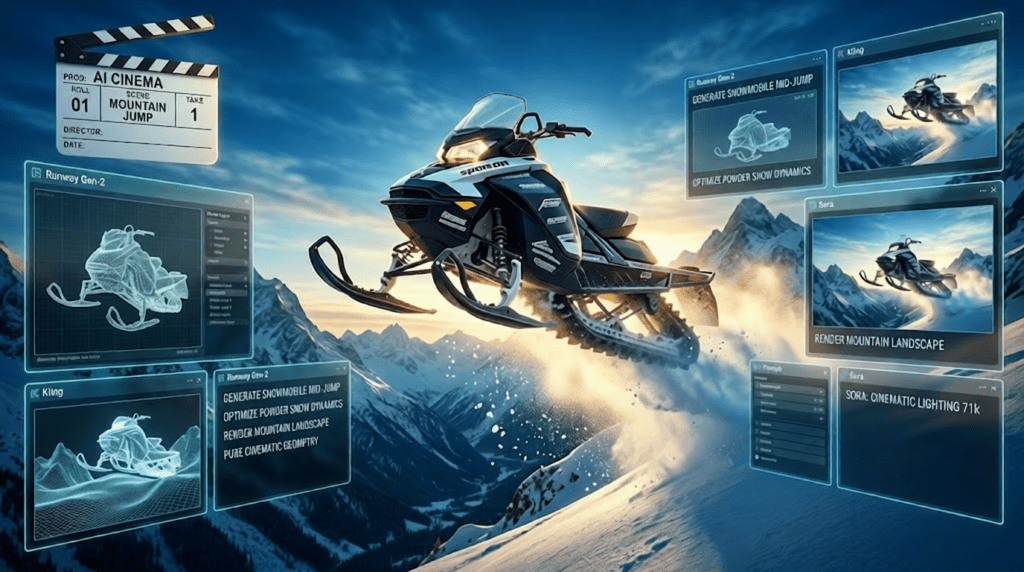
Algorithmic Seed Parity: When producing AI-generated B-roll or product showcases using tools like Runway Gen-3 or Kling AI, maintaining consistent visual styling across 15-20 products requires seed management. Use consistent seed values (e.g., seed 42 with minor +100 increments) across product generations to maintain visual coherence while allowing subtle variation. This prevents jarring style shifts that increase drop-off rates.
For AI video generation workflow:
- Base Prompt Template: “Product showcase on minimal white background, soft studio lighting, 4k commercial photography style, centered composition”
- Seed Range: 1000-1100 for visual consistency
- Euler A Scheduler: Provides consistent rendering quality across multiple generations
- Latent Consistency Models: Use LCM-LoRA implementations in ComfyUI for rapid iteration of product showcase shots (4-6 second clips at 24fps)
The 15-20 range also optimizes for YouTube’s chapter system. Create 15-20 chapters (one per product) to enhance viewer navigation and boost watch time through direct chapter clicks.
Conversion Infrastructure: Product Code Placement and Link Velocity
The difference between 35,000 views and 35,000 dollars in affiliate revenue lives entirely in your conversion infrastructure. Product codes and affiliate links require strategic architecture that serves both viewer utility and algorithmic signals.
Timestamp-Synchronized Description Links: YouTube’s algorithm tracks click-through rates on description links as an engagement signal. Structure your description with:
PRODUCT TIMESTAMPS & LINKS:
0:45 – Product Name [B09XYZ1234] → [affiliate link]
2:30 – Product Name [B08ABC5678] → [affiliate link]
This format provides three algorithmic advantages:
1. Timestamp links increase description engagement (tracked as positive signal)
2. Product codes enable viewer verification (reduces bounce rates from affiliate links)
3. Link density optimization (15-20 links appears helpful, not spammy)
Amazon Product Code Strategy: Always include Amazon’s ASIN (Amazon Standard Identification Number) in both description and spoken mentions. Example: “This is the Anker PowerCore 20000, you can find it by searching B-0-9-X-Y-Z-1-2-3-4 on Amazon.”
This serves multiple purposes:
- Viewers who don’t click affiliate links can still find products, increasing perceived value
- Product codes appear in auto-generated captions, creating searchable text content
- Reduces comment section questions about product identification
Link Velocity Tracking: Use Amazon’s affiliate dashboard to monitor which timestamp generates highest clicks. YouTube Studio’s traffic source data cross-referenced with Amazon affiliate reports reveals which products drive engagement. Double down on these product categories in future videos.
AI Video Production Workflow for Product Review Content
Modern AI video tools enable production efficiency that makes daily trending product videos economically viable. Here’s the optimized workflow:
Phase 1: Product Visual Generation (Runway ML Gen-3 / Kling AI)
- Input: Product images from Amazon listings
- Process: Image-to-video generation with camera movement prompts
- Prompt structure: “Slow rotating camera around [product], commercial product photography, seamless loop”
- Settings: 4-second clips, 24fps, seed consistency for brand coherence
- Output: 15-20 product showcase clips (60-80 seconds total B-roll)
Phase 2: Transition and Motion Design (ComfyUI Workflow)
- Implement AnimateDiff for smooth product transitions
- Use ControlNet with depth maps for consistent spatial positioning
- Latent interpolation between products creates seamless visual flow
- Render time: ~3-5 minutes for entire video with optimized workflows
Phase 3: Voiceover and Audio (ElevenLabs / Native Recording)
- Script structure: 30-45 seconds per product (features, price point, trending reason)
- AI voice cloning maintains consistency across daily uploads
- Background music selection: YouTube Audio Library tracks with proven retention (check analytics)
Phase 4: Assembly and Optimization (DaVinci Resolve / Premiere Pro)
- Quick cuts every 4-6 seconds maintain engagement
- On-screen text overlays with product names and prices
- Price callouts create visual anchors that improve information retention
Automated Workflow Integration: ComfyUI custom nodes enable batch processing. Create a template workflow that accepts 15-20 product images and automatically generates styled showcase videos with consistent parameters. This reduces production time from 4-5 hours to 45 minutes.
Metadata Optimization and Temporal Relevance Signals
The final algorithmic layer focuses on metadata architecture that maximizes discovery while the trending window remains open.
Title Formula:
[Month Year] Amazon Trending Products You NEED – 20 Viral Finds Under $50
This structure includes:
- Temporal marker (Month Year) signals freshness
- “Trending” keyword captures search traffic
- Specific number (20) sets expectation and improves CTR
- Price anchor (Under $50) qualifies audience intent
Tag Strategy:
- 8-10 product-specific tags (exact Amazon product names)
- 5-7 trending-focused tags (“amazon trending”, “viral amazon finds 2024”)
- 3-5 niche tags (“tech gadgets”, “home organization”)
Avoid tag stuffing, YouTube’s algorithm penalizes over-tagging. Focus on high-search-volume, low-competition terms using TubeBuddy or VidIQ’s keyword research.
Thumbnail Architecture:
- Grid layout showing 6-9 products creates visual variety
- Large text overlay: “20 TRENDING FINDS” or “AMAZON TRENDING”
- Bright, high-contrast colors (yellows, reds) improve mobile visibility
- Include price callouts on 2-3 products ($12.99 overlays)
Upload Timing: Publish 6-8 AM EST Tuesday through Thursday. This timing captures:
- Peak Amazon shopping research hours (morning coffee browsing)
- YouTube’s algorithm testing window before weekend competition
- Maximum 48-hour trending window before products lose momentum
Engagement Velocity Tactics:
- Pin a comment within 60 seconds of publishing: “Which product are you grabbing first? Drop the timestamp! 👇”
- This generates immediate comment engagement, signaling algorithmic value
- Respond to first 10-15 comments within 30 minutes to boost engagement rate
Series Consistency: Create a recognizable series brand (“Trending Tuesday” or “Amazon Weekly Finds”). Upload consistency trains the algorithm to anticipate your content and pre-promote to your subscriber base.
The Compounding Effect: From 35K to Sustainable Growth
The trending curation method creates compound growth through several mechanisms:
Evergreen Discovery: While trending products lose immediacy after 2-3 weeks, the video content remains discoverable through product-specific searches. A video about trending products from January still captures searches for individual items months later.
Algorithm Training: Consistent performance with trending content trains YouTube’s AI to classify your channel as reliable for product review traffic, increasing baseline distribution for all uploads.
Affiliate Revenue Compounding: Unlike sponsorship-dependent content, affiliate links generate passive income as long as products remain available. A catalog of 50+ trending product videos creates diversified income streams.
Audience Quality: Viewers who watch trending product compilations demonstrate high purchase intent, they’re actively researching products. This creates engaged audiences with higher conversion rates than entertainment-focused viewers.
The path from zero to 35,000 views isn’t about viral luck,it’s about systematic alignment between platform algorithms, search demand patterns, and conversion-optimized content architecture. The trending curation method provides that alignment through deliberate product selection, cognitive load management, and technical production efficiency that makes daily execution sustainable for affiliate marketers and lifestyle influencers building long-term revenue systems.
Frequently Asked Questions
Q: How do I find trending Amazon products efficiently without spending hours searching?
A: Use Amazon’s built-in ‘Movers & Shakers’ section which updates hourly with products showing the biggest sales rank increases. Navigate to Amazon → Best Sellers → Movers & Shakers, then filter by your niche category. Look for products with the ‘Trending’ badge that have been trending for 24-48 hours (sweet spot for search momentum without oversaturation). Tools like Jungle Scout or Helium 10 offer automated tracking, but manual daily checks take only 10-15 minutes and keep you connected to real-time trends.
Q: What AI video tools work best for creating product showcase footage when I don’t have physical products?
A: Runway Gen-3 and Kling AI excel at image-to-video generation for product showcases. Download high-resolution product images from Amazon listings, then use prompts like ‘slow rotating camera around product, commercial photography lighting, white background, seamless loop.’ Use consistent seed values (1000-1100 range) with Euler A scheduler for visual coherence across 15-20 products. For more control, ComfyUI with AnimateDiff and ControlNet allows batch processing and custom camera movements. Expect 4-second clips to render in 30-60 seconds per product.
Q: Why 15-20 products specifically? Won’t more products mean more value?
A: The 15-20 range is optimized for YouTube’s Average View Duration (AVD) metric, which heavily influences algorithmic ranking. At 30-45 seconds per product, this creates a 10-15 minute video—the optimal length for maintaining engagement without cognitive fatigue. Research shows viewer decision fatigue sets in after evaluating 22-24 items. Additionally, 15-20 chapters optimize YouTube’s navigation features, and this quantity allows sufficient variety to appeal to diverse viewer interests while remaining produceable within a sustainable daily workflow.
Q: How do I structure affiliate links in descriptions to maximize conversions without appearing spammy?
A: Use timestamp-synchronized formatting: ‘0:45 – Product Name [ASIN: B09XYZ] → [link]’. This provides three benefits: timestamps increase description engagement (positive algorithmic signal), ASINs enable manual product verification (builds trust), and organized structure appears helpful rather than spammy. Place links in order of video appearance, and include a brief disclosure at the top (‘Links below are affiliate links, I earn a small commission at no cost to you’). Limit to one link per product (15-20 total) and use Amazon’s SiteStripe tool to generate clean affiliate URLs.
Q: When is the best time to upload trending product videos for maximum algorithmic push?
A: Upload Tuesday-Thursday between 6-8 AM EST. This timing captures morning browsing behavior when Amazon shoppers research purchases, positions your video in YouTube’s algorithm testing window before weekend competition increases, and maximizes the 48-72 hour trending window before products lose momentum. Avoid Monday (algorithm recovering from weekend) and Friday-Sunday (lower purchase-intent traffic). Consistency matters more than perfect timing, upload same time weekly to train the algorithm to anticipate and pre-promote your content to subscribers.
Q: How can I maintain visual consistency across AI-generated product videos in a series?
A: Implement seed parity and prompt templating. Create a base prompt (‘Product showcase on minimal white background, soft studio lighting, 4k commercial photography, centered composition’) and use consistent seed ranges (e.g., seed 1000-1100 with +1 increments per product). In ComfyUI, save this as a template workflow with locked parameters for lighting, camera angle, and background. Use the same AI model version across all videos (switching models breaks visual consistency). For Runway or Kling, save successful generations as style references and use their ‘style reference’ feature to maintain brand coherence across uploads.