Free AI UGC Generators for High-Converting Video Ads
Introduction: Why AI UGC Is Transforming Video Ads
Create unlimited UGC-style ads with AI influencers, no actors, no studio, just results. That promise is no longer hypothetical. For e-commerce marketers and performance advertisers, AI-generated user-generated content (UGC) is rapidly becoming a core growth lever for video ads across platforms like Meta, TikTok, YouTube, and Shorts.
UGC-style video ads work because they feel authentic, personal, and relatable. They mimic real customer testimonials, unboxings, and reviews rather than polished brand commercials. The challenge has always been scale. Hiring influencers, coordinating shoots, managing revisions, and refreshing creatives every few weeks is expensive and slow. AI UGC generators solve this problem by producing realistic talking-head testimonial videos on demand.
This article explains how AI UGC generators work, how to build authentic AI influencer personas, and how to use AI-generated videos to improve conversion rates through systematic A/B testing.
The Core Problem With Traditional UGC Production
Before AI, creating UGC-style video ads involved several bottlenecks:
– Finding creators who match your brand voice and audience
– Negotiating contracts, usage rights, and timelines
– Managing inconsistent video quality and messaging
– Limited creative output due to budget and time constraints
Even brands with strong influencer networks struggle to maintain fresh creatives. Performance advertising depends on constant iteration. When ads fatigue, ROAS drops. Traditional UGC pipelines cannot keep up with the pace required for modern video ads.
AI UGC generators remove these constraints by allowing marketers to generate, edit, and test dozens or hundreds of video variations without relying on human creators for each iteration.
What Are AI UGC Generators?
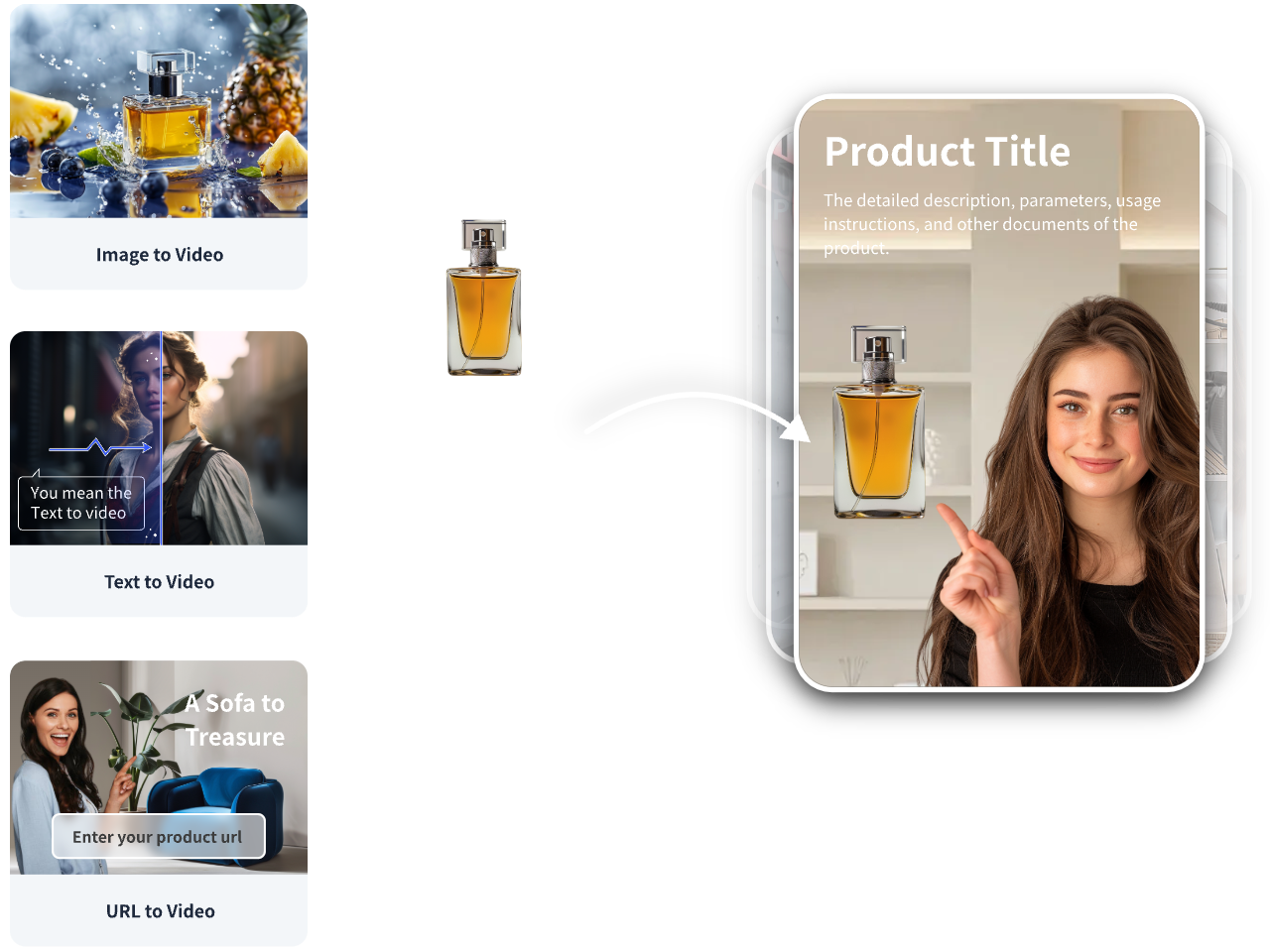
AI UGC generators are tools that create realistic video ads using synthetic influencers powered by machine learning. These tools typically combine:
– AI avatars that resemble real people
– Text-to-speech or voice cloning systems
– Lip-sync and facial expression modeling
– Script-based video generation
The result is a talking-head video that looks and sounds like a real customer testimonial. When done correctly, these videos are nearly indistinguishable from traditional UGC, especially in short-form ad placements.
Most platforms allow you to customize the avatar’s appearance, voice, tone, background, and script. Some tools also support multiple languages, emotional inflections, and camera framing styles optimized for social feeds.
Step-by-Step: How to Create AI UGC Video Ads
Step 1: Define the Ad Goal
Start with a clear objective. Are you optimizing for:
– Click-through rate
– Conversion rate
– Retention or watch time
Your goal determines the script structure, hook style, and call to action. Direct-response ads require stronger problem-solution framing, while awareness ads focus more on relatability and storytelling.
Step 2: Write a UGC-Style Script
Effective AI UGC scripts mirror how real customers talk. Use first-person language, casual phrasing, and specific outcomes. For example:
“I was skeptical at first, but after three days, I noticed…”
Avoid corporate language or exaggerated claims. Authenticity is more important than perfection.
Step 3: Choose or Build an AI Influencer Persona
Select an AI avatar that matches your target customer’s demographics and platform norms. This includes age, gender, accent, and overall vibe. Consistency matters. Reusing the same persona across multiple ads builds recognition and trust.
Step 4: Generate and Export Variations
Most AI UGC tools allow batch generation. Change one variable at a time hook, CTA, or opening line to produce multiple versions. Export videos in platform-ready formats such as 9:16 for TikTok and Reels.
18 Free AI UGC Generators for High-Performing Ads
You don’t need a studio or a production team to create video ads that convert. These free AI UGC generators let you produce high-quality, testimonial-style content using AI avatars, voices, and scripts. Each tool below offers either a free tier or a freemium model, making them ideal for testing UGC ad concepts fast.
- VidAU – Built for UGC ads. Generate AI influencer videos, customize avatars, and export for TikTok, Reels, or YouTube.
- HeyGen – Create talking-head AI videos using avatars with synced voices. Great for testimonials and direct offers.
- DeepBrain – Use AI avatars for presenter-style videos. Best for product demos or review-style UGC content.
- Synthesia – Supports multiple languages and clean avatar delivery. Ideal for global DTC or SaaS brands.
- Colossyan – Create script-based videos with custom characters and subtitles. Good for onboarding flows.
- D-ID – Focuses on facial animation and emotional realism. Useful for human-like delivery.
- Pictory – Turn long-form text into short videos. Great for repurposing blog posts or product reviews.
- Animoto – Drag-and-drop editor with ready-made templates. Works well for simple highlight reels.
- Runway ML – Use AI to clean, edit, or add effects to your videos. Includes background removal and face tracking.
- Elai.io – Build structured slide-style videos with consistent branding. Useful for scripted ads or tutorials.
- Fliki – Turn plain text into short videos with realistic voiceovers. Good for quick UGC-style testimonials.
- Steve.AI – Make animated or cartoon-style explainer videos. Light, fun, and effective for ad storytelling.
- Lumen5 – Convert blog content into video with visuals and captions. Ideal for info-driven UGC formats.
- Kapwing AI – Script-to-video in one click. Simple, fast, and easy to test multiple ad hooks.
- InVideo – Use templates and built-in script tools to generate UGC ads. One of the most flexible options.
- Movio – Create spokesperson-style content using AI avatars. Great for short-form platforms like TikTok.
- VEED.io – Add voiceovers, captions, and trim videos fast. Strong editor for customizing AI output.
- Descript – Advanced editing and voice cloning. Best for refining your UGC content before publishing.
Start testing with the one that fits your ad goals. If you’re focused on speed, scale, and social-ready UGC, VidAU is your best bet.
Building Custom AI Influencer Personas
Brand authenticity is critical in AI-generated video ads. Generic avatars can feel artificial if they do not align with your brand identity.
A strong AI influencer persona includes:
– A consistent name and backstory
– Defined tone of voice (energetic, calm, expert, friendly)
– Visual consistency across ads
– Clear alignment with your target audience
For example, a fitness DTC brand might create an AI persona positioned as a busy professional who values quick workouts. A skincare brand may use a calm, knowledgeable persona focused on results and routines.
Over time, these personas function like virtual brand ambassadors. They allow you to scale UGC while maintaining a coherent brand presence across video ads.
Generating Natural Voices and Emotions
Voice and emotion determine whether AI UGC feels real or robotic. Modern AI voice systems support:
– Natural pacing and pauses
– Emotional inflection
– Emphasis on key phrases
When generating voiceovers, avoid monotone delivery. Adjust emphasis around the hook and the outcome. For example, excitement works well in the opening, while sincerity is better during testimonials.
Some tools allow multiple emotional presets or manual adjustments. Test variations such as calm vs. enthusiastic delivery to see which performs better in video ads.
Visual emotion matters as well. Subtle facial expressions, head movements, and eye contact increase perceived authenticity. Avoid overly exaggerated expressions, which can reduce trust.
A/B Testing AI-Generated Video Ads at Scale
One of the biggest advantages of AI UGC generators is the ability to test at scale.
What to Test
– Hooks in the first three seconds
– Different problem statements
– Multiple CTAs
– Persona variations
– Voice tone and pacing
How to Structure Tests
Change only one variable per test. For example, keep the same script but swap the opening hook. Or keep the hook constant and test different CTAs.
Because AI generation is fast, you can launch 10–20 variations instead of the usual 2–3. This increases the likelihood of finding winning creatives for your video ads.
Interpreting Results
Focus on early metrics such as thumb-stop rate and watch time before optimizing for conversions. AI UGC ads often excel at engagement, which compounds performance over time.
Practical Examples for E-commerce and DTC Brands
Example 1: Skincare Brand
A skincare brand uses an AI persona to share a morning routine testimonial. They generate 12 variations with different hooks:
– “I struggled with breakouts for years…”
– “If you have sensitive skin, watch this…”
The brand identifies the top-performing hook and scales it across platforms, reducing CPA by 30%.
Example 2: Subscription Product
A subscription box company creates AI UGC videos explaining why the product saves time. They test different emotional tones—calm vs. excited—and find that calm delivery converts better for their audience.
Example 3: New Product Launch
A DTC brand launches a new product using AI UGC to simulate early reviews. These ads drive initial traffic while real customer reviews are collected.
Common Mistakes to Avoid With AI UGC Ads
– Using overly polished or sales-heavy scripts
– Ignoring platform-specific creative norms
– Changing too many variables in one test
– Overusing generic avatars without customization
– Neglecting compliance and disclosure requirements
AI UGC should enhance authenticity, not replace strategic thinking. Poor inputs lead to poor outputs.
Final Checklist for Launching High-Converting AI Video Ads
– Define a clear ad objective
– Write natural, first-person UGC scripts
– Build consistent AI influencer personas
– Use realistic voice and emotional settings
– Generate multiple variations for testing
– Optimize based on early engagement metrics
– Refresh creatives regularly to avoid ad fatigue
AI UGC generators give e-commerce marketers unprecedented creative velocity. When used strategically, they unlock scalable, high-converting video ads without the traditional cost and complexity of influencer production.
By combining authentic personas, natural delivery, and systematic testing, AI-powered UGC is becoming one of the most effective tools in modern performance advertising.
Frequently Asked Questions
Q: Are AI UGC video ads allowed on major ad platforms?
A: Yes, most major platforms allow AI-generated video ads as long as they comply with advertising policies, avoid deceptive claims, and follow disclosure requirements where applicable.
Q: Do AI UGC ads perform as well as real influencer videos?
A: In many cases, AI UGC ads match or outperform traditional influencer content because they can be optimized and refreshed more frequently.
Q: Is it expensive to get started with AI UGC generators?
A: Most tools operate on subscription models that are significantly cheaper than hiring multiple influencers and managing video production.
Q: Can AI UGC be used for retargeting campaigns?
A: Yes, AI UGC works well for retargeting by delivering testimonial-style reassurance to users who have already interacted with your brand.