Everything You Need to Know About n8n 2.0 API Workflow for Videos
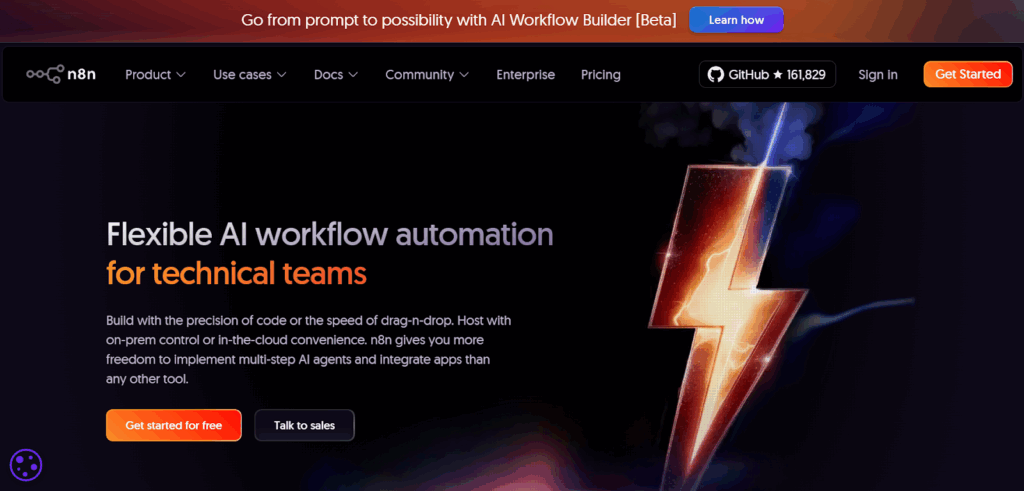
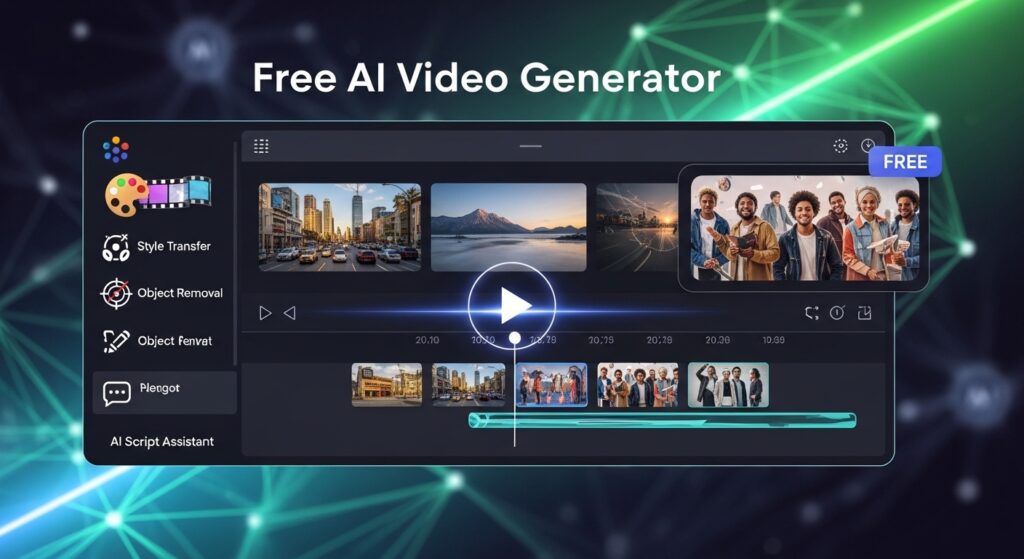
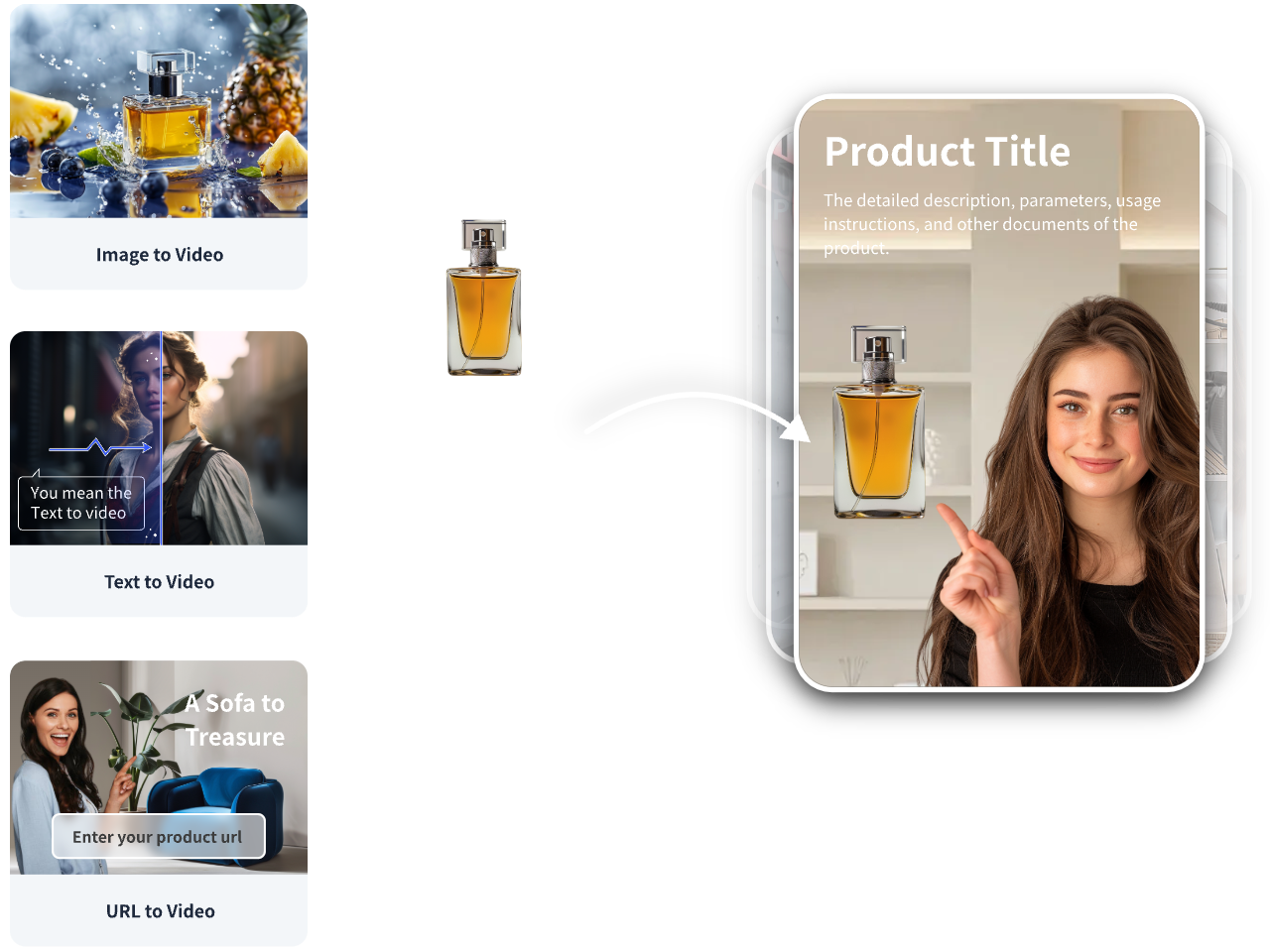
n8n 2.0 is now one of the strongest automation tools for building AI video pipelines. It helps creators, developers, and agencies automate scripts, prompts, voiceovers, video rendering, captions, and uploads. This makes it useful for people using tools like Nano Banana PRO, VidAU, or any AI video API.
This guide explains how n8n 2.0 works, how video workflows run, and how to use Blueprint templates for fast automation.
What Is n8n 2.0 and Why It Matters for Video Workflows?
n8n 2.0 is the updated version of the n8n automation platform. It brings better speed, stability, and control. It is open-source, so users can host it anywhere and build custom workflows with full freedom.
For video creators, n8n 2.0 matters because it allows clean automation of prompts, rendering, batching, retries, and uploads.
Key Improvements in n8n 2.0
n8n 2.0 includes:
- Faster workflow execution
- Strong error handling
- Simpler debugging
- Cleaner UI
- Better node performance
These upgrades help video workflows run smoothly without crashes.
Why n8n Fits Modern AI Video Tools
AI video tools depend on stable inputs and timed API calls. n8n handles this with logic nodes, retries, and scheduling. It also connects to many tools, including AI models, voice generators, and storage systems.
How n8n 2.0 API Workflow Works for Video Automation
An n8n workflow follows three stages: trigger, process, and output. This lets you build full video pipelines with simple nodes.
Trigger, Process, and Output Layers
- Trigger: A schedule, webhook, form, or database event starts the workflow.
- Process: AI models create scripts, voices, or videos.
- Output: n8n uploads the final video or stores it.
Connecting AI Video Models
You can connect models like Nano Banana PRO, Sora-style UGC tools, or your own AI server. n8n sends prompts, receives video files, and moves them to the next node.
Handling Data, Errors, and Retries
n8n has built-in retry logic. It also supports conditional paths. This helps when an AI model times out or returns an error.
Best Use Cases of n8n 2.0 for Video Creation
n8n fits many video workflows. Here are the strongest use cases.
Realistic UGC Video Pipelines
Creators build flows like:
- Script generation
- Voice creation
- Video generation
- Captioning
- Export and upload
This helps brands scale UGC content daily.
SQL or Sheet Data to AI Videos
Businesses turn product data, news entries, or event lists into automated video batches.
Example: “Make 30 product videos today.”
Multi-Platform Posting Workflows
n8n uploads videos to TikTok, YouTube, Instagram, or storage platforms. This reduces manual posting.
Using n8n Blueprint Templates for Faster Video Automation
Blueprints help you build workflows without starting from scratch. They save time and give structure to new users.
Pre-built Blueprints for Video Tasks
Blueprints cover tasks like:
- Video generation
- Prompt batching
- Social posting
- Caption generation
They help beginners launch full pipelines fast.
How to Customize a Blueprint
You replace nodes with your API keys or your own logic. You can also add conditions or loops to improve workflow behavior.
Building Your Own Blueprint
Focus on clear triggers, predictable API calls, and clean outputs. A simple structure always works better for scaling.
n8n 2.0 + AI Agents: Next-Gen Video Automation
AI agents add reasoning to n8n workflows. They handle tasks that need decisions, corrections, or multi-step planning.
How AI Agents Work Inside n8n
An AI agent reads a goal, checks the workflow state, and decides the next action. It can also fix errors or rewrite prompts.
AI Agents With Nano Banana PRO
Agents improve prompt clarity, generate storyboards, or create multi-video batches. They help you scale video ideas without manual input.
Agentic Message Handling for Video Goals
You can give a task like “Create 10 UGC videos today.”
The agent will break it into steps and run the workflow.
Comparison Table: n8n vs Other Video Workflow Tools
Here is a simple comparison to help you understand where n8n fits.
| Feature | n8n 2.0 | Zapier | Make.com |
| Hosting | Self-host or cloud | Cloud only | Cloud only |
| API control | High | Medium | Medium |
| AI video workflow support | Strong | Limited | Strong |
| Blueprints | Yes | Basic templates | Scenarios |
| Best use | Complex pipelines | Simple tasks | Medium pipelines |
Strengths and Limitations of n8n
n8n is flexible and powerful. But it requires setup and learning.
When Another Tool Works Better
Zapier fits simple one-step tasks.
Make.com fits visual builders who want less control.
Conclusion
n8n 2.0 is a strong automation tool for AI video creation. Its API workflows, Blueprints, and AI agent tools help creators scale video content with less manual work. You can build UGC video pipelines, turn data into content, and publish across platforms. When paired with AI video tools like VidAU or Nano Banana PRO, n8n becomes a complete automation layer for high-volume content production.
FAQs
1. Is n8n 2.0 good for video creators?
Yes. It helps creators automate scripts, audio, rendering, and uploads. It works well with AI video tools and supports heavy workflows.
2. Can n8n create UGC videos by itself?
No. It does not generate videos. But it connects to AI video APIs that handle generation. n8n manages the workflow around them.
3. Do I need coding skills to use n8n?
Not for basic work. Advanced users can add JavaScript for custom logic, but most creators use visual nodes.
4. Can I run n8n on my laptop or server?
Yes. You can self-host n8n or use n8n Cloud. Self-hosting gives more control for heavy video pipelines.
5. How does n8n work with VidAU?
You can send prompts or scripts from n8n to VidAU. VidAU returns video files or captions, and n8n handles the next steps like resizing or posting.