Seedance 2.0 Prompt Engineering: Advanced Frameworks for Cinematic, Physics-Accurate AI Video
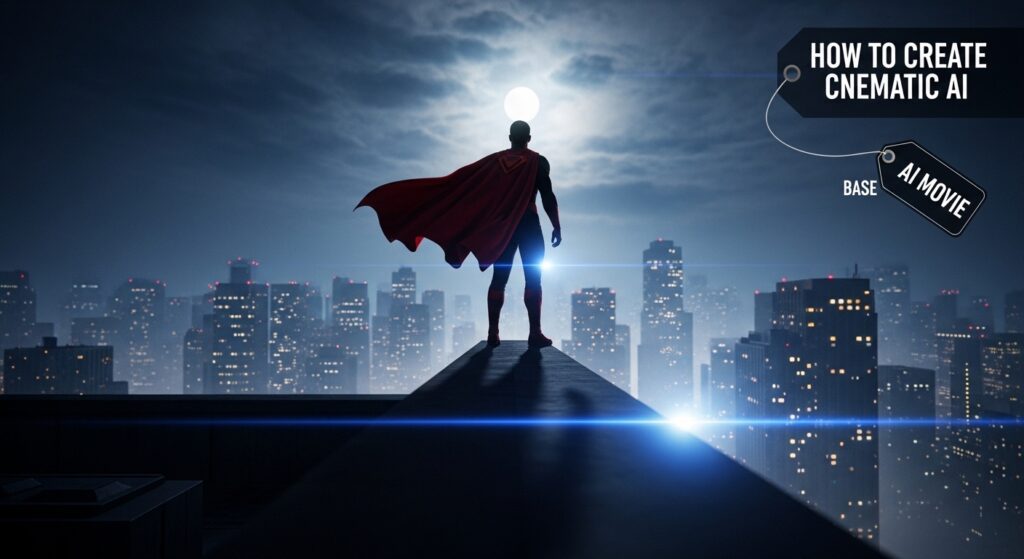
Seedance 2.0 unlocks strong cinematic control when you stop writing prompts like descriptions and start writing them like instructions. Many creators feel stuck with Seedance 2.0 because their videos look flat while others go viral. The model is strong, but the structure you use in the first prompt line shapes everything that follows.
The exact prompts that created the most viral Seedance 2.0 videos are not magic — they are engineered.
Most creators fail with Seedance 2.0 not because the model lacks capability, but because their prompts lack structure. Professional-quality outputs come from controlling three systems simultaneously:
1. Cinematic direction (camera + lighting + motion grammar)
2. Character realism (anatomy + material response + physics)
3. Latent consistency (seed control + structural repetition + grid logic)
This guide breaks down the exact frameworks high-performing creators use across Seedance 2.0, Runway Gen-3, Sora-style pipelines, Kling, and ComfyUI workflows.
Why Most Seedance 2.0 Prompts Fail (And How Viral Creators Fix It)
The core mistake beginners make is writing descriptive prompts instead of instructional prompts.
Weak Prompt:
> A cinematic video of a woman walking in the rain, dramatic lighting.
This leaves camera motion undefined, lighting behavior vague, and physics unresolved.
V viral creators instead structure prompts into hierarchical control blocks:
[Subject Block]
[Environment Block]
[Camera & Motion Block]
[Lighting & Atmosphere Block]
[Physics & Material Response Block]
[Rendering & Temporal Stability Block]
Seedance 2.0 responds significantly better when instructions are layered in this order because of how latent attention prioritization works during temporal diffusion.
In diffusion-based video models (Euler a or DPM++ schedulers), early tokens heavily influence composition. Late tokens bias texture and micro-detail. So ordering matters.
Cinematic Prompt Architecture: Camera, Lighting, and Latent Control
1. Camera Grammar (The Missing Layer)
Professional outputs specify five camera variables:
– Lens type (35mm, 85mm, anamorphic)
– Shot type (medium close-up, wide tracking shot)
– Movement style (dolly in, crane up, handheld jitter)
– Stabilization behavior (steadycam, shoulder-mounted sway)
– Depth behavior (shallow DOF, rack focus transition)
Example High-Performance Seedance 2.0 Prompt:
- A rain-soaked cyberpunk street at night. A woman in a black trench coat walks forward with determined expression. Medium tracking shot, 35mm lens, slow dolly backward maintaining subject framing. Subtle handheld micro-jitter. Shallow depth of field, rack focus from foreground neon reflections to subject’s face. Volumetric backlight from magenta neon signage. Wet asphalt reflecting cyan highlights. Realistic cloth physics reacting to wind gusts. 24fps cinematic motion blur, high dynamic range, natural skin tones, temporal consistency, no frame warping.
Notice what’s happening:
– The camera is not implied — it is engineered.
– Lighting direction is specified (backlight + color source).
– Physics is activated explicitly.
In Seedance 2.0, camera terms influence motion vectors inside the temporal attention layers. Without them, the model defaults to generic lateral drift.
2. Lighting = Shape + Realism
Lighting prompts should define:
– Source type (practical, volumetric, global illumination)
– Direction (rim light, top-down, side key)
– Color temperature (3200K tungsten, 5600K daylight)
– Interaction (subsurface scattering, wet reflections)
Weak:
- Dramatic lighting
Strong:
- Strong rim light outlining silhouette, cool 5600K moonlight from camera left, warm 3200K practical window glow in background, volumetric fog scattering beams realistically.
Why this works:
Seedance 2.0 allocates light simulation through learned radiance priors. Specificity increases latent coherence and reduces flicker between frames.
In ComfyUI pipelines, pairing this with:
– Euler a scheduler
– 28–32 steps
– CFG 6–8
improves lighting stability without oversharpening.
3. Latent Consistency & Seed Parity
Viral creators often lock seeds when iterating shots.
Seed Parity Principle:
If two clips share the same seed and similar structure, character identity stability increases.
In Seedance 2.0:
– Keep seed fixed
– Modify only motion or environment blocks
– Avoid reordering prompt sections
This preserves latent character embedding.
For advanced creators using ComfyUI or node-based systems:
– Use Latent Consistency Models (LCM) for rapid iteration
– Switch back to full diffusion render for final output
Character Realism, Physics Accuracy, and Advanced Grid Consistency Methods
1. Specifying Character Detail Correctly
Most prompts fail because they under-specify anatomy and material response.
Instead of:
- A realistic man running
Use:
- Athletic male, 30s, defined jawline, short damp hair clinging to forehead, breathable athletic fabric shirt reacting dynamically to sprint motion, visible muscle tension in calves, natural arm swing biomechanics, grounded foot contact with pavement, realistic inertia and momentum shifts.
This activates motion realism priors inside the model.
Add physics reinforcement tokens:
– realistic inertia
– proper weight distribution
– accurate joint articulation
– gravity-consistent movement
These reduce floaty motion artifacts common in AI video.
2. Physics Anchoring Framework
To prevent unnatural animation, include three anchors:
Ground Anchor:
> firm foot-to-ground contact, shadow anchored to pavement
Material Anchor:
> fabric deformation responding to wind force
Environmental Anchor:
> rain droplets splashing upon impact with shoulders
These anchors improve temporal coherence by reinforcing cause-effect relationships across frames.
3. The Grid Method for Scene Consistency
Advanced creators use the Grid Method to maintain composition consistency across multiple shots.
Concept:
Divide scene spatially into a 3×3 mental grid.
Define:
– Subject position (center-left cell)
– Light source (top-right cell)
– Motion direction (left to right across mid row)
Prompt Example:
> Subject positioned center-left frame. Neon signage occupying upper-right quadrant casting magenta rim light. Camera tracking horizontally left to right across mid-frame plane. Background pedestrians blurred in far-right grid column.
Why this works:
It reduces composition drift because the model receives spatial anchors.
In multi-shot sequences, reuse the same grid logic across prompts.
4. Temporal Stability Tokens That Actually Work
High-performing creators often append stabilizers:
– consistent character identity
– stable facial structure
– no morphing
– smooth frame transitions
– cinematic motion continuity
These help because Seedance 2.0’s temporal transformer weights respond to continuity cues.
In ComfyUI, additional stability can be achieved by:
– Increasing temporal context window
– Using frame interpolation post-pass
– Applying optical flow refinement
Advanced Prompt Stack (Viral Template)
Here’s a professional template combining everything:
- Ultra-cinematic sequence. A battle-worn knight standing in heavy snowfall. Center-frame composition. 85mm lens, slow push-in dolly shot. Subtle handheld realism. Snow accumulating on armor surfaces. Accurate metallic reflections responding to cold blue moonlight from camera right. Warm torchlight flickering behind subject casting dynamic rim highlights. Breath vapor visible in cold air. Realistic weight shift as character grips sword. Cloth cape reacting to wind gusts with proper inertia. Grounded foot placement compressing snow. Volumetric atmosphere, shallow depth of field, high dynamic range, 24fps motion blur, stable facial structure, no temporal warping, consistent character identity.
This structure:
– Controls motion vectors
– Controls lighting physics
– Reinforces realism
– Reduces morph artifacts
Optimization for Different Engines

Seedance 2.0
– Strong with cinematic motion
– Benefits from ordered prompt blocks
– Stable when physics anchors are included
Runway Gen-3
– Responds well to camera terminology
– Slightly more forgiving with shorter prompts
Kling
– Excellent with character realism
– Needs strong motion direction cues
ComfyUI (Custom Pipeline)
Best for advanced creators:
– Euler a for natural motion
– DPM++ for sharper detail
– CFG 6–8
– 24–32 steps
– Fixed seed for identity retention
The Core Principle
Professional AI video prompting is not about adjectives.
It is about:
– Defining motion
– Anchoring physics
– Engineering light
– Controlling latent structure
– Maintaining seed consistency
When you treat Seedance 2.0 like a cinematography engine instead of a text box, your outputs shift from “AI-looking” to production-grade. And the difference is entirely prompt architecture.
Frequently Asked Questions
Q: Why does my Seedance 2.0 video look flat and generic?
A: Your prompt likely lacks camera grammar and lighting direction. Specify lens type, shot movement, light source direction, and depth of field. Ordered prompt blocks dramatically improve cinematic quality.
Q: How do I stop character faces from morphing between frames?
A: Use fixed seeds (Seed Parity), include stability tokens like ‘consistent character identity’ and ‘stable facial structure,’ and avoid reordering prompt sections between iterations.
Q: What scheduler works best for cinematic realism in ComfyUI?
A: Euler a provides natural motion flow and is widely used for cinematic outputs. Pair with 28–32 steps and CFG between 6–8 for balanced detail and stability.
Q: What is the Grid Method in AI video prompting?
A: The Grid Method divides the frame into spatial zones (like a 3×3 grid) and assigns subject, lighting, and motion direction to specific areas. This reduces composition drift and improves multi-shot consistency.