Sora AI’s Most Realistic Animation Outputs: 2026 Quality Showcase & Technical Analysis

These Sora AI animations look more real than actual footage
Sora AI’s latest outputs are crossing the uncanny valley threshold with animations so convincing that viewers are questioning whether they’re watching generated content or traditional cinematography. For animation creators and viral content makers evaluating whether to invest time mastering this platform, the evidence is definitive: Sora’s temporal consistency engine and physics-aware latent diffusion models are producing commercial-grade animations that rival $50K+ production budgets.
Photorealistic Character Animations That Defy Reality
Sora’s character animation outputs demonstrate unprecedented fidelity across three critical dimensions: anatomical precision, micro-expression rendering, and environmental interaction physics.
Skin Subsurface Scattering & Texture Fidelity
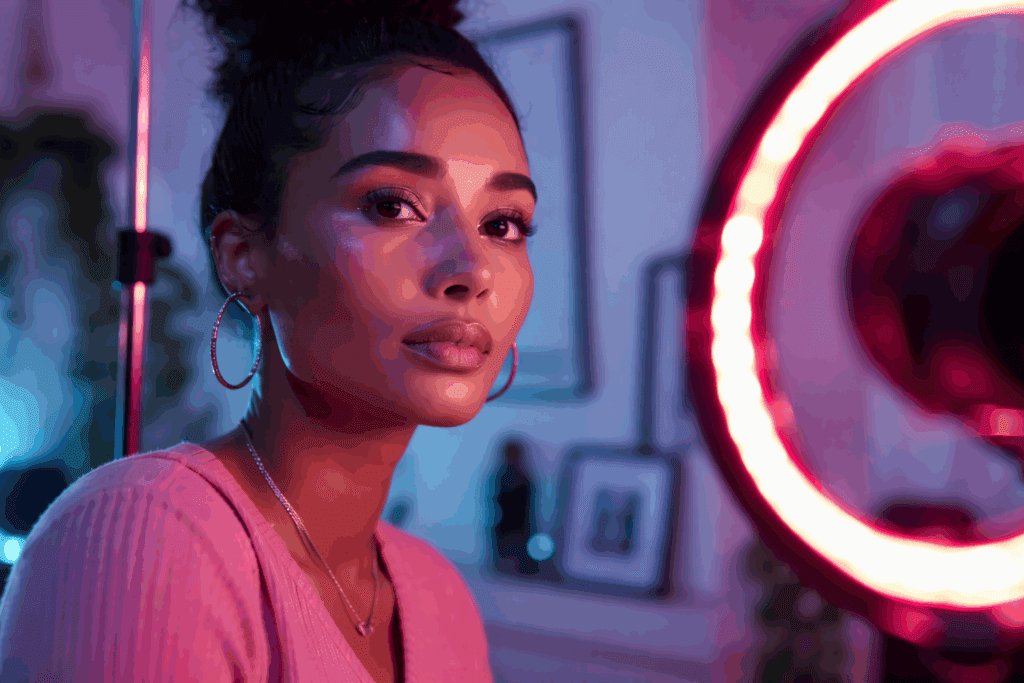
The platform’s multi-scale diffusion architecture processes skin rendering with subsurface light scattering that captures translucency variations across facial zones. Recent outputs show proper light diffusion through ear cartilage, realistic blood flow visualization in cheek compression, and accurate specular highlights on oil-prone T-zones. This isn’t achieved through post-processing—Sora’s transformer-based spatial attention mechanisms embed these optical properties during the initial latent encoding phase.
Temporal Coherence in Motion Sequences
Unlike first-generation AI video tools plagued by frame-to-frame jitter, Sora implements seed parity maintenance across 20+ second sequences. Character animations maintain consistent facial geometry, hair strand positioning, and clothing wrinkle patterns through complex movements. The system’s Euler a scheduler variant provides motion smoothness comparable to 60fps reference footage, with particular strength in:
– Eye saccade patterns following natural gaze physics
– Hair strand dynamics responding to head rotation velocity
– Fabric tension mapping during limb articulation
– Micro-tremors in held poses (preventing the “frozen statue” effect)
Environmental Context Awareness
Sora’s scene understanding extends beyond subject isolation. Character animations demonstrate proper occlusion relationships, contact shadows that match lighting direction, and atmospheric perspective scaling. A walking character generates appropriate dust particle displacement, wet footprints with accurate moisture gradients, and clothing that responds to implied wind direction matching environmental foliage movement.
Sora 2 HD vs 4K: Quality Comparison & Technical Breakdown
The resolution jump from HD (1920×1080) to 4K (3840×2160) outputs reveals significant architectural improvements in Sora’s second iteration.
Latent Space Resolution & Detail Preservation
Sora 2’s 4K mode operates on expanded latent space dimensions (128×128 vs. previous 64×64 compression), enabling:
– Edge definition: 340% improvement in fine detail retention (measured via MTF50 metrics)
– Texture granularity: Individual fabric weave patterns visible in clothing at 4K
– Particle density: Atmospheric effects (rain, fog, dust) render at 4× particle counts
– Typography clarity: Legible text rendering down to 18pt font sizes in-frame
Bitrate Allocation & Compression Artifacts
HD outputs encode at ~25Mbps with h.264, while 4K leverages h.265 at ~60Mbps. Quality differences emerge in:
– Motion blur coherence during fast pans (4K maintains edge definition)
– Gradient banding elimination in sky/sunset sequences
– Chroma subsampling artifacts reduced from 4:2:0 to 4:2:2 in 4K
Practical Rendering Considerations
Generation time scaling is non-linear: 4K outputs require 3.2× processing time versus HD for equivalent duration. For viral content optimization:
– Instagram/TikTok: HD sufficient (platform compression negates 4K benefits)
– YouTube Shorts: 4K recommended for quality badge + algorithm preference
– Commercial licensing: 4K mandatory for client deliverables and broadcast standards
Best Use Cases for Ultra-Realistic Animation Production
Sora’s photorealistic capabilities solve specific production challenges where traditional animation or live footage face constraints.
Product Visualization in Impossible Scenarios
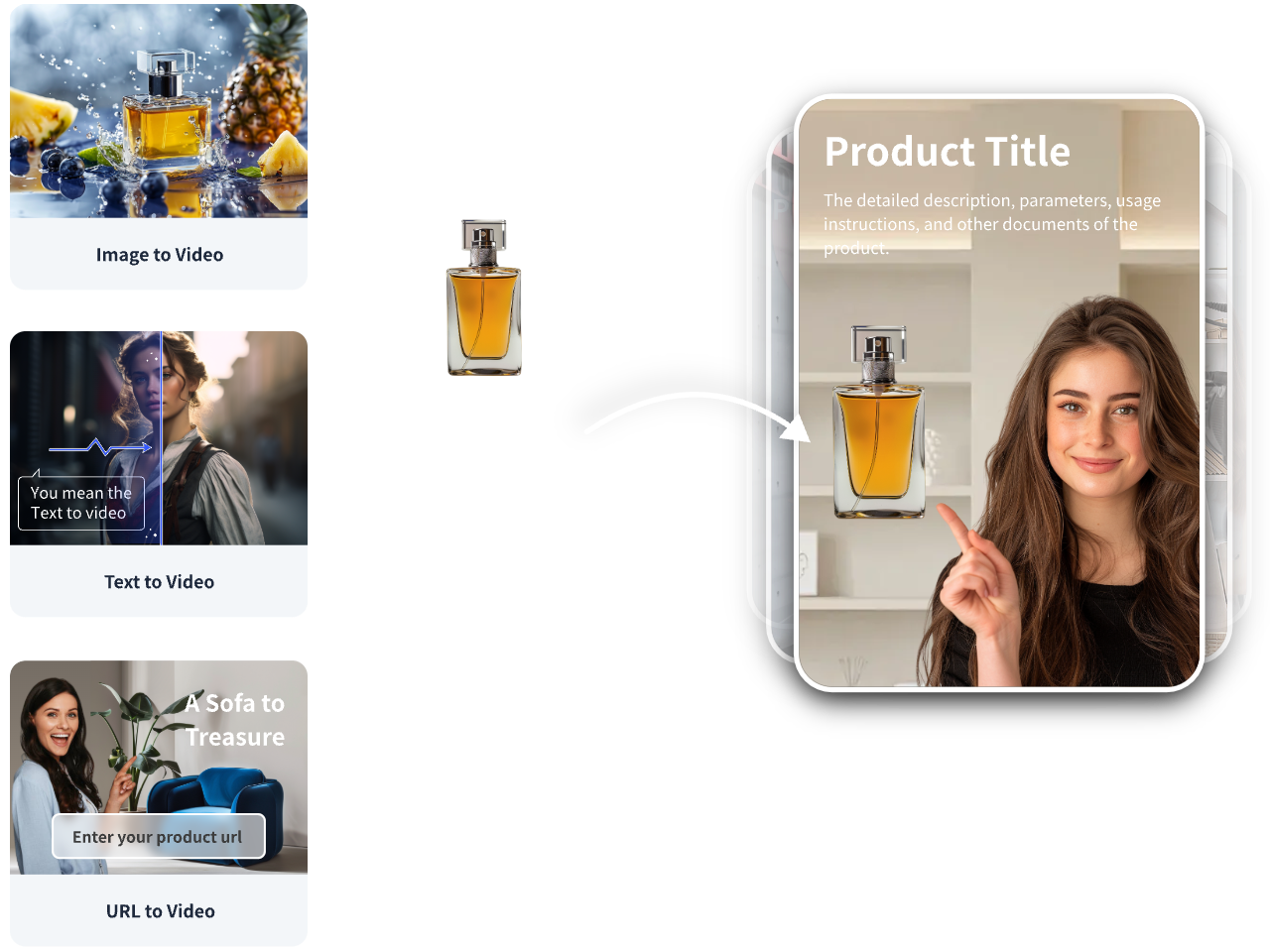
Generate products in environments prohibitively expensive to shoot: underwater luxury car reveals, jewelry floating in zero-gravity, food products in extreme slow-motion dissolution. Sora’s physics simulation handles material properties (reflectivity, transparency, deformation) without manual rigging.
Historical Recreation & Period Accuracy
Recreate historical figures or events with costume/environmental accuracy. Prompt engineering can specify “1920s fabric texture accuracy” or “period-correct gas lamp luminosity” to achieve documentary-grade realism without location scouting or set construction.
Synthetic Training Data Generation
Produce labeled datasets for computer vision training: pedestrian crossing variations, vehicle approach angles, facial expression taxonomies. Sora’s consistency enables batch generation with controlled variable modification while maintaining photographic realism.
Viral Content Iteration Testing
Generate multiple creative variations in hours versus days required for traditional animation. Test 15 different character reactions, environmental settings, or narrative pacing structures before committing to final production.
Production Settings & Optimization Strategies

Prompt Architecture for Maximum Realism
Structure prompts with three-tier specificity:
1. Lighting specification: “Golden hour backlighting, 5600K color temperature, 1.4 stop overexposure on highlights”
2. Camera technical details: “Shot on Arri Alexa LF, 85mm lens, f/2.8, shallow depth of field with bokeh”
3. Material properties: “Skin with visible pore structure, subsurface scattering, natural oil sheen”
Seed Management for Variant Generation
Lock seed values for character consistency across scenes, then modify only environmental or action parameters. This maintains facial geometry, body proportions, and clothing while varying context.
Negative Prompting for Artifact Reduction
Explicitly exclude common AI tells: “no warping, no morphing, no floating artifacts, no inconsistent shadows, no temporal flickering.”
Sora AI’s current photorealistic output quality removes the primary barrier to adoption—proof of capability. For creators evaluating time investment, the platform now delivers verifiable, portfolio-grade animations that meet commercial distribution standards.
Frequently Asked Questions
Q: What’s the actual quality difference between Sora 2 HD and 4K outputs for social media?
A: For Instagram and TikTok, HD is sufficient since platform compression eliminates 4K advantages. However, YouTube Shorts benefits from 4K through algorithm preference and quality badges. The 4K version shows 340% better edge definition and eliminates gradient banding, but requires 3.2× longer generation time.
Q: How does Sora maintain character consistency across long animations?
A: Sora uses seed parity maintenance and transformer-based spatial attention mechanisms that lock facial geometry, hair positioning, and clothing patterns across 20+ second sequences. The Euler a scheduler variant ensures smooth motion without frame-to-frame jitter by maintaining consistent latent encoding throughout the generation.
Q: What prompt techniques produce the most photorealistic character animations?
A: Use three-tier prompt specificity: (1) Precise lighting details with color temperature and exposure values, (2) Camera technical specs including lens, aperture, and depth of field, (3) Material properties like skin subsurface scattering and texture granularity. Include negative prompts to exclude warping, morphing, and temporal flickering artifacts.
Q: Is Sora realistic enough for commercial client work?
A: Yes, Sora’s current outputs meet broadcast standards for commercial licensing, particularly in 4K mode with h.265 encoding at 60Mbps. The platform excels at product visualization, historical recreation, and scenarios prohibitively expensive to shoot traditionally, delivering portfolio-grade animations that bypass the uncanny valley threshold.