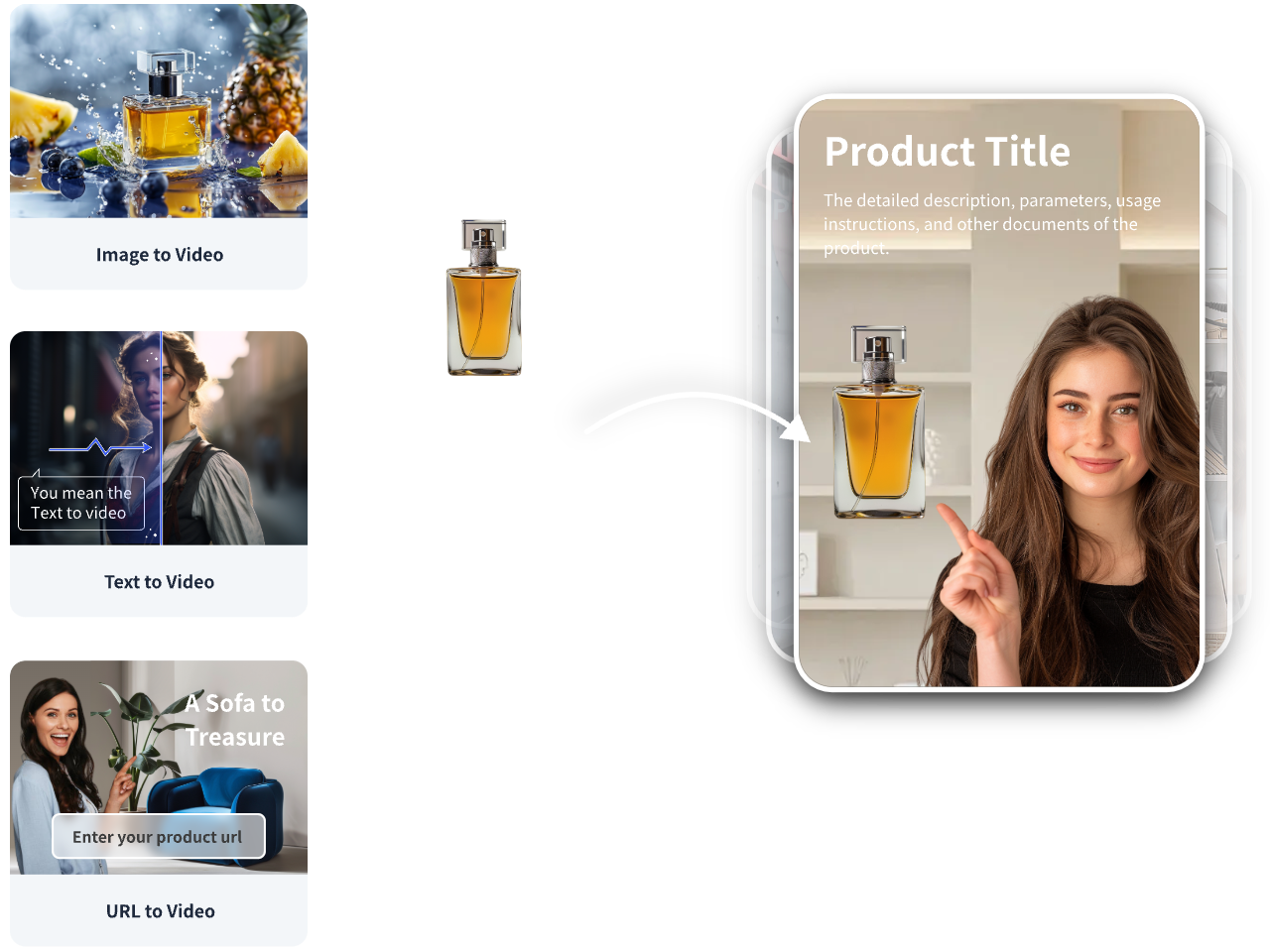
Top 5 Free AI Image-to-Video Tools in 2026 (No Watermarks, Real Results)
Stop paying for Image-to-Video Tools; these free alternatives work just as well.
Content creators are burning budgets on image-to-video platforms that promise cinematic motion but lock quality behind paywalls. The good news? In 2026, you can generate smooth, stylized image-to-video clips using completely free AI pipelines, many with no watermarks and full export control.
Below is a curated, technical breakdown of the top 5 free AI image-to-video tools, explaining how they work under the hood and which one best fits your specific creative workflow.
1. ComfyUI + Stable Video Diffusion (Best Overall Control)
Why it wins: Full node-based control, zero cost, zero watermark.
ComfyUI paired with Stable Video Diffusion (SVD / SVD-XT) is the most powerful free image-to-video setup available. You start with a still image, define motion via latent interpolation, and generate short video clips with temporal coherence.
Key technical advantages:
– Latent Consistency Models reduce frame flicker
– Euler A and DPM++ schedulers for smoother motion
– Seed parity allows repeatable outputs
– Full control over motion buckets and FPS
Limitations:
– Requires local GPU (8GB VRAM minimum)
– Learning curve for node graphs
Best for: Technical creators, AI filmmakers, YouTubers who want full control.
2. Stable Video Diffusion (Hugging Face Free Demos)
Why it’s popular: Browser-based, no install, free exports.
Hugging Face hosts official and community SVD demos that convert images into short motion clips (typically 14–25 frames). While not as configurable as ComfyUI, they’re excellent for quick results.
Technical notes:
– Fixed inference steps
– Limited motion strength controls
– Uses pre-trained latent motion priors
Limitations:
– Queue times during peak hours
– Limited resolution
Best suited for: Students, social media creators, and those looking for quick prototypes.
3. Kling AI (Free Tier, No Forced Watermark)
Why it stands out: High-quality motion realism from a single image.
Kling uses a diffusion-transformer hybrid optimized for human motion and camera parallax. Its free tier allows limited generations without mandatory watermarks.
Technical strengths:
– Strong temporal attention
– Better facial motion than most free tools
– Camera-aware motion synthesis
Limitations:
– Generation caps per day
– Limited parameter exposure
Best for: Short-form video, character shots, TikTok-style clips.
4. Pika Labs (Free Plan for Short Clips)
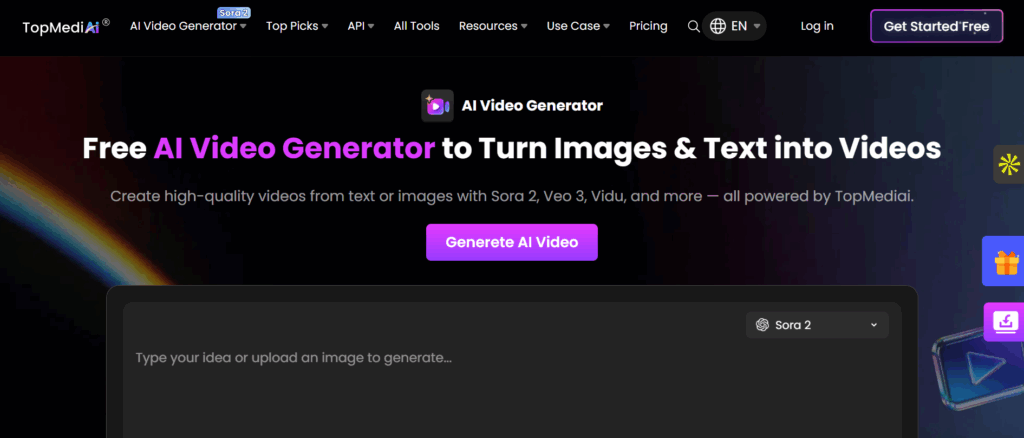
Why creators like it: Fast, stylized, beginner-friendly.
Pika’s image-to-video mode uses motion prompts layered over latent diffusion. While advanced controls are paid, the free plan still delivers usable clips.
Technical notes:
– Prompt-based motion vectors
– Lower frame consistency than SVD
– Stylized temporal smoothing
Limitations:
– Short clip duration
– Some exports may include branding depending on settings
Best for: Stylized content, memes, social posts.
5. Runway (Free Tier for Testing Concepts)
Why it’s included: Industry-standard UI, fast iteration.
Runway’s Gen models allow image-to-video testing on the free tier. While exports may be limited, it’s useful for storyboarding and motion testing.
Technical notes:
– Proprietary diffusion stack
– Strong motion coherence
– Minimal parameter control
Limitations:
– Export restrictions
– Not ideal for final delivery
Best for: Previsualization, concept testing.
Feature Comparison & Limitations (Quick View)
| Tool | Watermark | Control | Hardware | Best Strength |
| ComfyUI + SVD | None | Full | Local GPU | Professional-grade control |
| HF SVD Demos | None | Low | Browser | Fast & free |
| Kling AI | None (Free tier) | Medium | Cloud | Realistic motion |
| Pika Labs | Sometimes | Low | Cloud | Stylized speed |
| Runway | Limited | Cloud | Cloud | UI & speed |
Which Tool Should You Use?
– You want full freedom and no limits: ComfyUI + Stable Video Diffusion
– You’re broke but need results fast: Hugging Face SVD demos
– You want realistic human motion: Kling AI
– You make short-form content: Pika Labs
– You’re testing ideas for clients: Runway
Final Takeaway
If you’re still paying monthly for basic image-to-video generation, you’re overspending. In 2026, free AI tools using latent diffusion, temporal attention, and modern schedulers can produce results that rival paid platforms — if you know which one to use.
Free doesn’t mean low quality anymore. It just means smarter workflows.
Frequently Asked Questions
Q: Are these AI image-to-video tools really free?
A: Yes. ComfyUI and Stable Video Diffusion are completely open-source and free. Others offer free tiers with usage limits but no mandatory watermarks.
Q: Do I need a GPU to use these tools?
A: Only for ComfyUI + Stable Video Diffusion locally. Browser-based tools, such as Hugging Face demos, Kling, and Pika, run in the cloud.
Q: Which free tool gives the best quality?
A: ComfyUI with Stable Video Diffusion offers the highest quality and control if you have compatible hardware.
Q: Can I use these videos commercially?
A: Open-source tools like SVD allow commercial use. Always check the terms of service for cloud-based platforms.