








Nano Banana Pro Prompts Guide for High Quality AI Images

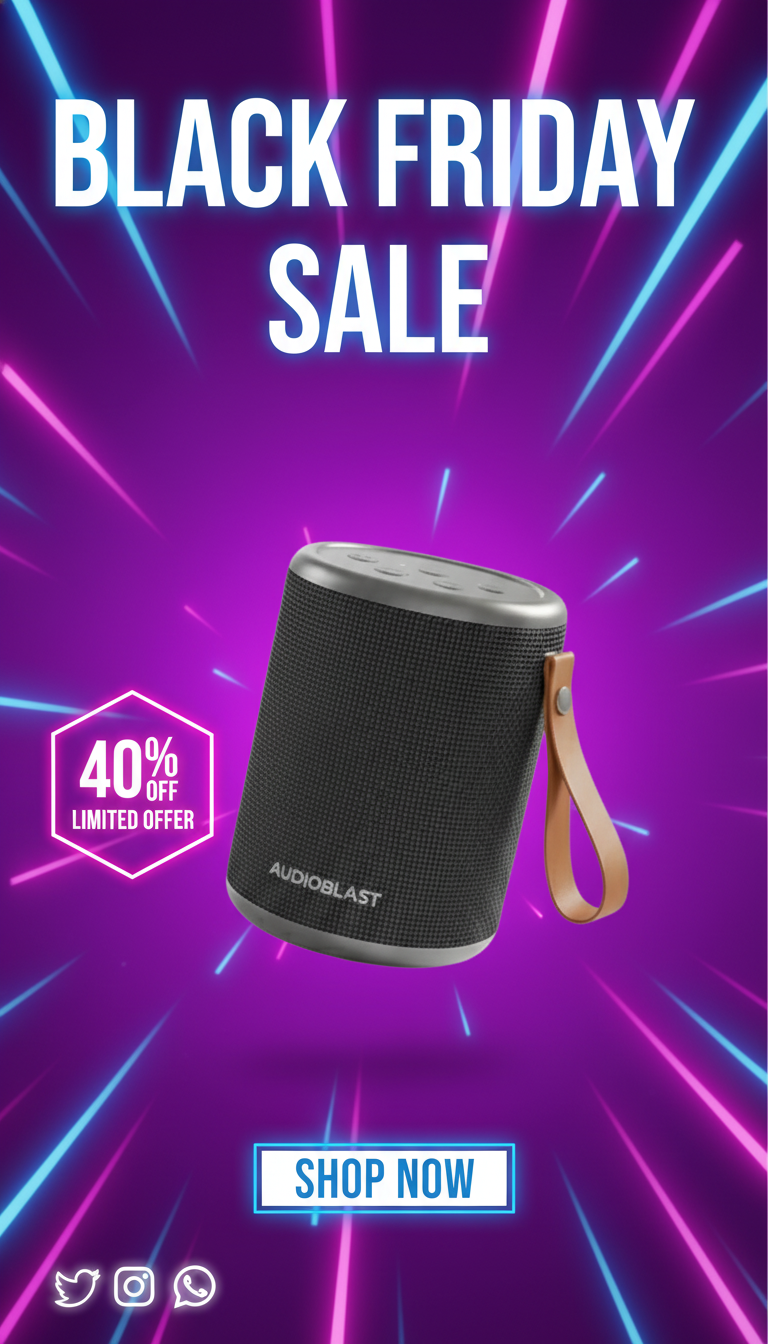
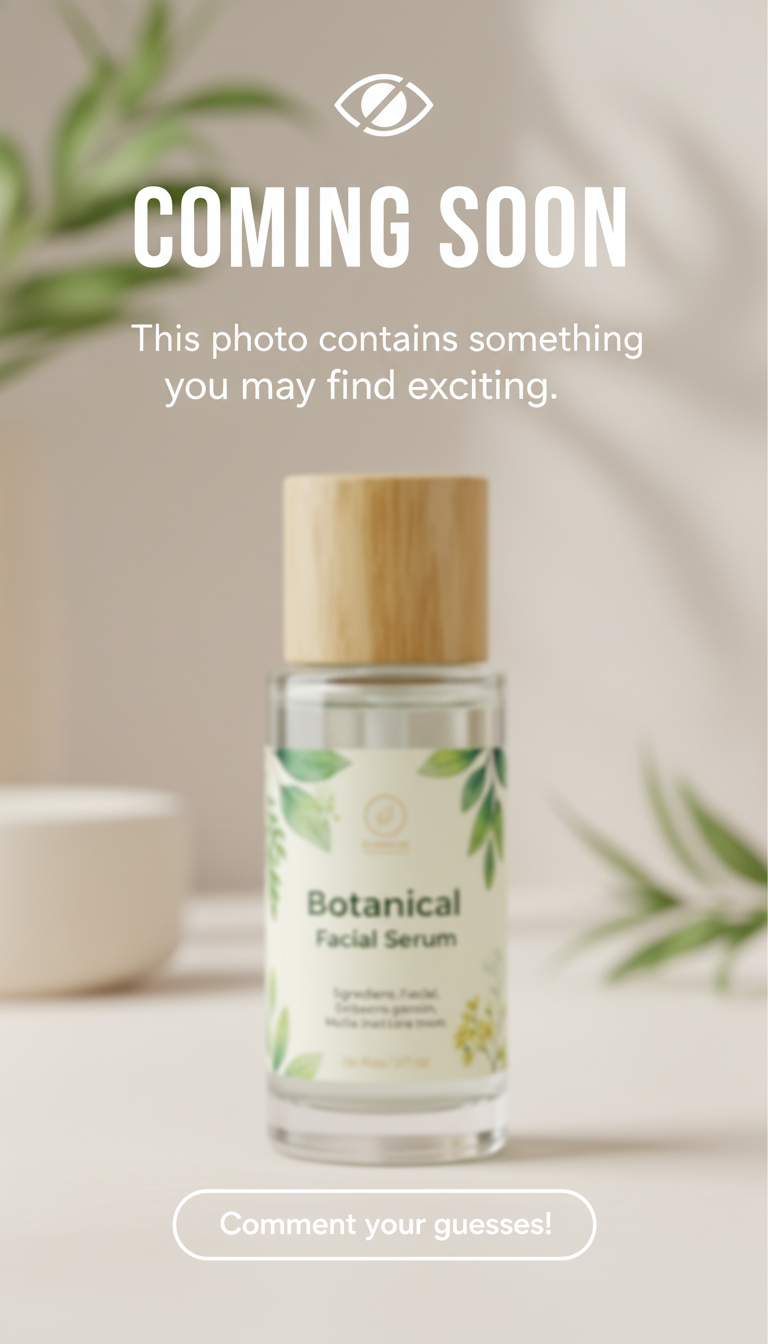
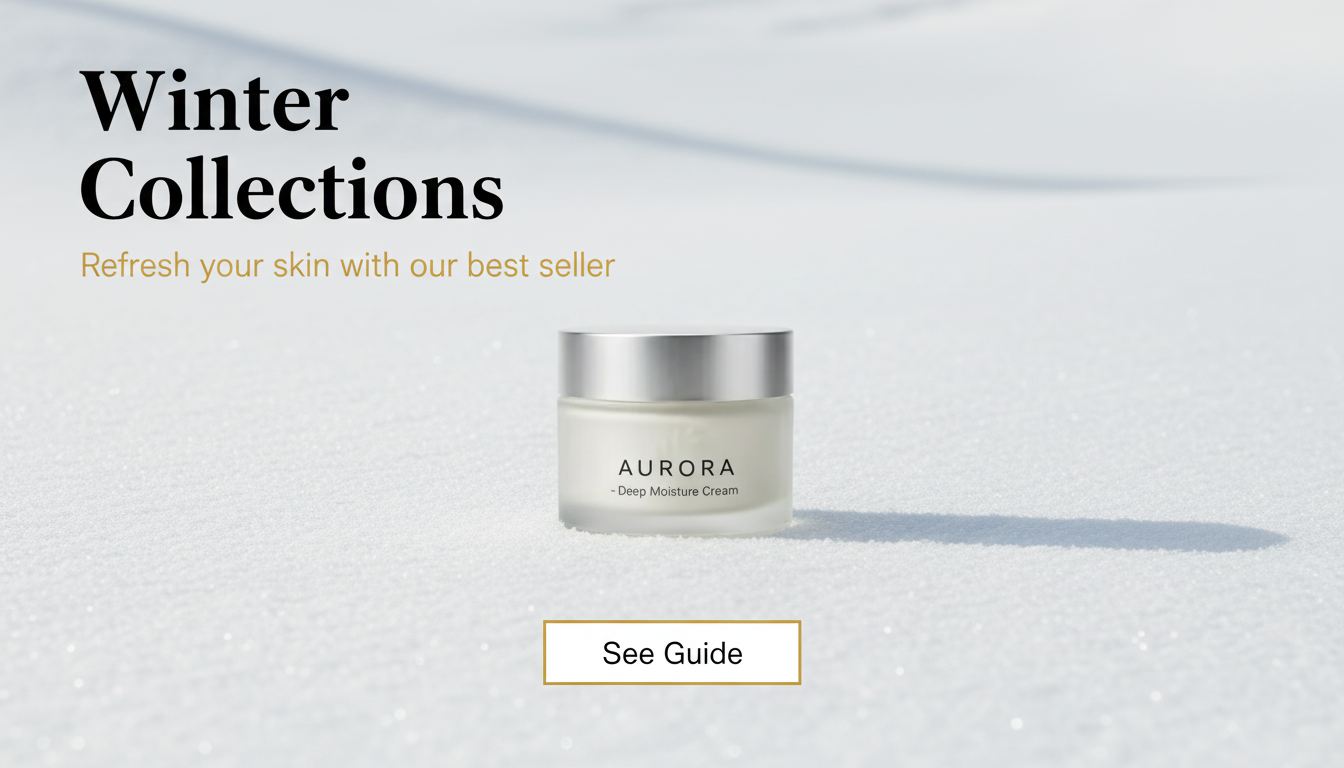
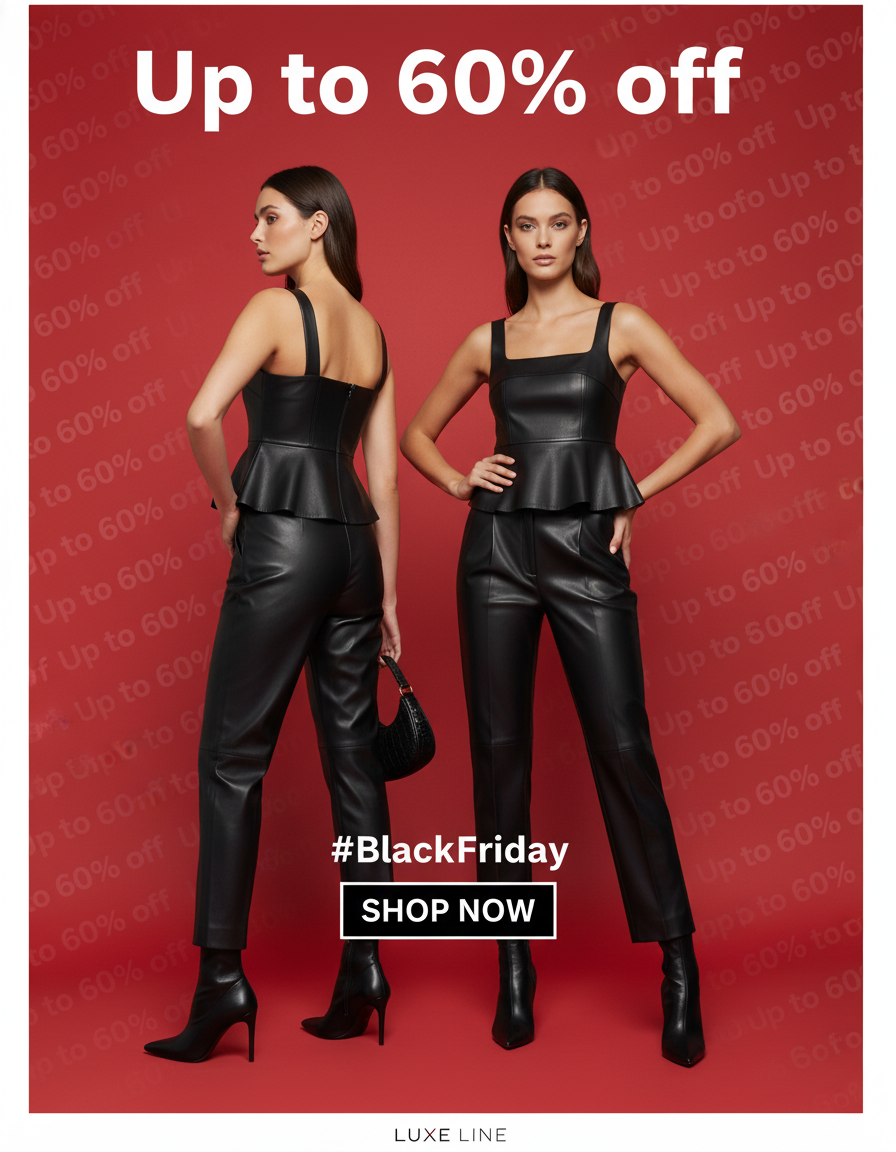
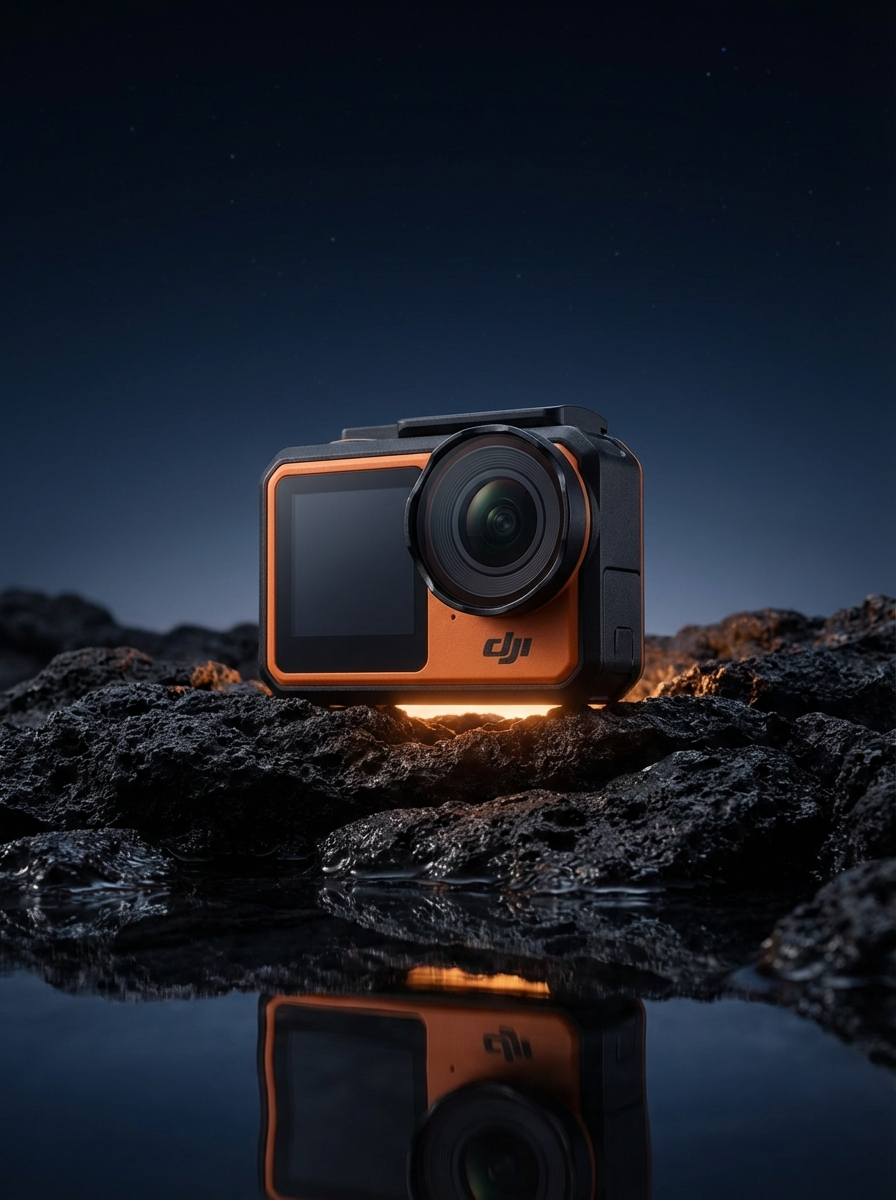
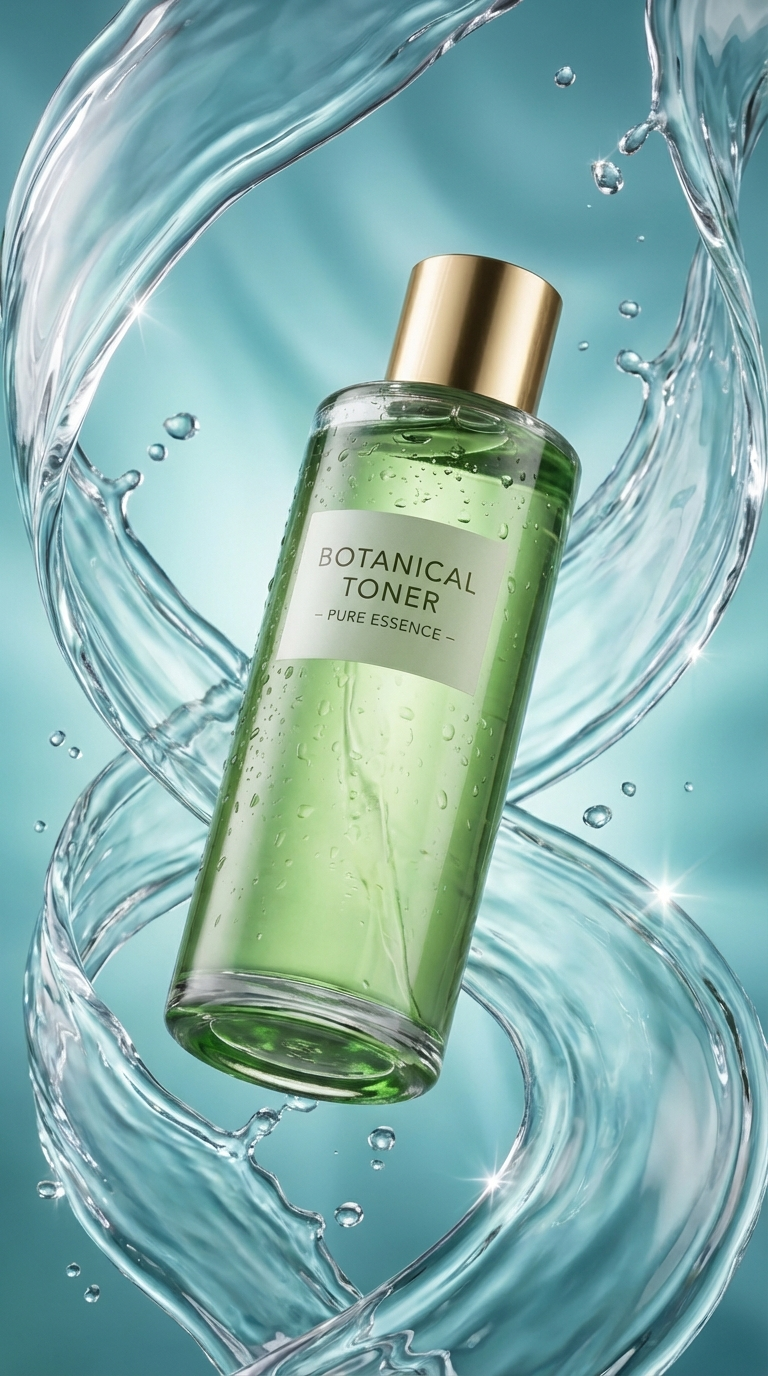
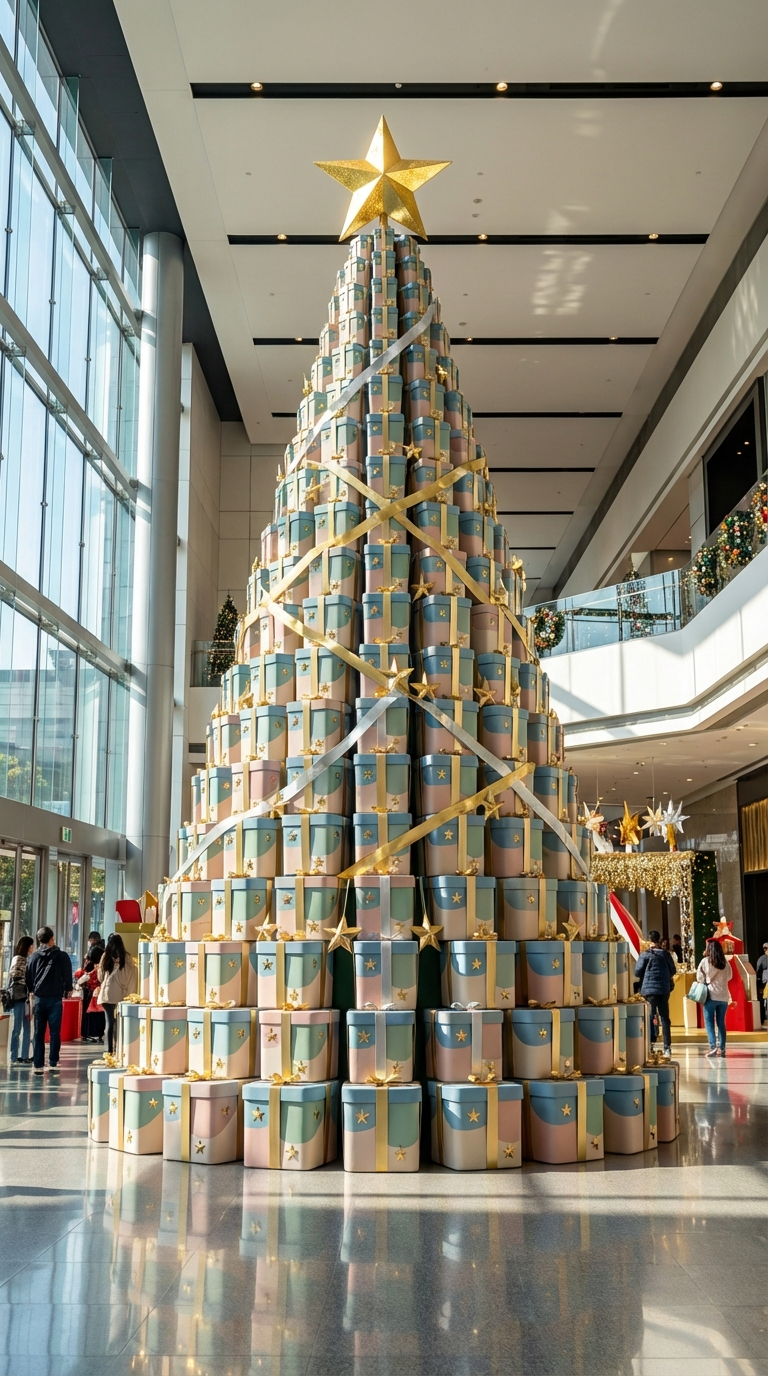
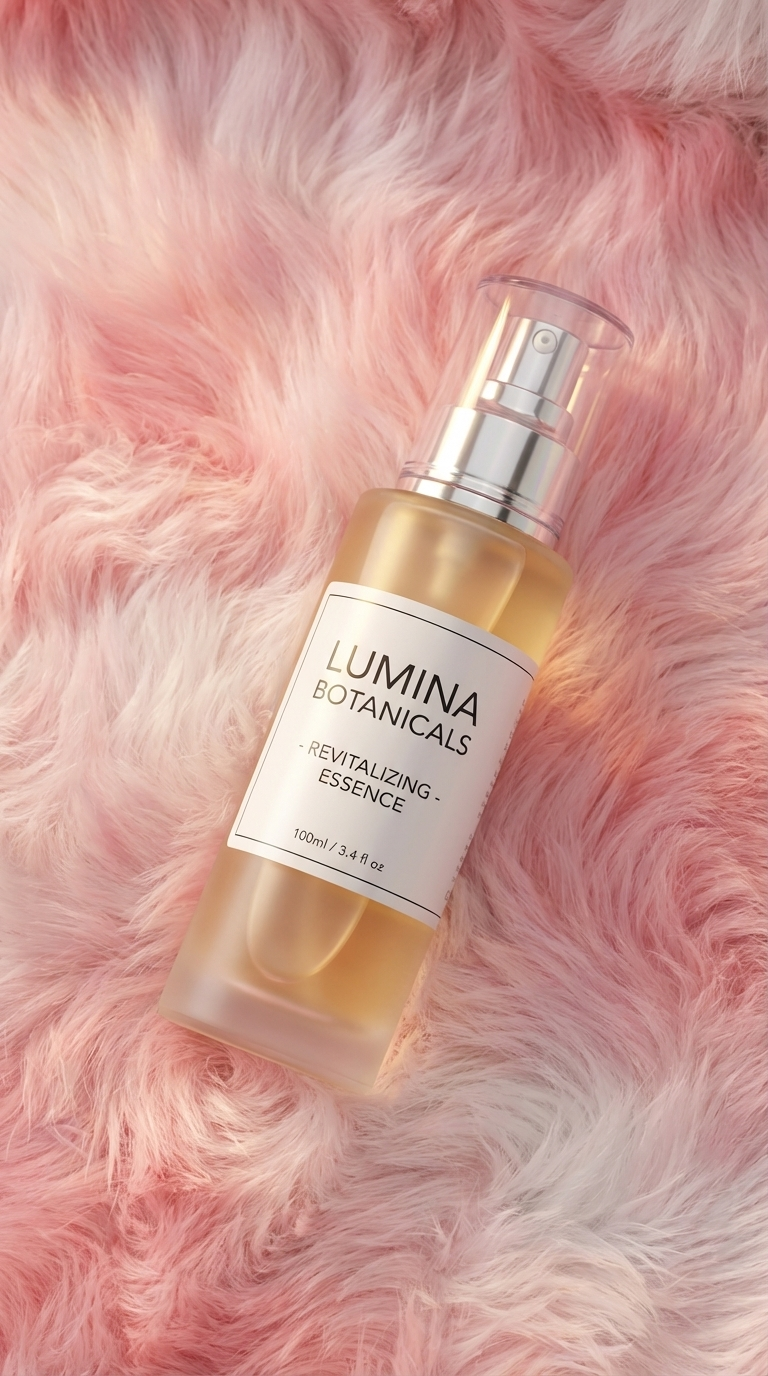
Nano Banana Pro prompts help you create accurate, high-resolution AI images for professional and creative projects. You control how the image looks, how elements align, and how details appear. This level of control makes the model useful for real work, not only experimentation. This guide explains what Nano Banana Pro is and why prompt structure matters. You learn how the model interprets instructions, how logic and visual rules affect output, and why clear intent leads to better results. The guide also breaks down how scene description, lighting control, text rules, and constraints shape image quality.
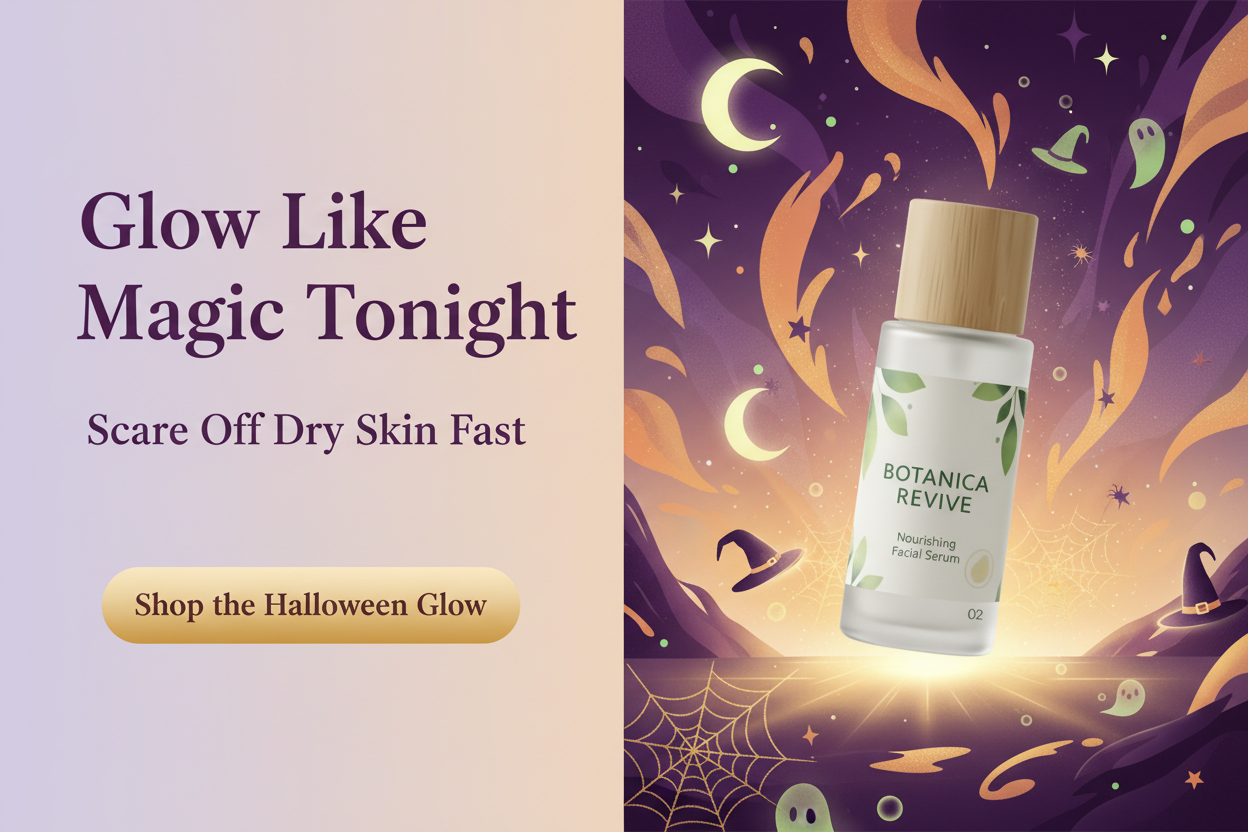
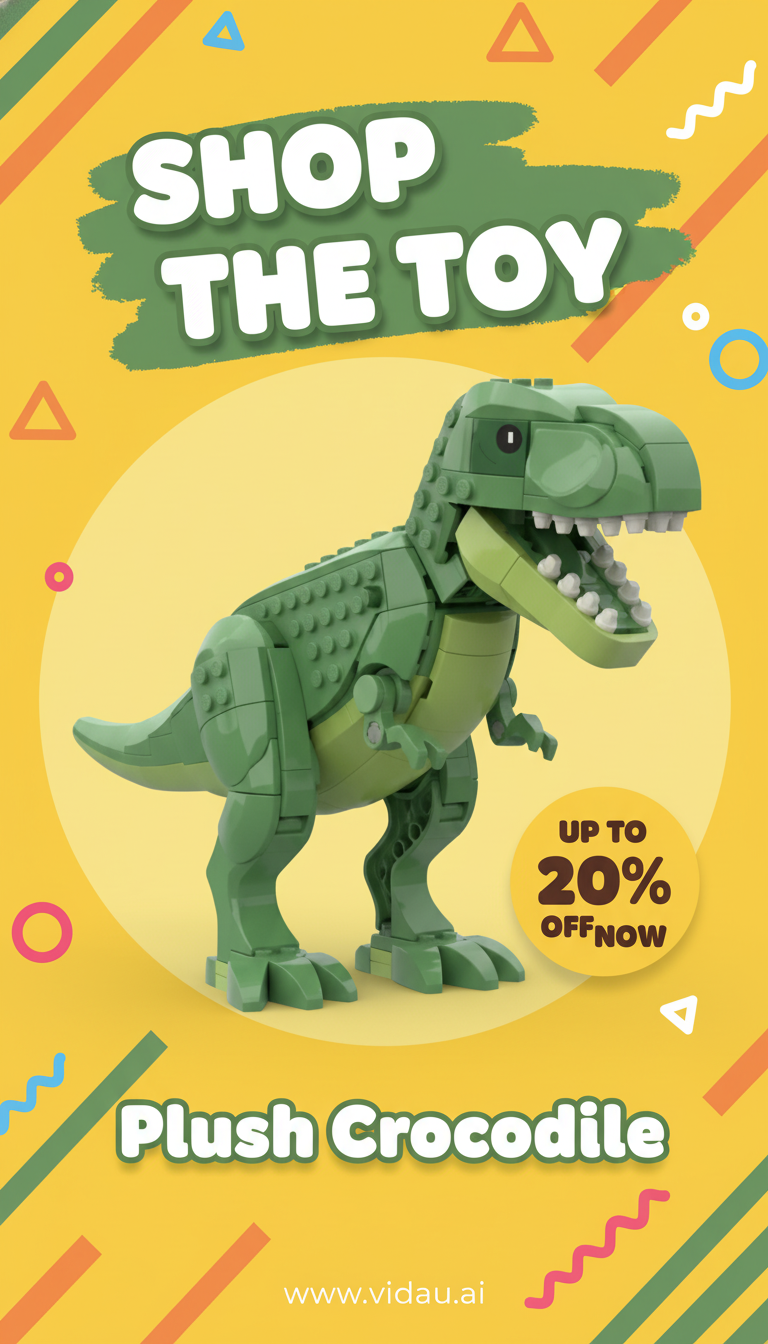
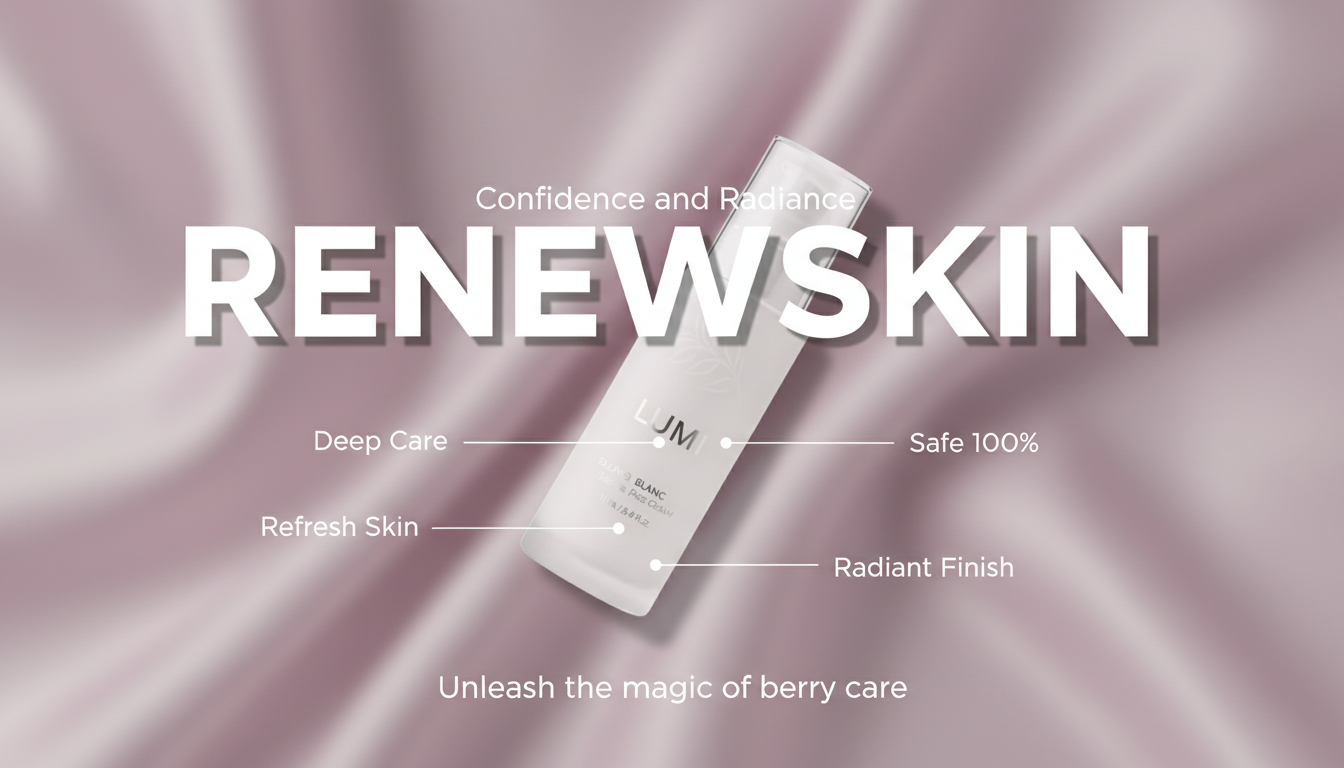
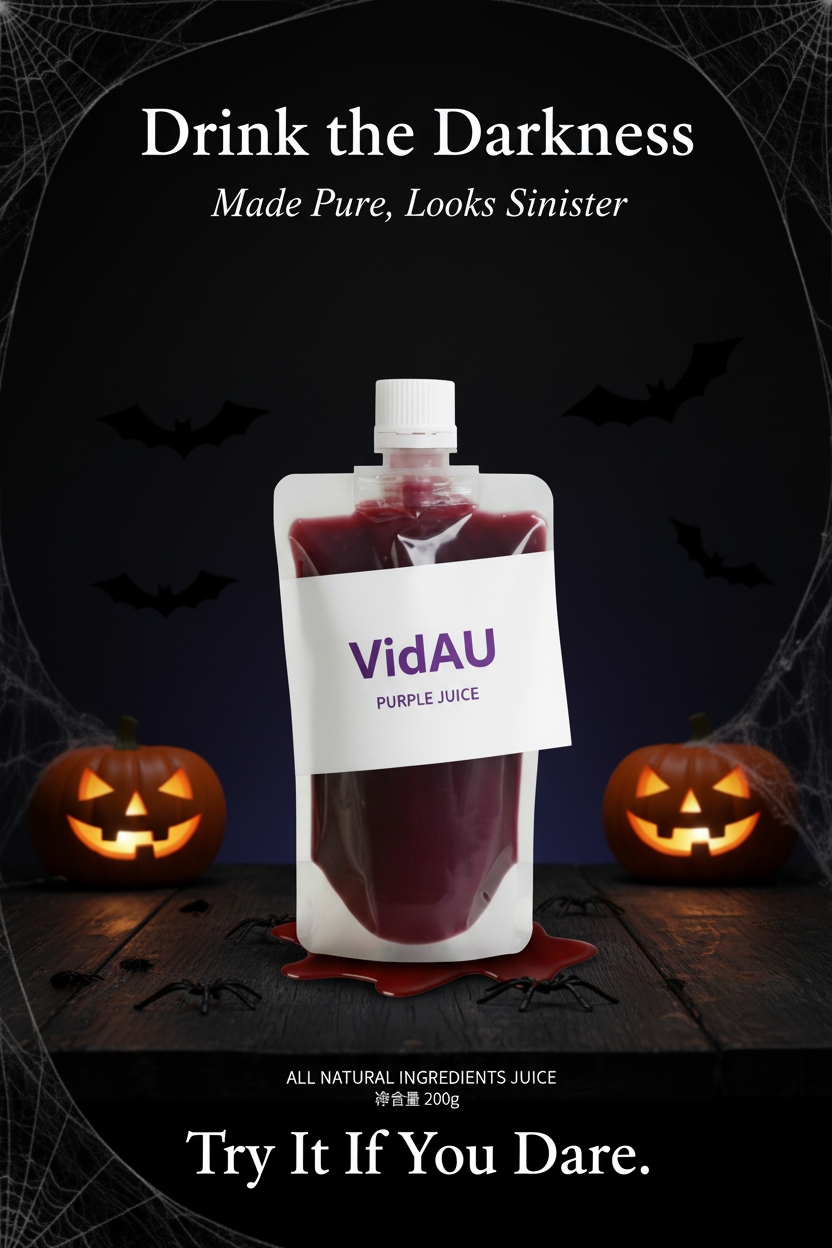
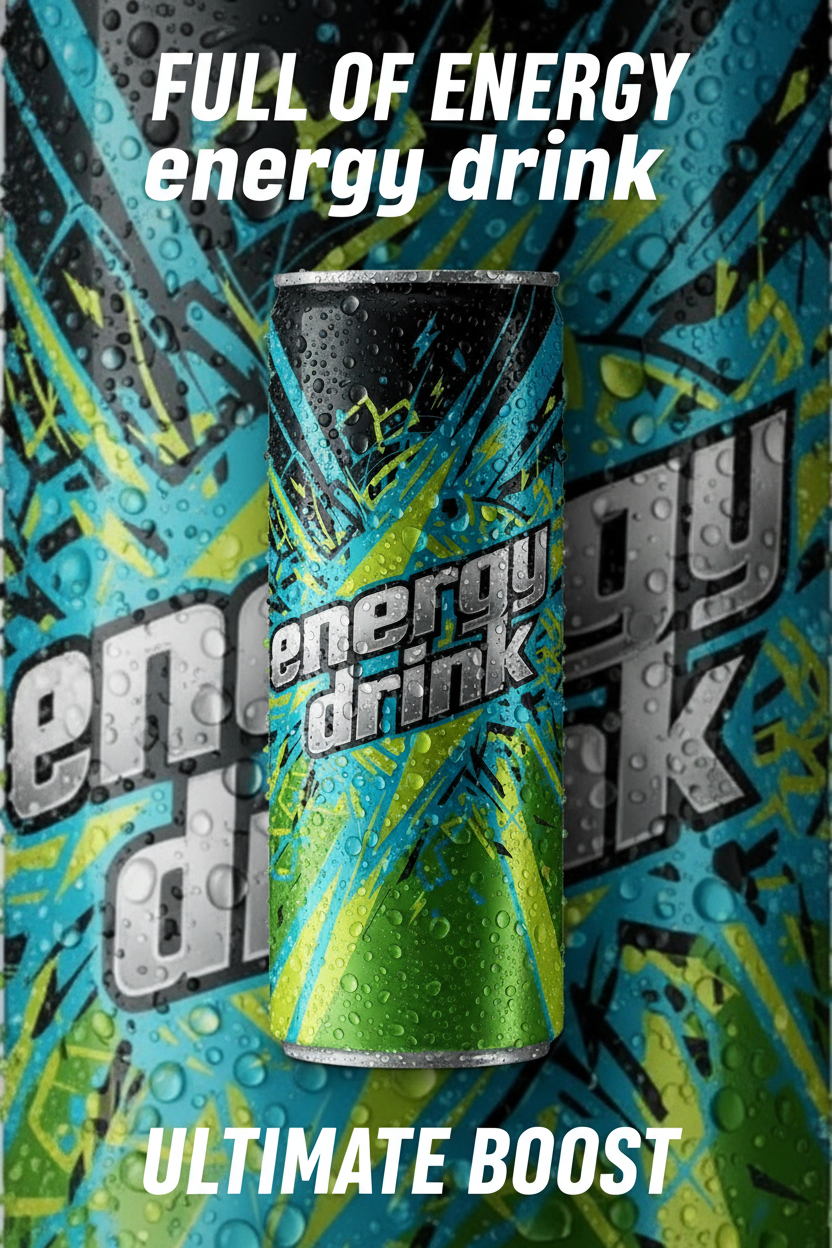
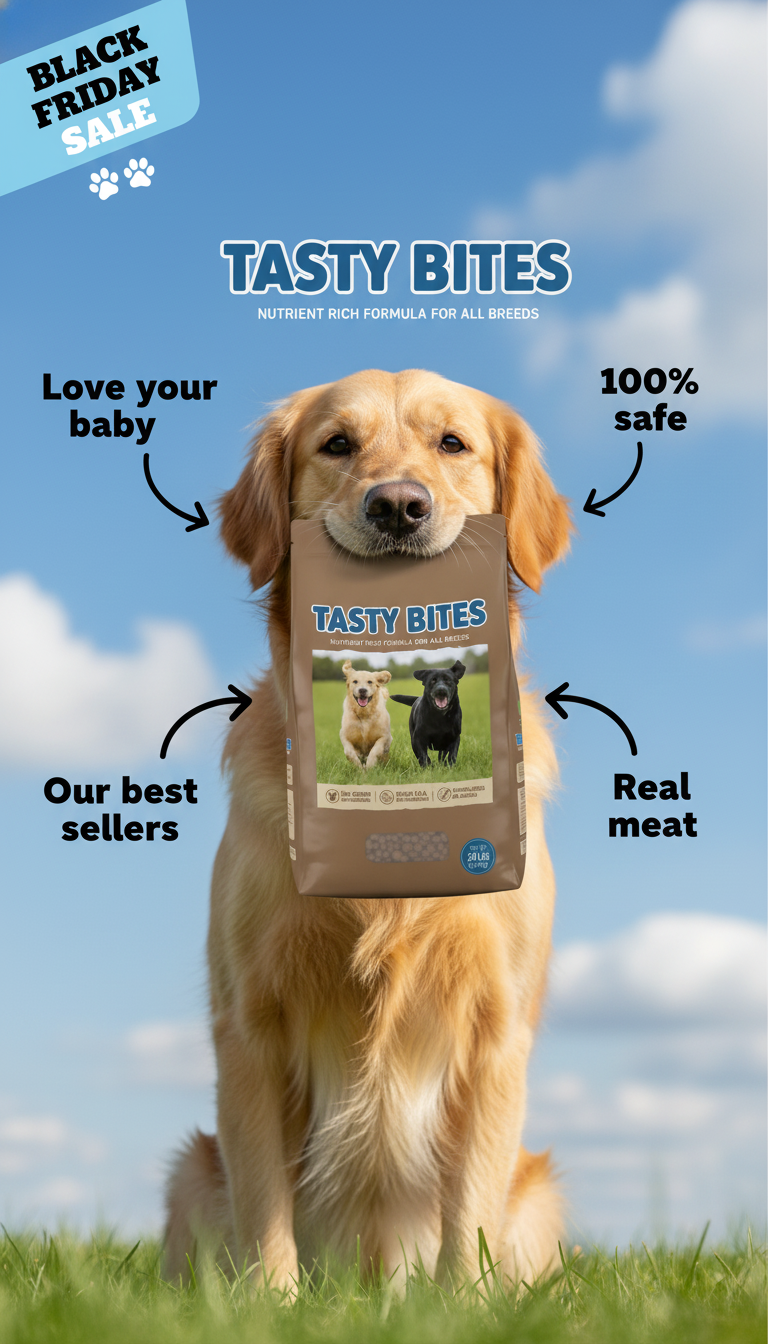
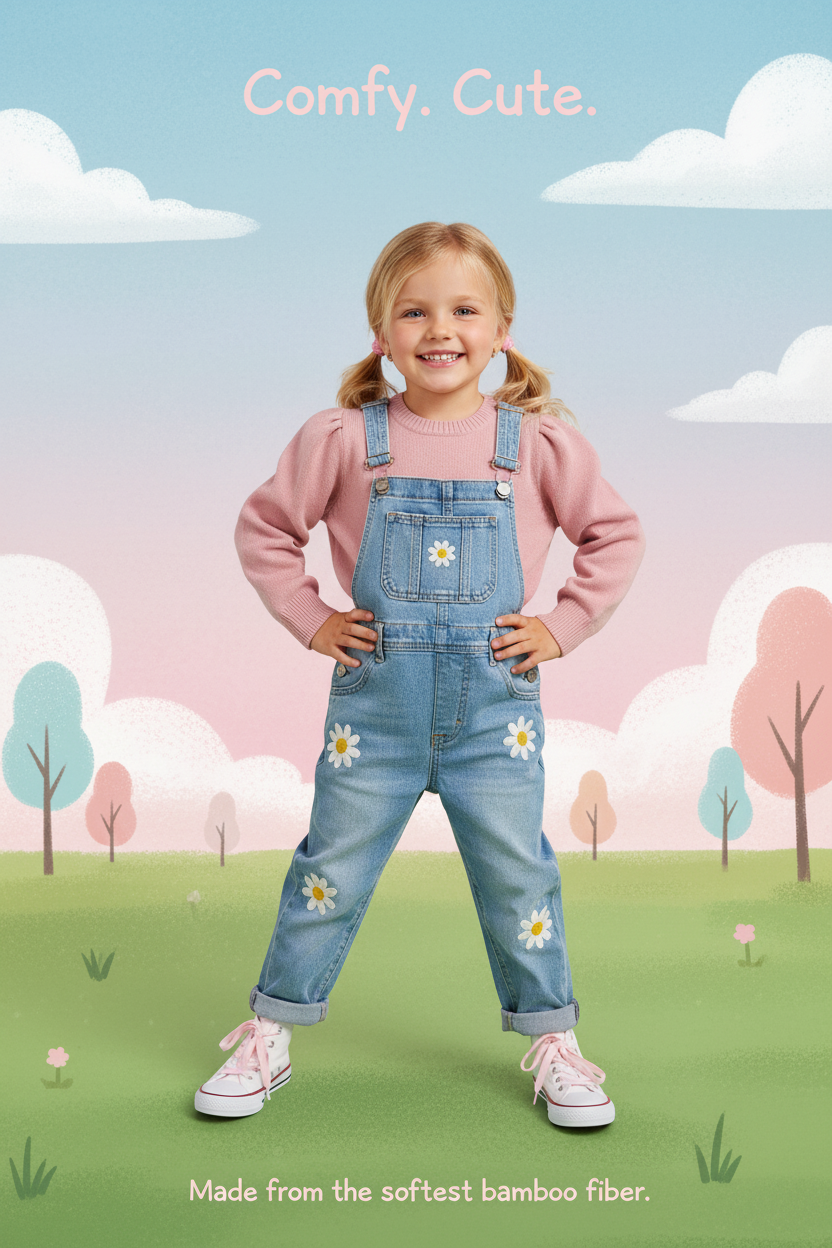
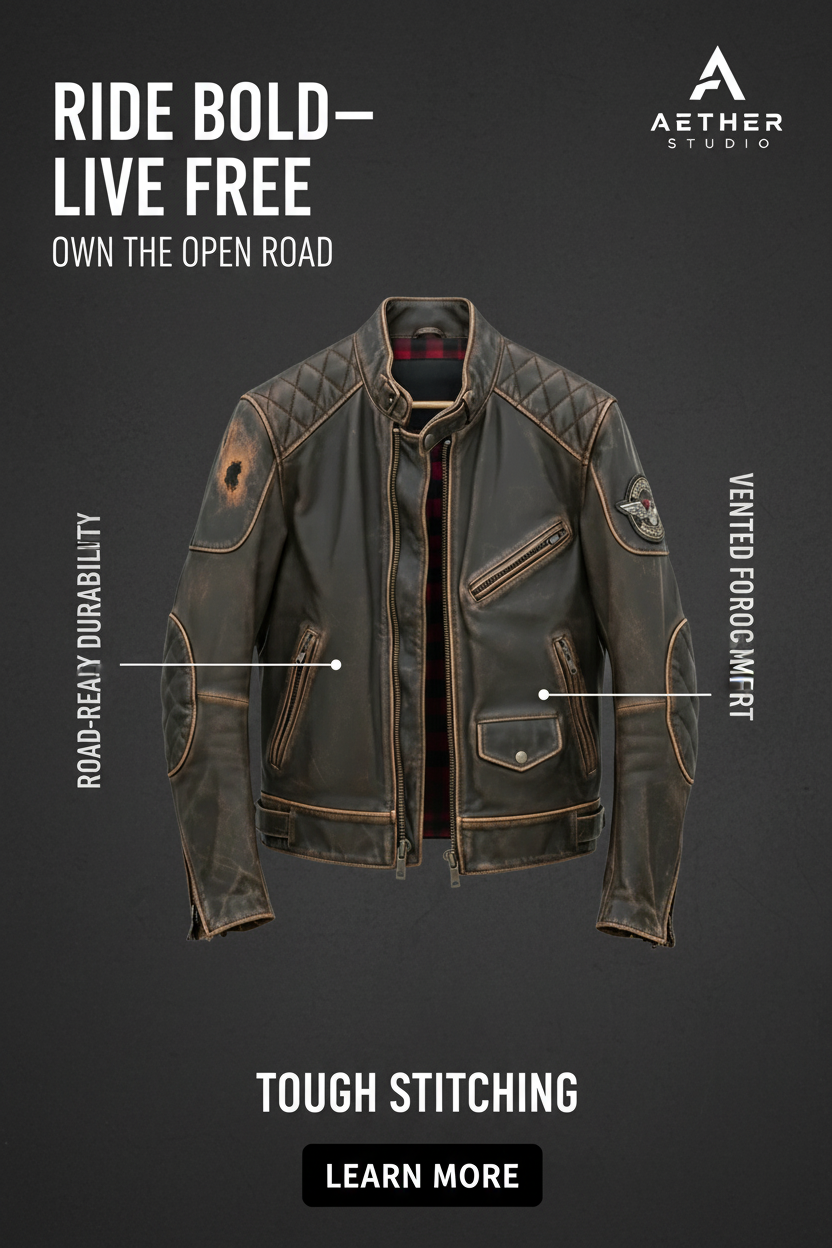
You also see trending use cases across marketing, design, education, and content creation. These examples show how people apply Nano Banana Pro prompts to product visuals, ads, infographics, diagrams, and branded assets. For businesses, the guide outlines how teams use Nano Banana Pro to speed up production, reduce design costs, and maintain consistency across campaigns. With the right prompts, the model becomes a practical tool for scalable visual creation.
H2: What Is Nano Banana Pro
Nano Banana Pro is an advanced AI image generation and editing model. It focuses on logic, detail accuracy, and clean text rendering.
You use simple natural language to:
- Generate images from text
- Edit uploaded photos
- Maintain structure and consistency
- Produce commercial-ready visuals
The model works well for ads, product images, diagrams, and branded designs.
Why Prompts Matter in Nano Banana Pro
Prompts control the output quality. Clear instructions lead to predictable results.
To Create Strong prompts:
- Define the role or intent
- Describe the subject clearly
- Set lighting and camera angle
- Control text placement and readability
- Add constraints to avoid errors
Weak prompts often produce unclear layouts or incorrect details.
How Nano Banana Pro Understands Prompts
Nano Banana Pro processes prompts as structured instructions, not keywords. The model breaks your input into visual rules and applies them step by step to build a coherent image.
Scene and Object Recognition
The model first identifies every object you describe. It detects subject type, size, material, and position. It understands layout relationships such as foreground, background, overlap, and distance.
When you specify materials, lighting, or surface texture, the system applies those attributes consistently across the scene. This step ensures products sit correctly on surfaces, shadows fall in the right direction, and objects maintain realistic proportions. Clear object descriptions improve placement accuracy and reduce visual errors.
Logical Reasoning
Nano Banana Pro evaluates whether elements make sense together. It checks physical structure, perspective, and alignment before finalizing the image.
Examples:
- Wheels attach to the base of a vehicle
- Hands align naturally with arms
- Text follows the angle of a product surface
- Reflections match light direction
This reasoning step prevents distorted objects, floating elements, and broken perspective. It is especially important for technical diagrams, product images, and branded visuals where accuracy matters.
Visual Refinement
After logic checks, the model refines the image. It sharpens edges, cleans object boundaries, and balances contrast. Lighting becomes even and intentional. Text gains clarity and readable spacing.
This stage improves overall polish. The output looks clean, structured, and ready for use in ads, presentations, or product pages. Visual refinement is what separates draft quality images from professional results.
How to Write High-Performing Nano Banana Pro Prompts
Follow these simple steps to get consistent, high quality results.
Step 1: Define the intent
State the role or purpose of the image.
Example. Act as a product photographer creating an eCommerce hero image.
Step 2: Describe the subject
Explain what appears in the image. Include size, color, material, and position.
Example. A matte black ceramic mug centered on a wooden table.
Step 3: Set the environment
Add background and lighting details.
Example. Soft studio lighting, neutral background, natural shadows.
Step 4: Control camera and framing
Tell the model how to view the scene.
Example. Front facing view, medium distance, shallow depth of field.
Step 5: Add rules and constraints
Prevent errors and control output quality.
Example. Keep text sharp. No floating objects. Maintain correct proportions.
20 Trending Nano Banana Pro Prompt With Detailed Prompts
This section expands each use case with production-ready prompts. You control composition, logic, lighting, and output quality. You reuse these structures across projects.
Creative and Concept Art
- Car made from food ingredients
Prompt:
Act as a commercial concept artist. Create a realistic full-body car made entirely from ramen noodles. Use tightly packed noodles for the chassis. Use dark seaweed sheets for tires with visible tread texture. Use a fried egg as the windshield with semi-transparent whites. Place the car on a clean wooden table. Studio lighting from the left. Correct car proportions. No floating elements. Neutral background. High detail. - Impossible architecture scenes
Prompt:
Act as an architectural visualizer. Design a multi-level library built inside a giant oak tree. Wooden staircases spiral upward. Bookshelves follow the tree curvature. Sunlight enters from openings above. Birds in mid-flight. Natural materials only. Wide angle view. Strong depth. Balanced shadows. - Recursive art illustrations
Prompt:
Create a centered illustration of a grey cat sitting upright. The cat holds a rectangular frame showing the same cat holding another frame. Repeat this effect three layers deep. Keep each frame aligned. Maintain consistent lighting and scale. Plain background. Sharp edges. - Fantasy maps with labels
Prompt:
Create a top down fantasy world map. Include snow mountains, dense forests, rivers, deserts, and coastal towns. Use hand drawn ink style with muted colors. Add clear text labels for each region. Text follows terrain shape. No overlapping labels. Aged parchment background.
Marketing and Branding
- Product packaging mockups
Prompt:
Act as a product packaging designer. Create a cereal box mockup. Front facing view. Bold brand logo at the top. Clear product name. Nutrition facts panel on the side. Ingredient icons at the bottom. Studio lighting. White background. All text readable at small size. - Multilingual ad creatives
Prompt:
Create a luxury perfume poster. Dark gradient background. Glass perfume bottle centered. Add headline text in English, Japanese, and Arabic. Each language aligned separately. Neon glow typography. No text distortion. High contrast for readability. - Album cover designs
Prompt:
Turn this group photo into a retro album cover. Square crop. Add grain texture. Warm color grading. Album title in bold serif font at the top. Artist name at the bottom. Centered composition. Vintage 1980s aesthetic. - Hidden text logo visuals
Prompt:
Design a wide mountain landscape at sunrise. Snowy peaks cast long shadows. The shadows spell the word ADVENTURE across the valley floor. Text visible through contrast only. No artificial lettering. Natural lighting.
Business and Education
- Technical diagrams with labels
Prompt:
Create a clean vector diagram of a V6 engine cross section. Show pistons, crankshaft, valves, and cylinders. Use flat colors. White background. Straight label lines. Clear readable text. Accurate proportions. No artistic effects. - Infographics from long content
Prompt:
Summarize this article into a vertical infographic. Break content into sections. Use icons, short headings, and data blocks. Consistent spacing. Neutral corporate color palette. Clear reading order from top to bottom. - UI mockups from sketches
Prompt:
Convert this hand drawn wireframe into a polished mobile app UI. Light mode design. Rounded buttons. Consistent margins. Modern sans serif typography. Home screen view. Realistic app layout. - Recipe flat lay visuals
Prompt:
Create a top down flat lay of spaghetti carbonara ingredients. Include pasta, eggs, cheese, pancetta, pepper, and salt. Arrange items evenly. Add small text labels near each ingredient. Soft overhead lighting. Wooden table background.
Photo Editing and Style Transfer
- Era based photo edits
Prompt:
Transform this daytime street photo into a 1990s Tokyo night scene. Neon signage. Wet pavement reflections. Cool color tones. Maintain original building structure and camera angle. - Fabric and material changes
Prompt:
Edit this shirt to appear made from thick knitted wool. Preserve seams and folds. Natural fabric texture. Soft studio lighting. Neutral background. - Clay style avatars
Prompt:
Turn this portrait into a clay animation style character. Smooth clay texture. Rounded facial features. Soft shadows. Studio backdrop. Front facing view. - Background replacements
Prompt:
Replace the background with a modern home office. Large window. Natural daylight. Minimal furniture. Subject remains sharp and correctly scaled. No edge artifacts.
Five Advanced Tips for Better Results
- Write prompts in short, direct sentences
- Always control the camera and lighting
- Remove unnecessary adjectives
- Use constraints on every prompt
- Keep one main subject only
- Reuse prompt structures for consistency
Common Mistakes to Avoid when writing Nana Banana prompt
- Skipping camera details
- Mixing multiple styles
- Using vague words like cinematic or artistic without context
- Forgetting negative constraints
- Overloading the scene with props
Conclusion
Nano Banana Pro prompts give you direct control over image quality, structure, and visual logic. You decide how scenes look, how objects relate, and how text appears. Clear instructions remove guesswork and reduce revisions.
Structured prompts help you repeat results. You define intent first. You describe the subject with precision. You lock lighting, framing, and text rules. The model follows these constraints and delivers predictable output.
This approach works for creative projects and business workflows. Designers move faster. Marketers ship ads without delays. Teams reuse prompt frameworks across campaigns. You scale visual production without sacrificing consistency. When you treat prompts as instructions, not ideas, Nano Banana Pro becomes a reliable production tool. You create once. You refine quickly. You deploy at scale.
Frequently Asked Questions
What makes Nano Banana Pro different from basic image models
It focuses on logical accuracy, clean text rendering, and commercial-quality output.
Is Nano Banana Pro suitable for business use?
Yes. Teams use it for ads, product visuals, and branded assets.
Do prompts need to be long?
No. They need to be clear and specific.
Does Nano Banana Pro support image editing?
Yes. You upload images and modify style, background, or details.
Can beginners use Nano Banana Pro
Yes. Natural language prompts work well without technical skills.