













































































Best Free AI Video Tools 2025/2026 Compared: Veo 3 vs Sora 2 and the Real Alternatives
Introduction: Why Choosing a Free AI Video Tool Is So Hard

I tested every free AI video tool I could reasonably access, using the same prompts, the same expectations, and the same evaluation criteria. If you are new to AI video generation, the landscape in 2025/2026 feels overwhelming. New tools appear weekly, feature lists look similar, and marketing promises rarely match real output quality. This article solves that problem with a clear, practical comparison focused on one search question many beginners are asking right now: how does Veo 3 compare to Sora 2 and other free AI video tools?
This is not a hype piece. It is a curated ranking based on real quality tests, practical usability, and realistic free-tier limits.
How I Tested These AI Video Tools
To keep results fair, I used identical prompts across all platforms. Each tool was tested with three core scenarios:
- A short cinematic prompt with camera movement and lighting detail.
- A light comedy scenario with character motion and timing.
- A tutorial-style explainer scene with clear subject focus.
Each tool was evaluated on:
- Visual quality and consistency
- Prompt accuracy
- Motion realism
- Ease of use for beginners
- Free tier limitations (watermarks, credits, resolution)
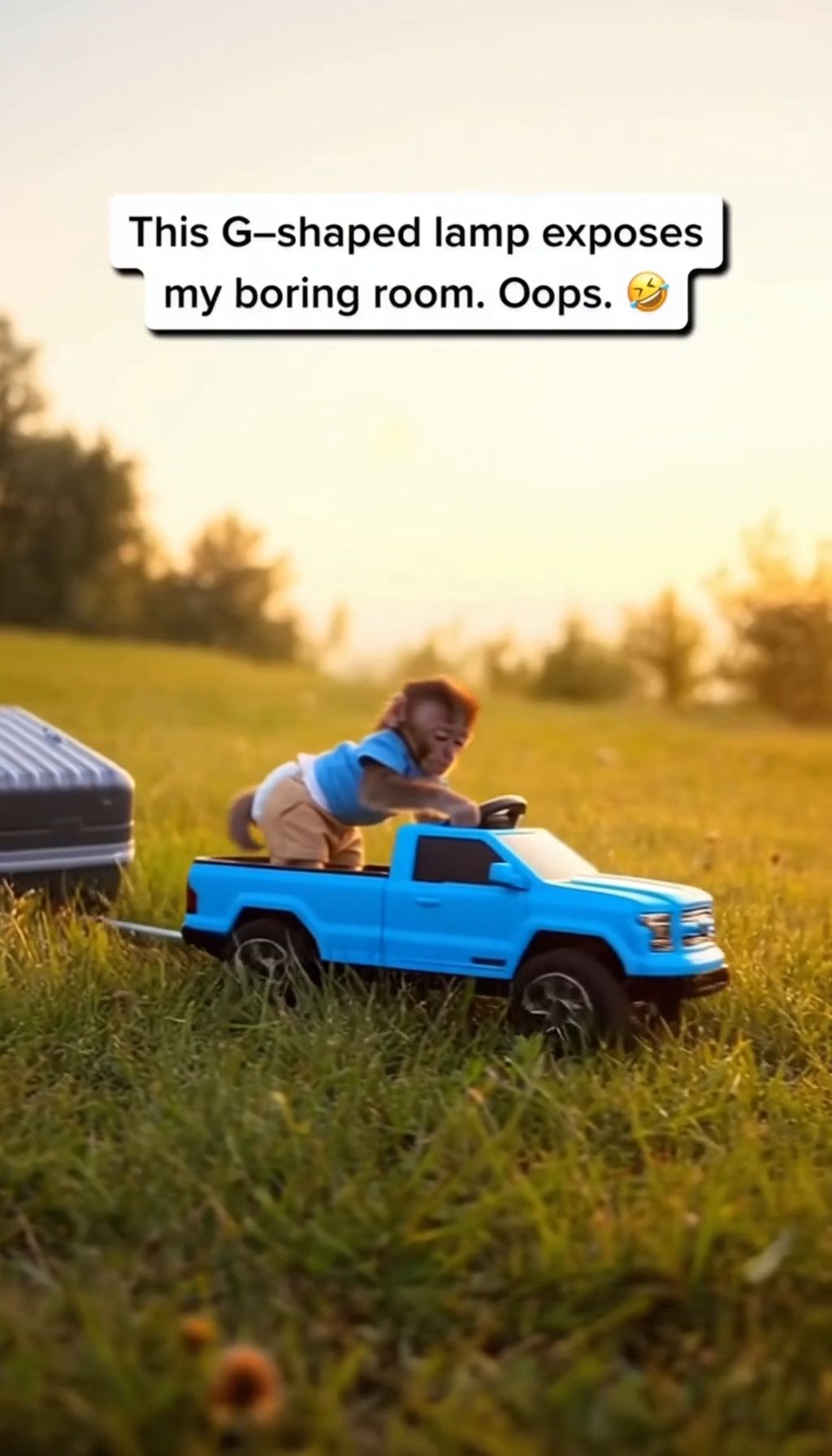
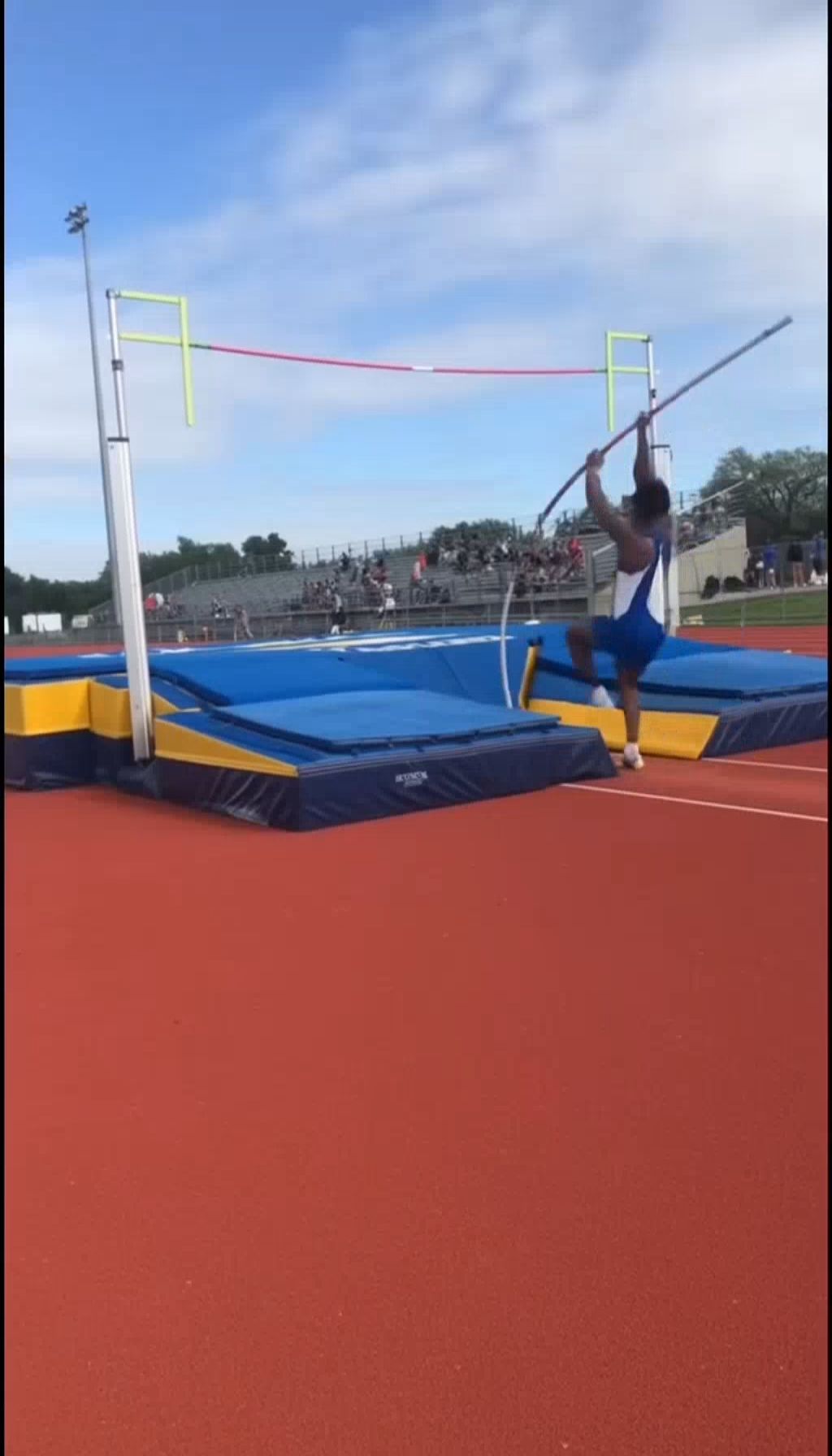
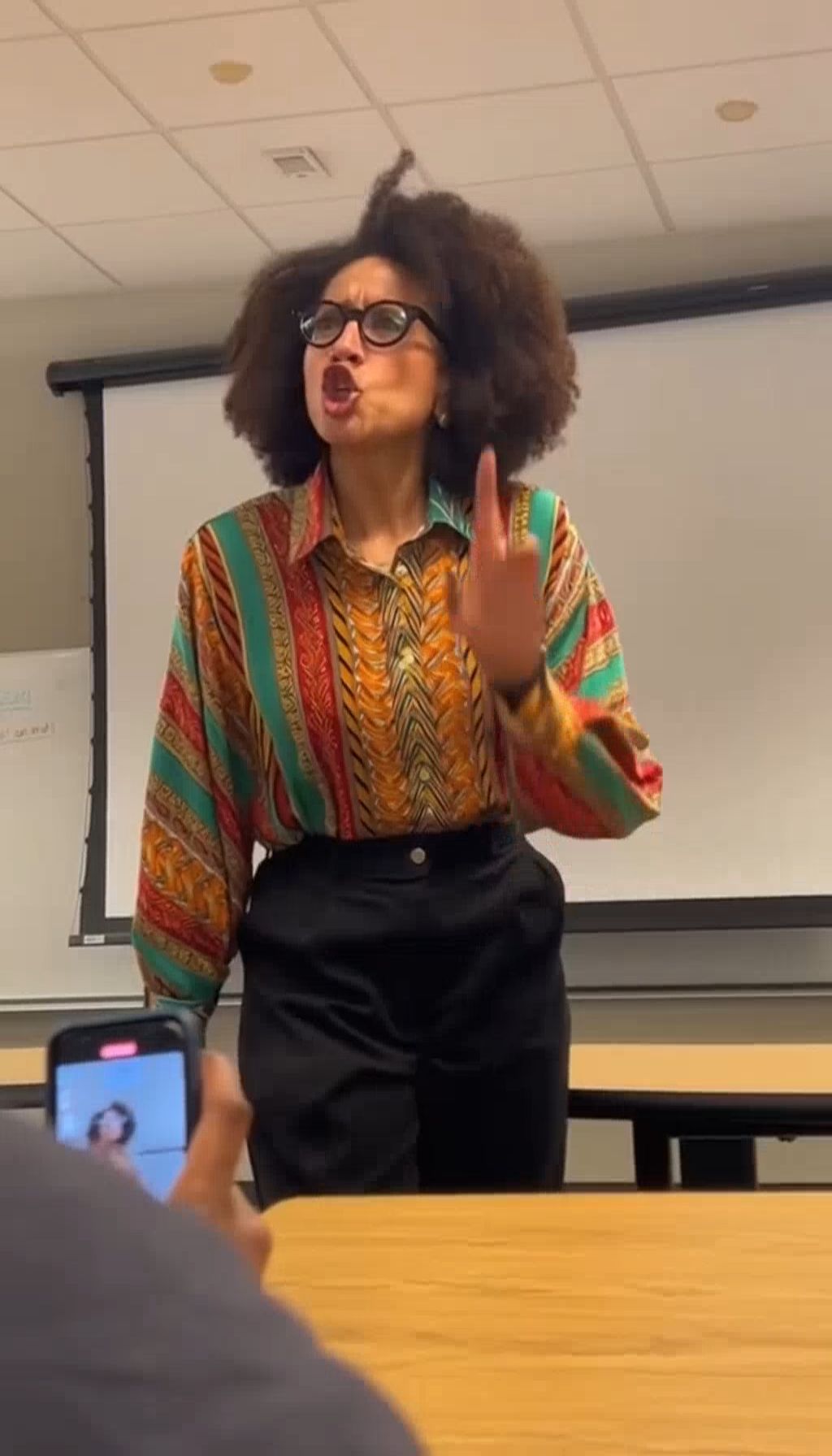
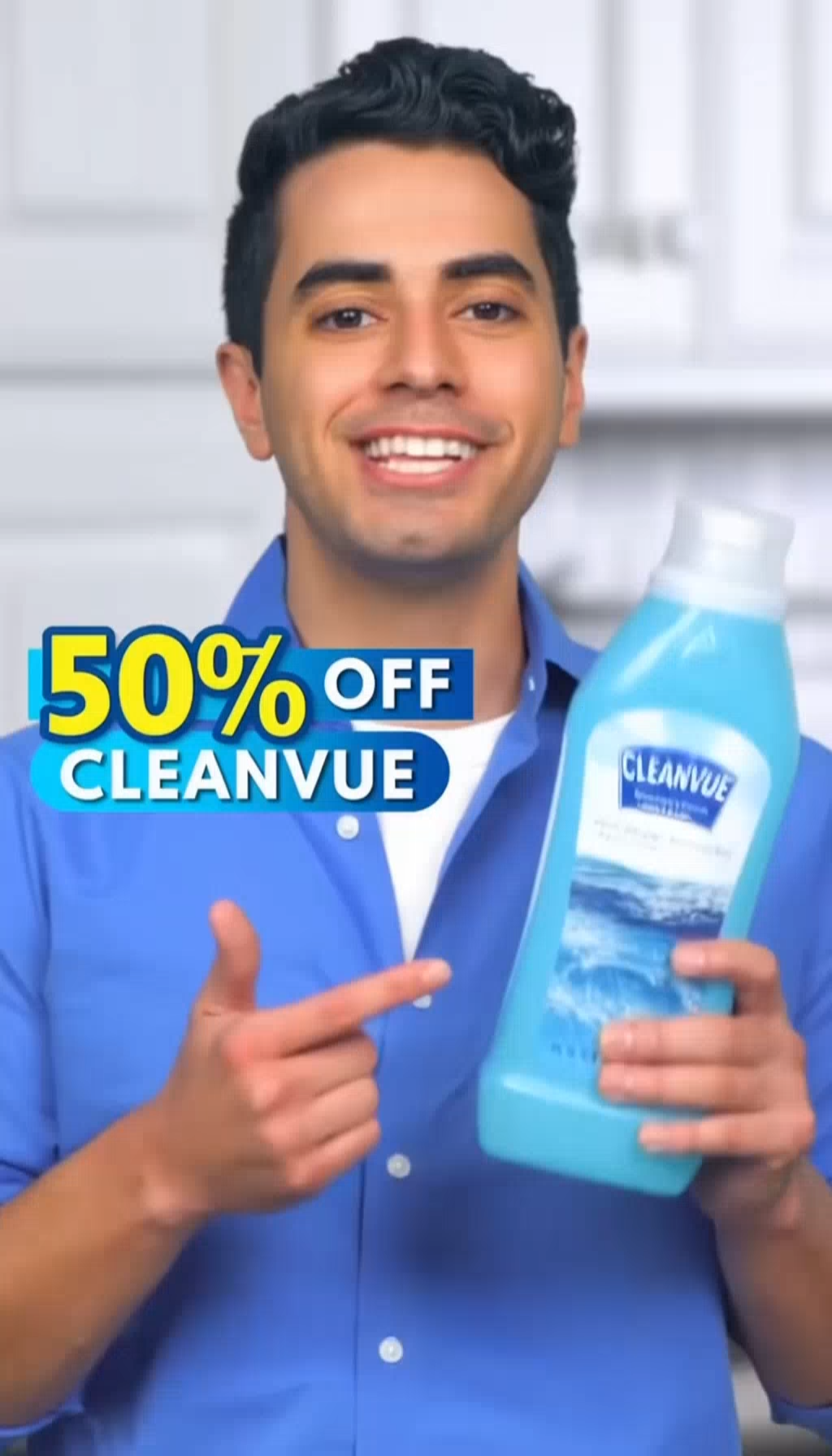
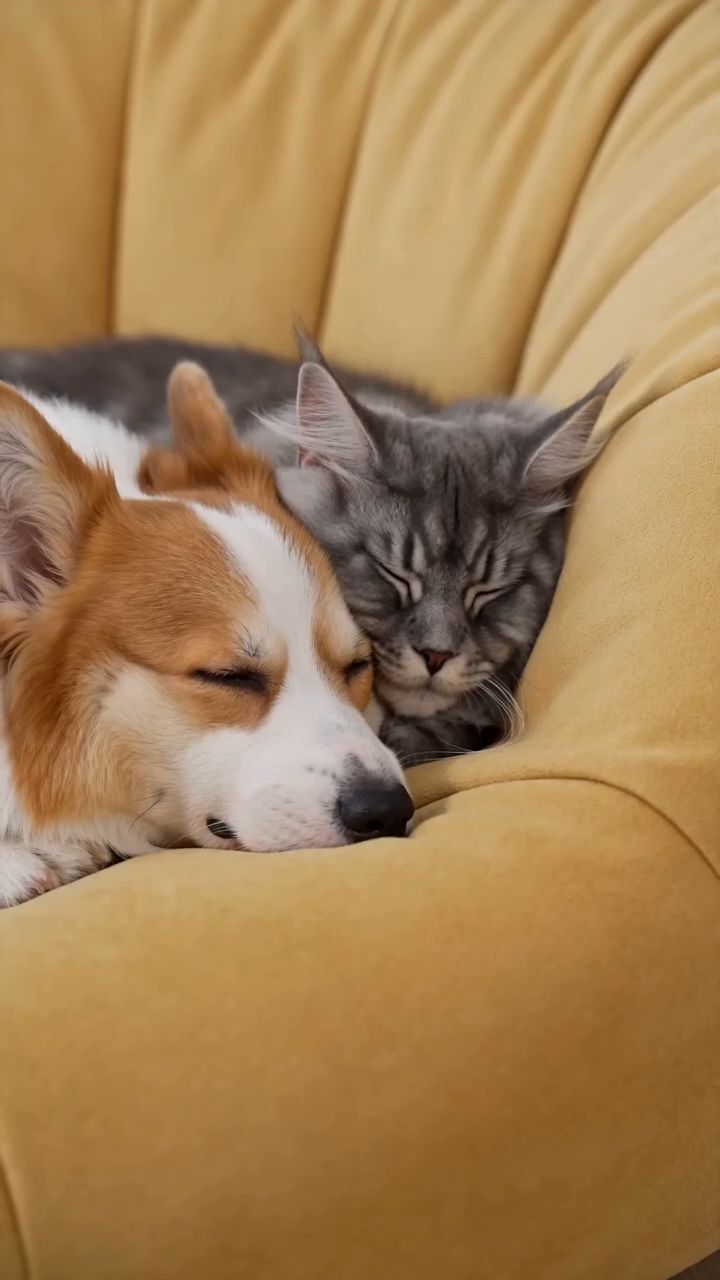
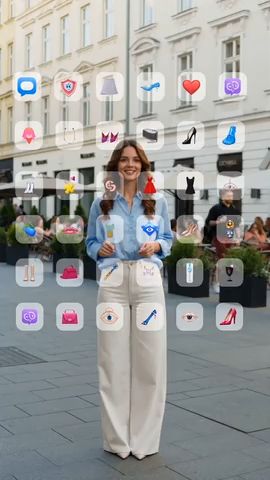
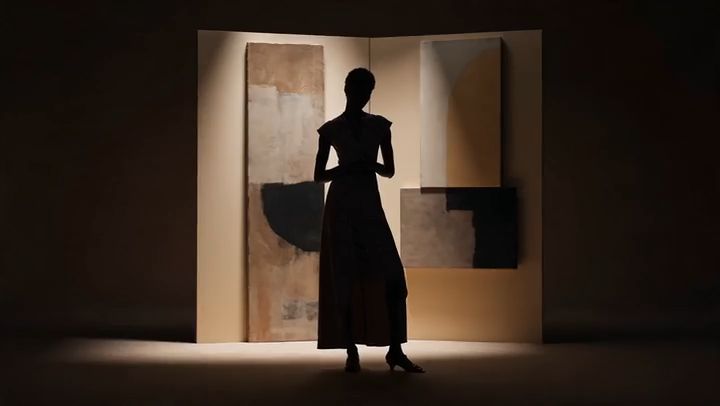
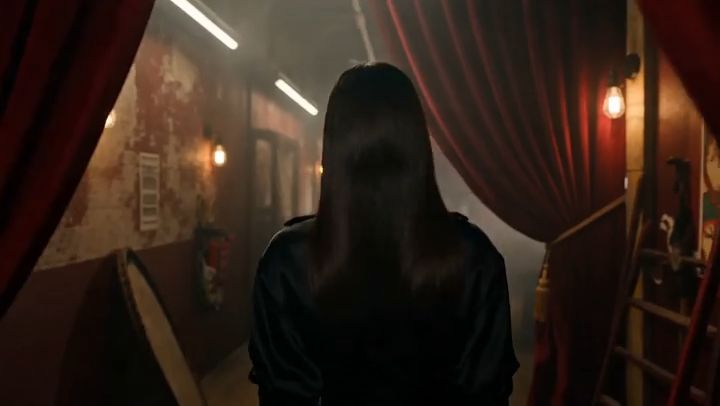
The source video references used for benchmarking were based on three public example styles, ensuring consistency across outputs.
Quick Comparison Table: Veo 3 vs Sora 2 vs Free Alternatives
Before diving deep, here is the high-level takeaway:
- Veo 3 delivers the best cinematic realism but has limited public access and strict usage caps.
- Sora 2 offers strong motion understanding but remains restricted and inconsistent on the free tier.
- Several smaller tools provide better accessibility and faster iteration, making them more suitable for beginners.
The key insight is that “best” depends heavily on your content goal, not raw model capability.
Veo 3: Strengths, Weaknesses, and Best Use Cases
Veo 3 is currently the most talked-about AI video model for a reason. In cinematic tests, it produced the most coherent lighting, depth, and camera movement. Complex prompts involving atmosphere, weather, and mood translated better here than on any other free-accessible tool.
Strengths:
- Excellent cinematic realism
- Strong understanding of camera language
- High-quality motion in environmental scenes
Weaknesses:
- Extremely limited free usage
- Slow generation times
- Not beginner-friendly in prompt iteration
Best use cases:
Veo 3 is ideal for short cinematic shots, mood pieces, and visual concept exploration. It is not well suited for rapid content creation or learning prompt basics. Beginners may find the limited attempts frustrating.
Sora 2: What It Does Well and Where It Falls Short
Sora 2 improves on motion continuity and object persistence compared to earlier generations. In comedy tests, character movement and timing felt more natural than Veo 3, especially in simple, well-defined scenes.
Strengths:
- Strong character motion
- Better temporal consistency in short clips
- More forgiving prompt interpretation
Weaknesses:
- Visual fidelity lags behind Veo 3
- Scene composition can drift
- Free access is inconsistent or restricted
Best use cases:
Sora 2 works best for short narrative clips, comedic skits, and character-focused scenes. It struggles with highly cinematic framing or complex lighting instructions.
Other Free AI Video Tools Worth Using
While Veo 3 and Sora 2 dominate headlines, several other free tools offer better learning value.
Runway (Free Tier):
- Excellent for tutorials and explainer content
- Clear interface and fast iteration
- Limited resolution and watermark on free tier
Pika Labs:
- Strong stylized visuals
- Fast generation
- Less realistic motion but great for social content
Luma Dream Machine (Free Access):
- Balanced cinematic quality
- Good environment generation
- Limited credits but usable for testing
These tools often outperform Veo 3 and Sora 2 for beginners simply because they allow more experimentation.
Which Tool Is Best for Comedy, Cinematic, and Tutorial Content
Cinematic content:
- Best: Veo 3
- Alternative: Luma Dream Machine
Comedy content:
- Best: Sora 2
- Alternative: Pika Labs
Tutorial and explainer content:
- Best: Runway
- Alternative: Any tool with text-to-video plus editing support
The key is matching tool strengths to content type instead of chasing the most advanced model.
Step-by-Step: How to Choose the Right Tool for Your Needs
- Step 1: Define your content goal
Ask whether you want cinematic visuals, character-driven scenes, or educational content.
- Step 2: Check free tier limits
Look at credit caps, watermarks, and resolution before committing time.
- Step 3: Start with faster iteration tools
Beginners should prioritize tools that allow frequent testing over maximum realism.
- Step 4: Graduate to premium models later
Once you understand prompting basics, tools like Veo 3 become more valuable.
Common Mistakes Beginners Make with AI Video Tools
- Choosing the most hyped tool instead of the most accessible
- Writing overly complex prompts too early
- Ignoring motion limitations
- Expecting long-form video from free tiers
Avoiding these mistakes will save hours of frustration.
Final Checklist: Picking the Best Free AI Video Tool in 2025/2026
Before you decide, confirm the following:
- The tool matches your content type
- The free tier supports enough experimentation
- Output quality aligns with your platform (YouTube, TikTok, internal use)
- You understand the model’s strengths and limits
Veo 3 is impressive, Sora 2 is promising, but the best free AI video tool is the one that helps you learn and publish consistently. If you are just starting, accessibility beats raw power every time.
Frequently Asked Questions
Q: Is Veo 3 free to use in 2025/2026?
A: Veo 3 typically offers limited free access for testing, but usage caps and availability vary. It is best considered a preview-tier tool rather than a fully free solution.
Q: Is Sora 2 better than Veo 3?
A: Sora 2 is better for character motion and short narrative clips, while Veo 3 excels at cinematic visuals and atmosphere. Neither is universally better.
Q: What is the best free AI video tool for beginners?
A: Most beginners benefit more from tools like Runway or Pika Labs because they allow faster iteration and clearer feedback.
Q: Can I make YouTube videos using free AI video tools?
A: Yes, but expect limitations such as watermarks, shorter clip lengths, and lower resolution on free tiers.
Q: Will free AI video tools replace traditional video editing?
A: Not entirely. They work best as creative assistants or idea generators rather than full replacements for editing workflows.