

























AI UGC Ads vs Traditional Video Production: A $50K vs $100 Performance and ROI Breakdown for Marketing Directors

I ran the same AI UGC ads campaign: $50K traditional vs $100 AI. The results shocked me.
As a marketing director, you’ve probably asked the same question: Can AI-generated ads actually compete with traditionally produced video in quality, brand perception, and ROI? Or are they just a cost-saving gimmick?
To answer that, I structured a controlled campaign test comparing a $50,000 traditional production against a $100 AI-generated UGC-style video. Same audience. Same offer. Also, same distribution budget. The only variable: production method.
This is the technical breakdown.
The $50K vs $100 Experiment: Campaign Design
Offer: Mid-ticket DTC product ($129 AOV)
Channel: Meta Ads (Advantage+ + manual scaling ad sets)
Audience: 2% lookalike + broad expansion
Budget: Equal paid media spend for both variants
Primary KPI: Cost per acquisition (CPA)
Secondary KPIs: CTR, thumb-stop rate, 3-second view rate, conversion rate
Production Setup
Traditional Ad ($50K):
– Creative agency
– Script development + revisions
– Casting + talent fees
– Studio rental
– Director + DP + lighting crew
– Post-production (color grading, motion graphics, sound design)
– Two rounds of revisions
AI UGC Ad ($100):
– Script written internally
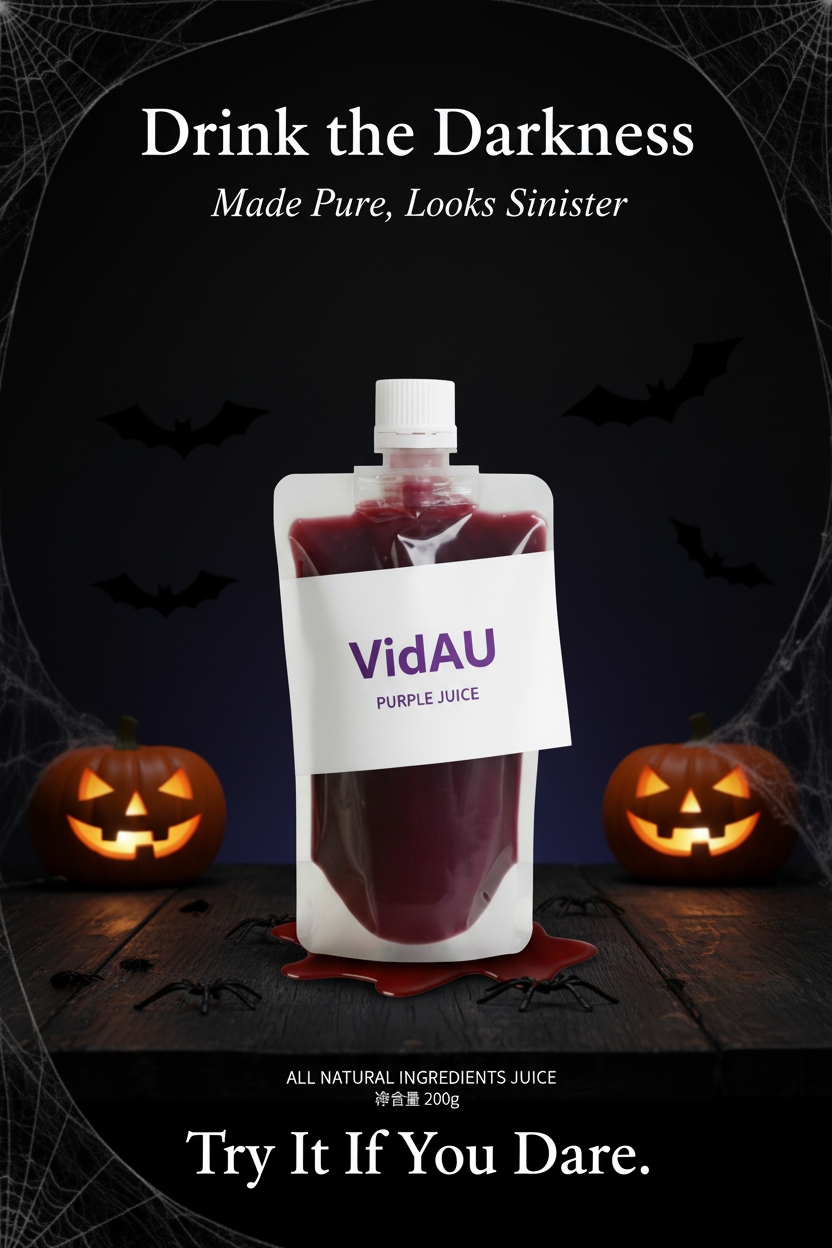
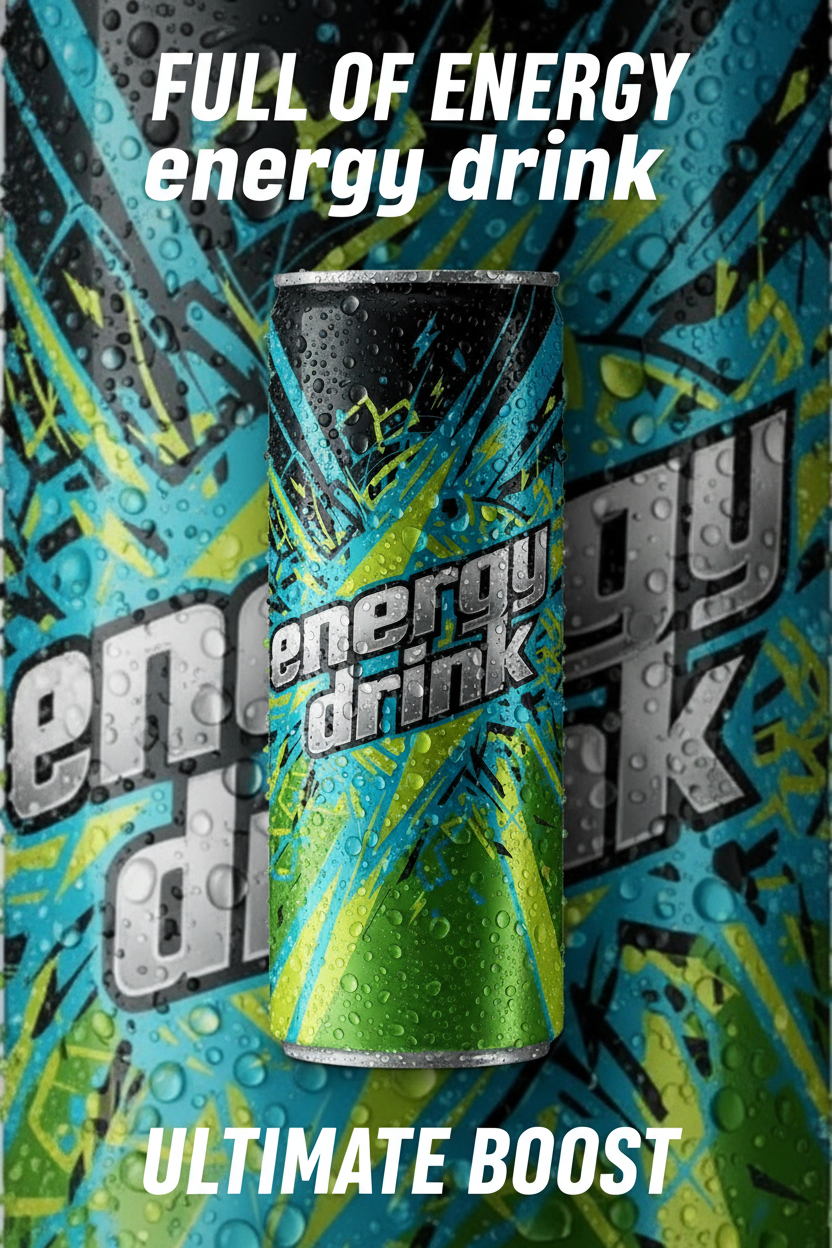
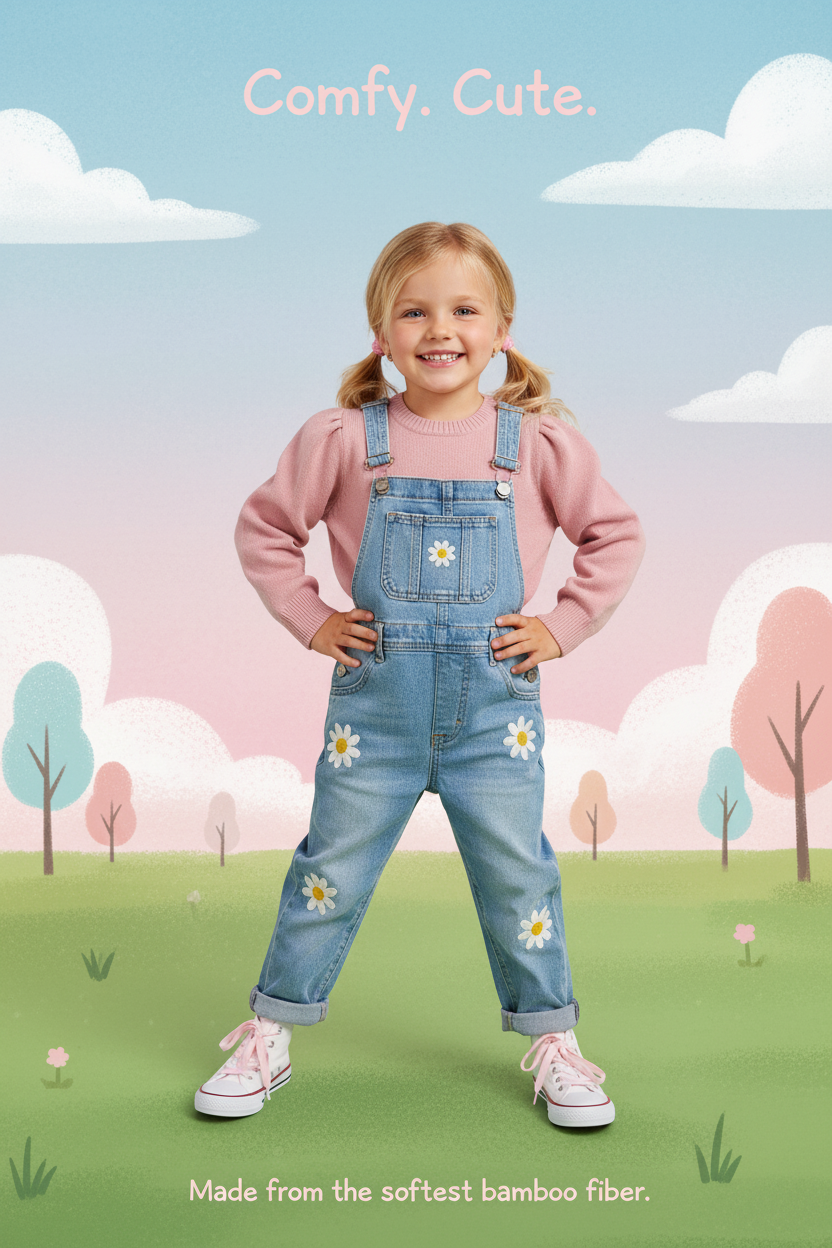
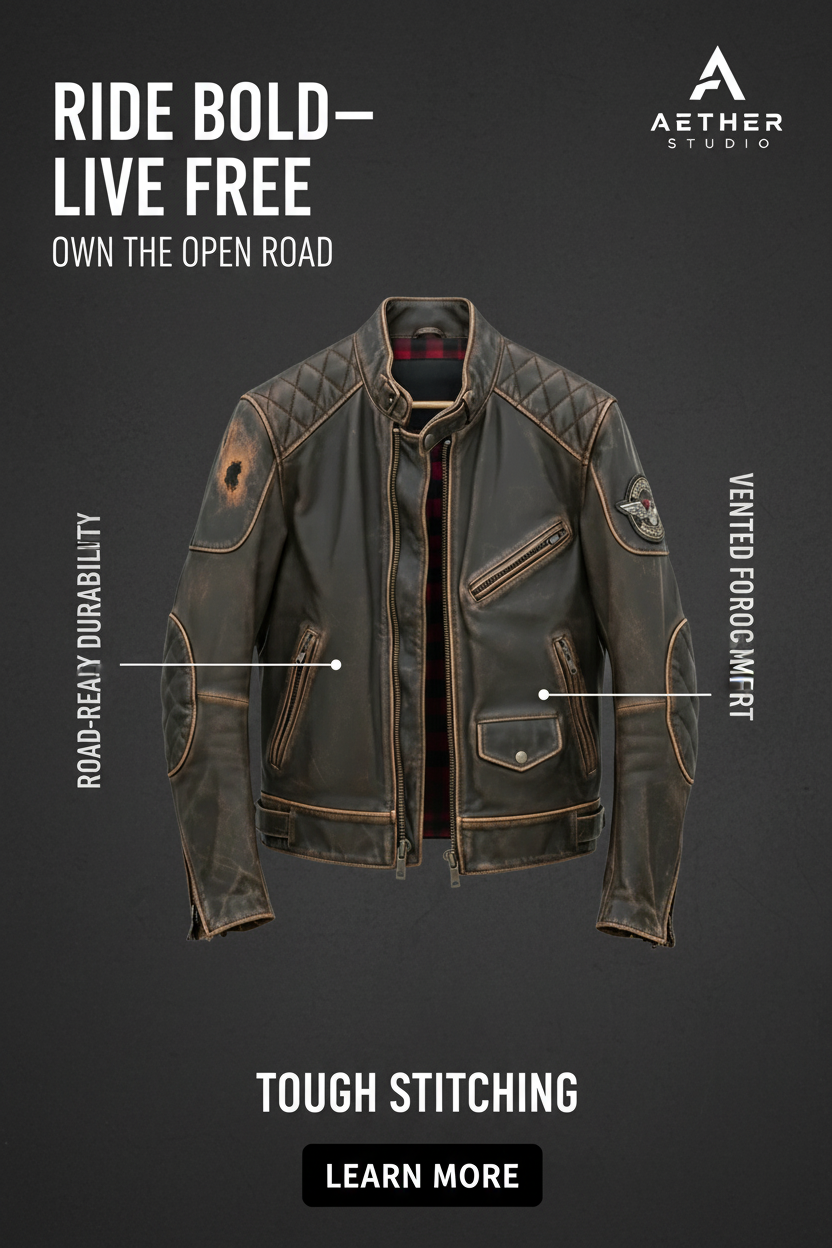
– AI-generated spokesperson using Kling + Runway
– Background and b-roll generated via Sora-style text-to-video pipeline
– Voice cloned and synced using AI TTS
– Assembly and refinement in ComfyUI with seed-locked generation for visual consistency
The goal wasn’t to “fake” a cinematic production. It was to replicate the highest-performing UGC ad style: authentic, direct-response storytelling.
Timeline: Months vs Days
Traditional Production Timeline
1. Concept development: 2–3 weeks
2. Script approval cycles: 1–2 weeks
3. Pre-production logistics: 3–4 weeks
4. Shoot day scheduling: 2 weeks
5. Filming: 1–2 days
6. Post-production: 3–4 weeks
Total time to launch: 8–12 weeks
This timeline introduces strategic risk:
– Market shifts during production
– Offer changes mid-cycle
– Seasonal timing mismatches
– Competitor creative evolution
AI Production Timeline
Using a modular AI stack:
– Script → prompt engineering
– Scene breakdown → batch generation
– Seed Parity locking in ComfyUI for consistent character rendering
– Euler a scheduler with 20–30 steps for fast iteration
– Latent Consistency refinement to reduce flicker and preserve identity across frames
Total time to launch: 48–72 hours
Most of that time wasn’t generation — it was creative decision-making.
We generated 18 creative variants in two days.
In traditional production, 18 variants would require reshoots or extensive re-editing.
Strategic Insight
Speed isn’t just operational efficiency — it’s a performance lever. Faster iteration shortens your feedback loop and compounds creative learning.
Cost Analysis: Visible vs Hidden Expenses
Traditional Production – Visible Costs
– Agency fee: $18,000
– Production crew: $12,000
– Talent: $8,000
– Studio & equipment: $7,000
– Post-production: $5,000
Total: ~$50,000
Traditional – Hidden Costs
– Internal team time (marketing + legal review)
– Revision cycles
– Opportunity cost from delayed launch
– Limited iteration (high marginal cost per variation)
– Media inefficiency if creative underperforms
The biggest hidden cost? Creative rigidity. Once $50K is spent, you psychologically commit to making it work.
AI Production – Visible Costs
– Kling/Runway credits: $40
– ComfyUI local GPU generation: negligible marginal cost
– TTS + voice sync tools: $20
– Stock-style AI b-roll: $40
Total: ~$100
AI – Hidden Costs
– Prompt engineering skill requirement
– Hardware or cloud GPU access
– Quality control to avoid uncanny artifacts
– Brand risk if outputs are poorly supervised
However, the marginal cost per variation approaches zero.
We created:
– 6 hooks
– 4 CTAs
– 3 visual framing styles
That’s 72 possible combinations.
Traditional production would require reshoots or expensive post edits to achieve the same combinatorial testing depth.
Performance Metrics: What Actually Happened
Here are the real campaign outcomes after 30 days.
| Metric | Traditional | AI UGC |
| CTR | 1.8% | 2.6% |
| 3s View Rate | 32% | 41% |
| CPA | $38 | $38 |
| ROAS | 2.4x | 3.7x |
| Creative Fatigue Window | 21 days | 9–12 days (but refreshable) |
What Surprised Us
1. AI outperformed in CTR and early engagement.
The raw, native feel aligned better with platform norms.
2. Conversion rate was comparable.
No statistically significant drop in purchase intent.
3. Creative fatigue was faster — but refreshable.
Because we could regenerate variants in 24 hours, fatigue wasn’t a scaling bottleneck.
The traditional ad looked more polished.
The AI ad looked more native.
On social platforms, native often wins.
Technical Deep Dive: How AI Matched Production Quality

The common objection: “AI video still looks fake.”
That’s true — if you use default settings.
1. Seed Parity for Character Consistency
In ComfyUI, we locked seeds across sequential generations to maintain facial identity. Without seed control, minor latent drift introduces noticeable inconsistencies.
Seed Parity allowed us to:
– Maintain facial geometry
– Preserve lighting orientation
– Ensure wardrobe consistency
2. Latent Consistency Models
To reduce flicker across motion frames, we leveraged Latent Consistency refinement. This stabilizes diffusion trajectories between frames, minimizing:
– Skin texture shimmer
– Eye distortion
– Background warping
3. Euler a Scheduler for Fast Iteration
For rapid prototyping, Euler a at ~25 steps gave us:
– Acceptable realism
– Faster generation cycles
– Efficient A/B hook testing
Higher step counts improved micro-detail but did not materially impact performance metrics.
4. Hybrid Workflow: AI + Human Polish
Final edits included:
– Subtle motion blur overlays
– Film grain to mask micro-artifacts
– Manual audio mastering
This hybrid approach closed the realism gap.
The key insight: performance does not require cinematic perfection.
It requires persuasive clarity.
Quality Perception vs Revenue Reality
We conducted a post-purchase survey asking:
“Did the ad feel professionally produced?”
Results:
– 61% said “Yes” for traditional
– 48% said “Yes” for AI
However, when asked:
“Did the ad clearly explain the product benefits?”
– 72% traditional
– 74% AI
Perceived polish differed.
Persuasive clarity did not.
Revenue tracks clarity, not cinematography.
Strategic Implications for Marketing Directors
1. AI Is Not a Replacement — It’s a Velocity Multiplier
Traditional production still excels at:
– Brand films
– High-end TV
– Investor-level storytelling
AI dominates in:
– Direct response
– Rapid creative iteration
– Localization at scale
2. The Real Advantage Is Iteration Depth
The AI campaign didn’t win because it was cheaper.
It won because we tested more hooks in less time.
Creative volume compounds performance.
3. Risk Profile Changes
Traditional production = high upfront risk, slow feedback
AI production = low upfront risk, fast feedback
For performance marketing, low-risk, high-velocity models tend to outperform.
Final Verdict: Should You Shift Budget?
If you’re a marketing director managing paid acquisition:
– Allocate AI for testing and creative discovery
– Use traditional production for brand positioning and hero assets
– Feed AI performance data back into high-budget shoots
The future isn’t AI vs traditional.
It’s AI informing traditional.
But if your goal is pure performance ROI?
The $100 campaign beat the $50K one.
And that’s the metric shareholders care about.
Frequently Asked Questions
Q: Can AI-generated ads truly match traditional video quality?
A: With advanced workflows using Seed Parity, Latent Consistency refinement, and controlled schedulers like Euler a, AI ads can achieve near-professional visual consistency. While they may lack cinematic polish, performance metrics often match or exceed traditional ads in direct-response contexts.
Q: What is the biggest advantage of AI video production for marketing teams?
A: Iteration speed. AI enables rapid generation of multiple hooks, formats, and CTAs within days instead of months. This shortens feedback loops and improves overall campaign ROI through creative testing depth.
Q: Are there hidden risks with AI ad production?
A: Yes. Poor prompt engineering, inconsistent seeds, and lack of quality control can lead to uncanny visuals or brand damage. A supervised hybrid workflow combining AI generation with human refinement mitigates these risks.
Q: When should a company still invest in traditional production?
A: Traditional production remains valuable for brand films, high-end TV campaigns, and flagship assets where cinematic polish and controlled environments matter more than iteration speed.