AI Workflow To Create AI Videos With Kling 2.5
Kling 2.5 can create impressive AI videos, but only if you use it the right way. Many creators lose time and credits because they jump between modes and prompts. This article shows a proven workflow that keeps results clean and consistent. You will learn where to click, what to choose, and how to get better videos faster with less trial and error.
Where Do You Start In Kling 2.5 To Create An AI Video Fast?
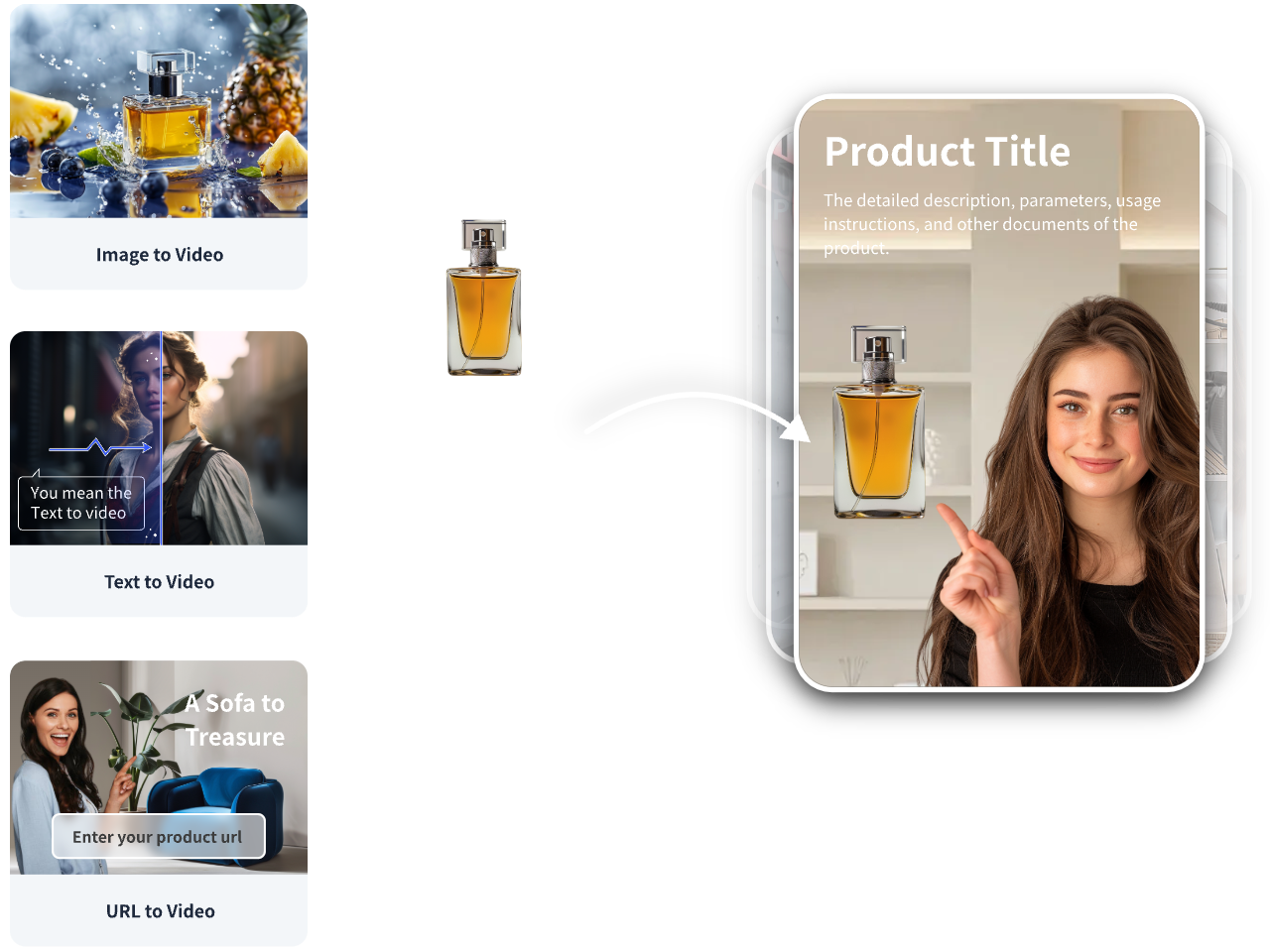
You start in Kling 2.5 by opening the video creation screen and choosing the right mode for your input. In most Kling dashboards, you will see options like Text-to-Video and Image-to-Video, plus a history or library area.
The Fastest Click Path In Kling 2.5
- Open Kling and sign in.
- Go to the Create or Video section.
- Choose Text-to-Video if you only have an idea.
- Choose Image-to-Video if you already have a character image.
- Set Aspect Ratio first, then set Duration.
- Generate, then save the best version to your library.
What Should You Choose Between Text-To-Video And Image-To-Video In Kling 2.5 ?
Choose Text-to-Video in Kling 2.5 when you want quick ideas and flexible scenes. Pick Image-to-Video when you want consistency, because your image becomes the anchor. Also, pick one mode and stay there until you get a good base clip. Then iterate, instead of switching modes every time.
How Do You Write Prompts In Kling 2.5 For More Cinematic Results?
You write prompts in Kling 2.5 by describing one clear subject, one clear action, and one clear camera style. Then you add a simple quality rule, so the model stays focused.
A Prompt Formula That Works In Kling 2.5
- Subject: who or what is on screen.
- Action: one main movement only.
- Scene: where it happens.
- Camera: one shot type and one motion.
- Lighting: one mood word.
- Quality: “high detail” or “cinematic” once.
- No clutter: “no text, no logos” if needed.
What Are Example Prompts You Can Copy Into Kling 2.5 ?
Use these as starters in Kling 2.5 , then tweak only one line at a time. “Medium shot of a confident female hero walking through a rainy neon street, slow dolly-in, moody lighting, cinematic, no text.” “Close-up of a chef smiling while plating food in a modern kitchen, soft warm light, shallow depth of field, cinematic.” “Wide shot of a red sports car driving along a coastal road at sunset, smooth tracking shot, high detail, no logos.”
How Do You Keep A Character Consistent In Kling 2.5 Across Multiple Videos?
You keep a character consistent in Kling 2.5 by locking an identity recipe and reusing the same reference approach every time. In other words, you reduce changes, and you repeat what matters.
The Identity Recipe To Reuse In Kling 2.5
- Use one character tag, like CHAR_LUNA.
- Repeat the same face details in the same order.
- Keep hair details identical.
- Keep one signature item consistent, like a jacket or scarf.
- Maintain style words stable, like “realistic cinematic.”
- Keep camera distance similar for most shots.
How Do You Use Image-To-Video In Kling 2.5 For Better Consistency?
Upload one clean character image, then generate short clips first in Kling 2.5 . Next, save the best output as your new reference frame if your UI allows it. Also, avoid extreme style mixing, because that often causes face drift. Finally, change only one thing per clip, like background or outfit, not everything at once.
What Is A Simple AI Workflow In Kling 2.5 You Can Repeat Every Time?
A simple workflow in Kling 2.5 is: generate a base clip, lock the look, then iterate with small changes. This keeps your results consistent, and it saves time.
Best Kling 2.5 Settings To Choose For Common Video Goals
| Your Goal In Kling 2.5 | Best Mode To Use | Aspect Ratio | Duration | What To Focus On In The Prompt | Why This Works |
| Quick idea test for a scene | Text-to-Video | 9:16 | 4–6s | Subject + one action + one camera move | It’s fast, so you can explore concepts without wasting credits |
| Consistent character across many clips | Image-to-Video | 9:16 or 16:9 | 4–6s | Identity block + camera distance + “realistic cinematic” | The reference image anchors the face, so drift reduces |
| Cinematic b-roll style shots | Text-to-Video | 16:9 | 6–8s | Lighting + lens feel + slow camera movement | Wider frames and slower motion look more “film-like” |
| Product ad clip for social | Image-to-Video | 9:16 | 4–6s | Product focus + clean background + “no text, no logos” | It keeps the frame clean and easier to edit later |
| Talking-style clip without captions | Text-to-Video | 9:16 | 4–6s | “No subtitles, no captions, no on-screen text” | It reduces auto-text behaviour and keeps the frame clean |
| Action clip with less jitter | Text-to-Video | 16:9 | 4–6s | One action only + “smooth motion” | Shorter clips reduce chaos, so motion looks cleaner |
| Scene variations for a series | Same mode every time | The same every time | Same every time | Keep identity block fixed, change only the scene line | Consistency comes from repeating structure, not random tweaks |
The Best “One Change At A Time” Tweaks In Kling 2.5
- Change only the background.
- Then change only the outfit.
- Change only the camera angle slightly.
- Then change only the lighting mood.
- Finally, increase motion intensity only if needed.
Where Do People Get Stuck In Kling 2.5 And How Do You Fix It?
People get stuck in Kling 2.5 when outputs drift, motion looks odd, or text appears. The fix is usually a shorter prompt, fewer scene elements, and steadier settings.
Quick Fixes For Common Kling 2.5 Issues
- Face changes too much: switch to Image-to-Video and reuse the same reference.
- Motion looks jittery: ask for “smooth camera movement” and reduce action.
- Scene is messy: remove extra props and extra characters.
- Text appears: add “no text, no subtitles, no logos” once at the end.
- Wrong vibe: keep the same prompt, but swap only the lighting words.
What Should You Save In Kling 2.5 So You Don’t Start Over Each Time?
Save your best prompt as a template, and save your best base clip as your anchor. Also, keep a small “identity recipe” note for your character tag. Then, each time you open Kling 2.5 , you can paste the same core block and only change the scene line.
Conclusion
Kling 2.5 works best when you treat it like a repeatable system, not a one-off generator. First, pick the right mode and lock your settings. Next, use a simple prompt formula and generate a few variations. Then, keep one base version and iterate slowly. As a result, you get cleaner videos, more consistent characters, and faster results.
Frequently Asked Questions
1. Is Kling 2.5 better for text-to-video or image-to-video?
It depends, but image-to-video is usually better for consistent characters.
2. How many variations should I generate in Kling 2.5 per scene
Generate 3–5 variations, then keep the best one as your base.
3. Why does my character drift in Kling 2.5 ?
Drift happens when you change too many things at once, especially style and camera distance.
4. How do I stop text from showing up in Kling 2.5 videos?
Add “no text, no subtitles, no logos” at the end of your prompt.
5. What is the fastest Kling 2.5 workflow for beginners?
Pick one mode, set ratio and duration, use the prompt formula, and iterate with one change at a time.