Voice Cloning for AI Content in 2026: How Brands Turn One Voice into Ads, Videos, and Sales at Scale
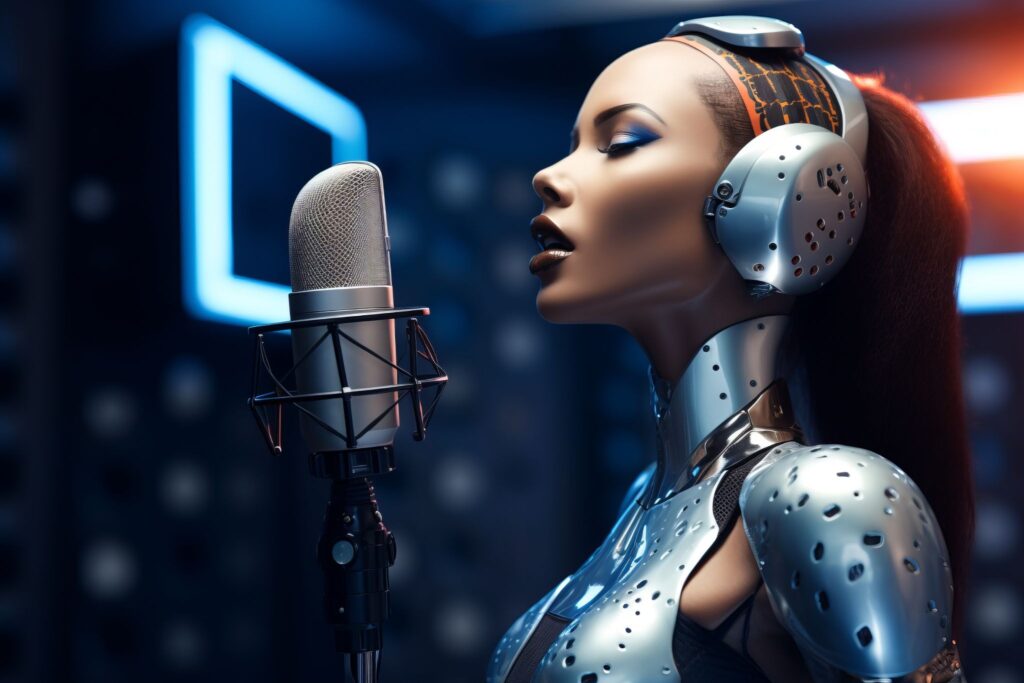
Voice cloning lets you create unlimited content using one consistent brand voice. In 2026, brands use it to cut costs, move faster, and personalize content across channels.
What Voice Cloning Means for AI Content in 2026
Voice cloning uses AI to copy a real human voice and generate new audio from text.
Voice cloning no longer sounds robotic. AI models now capture tone, pacing, and emotion.
Brands Use Voice Cloning Because:
- One voice stays consistent across all content
- Production time drops from days to minutes
- Content updates do not need re-recording
- Video and audio scale without hiring more talent
In 2026, voice cloning works with video, ads, and sales funnels. It no longer lives in audio alone.
How Brands Use Voice Cloning for Ads and Videos
Brands turn one recorded voice into hundreds of ad variations.
Common Use Cases Include:
- Video ads for Meta, TikTok, and YouTube
- Short-form videos with fast voiceovers
- Brand explainers and promo videos
- Product launch videos
A single voice supports multiple formats. The same script powers ads, reels, and landing page videos.
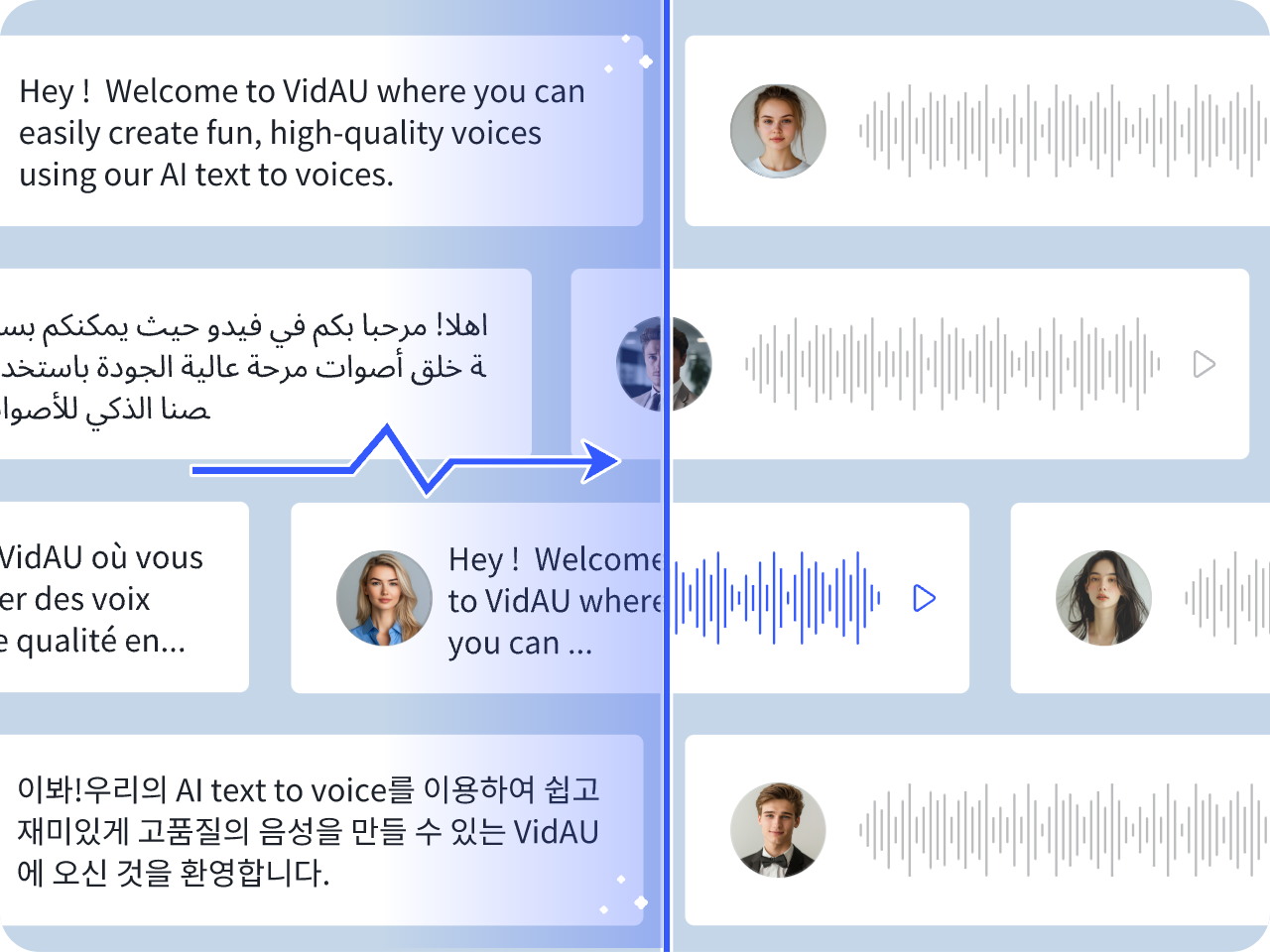
Brands also localize content faster. AI now generates the same voice in multiple languages while keeping tone consistent. This removes the need for new voice actors per region.
Voice Cloning in Sales Funnels and Customer Touchpoints
Voice cloning moves beyond ads into revenue workflows.
Brands Use AI Voices for:
- Product demo videos
- Onboarding videos
- Sales follow-up videos
- Email and landing page video embeds
Voice-led videos build trust faster than text alone. They explain features clearly and keep users engaged longer.
When combined with AI video tools, one script and one voice support the entire funnel. This cuts friction and improves conversion speed.
Voice Cloning Tools Brands Use in 2026
Not all voice tools serve commercial goals. Brands focus on realism, speed, and rights control.
Here is a Quick Comparison.
Table: Voice Cloning Tools for Brand Content
| Tool | Key Features | Best Use Case |
| ElevenLabs | High realism, fast cloning, strong English | Ads, narrations, branded audio |
| Resemble AI | API access, watermarking, voice security | Enterprise apps, customer support, scale |
| Murf | Team workflows, multilingual voices | Marketing teams, training videos |
| OpenAI Voice | Natural speech, strong text understanding | AI assistants, conversational video |
Most brands pair voice tools with AI video platforms. This is where tools like VidAU fit naturally. You generate scripts, apply voice, and turn it into ready-to-use videos without manual editing.
Risks, Ethics, and Brand Safety with Voice Cloning
Voice cloning creates risk when used without rules.
Key Concerns Include:
- Using voices without consent
- Misleading audiences
- Deepfake misuse
- Loss of trust
Brands Protect Themselves by:
- Using voices they own or license
- Disclosing AI-generated audio
- Avoiding impersonation
- Storing voice data securely
Platforms now enforce stricter policies. Transparency protects credibility and long-term growth.
How VidAU Fits into Voice-Driven AI Video Content
Voice cloning works best when paired with video automation.
VidAU Supports this Workflow by:
- Turning scripts into video
- Matching voice to visuals
- Scaling ad variations quickly
- Reducing production time
You do not need dozens of tools. Voice, script, and video now live in one flow. This makes AI content practical for marketing teams, not just engineers.
Is Voice Cloning Worth It for Brands in 2026
Voice cloning works best when:
- You create frequent video content
- Run paid ads at scale
- You need fast localization
- Also, you want brand consistency
Avoid it when:
- Trust and disclosure are unclear
- Voice rights are not secured
- The content requires live emotion
Start small. Test voice-led videos. Measure engagement. Then scale what works.
Conclusion
Voice cloning shifts how brands create AI content in 2026. One voice now powers ads, videos, and sales across platforms. Brands that combine voice cloning with AI video move faster and spend less. The winners focus on trust, speed, and clarity.
FAQs
1. What is voice cloning used for in marketing
Brands use voice cloning for ads, videos, demos, and customer education. It helps scale content while keeping a consistent brand voice.
2. Is voice cloning legal for commercial use
Yes, when brands own or license the voice and disclose AI use where required. Consent and transparency matter.
3. Does voice cloning improve ad performance
Voice-led videos often increase watch time and clarity. Results depend on script quality and audience fit.
4. How does voice cloning work with AI video
The AI voice reads a script. Video tools sync visuals to the audio. This creates ready-to-publish content fast.
5. Is voice cloning replacing human voice actors
No. It reduces repeat work and speeds production. Many brands still use humans for original voice creation.