















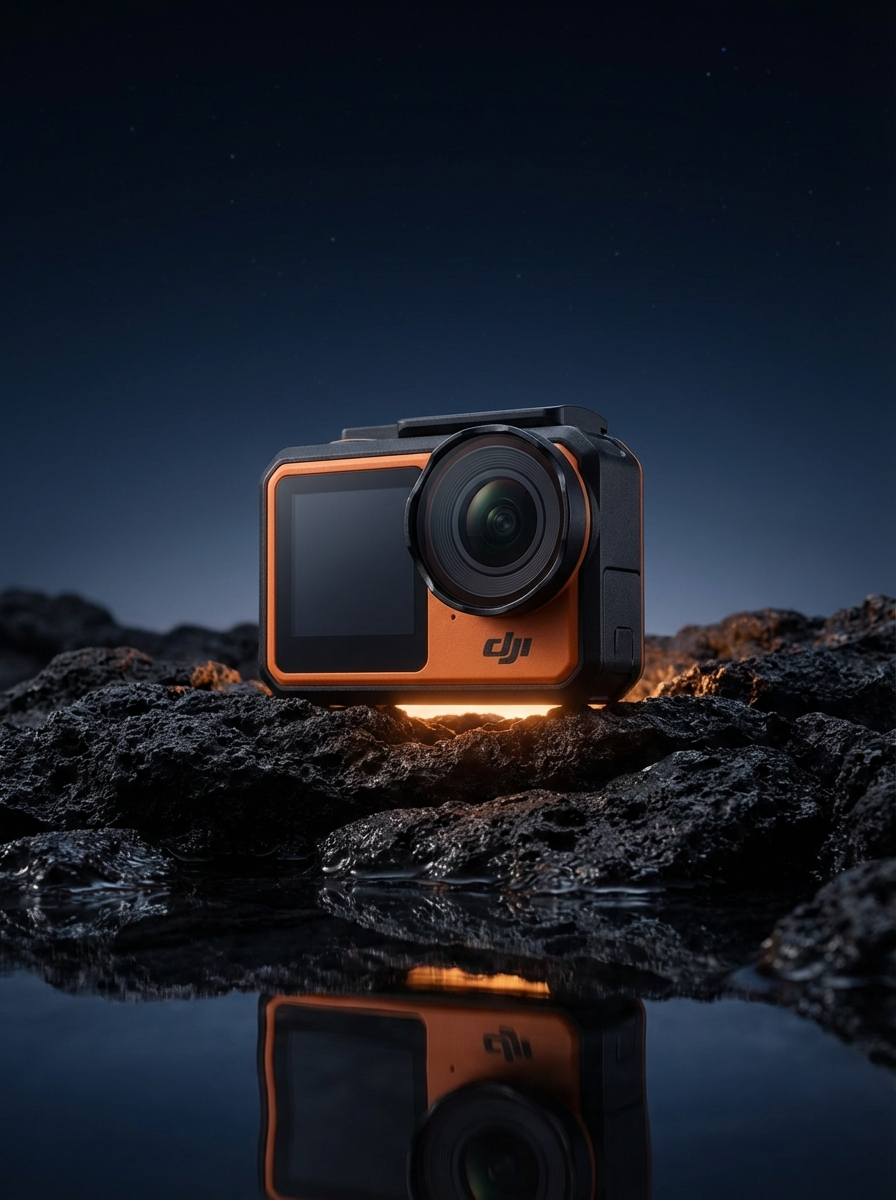
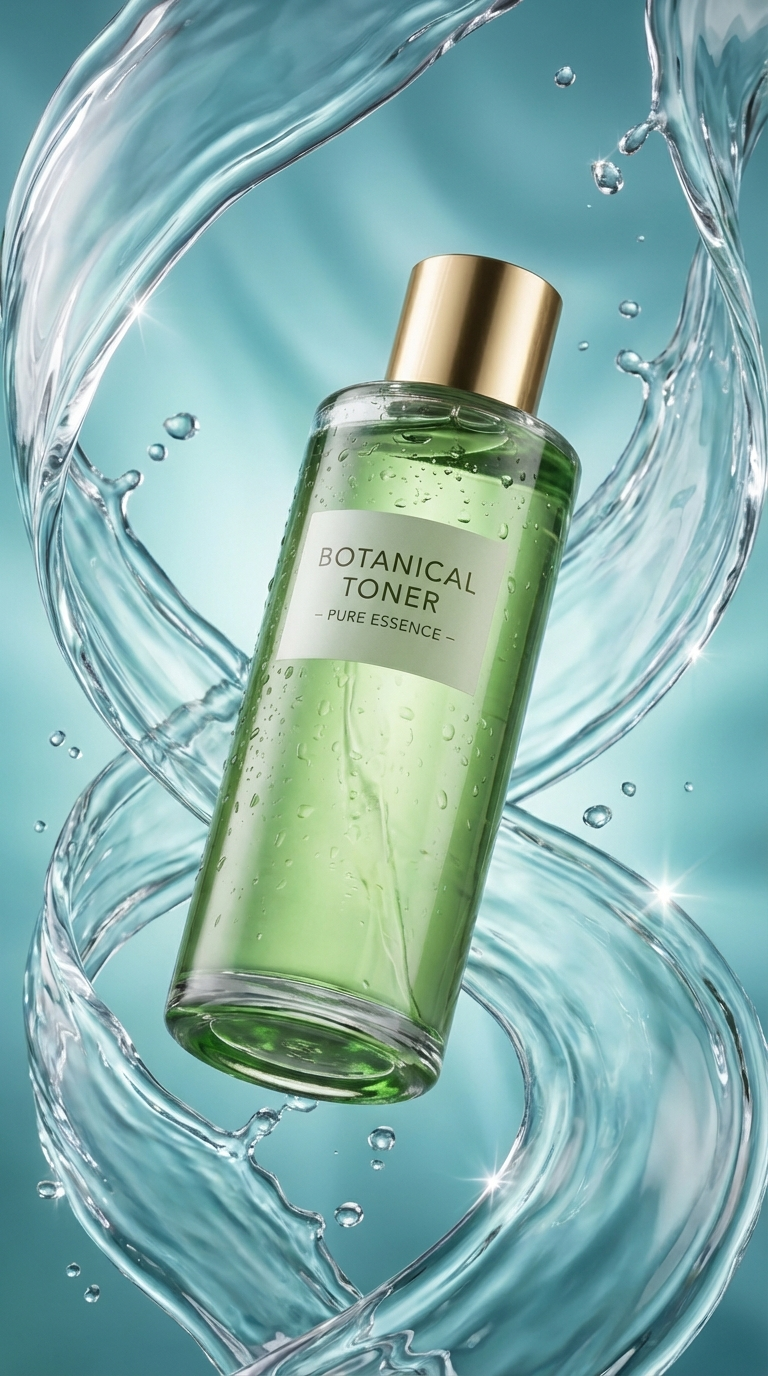



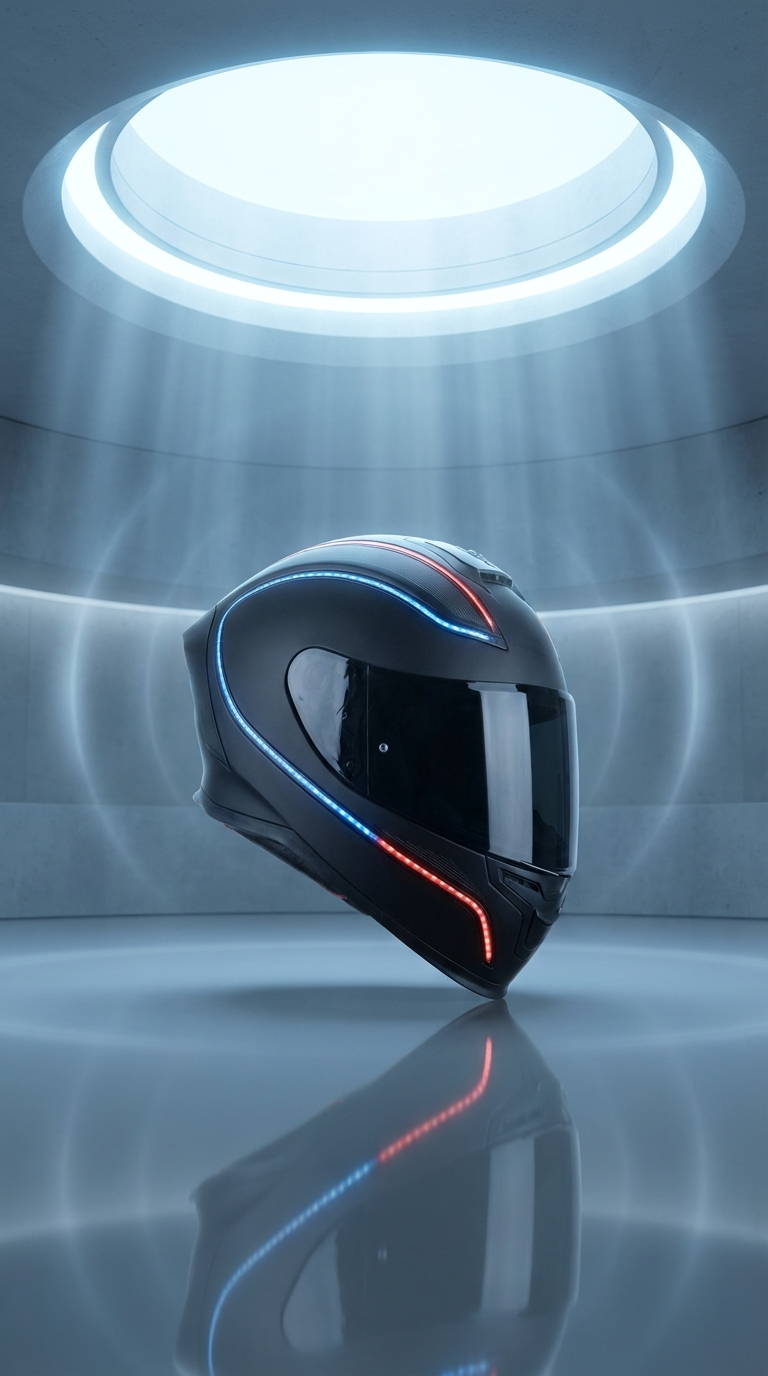
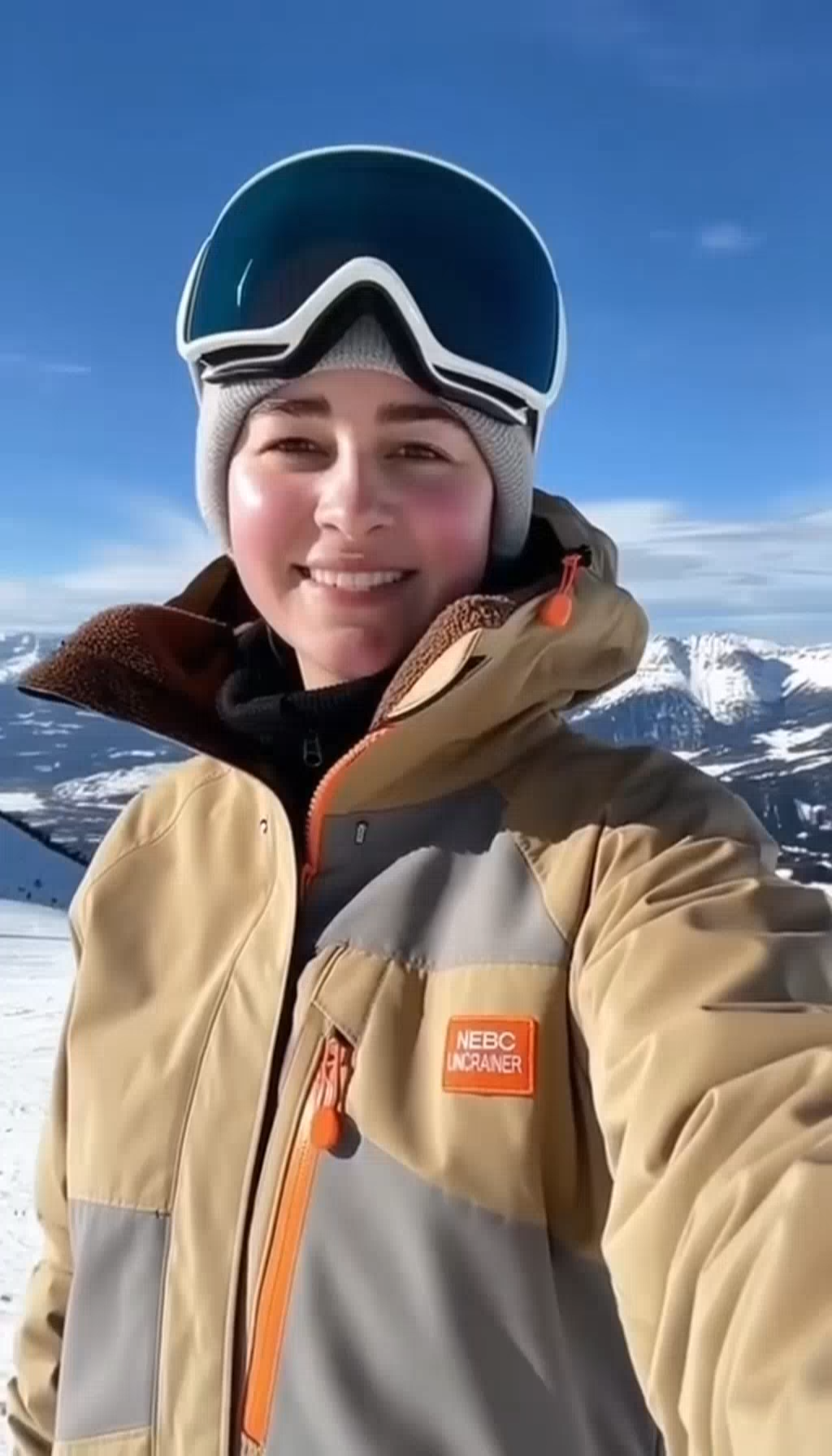

AI Content Creation Guide: How to Create Cinematic AI Videos (Step by Step)

Creating cinematic videos used to be expensive, slow and often limited to professionals. But now, AI content creation has changed that for everyone. With the right setup and guidance, you can go from concept to cinematic-quality video in minutes. Platforms like VidAU are helping creators, businesses, and solo brands publish faster with consistent quality and storytelling flow. In this guide, you’ll learn exactly how to make cinematic AI videos, with clear steps, tips, and real examples.
How Do You Make Cinematic AI Videos? (Step-by-Step Guide From Start to Finish)
To create cinematic AI videos that feel intentional and smooth, you need a clear workflow that focuses on storytelling, visual consistency, and pacing. This step-by-step guide shows you the best way to structure your AI content creation process using tools like VidAU.
Step 1: Write a Simple, Visual Script
Before you start creating, write a short script that describes what happens in each scene. Focus on visual action, mood, and camera movements.
- Keep your script under 60 seconds (for short-form)
- Write in short sentences for clarity
- Describe visuals, tone, and transitions clearly
Step 2: Break the Script Into Scenes
Segment your script into 3 to 5 clear scenes. This helps control pacing and ensures the AI system generates consistent shots.
- Each scene should contain one action or movement
- Add notes like “zoom out slowly” or “sunset lighting”
Step 3: Generate Image or Video Prompts
Write prompts that reflect your script visually. These prompts must describe the look, environment, mood, and style.
Example prompt:
A cinematic shot of a man walking into a foggy forest, 35mm lens, golden hour lighting, soft shadows, film grain
Step 4: Use VidAU to Generate and Stitch Scenes
VidAU helps you turn those images or ideas into smooth, cinematic videos. Upload your script and prompts to VidAU and choose your format.
- Use brand templates for consistent style
- Add generated voiceover or music
- Preview each scene for flow and adjust pacing
Step 5: Export and Repurpose
Once the video is generated, export it and adapt for other platforms.
- Reformat for TikTok, Reels, Shorts
- Add subtitles or brand overlays
- Repurpose into a carousel or blog video
How to Write Better Prompts for Cinematic AI Videos

To get quality outputs, your prompts must be clear, descriptive, and styled. A weak prompt leads to broken visuals or irrelevant content.
Start with structure:
Use the Format: Subject + Action + Camera + Lighting + Environment
This structure helps the model focus and gives you cinematic balance.
Examples:
- A woman running across a desert, drone shot, warm lighting, sandstorm in background
- An old man staring at a stormy sea, 50mm lens, low lighting, dramatic clouds
Add Lens, Shot Type, and Color Mood
These details control your final video’s emotion and depth.
Tips:
- Use lens types like 35mm, 85mm, drone view
- Describe mood using lighting: harsh, soft, warm, cold
- Add terms like “cinematic composition,” “film style”
Best Tools for AI Content Creation By Use Case
The best AI content creation tools help you write, visualize, edit and publish faster. Each one solves a specific part of the process. VidAU, in particular, covers idea to video completion with less manual work.
| Tool | Use Case | Best For | Output Format |
| VidAU | Image-to-video, editing | Cinematic video creation | Vertical/Horizontal |
| ChatGPT | Scriptwriting | Fast, clear story generation | Text |
| Runway | Video inpainting | Replacing or expanding visuals | MP4 |
| Midjourney | Image generation | Consistent characters or scenes | JPG, PNG |
| CapCut | Final editing | Subtitles, transitions, effects | Vertical video |
Common Mistakes in AI Content Creation (and How to Fix Them)
Even with the right tools, ai content creation often fails because of rushed decisions and weak structures. A high-quality cinematic video needs more than automation. It requires clarity, consistency, and good planning. When these elements are missing, your video feels scattered, and your message gets lost. These common mistakes can be fixed easily once you know what to look for.
1. Vague Prompts
When your prompt is too general, the output becomes generic. Avoid single-line instructions. Instead, describe the subject, environment, camera angle, lighting, and mood clearly.
2. Poor Scene Pacing
If scenes switch too fast, your video loses flow. Keep scenes long enough to show visual emotion. Limit the number of actions per scene to one.
3. Inconsistent Visual Style
Mixing different lighting, camera types, or mood between scenes confuses your viewer. Stick to one consistent tone per video. VidAU allows you to save and reuse scene styles.
4. Skipping Preview Review
Exporting without reviewing leads to mistakes in timing, transitions, or audio. Always preview your video in VidAU before finalizing.
5. Overloading Scenes
Trying to say too much in one video weakens the impact. Focus on one message or emotion per video. Simplicity drives better engagement.
How to Repurpose One Cinematic AI Video Across Multiple Platforms
If you’re putting time into ai content creation, you should get the most value from it. Repurposing a single cinematic video helps you reach more people without doubling your work. Instead of starting from scratch each time, you can adapt one high-quality video across TikTok, Instagram, YouTube, LinkedIn, and more. The key is knowing what to adjust for each platform without breaking your flow.
1. Start With a Master Version
Create your full video in VidAU using cinematic flow and clean visuals. This becomes your base for all formats.
2. Edit for TikTok and Reels
Trim intros and speed up transitions. Keep it under 30 seconds. Add captions for silent viewers.
3. Adjust for YouTube Shorts
Use the same vertical layout but add a punchy hook. Slightly longer pacing works better here up to 60 seconds.
4. Format for LinkedIn or Blog
Slow down transitions and keep branding clean. Add an intro title or overlay for professionalism.
5. Use VidAU’s Export Options
VidAU supports multiple export layouts, square, vertical, or widescreen. You don’t have to rebuild your scenes.
6. Schedule and Post Across Channels
After export, post each version on its platform. Link to your master version on blogs or YouTube for longer-form reach.
How Does VidAU Simplify AI Content Creation for Everyone?

VidAU makes ai content creation smoother by taking your raw ideas and turning them into ready-to-publish cinematic videos. You don’t need editing experience or expensive software. Once you upload your visuals and script, VidAU handles scene transitions, timing, voiceover, and video styling automatically.
You can start with built-in templates or create a custom setup that fits your brand. Each video feels consistent because VidAU lets you reuse assets, adjust pacing, and apply cinematic motion settings with one click.
- Upload scripts, prompts, or image references
- Select tone, music, and layout options
- Review scene transitions and timing in preview mode
- Export in high-quality vertical, square, or landscape formats
Creators use VidAU to produce Reels, product demos, storytelling videos, and TikToks without hiring editors. This keeps content flowing and helps teams stay on track.
Benefits of Cinematic AI Content
Cinematic AI content gives your brand an edge. You stand out in noisy feeds and deliver more emotion with each post.
Benefits:
- Higher engagement on short-form platforms
- More consistent brand visuals
- Faster publishing speed
- Less creative fatigue
Video content will still drive the most reach across social media, search, and shopping. Using AI helps you stay relevant without burnout.
Final Thoughts
Creating quality video content doesn’t require a studio anymore. With AI content creation tools like VidAU, you can go from idea to final video in minutes. You only need a clear script, smart prompts, and a platform that does the rest. Once you follow the step-by-step guide above, you’ll start producing cinematic videos that attract, engage, and convert without technical stress.
FAQs
- What is AI content creation used for?
AI content creation helps generate videos, scripts, graphics, and other digital assets faster. Creators use it to make short-form videos, ads, explainer content, and tutorials. - What’s the best AI tool to create videos from scripts?
VidAU is a strong option because it supports text-to-video, voiceover, and formatting templates in one dashboard. - Can I create cinematic videos without experience?
Yes. With platforms like VidAU and a simple workflow, beginners can produce cinematic-quality videos in minutes. - How do I write better AI prompts for video?
Describe the subject, camera angle, lighting, mood, and setting. Use lens types and emotional tones. - Where can I publish AI content for visibility?
You can post on TikTok, Instagram Reels, YouTube Shorts, LinkedIn, or embed videos in your blog. Repurpose one video for multiple formats.