










Veo 3.1 vs. Sora 2 vs. Nano Banana Pro: Which AI Tool Fits Your Creative Pipeline?

Veo 3.1 vs Sora 2 vs Nano Banana Pro — Which AI Video Tool Fits Your Workflow?
Veo 3.1, Sora 2, and Nano Banana Pro are advanced AI video generation tools built for creators, marketers, educators, and brands. All three convert text, images, and scripts into videos, but each serves a distinct workflow and output style.
Veo 3.1 focuses on professional-grade video production with strong consistency and resolution control. It suits teams and creators who need reliable visuals for ads, branded campaigns, and narrative projects.
Sora 2 focuses on speed and accessibility. It works best for creators who publish frequently and need fast iterations for social platforms.
Nano Banana Pro focuses on creative experimentation and visual styling. It targets creators who want expressive visuals, stylized motion, and artistic freedom. Your choice depends on speed, quality, and creative depth.
The generative AI landscape has moved beyond single-tool solutions. The modern creative professional must now select from specialized, high-performance models based on the specific output format and production goal. The comparison between Veo 3.1 (Google), Sora 2 (OpenAI), and Nano Banana Pro (Google/Gemini) is a study in specialization: Two for Video and One for Image.
Key Benefits of Veo 3.1
- Generates high-resolution videos up to 4K.
- Strong character and scene consistency using start and end frame control.
- Reliable dialogue, sound effects, and music sync.
- Works well for ads, storytelling, and client projects.
- Supports longer scenes and structured narratives.
Key Benefits of Sora 2
- Fast video generation for rapid testing.
- Strong interpretation of camera movement and lighting prompts.
- Integrated into creator workflows through ChatGPT and social tools.
- Simple prompt-to-video process.
- Ideal for daily content and concept testing.
Key Benefits of Nano Banana Pro
- Strong visual styling and expressive motion.
- Flexible creative prompts for artistic outputs.
- Suits abstract, stylized, or experimental videos.
- Appeals to creators focused on aesthetics and mood.
- Useful for music visuals, creative reels, and concept art videos.
I. At a Glance: The Core Distinctions
| Model | Primary Output | Core Strength | Ideal Use Case |
| Nano Banana Pro | High-Resolution Images (Stills) | 4K Fidelity, Flawless Text, Logic/Consistency | Product Mockups, Detailed Storyboards (Frames), Marketing Graphics, Infographics. |
| Veo 3.0/3.1 | Cinematic Video (Longer Clips) | Native Dialogue/Audio, 4K Resolution, Prompt Adherence | High-end Ads, Broadcast Content, YouTube Videos, Integrated Audio-Visual Storytelling. |
| Sora 2 | Fluid, Social Video (Shorter Clips) | Physics Simulation, Temporal Consistency, Speed/Accessibility | Rapid Prototyping, Viral Social Media Clips, Complex Camera Movements, Creative Exploration. |
II. Detailed Feature Breakdown
A. Nano Banana Pro: The Image Master
Nano Banana Pro (often powered by the Gemini 3 Pro backbone) is the choice for anyone whose final deliverable is static but requires unmatched precision and logic.
- Precision & Fidelity: It is built for materiality. It understands complex textures (silk, glass, metallic flake), generates physics-accurate lighting, and offers native $2K$ and upscaled $4K$ resolution, making it suitable for professional print and commercial marketing.
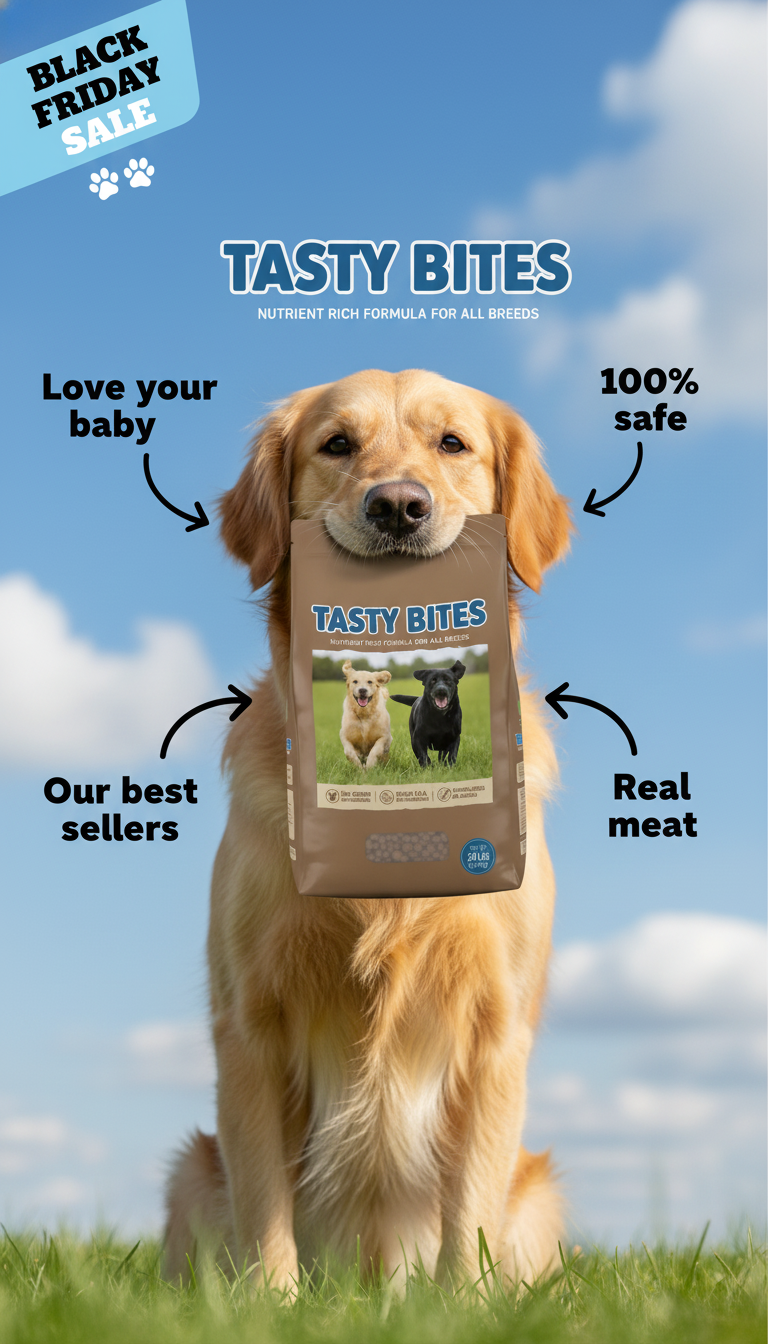
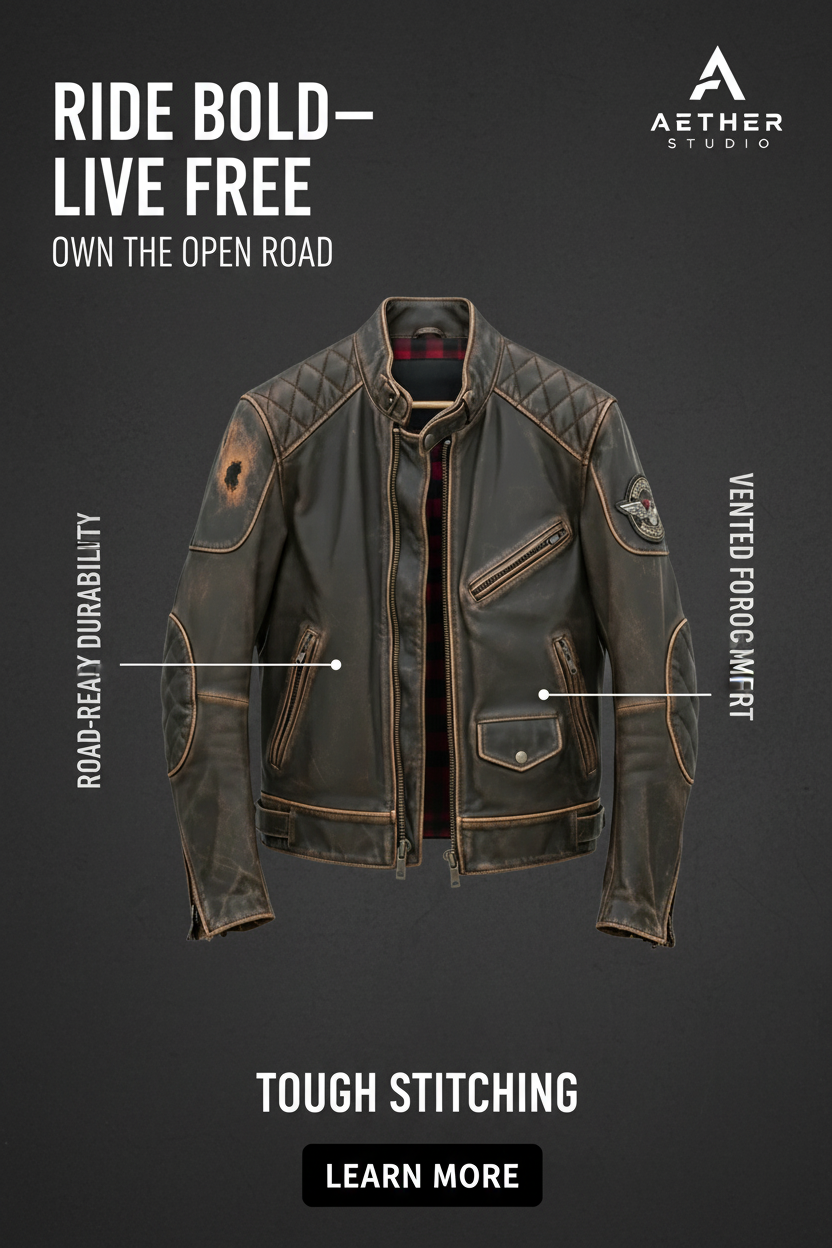
- Flawless Text: It solves the long-standing AI issue of garbled text, reliably rendering legible, multilingual text for logos, banners, and data-driven infographics.
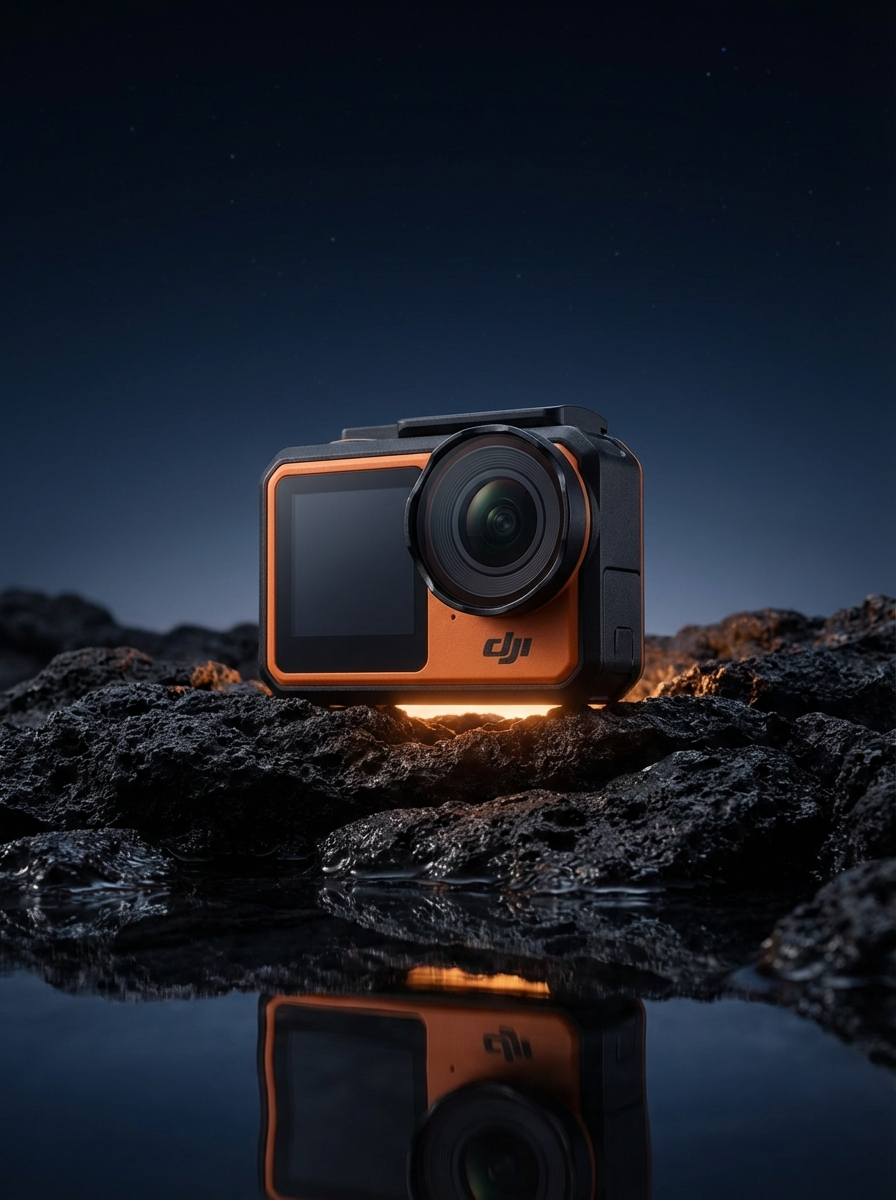
- The “Reasoning Engine”: Its core strength is the ability to understand and execute complex, multi-clause instructions (e.g., “Place the blue product on a volcanic rock, lit only by a high-angle rim light”) without hallucinating extraneous elements.
B. Veo 3.0/3.1: The Broadcast Workhorse
Google’s Veo is engineered for professional filmmaking and production-ready assets, with an emphasis on the elements that streamline post-production.
- Native, Synchronized Audio: This is Veo’s killer feature. It generates not just video, but perfectly synchronized dialogue, multi-layered sound effects, and background music in a single output, cutting down on audio post-production time significantly.
- 4K Output & Frame Rate: Veo provides output up to $4K$ resolution and $60$ frames per second, meeting broadcast and high-end YouTube standards, a key distinction from Sora 2’s current $1080p$ limit.
- Prompt Adherence & Control: Veo is highly reliable in strictly following technical prompts, offering features like Start/End Frame Control to ensure two clips seamlessly stitch together for multi-shot continuity.
C. Sora 2: The Creative Simulator
OpenAI’s Sora 2 is designed as a “general-purpose simulator of the physical world,” focusing on highly realistic motion, speed, and creative accessibility is available on VidAU.
- Superior Physics & Temporal Consistency: Sora excels at maintaining the integrity of objects even when they leave and re-enter the frame (object permanence). Its motion simulation is highly praised for feeling grounded and realistic.
- Speed and Accessibility: Sora’s generation is often faster than Veo at comparable resolutions, making it ideal for rapid prototyping and A/B testing variations of an idea. It is often more accessible to the consumer creator through platforms like ChatGPT Pro.
- Cinematic Realism: It is noted for generating videos with a strong sense of mood, lighting, and camera movement that feels instinctively filmic, though it may sometimes take more creative license than Veo.
III. The Ultimate Workflow: Using All Three
For a high-stakes, professional project, the optimal strategy is to leverage the unique strength of each model in a three-stage pipeline:
- Phase 1: The Hero Asset (Nano Banana Pro)
- Goal: Create the perfect, high-fidelity, high-resolution still image of the key product or character.
- Prompt Example:
Ultra-detailed macro product photograph of a premium matte-black perfume bottle with subtle gold accents, placed on a polished black obsidian rock. Controlled cinematic studio lighting with a soft key light from the left and a low rim light outlining the bottle edges. Sharp focus on the bottle logo and texture. Background fades into deep black with the word ELEGANCE rendered in clean, uppercase serif typography, perfectly legible, evenly spaced, and centered. Hyper-realistic materials, accurate reflections, no distortion, no artifacts, 8K resolution, commercial luxury product photography style.” (Nano Banana guarantees the $4K$ fidelity and perfect text.)
Why this works
- Macro framing forces texture accuracy.
- Explicit lighting directions prevent flat renders.
- Text instructions reduce typography errors.
- Material cues improve realism and surface response.
- Phase 2: The Fluid Motion (Sora 2)
- Goal: Bring the asset to life with complex, realistic motion.
- Action: Feed the Nano Banana image into Sora 2’s image-to-video feature.
- Prompt Example:
Animate this image into a cinematic product shot. Perform a slow, continuous 360-degree orbiting camera move at eye level, smooth and stabilized, with shallow depth of field maintained throughout. The perfume liquid inside the bottle subtly shifts and settles with realistic viscosity and inertia. Light reflections move naturally across the glass surface as the camera rotates. No abrupt motion, no warping, no scene changes. Maintain brand text clarity and product proportions. Real-world physics, luxury commercial pacing.” (Sora excels at physics and fluid simulation.)
Why this works
- Camera movement stays controlled and predictable.
- Physics language guides liquid behavior.
- Constraints prevent scene drift or distortion.
- Focus rules preserve product clarity.
- Phase 3: The Cinematic Output (Veo 3.0/3.1)
- Goal: Finalize the clip with production-ready resolution and integrated sound.
- Action: Take the Sora clip and process it through Veo’s higher-tier model.
- Prompt Example:
“Upscale this clip to true 4K resolution with clean edges and stable detail. Preserve all motion timing and camera movement. Add synchronized audio design: a soft ambient jazz score at low volume, warm tone, slow tempo. Layer subtle environmental sound of distant rainfall, evenly mixed, no overpowering elements. Final output should feel calm, premium, and cinematic, suitable for a luxury brand advertisement” (Veo provides the $4K$ output and seamless audio integration.)
Why this works
- Upscaling instruction protects motion integrity.
- Audio direction avoids overpowering sound design.
- Emotional tone aligns sound with visuals.
- Output framing fits commercial use.
By understanding the specialization of Nano Banana Pro for Stills, Veo for Audio/Broadcast, and Sora for Physics/Speed, creators can build a truly modern and efficient creative pipeline.
Featured Comparison Table
| Feature | Veo 3.1 | Sora 2 | Nano Banana Pro |
| AI Video Generation | Text, image, and reference-driven video creation | Prompt-based cinematic video creation | Prompt-based stylized video creation |
| Max Resolution | Up to 4K, 60 FPS | Up to 1080p, 30 FPS | High resolution, style-focused |
| Speed | Moderate | Fast | Moderate |
| Creative Control | High, precise sequencing and consistency | Medium, strong prompt interpretation | High, style and motion focused |
| Motion & Camera | Controlled, stable, narrative-ready | Dynamic camera and lighting | Expressive, artistic motion |
| Audio Integration | Dialogue, music, sound effects | Dialogue and ambient sound | Limited audio focus |
| Ease of Use | Intermediate to advanced | Beginner-friendly | Intermediate |
| Best Use Case | Ads, branded content, storytelling | Social content, fast iteration | Artistic and experimental visuals |
Key Differences
- Veo 3.1 prioritizes quality, consistency, and professional output.
- Sora 2 prioritizes speed and ease of use.
- Nano Banana Pro prioritizes style and creative expression.
- Veo 3.1 suits structured narratives.
- Sora 2 suits rapid content cycles.
- Nano Banana Pro suits visual experimentation.
Using All Three Tools Together
Start with Sora 2 for rapid ideation
- Test hooks, angles, and visual concepts fast.
- Discard weak ideas early.
Refine core scenes in Veo 3.1
- Build consistent characters and scenes.
- Add dialogue and controlled motion.
- Produce high-quality final videos.
Add stylized elements with Nano Banana Pro
- Create artistic cutaways or mood scenes.
- Add creative transitions or visual accents.
- Elevate visual identity.
This workflow balances speed, quality, and creativity.
Project Goal and Recommended Tool
| Project Goal | Recommended Tool | Reason |
| High-budget ads or client work | Veo 3.1 | 4K output and strong consistency |
| Daily social media content | Sora 2 | Fast generation and easy iteration |
| Artistic or experimental visuals | Nano Banana Pro | Strong visual styling |
| Concept testing | Sora 2 | Speed advantage |
| Narrative storytelling | Veo 3.1 | Scene continuity and structure |
Tips for Choosing
- Choose Veo 3.0 if you need polished, reliable, professional videos.
- Choose Sora 2 if you publish often and test ideas daily.
- Choose Nano Banana Pro if visual style matters more than realism.
- Use more than one tool to cover speed, quality, and creativity.
Conclusion
Veo 3.1, Sora 2, and Nano Banana Pro each solve different video creation problems. Veo 3.0 delivers consistency and professional quality. Sora 2 delivers speed and accessibility. Nano Banana Pro delivers creative expression and visual style. The strongest results come from matching the tool to the task or combining them into a single workflow.
Frequently Asked Questions
- Which tool produces the highest-quality videos?
Veo 3.1 produces the most consistent and professional output. - Which tool works best for social media?
Sora 2 works best for fast, frequent social content. - Which tool suits artistic visuals?
Nano Banana Pro suits stylized and experimental visuals. - Can I use all three together?
Yes. Many creators use Sora 2 for ideas, Veo 3.1 for final output, and Nano Banana Pro for creative accents. - Which tool is easiest to start with?
Sora 2 is the easiest for beginners.