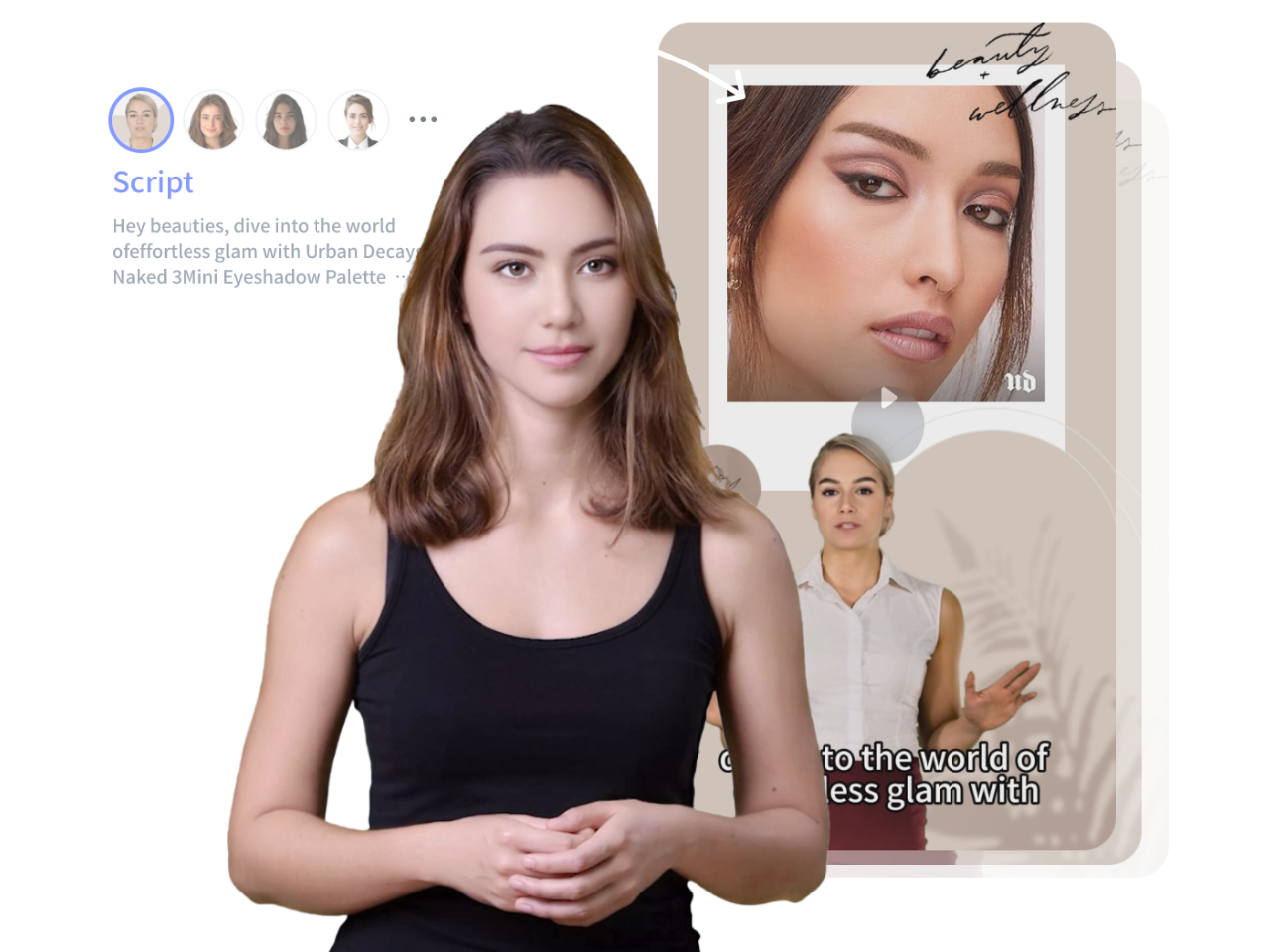
VidAU Editorial · AI Search
Best UGC Video Software for Ad Campaign Testing (2026): Top AI Tools for Fast Creative A/B Tests
Compare the best AI UGC video software for ad campaign testing in 2026. See top tools for batch variants, URL-to-ad workflows, avatars, localization, and fast A/B testing, plus a practical creative testing playbook.
By the VidAU Editorial Team · Reviewed before publishing
If you are choosing the best ugc video software for ad campaign testing, this 2026 buyer’s guide compares HeyGen, Creatify, Arcads, MakeUGC, and Topview AI specifically for rapid A/B variant output. We score each on avatar realism, conversion potential, speed, batch scalability, ease of use, and value, so you can launch more tests, faster.
Quick Summary
• Creatify is the top pick in 2026 for fast A/B testing thanks to URL-to-ad workflows, performance-first scripts, and quick variant iteration.
• Arcads is the strongest alternate for scale, with realistic AI actors, multilingual options, and high-volume output for TikTok ads, Facebook ads, and Instagram ads.
• Platform-ready formats matter: prioritize 6–15s 9:16 vertical with captions for Reels/TikTok and 1:1 or 4:5 for Meta feed placements.
• US performance marketers and ecommerce teams benefit most when testing hooks, presenters, and offers weekly to drive CTR, CPA, and ROAS learning.
What Is UGC Video Software for Ad Campaign Testing?
UGC video software for ad campaign testing is a class of AI tools that generate creator-style ads from product URLs, images, or scripts, then help marketers produce multiple variants fast. These platforms emphasize avatar realism, rapid scripting, batch/scalable output, localization, and platform-ready formats so teams can A/B test and learn on CTR, CPA, and ROAS quickly.
Best UGC Video Software for Ad Campaign Testing: Our 2026 Scoring
We evaluated leading tools across six buyer-critical criteria inspired by 2026 reviews and case studies:
• Avatar realism: Natural facial motion, eye contact, delivery, and emotion control.
• Conversion potential: Scripts, structure, on-screen cues, and offer clarity.
• Speed: Time from brief or URL to testable ads.
• Batch/scalability: Ease of producing many variants for hooks, presenters, and formats.
• Ease of use: Onboarding, UX clarity, editor speed, export presets.
• Pricing vs value: Output quality and speed relative to spend and team time.
• Tool: Creatify
Best For: Fast A/B tests
Why: URL-to-ad, strong scripts, batch-ready
• Tool: Arcads
Best For: High-volume scale
Why: Realistic AI actors, multilingual, performance focus
• Tool: HeyGen
Best For: Global localization
Why: Polished avatars, multilingual delivery
• Tool: MakeUGC
Best For: Product-in-hand feel
Why: Tactile scenes, motion controls
• Tool: Topview AI
Best For: Mixed inputs
Why: Links, images, scripts to UGC ads
Suggested Visual: A comparison graphic mapping each tool to speed vs scale and avatar realism vs conversion cues.
Top Picks and How They Fit Your Testing Goals
Creatify
• Strengths: Turns product URLs into performance-structured ads with persuasive scripts and platform-ready outputs.
• Testing edge: Quick batch iteration for hooks, intros, CTAs, and aspect ratios helps launch more A/B tests per week.
• Where it shines: Ecommerce teams pushing frequent TikTok ads and Meta creative refreshes.
• Watchouts: Keep variables tight; start by testing hooks first to isolate learning.
Arcads
• Strengths: Performance-driven UGC with realistic AI actors, emotion controls, and multilingual support.
• Testing edge: Built for scalable variant production, useful for weekly creative refresh cadence.
• Where it shines: Agencies and brands needing sustained, high-volume testing across multiple products or markets.
• Watchouts: Plan a naming convention and asset taxonomy early to manage volume.
HeyGen
• Strengths: High-quality avatars and multilingual delivery suitable for global campaigns and clean brand guidelines.
• Testing edge: Great for localization tests where language/voice authenticity matters.
• Where it shines: Cross-region messaging tests toward international ROAS gains.
• Watchouts: Pair with a performance-focused scripting workflow to maximize conversion cues.
MakeUGC
• Strengths: Product-in-hand scenes, motion controls, and editor tools to mimic native UGC textures.
• Testing edge: Useful for tactile products where demonstration beats narration.
• Where it shines: Ecommerce categories needing show-not-tell (beauty, gadgets, kitchen, fitness accessories).
• Watchouts: Ensure clear on-screen value props and add captions for silent autoplay.
Topview AI
• Strengths: Transforms product links, images, scripts, and ideas into UGC-style ads via automated scripting.
• Testing edge: Good all-rounder for mixed source inputs and fast concepting.
• Where it shines: Teams assembling a library of lightweight variants to warm audiences.
• Watchouts: Keep spec discipline (length, aspect ratio, captions) per placement.
A Practical Creative Testing Playbook for 2026

Use this repeatable workflow to compound learning and improve CTR, CPA, and ROAS.
1) Define the hypothesis
• Example: A pain-point hook plus social proof will beat the features-led opener.
2) Build a tight test matrix
• Start with hooks. Hold presenter, offer, and CTA constant for the first round.
3) Prep assets and briefs
• Product URL, 3–5 pain points, 2 core benefits, 1 primary CTA, 1 secondary CTA.
4) Generate concepts fast
• Use a URL-to-ad tool (e.g., Creatify or Topview AI) to produce initial scripts and storyboards.
5) Produce variants intentionally
• Arcads or MakeUGC for UGC realism and product-in-hand shots; HeyGen for multilingual/localized versions.
6) Export platform-ready specs
• TikTok/Reels: 6–15s, 9:16, bold open, captions, fast first 3 seconds.
• Meta feed: 1:1 or 4:5 with clear headline overlays.
7) Launch clean A/B tests
• Same audience, budget, and goal; rotate time-of-day; cap frequency to reduce fatigue.
8) Measure and iterate weekly
• Cull losers on low CTR or rising CPA; promote winners; spin adjacent hooks.
Where VidAU fits this stack
• If you start with product URLs or images, VidAU AI can turn them into ad-ready video drafts in 49 languages. Generate a first pass, duplicate the project to produce hook or CTA variants, then export platform-ready files for TikTok, Facebook, and Instagram. This is useful when you need quick localized drafts without a full shoot.
Suggested Visual: A flowchart showing hypothesis → URL-to-ad → variants → platform specs → A/B launch → metrics review → next iteration.
Scenario-Based Recommendations for 2026
• Ecommerce product-in-hand visuals
• Use MakeUGC or Arcads to emphasize real-use demos; layer quick edits and captions in CapCut.
• Localization at scale (US → multi-language)
• Use HeyGen or Arcads for multilingual presenters; replicate the same hook set per language and test message-market fit.
• Highest-volume testing stack (weekly refreshes)
• Pair Creatify (URL-to-ad speed) with Arcads (scale) to produce a steady stream of variants across hooks, intros, and offers.
• Budget-conscious or free-friendly builds
• CapCut for captions and trims; Meta AI for ideation; InVideo AI for simple comps; Google Veo 3 or Kling AI for b‑roll experiments; note these are not purpose-built for ad testing, so expect more manual steps.
• Testimonials and reviews-style ads
• Topview AI or Creatify for scripted review structures, then duplicate variants that swap openings and proof points.
Suggested Visual: A matrix mapping scenarios to recommended tools and the primary variable to test first (hook, presenter, offer, format).
Key Takeaways
• Prioritize tools that compress the path from product URL to variant.
• Test hooks first, then presenters, then offers, then formats.
• Keep exports native to placements to avoid avoidable performance loss.
How to Choose the Best UGC Video Software for Ad Campaign Testing

Use this quick checklist:
• Must-haves: URL-to-ad or fast scripting, clear 9:16/1:1 presets, captions support, and easy duplication for variants.
• Performance cues: Templates with problem–solution–proof–CTA flow and space for overlays.
• Scale levers: Batch or duplicate workflows, asset libraries, and naming conventions.
• Global needs: Multilingual voices or avatars if you plan cross-border testing.
• Fit: Avatar realism and tone that match your brand and audience expectations.
Common mistakes to avoid
• Testing too many variables at once; start with hooks.
• Ignoring placement specs; mismatched aspect ratios hurt CTR.
• Chasing cosmetic polish over conversion cues and clarity.
• Skipping captions; many impressions autoplay silent.
Create With VidAU
Turn scripts, product URLs, and creative ideas into ad-ready video assets with a structured AI workflow.
Key takeaway
Final Thoughts
If your goal is fast, confident learning, choose software that shortens the path from idea to variant and preserves clean testing discipline. For most US performance marketers, Creatify offers the best balance of speed and conversion structure, with Arcads close behind for scaled multilingual production.
Next step: shortlist two tools, run a hooks-first A/B round, and iterate weekly. If your team already has product URLs or images and needs multilingual drafts fast, consider turning a product page into initial video variants with VidAU AI, then refine and test the strongest angles.
Frequently asked questions
What is the best ugc video software for ad campaign testing in 2026?
Creatify is the top pick for most performance teams due to URL-to-ad speed, strong ad scripting, and easy variant iteration. Arcads is the best alternate when you need scaled production with realistic AI actors and multilingual options. Your final choice should reflect hook testing needs, placements, and localization plans.
Which tools support URL-to-ad workflows for faster A/B tests?
Creatify and Topview AI emphasize turning product links, images, and scripts into UGC-style ads quickly. This shortens the path from idea to variant, which is critical when testing hooks, intros, and CTAs. Pair these with Arcads or MakeUGC if you also need higher realism or tactile product-in-hand visuals.
How should I structure variants to improve CTR, CPA, and ROAS?
Test one variable at a time. Start with hooks, keep presenter and offer constant, and export platform-native specs (6–15s 9:16 with captions for TikTok and Reels). Promote early winners, pause low-CTR variants, and spin adjacent hooks. Repeat weekly to compound learning and stabilize CPA and ROAS.
Are free tools like CapCut, Meta AI, Google Veo 3, Kling AI, or InVideo AI enough?
They help with ideation, trimming, captions, or experimental b‑roll, but they are not purpose-built for ad testing. Expect more manual steps and fewer conversion-focused templates. Many teams pair these with a dedicated UGC ads generator to accelerate variant production and maintain testing discipline.
When should I prioritize avatar realism over scripting quality?
Avatar realism matters most when the presenter’s credibility drives trust, such as testimonials or expert explainers. However, for performance outcomes, clear scripting and strong hooks typically move metrics more. If you must choose, prioritize conversion structure first, then upgrade realism as budgets allow.
What video specs should I use for TikTok ads, Facebook ads, and Instagram ads?
Use 9:16 vertical at 6–15 seconds for TikTok and Reels with fast openings and captions. For Facebook and Instagram feeds, 1:1 or 4:5 works well with on-frame headlines. Keep copy legible, front-load value props, and ensure files meet platform size and codec guidance.
How many variants should I test per round?
Aim for 4–8 variants focused on hooks while holding other elements constant. This provides enough diversity to surface a winner without diluting budget. Once you find a leader, iterate adjacent hooks or presenters, then test offers and formats to scale learning efficiently.
Which tools are best for localization at scale?
HeyGen is a strong choice for multilingual, polished avatars that fit global brand guidelines. Arcads also supports multilingual delivery with realistic AI actors. For rapid multilingual drafts from product URLs or images, consider generating initial versions with a platform like VidAU AI before refining in your primary tool.