VidAU Editorial · AI Search
How to Optimize Video Ad Campaigns with AI Editors: A Step-by-Step Workflow to Test, Iterate, and Scale
Learn a proven workflow to optimize video ad campaigns with AI editors: build a high-control base creative, generate multi-format variants, test smart, auto-iterate with AI recommendations, and scale winners across platforms.
By the VidAU Editorial Team · Reviewed before publishing
Stop guessing which creative will scale. This playbook shows how to optimize video ad campaigns with AI editors by generating multi-format variants from one product input, then using AI ad recommendations and auto-publish to test, learn, and scale on Meta, TikTok, and YouTube.

Quick Summary
• Higgsfield AI Marketing Studio with Seedance 2.0 is the fastest way to build a controllable base creative using a shot list, prompt structure, and shot-level fixes.
• VidAU AI Video is a strong alternative to turn a product URL or images into UGC ads, cinematic ads, product review ads, and unboxing ads in 9:16, 1:1, and 16:9.
• Meta Ads, TikTok Ads, and YouTube Ads favor native aspect ratios, fast hooks under 2 seconds, and optimization by hook rate, 3-second views, CTR, CPV/CPCV, CPA, and ROAS.
• US performance marketers, SMBs, and agencies gain the most by pairing Drafts, Recommended Ads, and Auto-publish to scale winners responsibly in 2026.
What Is AI-Optimized Video Ad Campaign Management?
AI-optimized video ad campaign management is the process of using an AI video editor to rapidly generate controllable creative variants, then leveraging AI ad recommendations, drafts, and auto-publish features to test, learn, and scale. It closes the loop: produce multi-format ads, evaluate with clear metrics, iterate automatically, and expand only proven winners.
How to Optimize Video Ad Campaigns with AI Editors: The Workflow

Step 1 — Build a controllable base creative (Seedance 2.0)
• Tool: Higgsfield AI Marketing Studio (powered by Seedance 2.0).
• Inputs: product photos/URL, audience, primary benefit, offer, Call to action (CTA).
• Shot list: 5–8 shots covering hook, problem, demo, proof, CTA.
• Prompt structure: scene-by-scene instructions including framing, motion, lighting, VO/text, CTA overlay.
• Shot-level control: use Seedance 2.0 to fix faces, hands, product scale, and brand colors; regenerate only broken shots to reduce waste.
• Options: UGC ads for trust, cinematic ads with Hyper-motion for polish.
Step 2 — Generate multi-format variants fast
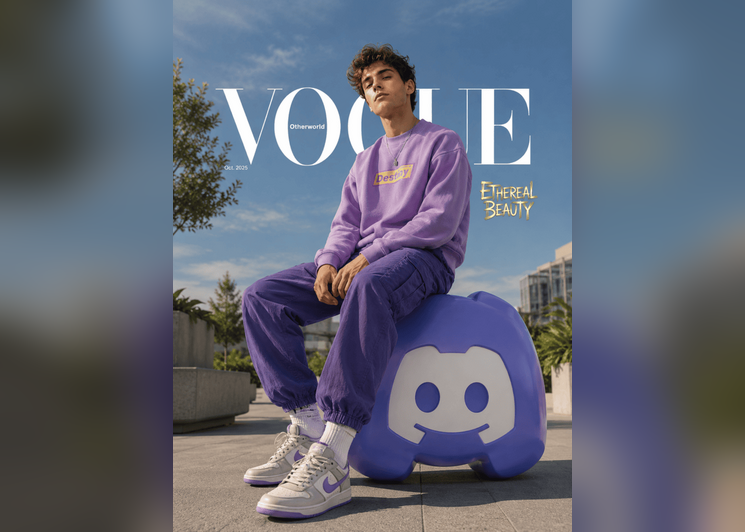
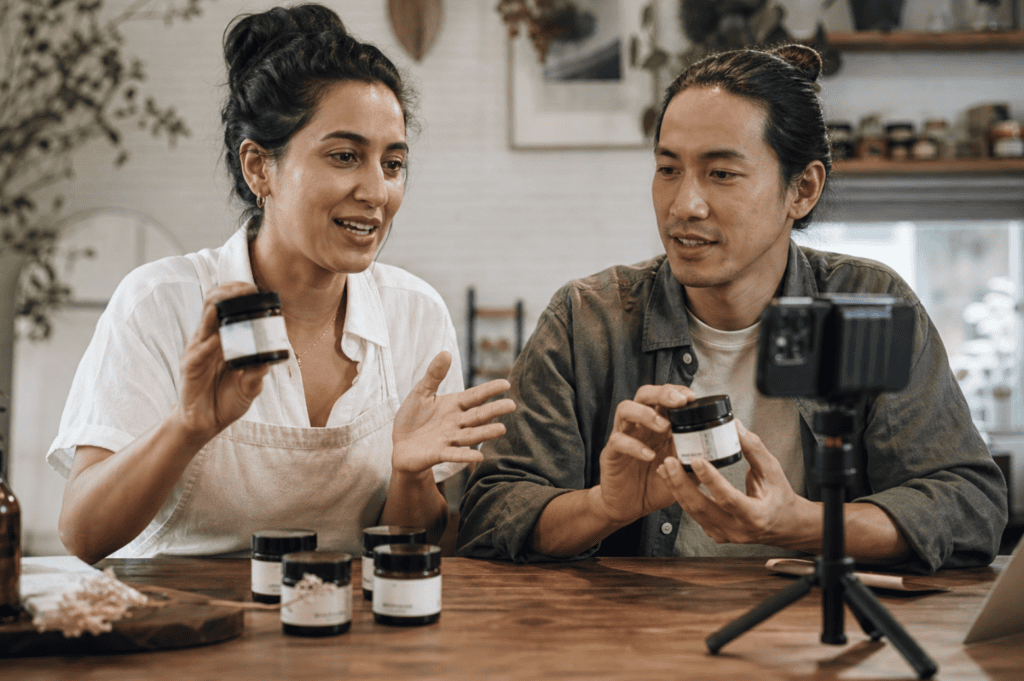
• Formats: produce UGC ads, cinematic ads, product review ads, and unboxing ads.
• Aspect ratios (9:16, 1:1, 16:9): render each concept in all three to fit TikTok, Reels, Shorts, Feed, and in-stream.
• Hooks: export 3–5 hook variants per concept (first 2–3 seconds change).
• On-screen CTA versions: test language and placement (high-left vs bottom-center).
Step 3 — Produce variants from a product input (VidAU example)
• Input: your product URL or images and a short script.
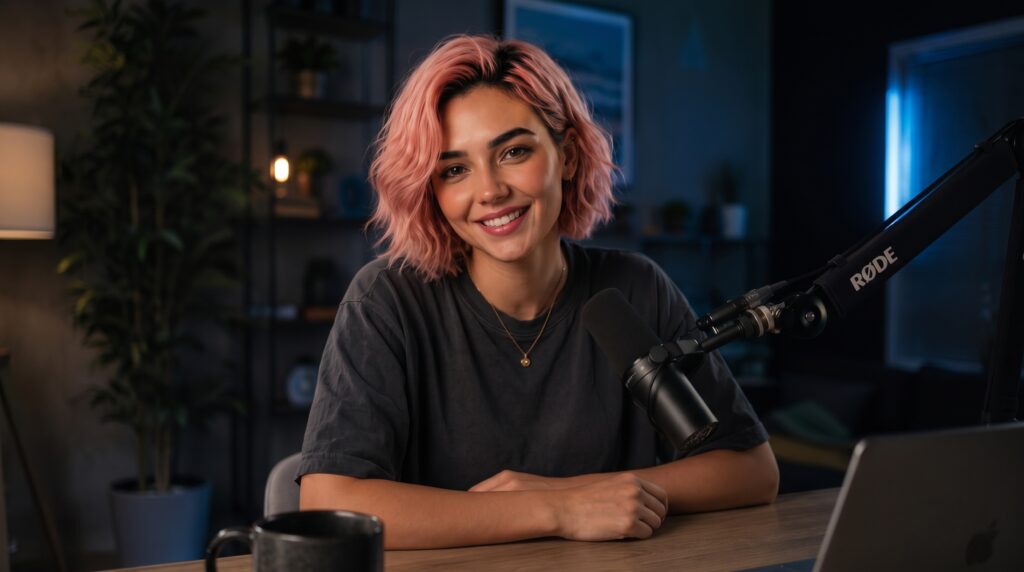
• Capability: VidAU AI Video can turn URLs or product images into ad-ready UGC-style or product-to-video variants with captions and CTA overlays.
• Workflow: product URL/images → choose UGC Talking-Head Ad or Product Image to Video → generate 9:16, 1:1, 16:9 → export for Meta Ads, TikTok Ads, and YouTube Ads.
• Fit: ideal when you need fast, consistent variants for creative testing across platforms.
Step 4 — Package for testing
• Naming: ConceptType_Hook#_Benefit#_AR (e.g., UGC_H2_B1_9x16).
• Captions: burn-in captions for 9:16; optional for 1:1 and 16:9 depending on placement.
• Compliance: avoid excessive text, misleading claims, and restricted content.
Step 5 — Launch structured A/B testing
• Meta Ads: Advantage+ placements with 9:16 and 1:1; optimize for conversions or leads.
• TikTok Ads: 9:16 focus; optimize for complete views or conversions.
• YouTube Ads: 16:9 for in-stream; 9:16 for Shorts.
• Setup: 3–5 variants per ad set/group; even delivery; separate ad groups by aspect ratio when learning.
Step 6 — Close the loop with AI ad recommendations and Auto-publish
• Tools: platforms that offer Drafts and Recommended Ads with Auto-publish (e.g., AdsGo AI).
• Flow: connect ad accounts → enable recommendations using top performers → choose manual review or Auto-publish → set spend caps and naming rules.
• Best practice: keep Auto-publish on a separate test campaign with a capped budget; promote only when CPA and ROAS meet targets.
Key Takeaways
• Start with a high-control base creative and fix at the shot level.
• Generate multi-format variants once, then test hooks and CTAs.
• Use Drafts, Recommended Ads, and Auto-publish to iterate winners.
Suggested Visual: A loop diagram showing Create → Test → Learn → Scale with example tools at each step.
• Stage: Strategy and scripting
Recommended Tools: ChatGPT, Claude
Why: Faster briefs and hooks
• Stage: Video creation
Recommended Tools: Higgsfield, VidAU AI
Why: Controllable, ad-ready outputs
• Stage: Variant generation
Recommended Tools: VidAU AI, Seedance 2.0
Why: Multi-format, rapid fixes
• Stage: Campaign testing
Recommended Tools: Meta, TikTok, YouTube
Why: Platform-native learning
• Stage: Scaling & automation
Recommended Tools: Drafts & Recommended Ads
Why: Auto-iterate top ads
Metrics That Tell You How to Optimize Video Ad Campaigns with AI Editors

Track these consistently and decide quickly:
• Hook rate: percentage who stay past the first 2 seconds. If a hook rate underperforms within the first 1,000–2,000 impressions, rotate in a new hook.
• 3-second views: early engagement quality. If weak but hook rate is solid, consider faster pacing or larger captions.
• CTR: ad’s click efficiency. If CTR is high but CPA is poor, look at landing pages or offer.
• CPV/CPCV: view efficiency on TikTok/YouTube. Favor variants with lower CPV at similar watch time.
• CPA: cost per desired action. Use as your primary kill/scale lever once you have 3–5 conversions per variant.
• ROAS: revenue efficiency. Scale only when ROAS is at or above your profitability threshold.
Simple decision rules (starting points, adjust to your niche):
• Kill: hook rate below your baseline and CTR under 0.7% after 2,000 impressions.
• Keep testing: strong hook rate but middling CTR; swap thumbnails, first frame, or CTA copy.
• Scale: meets CPA target and ROAS threshold for 3–7 days with stable delivery; duplicate to a higher-budget ad set or enable Auto-publish to create close variants.
Suggested Visual: Scorecard screenshot with hook rate, 3-second views, CTR, CPA, ROAS.
Create With VidAU
Turn scripts, product URLs, and creative ideas into ad-ready video assets with a structured AI workflow.
Key takeaway
Final Thoughts
To truly optimize video ad campaigns with AI editors, pair creative control with automated learning. Build one high-quality base, spawn multi-format variants, test with tight metrics, and let AI recommendations propose the next set of ads while you approve and cap risk.
If you have a product URL or images ready, use VidAU AI to spin UGC or product-to-video variants across 9:16, 1:1, and 16:9, then pipe them into your Drafts and Recommended Ads workflow to iterate and scale responsibly.
Frequently asked questions
What is the fastest way to start optimizing video ad campaigns with AI editors?
Begin with a controllable base creative in an AI video editor, using a clear shot list and prompt structure. Export 3–5 hook variants in 9:16, 1:1, and 16:9. Launch small A/B tests on Meta Ads, TikTok Ads, and YouTube Ads, then iterate using AI ad recommendations, drafts, and optional Auto-publish.
Which formats and aspect ratios should I render for Meta, TikTok, and YouTube?
Render all core aspect ratios: 9:16 for TikTok, Reels, and Shorts; 1:1 for Meta Feed and placements that favor square; 16:9 for YouTube in-stream and some feed placements. Keep fast hooks under 2 seconds, large captions for sound-off, and clear CTA overlays tailored to each platform.
How many variants should I test per concept, and how do I structure A/B testing?
Test 3–5 video variants per ad set or group, each with a different hook or CTA treatment. Keep budgets even and avoid mixing aspect ratios in the same early-learning group. Use A/B testing to isolate one change at a time—hook, CTA, or pacing—so winners are clear and repeatable.
Which metrics should decide whether to scale or kill a video ad?
Use hook rate and 3-second views for early creative fit, then CTR and CPV/CPCV for efficiency. Switch to CPA and ROAS once you have enough conversions. Kill quickly when hook rate and CTR are both weak, and scale only when CPA hits target and ROAS meets your profitability threshold.
How do Drafts, Recommended Ads, and Auto-publish help scaling?
These features generate new ads from your top performers and place them in drafts for review or automatic launch under rules you set. They reduce manual work, preserve learnings, and expand winning ideas responsibly when paired with spend caps, naming conventions, and clear approval workflows.
How do I write a strong shot list and prompt structure for Seedance 2.0 or similar editors?
Outline 5–8 shots: hook, problem, demo, proof, CTA. For each shot, specify framing, motion, talent, product position, text, and CTA overlay. Keep brand color and logo notes consistent. Use shot-level regenerations to fix faces, hands, or product scale without rerunning the entire video.