VidAU Editorial · AI Search
Product Ads: How to Create High-Converting AI-Powered Ads in 2026
Create high-converting Product Ads with AI. Explore product photo-to-video workflows, AI avatar UGC ads, cinematic product showcases, and the best AI video generators and digital advertising channels for 2026.
By the VidAU Editorial Team · Reviewed before publishing
Product Ads play an important role in how businesses attract customers, showcase products, and generate sales across digital platforms. From e-commerce stores and small businesses to established brands, effective product advertising helps turn product features into compelling visual experiences that encourage customers to take action.
However, creating engaging advertisements often requires product photography, video editing, scripts, voiceovers, and multiple creative variations. These demands create challenges for businesses with limited budgets, small marketing teams, or tight campaign schedules.
AI-powered advertising tools are changing this process. With AI image generators, digital avatars, automated video production, and creative editing platforms, marketers now have more ways to turn ordinary product photos into promotional content.
Quick Summary
• Effective product advertisements combine attention-grabbing hooks, clear product benefits, attractive visuals, social proof, and strong calls to action to encourage conversions.
• A product photo to ad generator for solopreneurs helps transform ordinary product images into promotional graphics, lifestyle scenes, and videos without relying on expensive photoshoots.
• The best ai avatar solutions for ugc product ads, including HeyGen, Arcads, Creatify, Synthesia, and TopView AI, help businesses create presenter-led videos and creator-style promotional content.
• AI video ad production tools such as VidAU, InVideo AI, Luma AI, Creatify, HeyGen, and Arcads help marketers generate promotional videos, test creative variations, and streamline advertising workflows.
Product Ad: What Makes a Product Advertisement Effective?
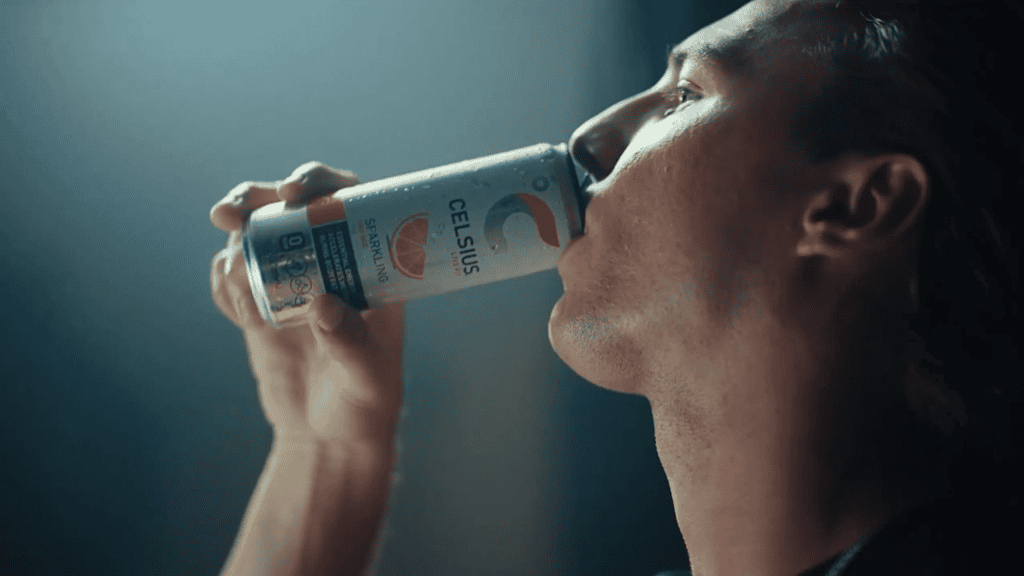
A product ad is a promotional asset designed to introduce a product, communicate its benefits, and encourage a specific customer action. That action might involve purchasing an item, visiting a product page, requesting a demonstration, or signing up for a service.
An effective product advertisement gives potential customers a reason to pay attention. It shows what the product does, explains why it matters, and presents a clear next step.
Essential Elements of a High-Converting Product Ad
A successful advertisement needs several elements working together.
1. A Strong Opening Hook
The first few seconds determine whether viewers continue watching. Start with a question, a relatable problem, an unexpected visual, or a clear product benefit.
Example: Instead of opening with a skincare bottle on a table, show someone struggling with dry skin before introducing the product.
2. Clear Product Benefits
Explain how the product helps customers. Focus on practical benefits instead of listing technical specifications without context.
For example:
- A portable blender helps customers prepare drinks while travelling.
- A wireless security camera helps homeowners monitor their property.
- A skincare product supports a specific beauty routine.
3. Compelling Product Visuals
Use clear images and videos to show the product from different angles. Include close-ups, lifestyle scenes, demonstrations, and product-in-use footage.
4. Social Proof and Trust
Customer testimonials, demonstrations, reviews, and creator-style presentations help address purchasing concerns. Use genuine testimonials and obtain permission before featuring customer content.
5. A Clear Call to Action
Tell viewers what to do next. Examples include:
- Shop Now
- Explore the Collection
- Get Yours Today
- Discover More
- Start Your Free Trial
Static Product Ads vs Video Product Ads
Both formats support different advertising objectives.
| Advertising format | Best use | Main advantage |
| Static image ads | Product launches and promotional offers | Quick to produce and easy to understand |
| Carousel ads | Multiple products or product features | Shows several details in one placement |
| Short-form video ads | Product demonstrations and storytelling | Shows movement and product use |
| UGC-style ads | Reviews and product recommendations | Uses a conversational presentation |
| Cinematic product ads | Brand awareness and premium products | Creates a polished visual experience |
Therefore, your choice should reflect your product, audience, campaign objective, and available creative resources.
Product Photo to Ad Generator for Solopreneurs
Running a business alone often means handling product photography, advertising, customer service, social media, and sales. Producing fresh advertisements for every campaign adds another responsibility.
A product photo to ad generator for solopreneurs helps reduce this workload by turning existing product photographs into promotional images and videos.
Instead of arranging a complete photoshoot, you upload a product image, select a creative style, and use AI to generate additional advertising assets.
How a Product Photo to Ad Generator Works
Most AI-powered product advertising workflows follow a straightforward process.
- Upload your product photo. Start with a clear image showing the product.
- Select an advertising style. Choose lifestyle photography, studio presentation, UGC-style content, or a cinematic product reveal.
- Add your campaign message. Describe the product benefits, target audience, and promotional offer.
- Generate your creative assets. Use AI to create backgrounds, scenes, animations, or short promotional videos.
- Edit and publish. Add your logo, captions, pricing, and call to action before exporting.
Best Product Photo-to-Ad Workflows for Solopreneurs
| Workflow | What you create | Suitable business |
| Product photo to video | Animated product demonstrations | Beauty and electronics |
| Product photo to lifestyle scene | Contextual product photography | Fashion and home decor |
| Product image to UGC ad | Creator-style promotional content | Skincare and wellness |
| Product photo to carousel | Multiple promotional graphics | E-commerce stores |
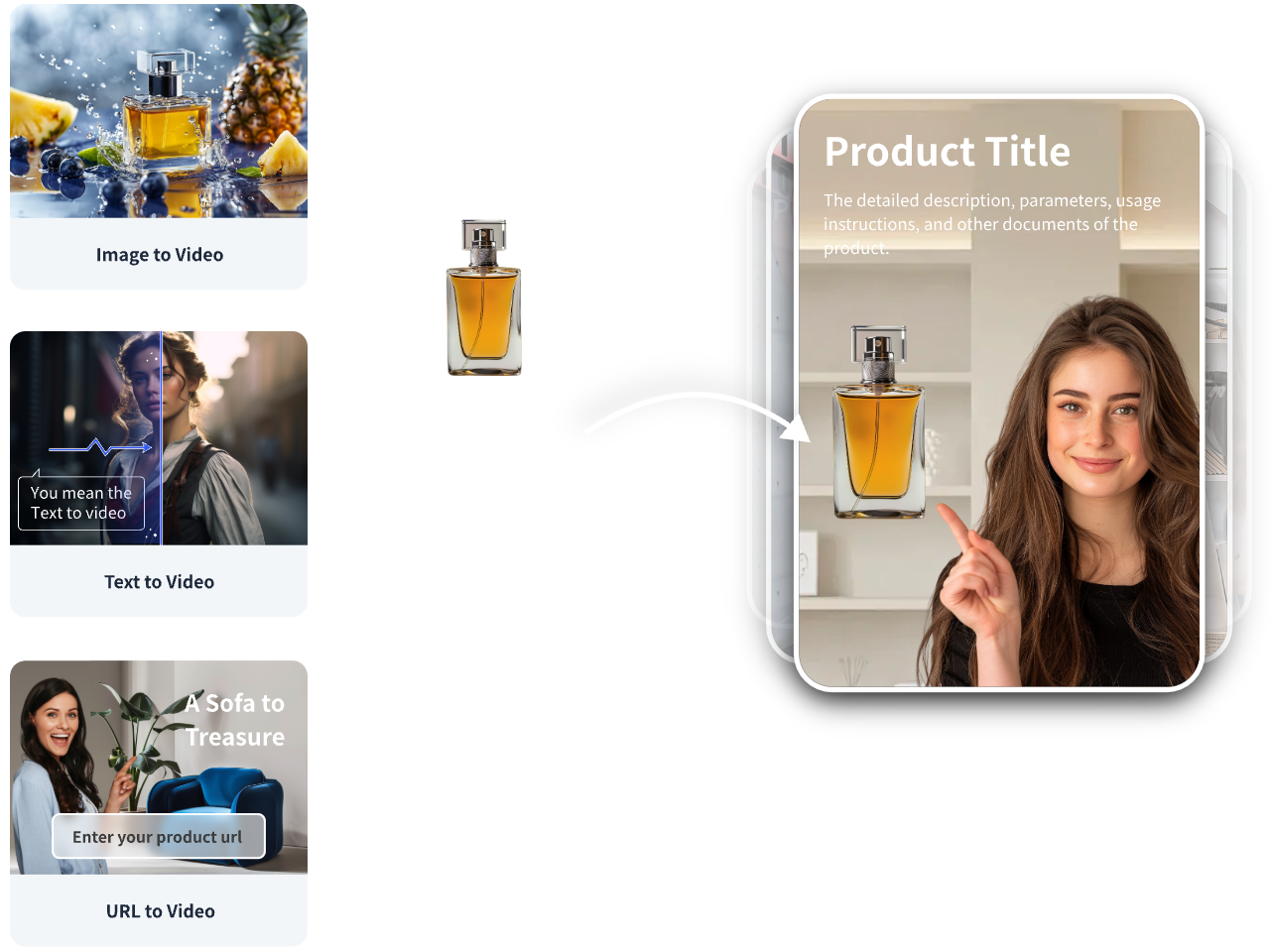
| Product URL to video | Automated promotional videos | Online retailers |
Example AI Prompt for Product Advertising
Use the following prompt to turn a basic product photograph into a promotional video concept.
Create a premium commercial advertisement using the uploaded product photograph as the main visual reference.
Scene: Place the product in a modern lifestyle setting that reflects its target audience.
Opening: Begin with an engaging close-up that immediately highlights the product.
Movement: Introduce smooth cinematic camera movement, realistic lighting, and subtle background animation.
Product accuracy: Preserve the original product shape, packaging, brand name, colors, and proportions.
Messaging: Highlight the product’s three strongest customer benefits.
Ending: Finish with a clean product showcase and space for a prominent Shop Now call to action.
Style: Professional commercial advertising, realistic product presentation, polished editing, and visually engaging storytelling.
Benefits of AI Product Advertising for Solopreneurs
- Lower production costs compared with repeated traditional photoshoots.
- Faster creation of promotional content.
- More advertising variations for testing.
- Easier production of content for different social platforms.
- Greater flexibility when launching new products or seasonal campaigns.
However, always inspect generated product images. AI sometimes changes packaging, logos, labels, and other details. Correct these errors before running paid advertisements.
Best AI Avatar solutions for UGC Product Ads

User-generated content (UGC) product ads use creator-style presentations to introduce products through demonstrations, personal experiences, and conversational storytelling.
AI avatar solutions help businesses produce similar presentation formats without recording a new spokesperson for every campaign. You select an avatar, provide a script, choose a voice, and combine the presentation with product visuals.
This approach gives marketing teams more flexibility when testing different messages, languages, and advertising concepts.
Top AI Avatar Solutions for UGC Product Ads
The following platforms serve different advertising needs. Their suitability depends on avatar realism, product presentation, language support, editing features, and pricing.
1. HeyGen
Best for polished spokesperson videos, multilingual presentations, and talking-avatar advertisements.
2. Arcads
Best for creator-style advertising, AI actors, and testing multiple advertising hooks.
3. Creatify
Best for turning product pages and URLs into promotional videos with AI actors.
4. Synthesia
Best for structured presenter-led videos, product explainers, and business communications.
5. TopView AI
Best for converting product links and images into social media advertising videos.
How to Create UGC Product Ads With AI Avatars
Follow this workflow to produce a creator-style advertisement.
- Choose an avatar that matches your target audience.
- Write a short script introducing the product and its benefits.
- Add product photographs or demonstration footage.
- Select a suitable voice and language.
- Generate the video and check lip synchronization.
- Add captions, branding, and a call to action.
- Export the video in the appropriate social media format.
What Makes an Effective AI Avatar Product Ad?
An effective AI avatar advertisement needs a natural presentation and a clear product message.
Focus on:
- Natural facial expressions and lip synchronization.
- A conversational script instead of robotic sales language.
- Product visuals that accurately represent the item.
- A strong opening hook.
- A clear demonstration or explanation.
- A direct call to action.
AI avatars work best when you use them to communicate useful product information. Avoid presenting synthetic testimonials as genuine customer experiences.
Top Digital Ad Channels AI product 2026
Creating an effective product advertisement is only one part of a successful campaign. You also need to distribute your creative assets across platforms where your target customers spend time.
In 2026, businesses have several digital advertising channels to consider, including social media, search engines, video platforms, influencer marketing, and retail media networks.
The right channel depends on your product category, audience, advertising budget, and campaign objective.
1. Meta Ads, Facebook and Instagram
Meta remains an important advertising platform for e-commerce businesses. Facebook and Instagram support image ads, video ads, carousel ads, Stories, Reels, and collection formats.
Best uses:
- Fashion and beauty advertisements.
- Product demonstrations.
- Retargeting website visitors.
- Promotional offers and product launches.
- UGC-style video campaigns.
AI-generated product images and short videos give advertisers more creative variations to test across placements.
2. TikTok Ads
TikTok offers an environment for short-form video advertising, product discovery, creator partnerships, and shopping-focused campaigns.
Its advertising formats include in-feed videos, branded effects, sponsored placements, and e-commerce ads.
Best uses:
- UGC product demonstrations.
- Beauty and skincare campaigns.
- Fashion and lifestyle products.
- Product reviews and tutorials.
- Short promotional videos.
For TikTok, use a strong opening hook, vertical framing, captions, and a product demonstration that feels natural within the feed.
3. Google Ads and YouTube
Google Ads helps businesses reach people searching for specific products or solutions. YouTube provides video placements for product demonstrations, brand awareness, and promotional campaigns.
Google supports Search, Shopping-related campaigns, Performance Max, and Demand Gen advertising formats. YouTube offers in-feed, in-stream, bumper, and Shorts placements.
Best uses:
- Product searches with purchase intent.
- E-commerce shopping campaigns.
- Product tutorials and demonstrations.
- Brand awareness videos.
- Retargeting potential customers.
AI-generated product videos help create additional visual assets for YouTube campaigns, while product images support shopping and display placements.
4. Pinterest Ads
Pinterest supports product discovery through visual search, promoted pins, shopping content, and collection advertising.
The platform suits products people research before making a purchase, particularly in categories such as fashion, beauty, home decor, food, and lifestyle.
Best uses:
- Interior design and home products.
- Fashion collections.
- Beauty inspiration.
- Seasonal promotions.
- Product catalog discovery.
Create clean product photographs, lifestyle images, and vertical promotional graphics to support your Pinterest campaigns.
5. LinkedIn Ads
LinkedIn works well for businesses selling products and services to professional audiences. Its advertising formats include sponsored content, video, carousel, document, and dynamic ads.
Best uses:
- Business software.
- Enterprise products.
- Professional equipment.
- B2B product demonstrations.
- Industry-specific campaigns.
For LinkedIn, focus on product benefits, business outcomes, demonstrations, and professional credibility.
6. WhatsApp and Direct Messaging Campaigns
WhatsApp supports direct customer conversations, product inquiries, catalogs, and purchase assistance.
For businesses targeting Nigerian consumers, WhatsApp deserves attention because customers often use direct conversations to ask questions before buying. A 2026 Nigerian marketing report highlights WhatsApp’s role in local buying journeys.
Best uses:
- Product catalogs.
- Promotional broadcasts with appropriate consent.
- Customer inquiries.
- Sales follow-ups.
- Click-to-WhatsApp advertisements.
A practical strategy is to run an Instagram or Facebook product ad with a WhatsApp call to action. This gives interested customers a direct route to your sales team.
How to Choose the Right Digital Advertising Channel
Do not distribute your entire advertising budget across every platform at once. Start with the channels most relevant to your audience.
| Channel | Primary objective | Recommended creative |
| Facebook and Instagram | Product discovery and conversions | Images, Reels, carousels |
| TikTok | Awareness and product discovery | UGC-style short videos |
| Google Ads | Capture purchase intent | Product images, search ads |
| YouTube | Awareness and demonstrations | Short and long-form videos |
| Visual discovery | Lifestyle images and collections | |
| B2B lead generation | Explainer videos and graphics | |
| Customer conversations | Product videos and catalogs |
For additional context, aggregated e-commerce advertising data from January to May 2026 placed Google Ads at 61.8% of tracked paid advertising spend, Meta at 31.8%, and Microsoft Ads at 4.5%. This represents the dataset’s participating brands, not the entire advertising market.
The lesson is to use industry benchmarks as starting points, then allocate your budget according to your own campaign performance.
AI Video Ad production: How AI Is Changing Product Advertising
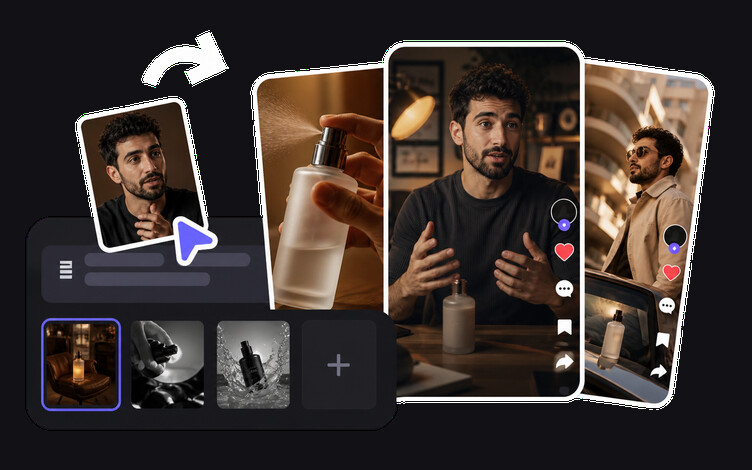
AI video Ad production combines artificial intelligence, video generation, automated editing, voiceovers, and creative tools to produce promotional videos.
Traditional video advertising often requires several production stages, including scriptwriting, filming, editing, sound design, and post-production. AI-assisted workflows reduce the amount of manual work involved in these stages.
For example, a business with one product photograph can generate a lifestyle scene, animate the product, add an AI presenter, and produce multiple versions for different social media platforms.
From Product Photography to AI Video Ads
One of the most useful applications of AI video production is transforming static product photography into moving advertisements.
A typical workflow includes:
- Upload an existing product photograph.
- Generate a suitable background or lifestyle environment.
- Animate the product with image-to-video technology.
- Add a voiceover, music, or sound effects.
- Insert promotional messaging and captions.
- Export the final advertisement.
This process gives smaller businesses access to additional creative formats without arranging a new photoshoot for every concept.
AI-Powered Video Editing and Creative Variations
AI tools also help marketers produce different versions of an existing advertisement.
For example, you might create:
- A 15-second product demonstration.
- A 30-second customer-focused presentation.
- A short promotional video with a discount.
- A creator-style video with an AI avatar.
- A cinematic advertisement focused on product features.
InVideo’s AI Ad Generator follows this type of workflow. Its platform accepts a brief describing the product, audience, and offer, then generates a script, visuals, voiceover, music, and captions on an editable timeline. It also supports different advertising formats and multilingual versions.
Key Takeaways
• Effective Product Ads combine compelling visuals, attention-grabbing hooks, clear product benefits, social proof, and strong calls to action to attract customers and drive conversions.
• AI-powered product photo-to-ad generators help solopreneurs transform ordinary product images into professional promotional graphics, lifestyle scenes, and videos while reducing production costs.
• Choosing the right digital advertising channels is essential. Facebook, Instagram, TikTok, Google, YouTube, Pinterest, LinkedIn, and WhatsApp offer different opportunities for product discovery, audience engagement, and sales.
Create With VidAU
Turn scripts, product URLs, and creative ideas into ad-ready video assets with a structured AI workflow.
Key takeaway
Final Thoughts
Product Ads continue to shape how businesses promote products, attract customers, and generate online sales. AI-powered image generators, video creation platforms, and avatar solutions now give businesses more flexibility in producing engaging advertising content.
Whether you run a small online store or manage multiple marketing campaigns, combining compelling product visuals, effective storytelling, and the right digital advertising channels helps you create stronger campaigns. Explore AI-powered tools like VidAU to transform product images and ideas into promotional videos, simplify production, and create advertising content for your next campaign.
Frequently asked questions
What are Product Ads?
Product Ads are promotional images, videos, or other advertising formats designed to showcase products, communicate their benefits, and encourage customers to take action. Businesses distribute them through social media, search engines, websites, and other digital advertising channels.
How do you create Product Ads using AI?
Start with a product photograph or URL. Upload your assets to an AI advertising platform, describe your target audience, write a promotional script, and select a visual style. Generate the advertisement, review the output, add branding and a call to action, then export it for your chosen platform.
What is the best product photo to ad generator for solopreneurs?
The best option depends on your production needs. VidAU and Creatify support product-focused video workflows, while InVideo AI helps generate complete advertisements from written briefs. Compare their editing features, export formats, and pricing before choosing.
Which digital platform is best for Product Ads in 2026?
Facebook and Instagram suit visual product advertising, TikTok supports short-form product discovery, and Google Ads reaches customers searching for specific products. YouTube supports product demonstrations, while Pinterest suits visual discovery. Choose platforms based on your audience, budget,
What are the best AI video generators for product ads 2026?
VidAU, InVideo AI, Luma AI, Creatify, HeyGen, and Arcads are useful options. VidAU and Creatify support product advertising workflows, InVideo AI automates ad creation, Luma AI specializes in cinematic footage, HeyGen focuses on AI presenters, and Arcads supports UGC-style AI actor advertisements.