VidAU Editorial · AI Search
Market Trends in AI Video Creation 2026: What’s Working for Ads, Free Tools, and Model Performance
See the 2026 market trends in AI video creation: which models win for ads, the best free alternatives to Grok Imagine, and practical workflows for Meta/Facebook, TikTok, and YouTube.
By the VidAU Editorial Team · Reviewed before publishing
If you’re tracking market trends in AI video creation 2026, the clearest signal is ad-first testing: current head‑to‑head results on lip sync, fast action, prompt accuracy, and motion separate showpieces from workhorses. Use this to pick the best ai video ad generators 2026 for Meta, TikTok, and YouTube without guesswork.
Quick Summary
• Recent head-to-head tests point to Kling 3.0 and Seedance 2.0 as consistent ad-first generalists for lip sync, fast motion, and prompt accuracy across Meta, TikTok, and YouTube in 2026.
• Google Veo 3 is a strong alternate for cinematic motion, while HeyGen remains reliable for talking-head stability and UGC-style explainers.
• Meta and TikTok favor 9:16, 1080×1920, 6–30 seconds, safe-margin text, burned-in captions, and hooks under 2 seconds for 2026 direct-response ads.
• US performance marketers, SMBs, agencies, and creators who need scalable, testable ad variants benefit most from these ad-first tools and workflows.
What Is Market Trends in AI Video Creation 2026?
Market trends in AI video creation 2026 refers to the year’s practical shifts in how marketers select and deploy AI video models for paid social. The focus has moved from showcase visuals to ad-first performance: reliable lip sync, fast-motion handling, prompt accuracy, motion realism, and workflows that output platform-ready creative for Meta/Facebook, TikTok, and YouTube.
Market Trends in AI Video Creation 2026: Model Tests That Matter
The 2026 market is shaped by repeatable, ad-relevant tests rather than one-off demos. Creators and marketers increasingly benchmark the same prompts across engines like Seedance 2.0, Gemini Omni Flash, HappyHorse, Kling 3.0, and Sora 2 to evaluate:
• Lip sync and talking-head stability for UGC ads and spokesperson formats
• Fast action and motion coherence for dynamic product demos and reels
• Prompt accuracy for brand-safe control over scenes and story beats
• Motion quality (frame integrity, jitter control, temporal consistency)
• Value, including speed-to-first-draft and editability for iteration
This test culture is reshaping buying decisions: marketers care less about rare showpieces and more about consistent outputs that convert. Access hubs like Higgsfield are part of the conversation because they help practitioners try multiple models without bouncing between subscriptions. Meanwhile, ad-first tools emphasize structure and iterative testing more than pure eye candy.
Suggested Visual: A simple grid showing test categories (lip sync, fast motion, prompt accuracy, motion quality, value) mapped to ad formats (UGC talker, product demo, motion-heavy reel).
Key Takeaways
• Standardized, ad-relevant tests separate reliable engines from showpieces.
• Head-to-heads increasingly prioritize lip sync, motion, and control.
• Access hubs help teams compare models before committing budgets.
Best AI Video Ad Generators 2026: A Head-to-Head Snapshot
Below is a practical, ad-first snapshot based on 2026 creator tests and marketer feedback. Use it as a directional guide, then validate with your own brand prompts.
• Model (2026): Kling 3.0
Where It Tends To Shine: Fast action, motion coherence
Typical Trade-off: Styling control can vary
• Model (2026): Seedance 2.0
Where It Tends To Shine: Balanced lip sync + accuracy
Typical Trade-off: Occasional artifacting
• Model (2026): Sora 2
Where It Tends To Shine: Photoreal scenes, continuity
Typical Trade-off: Access and iteration cadence
• Model (2026): Gemini Omni Flash
Where It Tends To Shine: Prompt control, scene logic
Typical Trade-off: Motion intensity variance
• Model (2026): HappyHorse
Where It Tends To Shine: Stylized motion, creative reels
Typical Trade-off: Consistency across takes
• Model (2026): Google Veo 3
Where It Tends To Shine: Cinematic camera, smooth motion
Typical Trade-off: Ad pacing needs edits
Additional ecosystem notes for ads:
• HeyGen: Often used for stable talking-heads, explainers, and multilingual UGC.
• InVideo AI: Useful for templated ad formats and quick comps.
• Creatify: Positions itself for ad-structured outputs and iteration.
• Meta AI, CapCut: Handy companions for pacing, overlays, and aspect ratios.
• Higgsfield: Discussed as a route to compare multiple engines from one place.
Always review each provider’s official terms before commercial use.
Selection Checklist: Match Models To Ad Goals
Use this fast checklist to route tasks to the right tool:
• UGC talking-head or spokesperson with lip sync
• Primary: HeyGen, Seedance 2.0, Kling 3.0
• Backup: Sora 2 (where available)
• Notes: Focus on clarity, captions, and jump-cut rhythm
• Motion-heavy reels or kinetic product scenes
• Primary: Kling 3.0, Google Veo 3
• Backup: Seedance 2.0, HappyHorse for stylized looks
• Notes: Keep cuts tight; test 6–12 second variations
• Script-driven ads with multiple beats
• Primary: Gemini Omni Flash, InVideo AI, Creatify
• Backup: Seedance 2.0 with storyboard prompts
• Notes: Emphasize scene control and brand-safe prompt details
• Photoreal hero shots and continuity
• Primary: Sora 2 (where available)
• Backup: Seedance 2.0
• Notes: Validate continuity across transitions and angles
• Rapid multi-variant testing
• Primary: Tools that output editable structures; pair with CapCut or Meta AI for fast text/caption changes
• Notes: Keep track of hooks, CTAs, and overlays for quick swaps
Suggested Visual: A flowchart that routes common ad briefs to recommended engines and editing companions.
Best Free AI Video Generators 2026: Alternatives to Grok Imagine
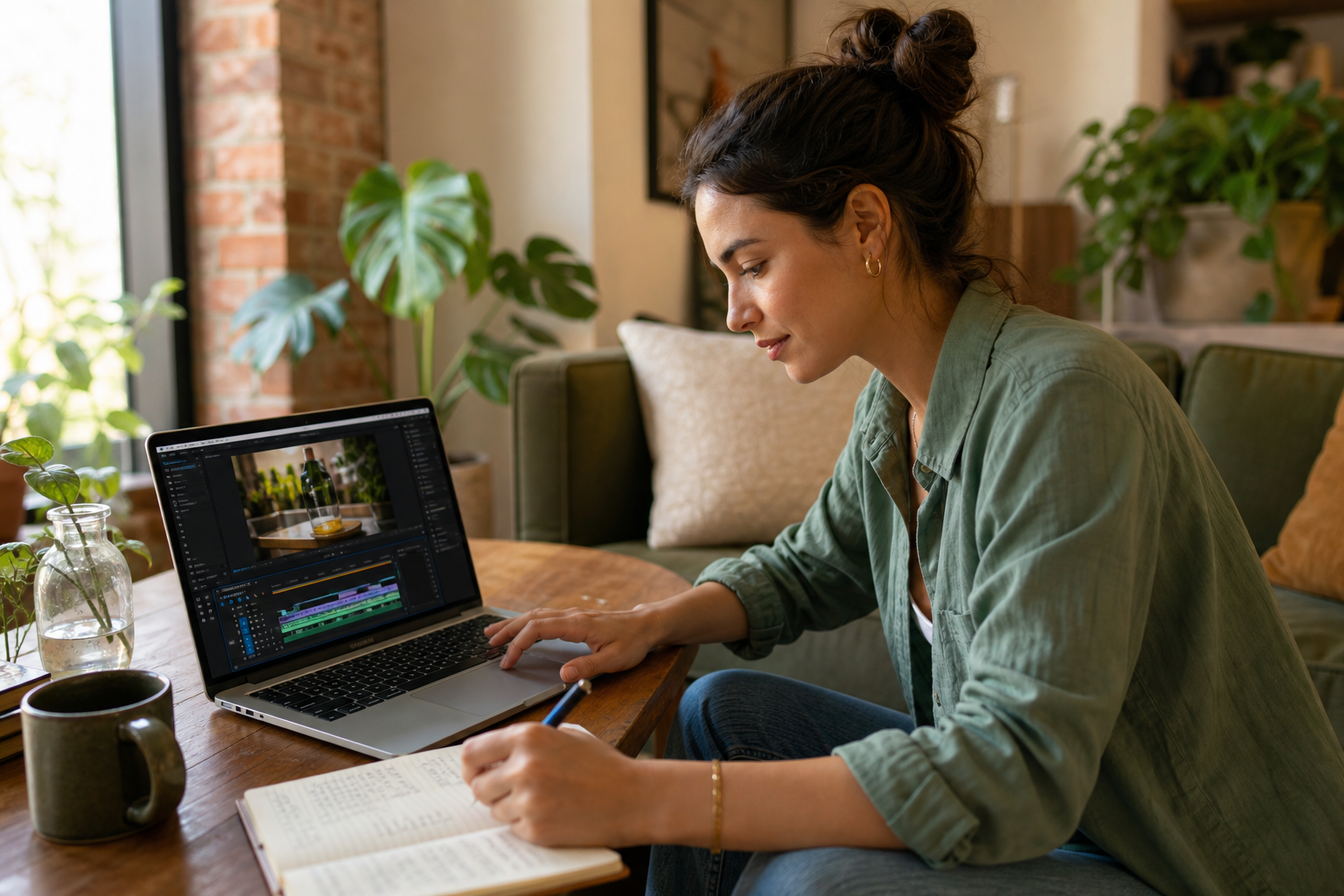
Marketers looking for best free ai video generators 2026 alternatives to Grok imagine increasingly combine lightweight generators with smart editing. The reality: free tiers change often, feature sets vary, and limits can impact throughput. Still, useful approaches exist:
• Combine a free or limited generator for base visuals with CapCut for pacing, captions, and aspect ratios.
• Use Meta AI to draft hooks, CTAs, or alternative captions for rapid testing.
• Explore InVideo AI and Creatify for structured outputs suitable for ads.
• Validate outputs on real prompts: lip sync (if applicable), motion handling, and legibility of text overlays.
• Always confirm each tool’s current terms and usage rights before running paid campaigns.
When evaluating a free alternative to Grok Imagine, prioritize:
• Consistent lip sync for talkers, or clean motion if no dialogue
• Prompt obedience for brand-safe control
• Export quality at required specs (1080×1920 for vertical)
• Editability for quick variant spins
Best AI Video Generators for Facebook Ads 2026–2027: What To Watch
If your brief mentions best AI video generators for facebook ads 2026 2027, think in terms of format, control, and edit speed.
• Formats and specs
• Vertical (9:16, 1080×1920) for Feed/Reels; 1:1 (1080×1080) for some placements
• 6–30 seconds for most direct-response tests; front-load the hook in 0–2 seconds
• Burned-in captions and clear on-screen value props; avoid tiny text near edges
• Creative choices
• UGC talkers: HeyGen, Seedance 2.0, or Kling 3.0 for stability and sync
• Motion demos: Kling 3.0 or Google Veo 3; keep cuts brisk and product-forward
• Script-led: Gemini Omni Flash, InVideo AI, or Creatify to keep beats organized
• Iteration and testing
• Swap hooks, proof points, and CTAs across 3–5 variants per concept
• Use CapCut for rapid overlays, brand colors, and resizes
• Track early metrics (hook rate, 3-second view, CPC/CPA) to pick winners fast
Key Takeaways
• Facebook/Meta favors fast hooks, readable captions, and tight framing.
• Choose engines based on control needs: lip sync, motion, or scene logic.
• Speed-to-variant beats single perfect renders for performance.
Build a 2026 Ad-First Workflow That Converts
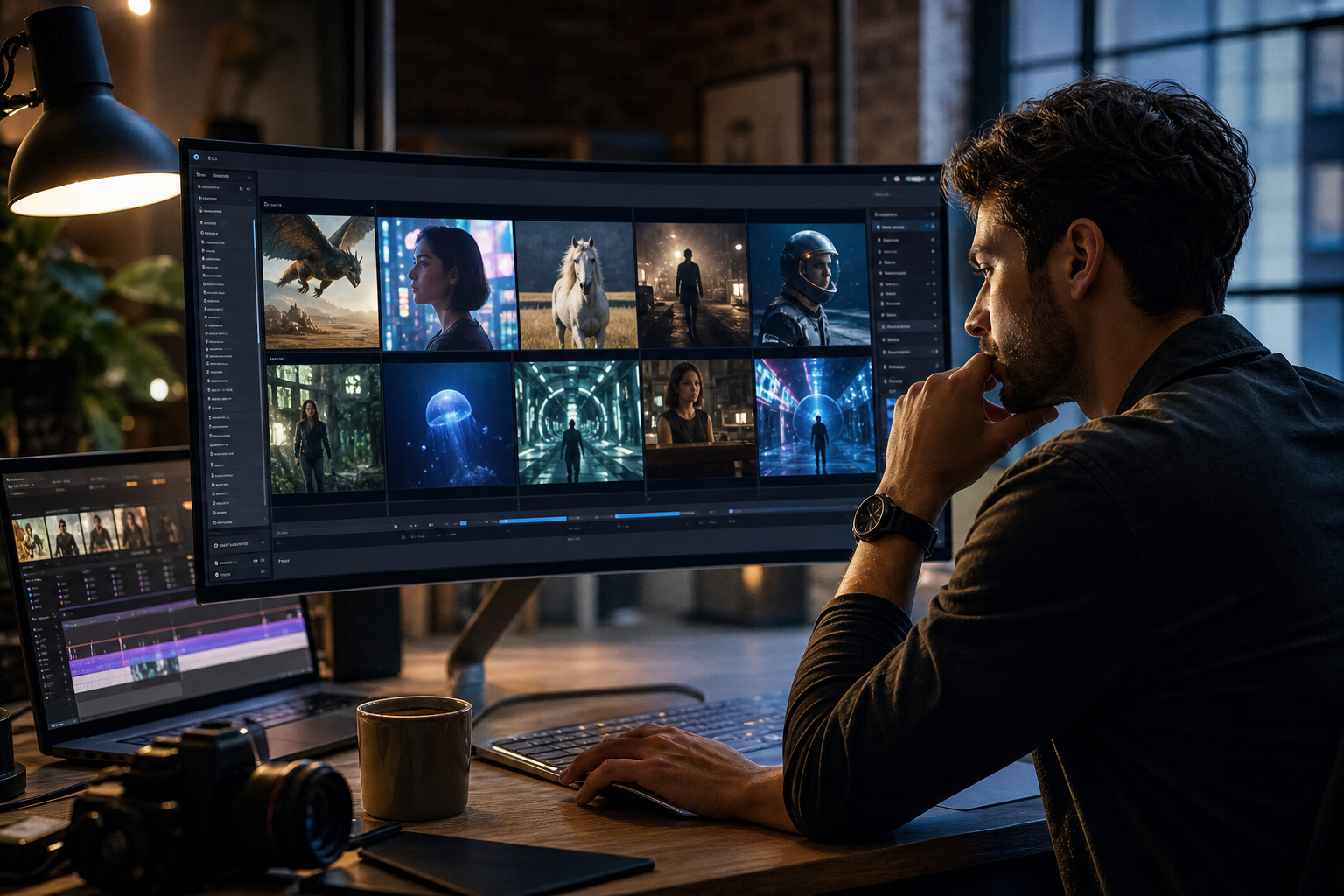
A reliable stack in 2026 pairs a strong generator with simple, repeatable editing and testing.
1) Brief and script
• Define one promise, one proof, one CTA.
• Draft three hooks; keep the opener under 2 seconds.
• Pre-plan overlays: price, offer, social proof, and CTA.
2) Generate base footage
• UGC talker: HeyGen, Seedance 2.0, or Kling 3.0 (prioritize lip sync and clarity).
• Motion demo: Kling 3.0 or Google Veo 3 (prioritize motion integrity and camera moves).
• Script-driven: Gemini Omni Flash, InVideo AI, or Creatify.
3) Assemble variants
• Edit in CapCut for pacing, jump cuts, captions, and color consistency.
• Use Meta AI to explore alternative hooks, CTAs, and on-screen copy.
• Export in 9:16 and 1:1; keep file sizes lean for quick upload.
4) Test and learn
• Launch 3–5 variants per concept; hold budget steady for statistical reads.
• Replace only one element per iteration round (hook, offer, or CTA) to learn cleanly.
• Archive winners and repurpose across placements with minor copy tweaks.
Where VidAU AI Fits an Ad-First Flow
If you need ad-ready outputs from existing commerce assets, pair this workflow with VidAU AI:
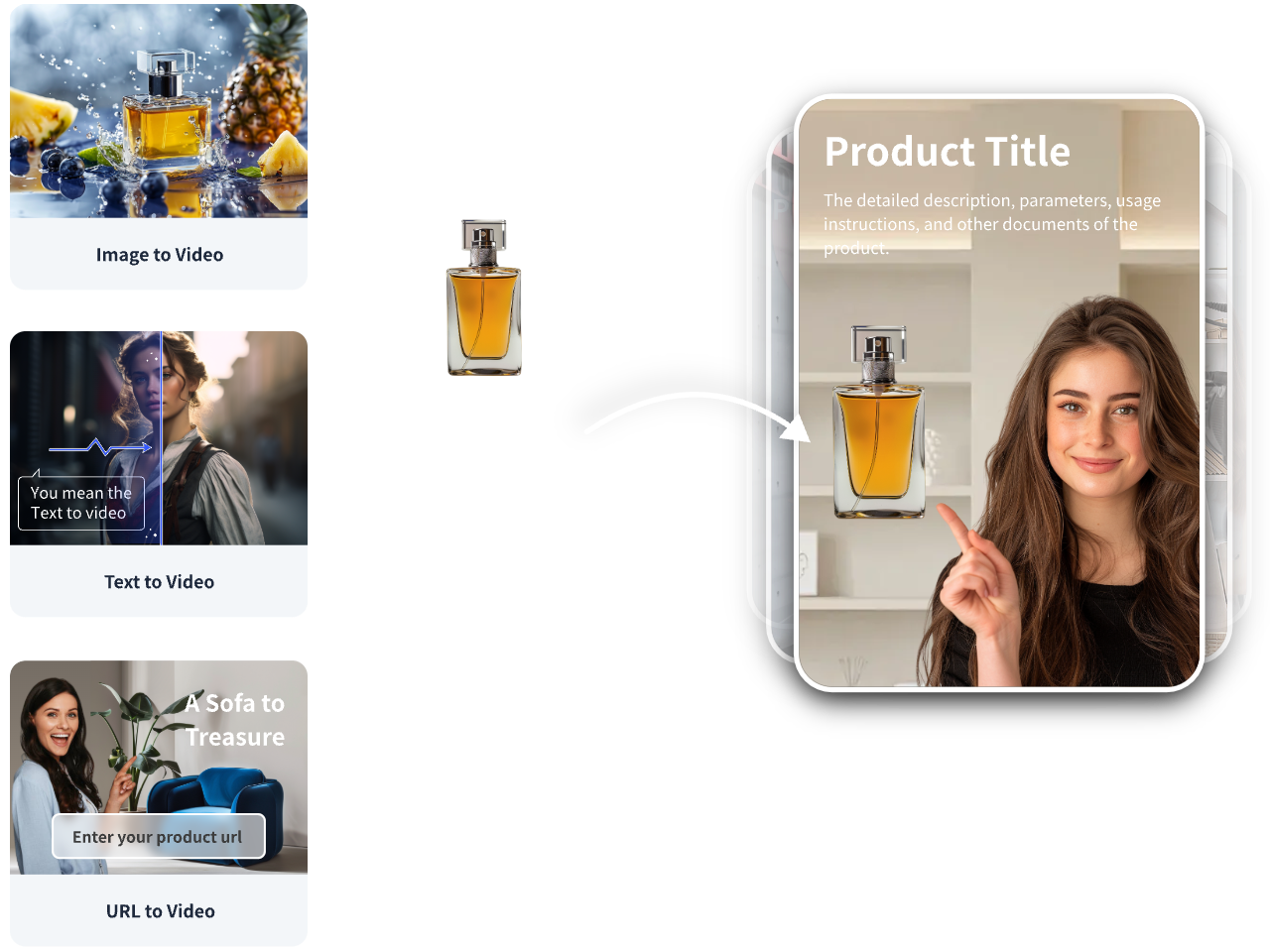
• Your input: a product URL, a set of product images, or a short script.
• VidAU capability: turns these inputs into shoppable short videos or UGC-style ad drafts sized for TikTok, Meta, and YouTube.
• Expected workflow: generate 3–5 variations, edit overlays in CapCut if needed, and launch fast tests.
• When it fits: ecommerce catalogs, DTC launches, and marketers who must scale variants without a full production shoot.
Practical CTA: Use VidAU AI to convert a product URL or image set into three testable 9:16 video variants, then refine hooks and overlays in CapCut before launching on Meta and TikTok.
Suggested Visual: A step-by-step workflow graphic from input (URL/images/script) to generator to CapCut to Meta/TikTok ad sets.
Create With VidAU
Turn scripts, product URLs, and creative ideas into ad-ready video assets with a structured AI workflow.
Key takeaway
Final Thoughts
In 2026, AI video’s center of gravity is performance, not spectacle. Models like Kling 3.0 and Seedance 2.0 often deliver dependable ad-first results, while Google Veo 3 and HeyGen excel in motion and talking-head stability. Pair your chosen engine with lightweight editing and disciplined testing to win.
Best next step: pick one ad goal, run a small head-to-head using your real prompts, and ship three variants in 48 hours. If you work from product URLs or images, use VidAU AI to generate ad-ready drafts, then finalize pacing and overlays in CapCut for Meta, TikTok, and YouTube.
Frequently asked questions
What are the biggest market trends in AI video creation 2026 for ads?
Ad-first testing dominates: marketers prioritize lip sync, fast-motion handling, prompt accuracy, and motion quality over showcase clips. Tools that output structured, editable videos win because teams need variants for Meta, TikTok, and YouTube. Companion editors like CapCut and helpers like Meta AI speed iteration and improve conversion testing.
Which models are best ai video ad generators 2026?
Kling 3.0 and Seedance 2.0 are frequently cited as reliable generalists for ad use, balancing motion integrity with prompt control. Google Veo 3 often shines for cinematic motion, and HeyGen remains strong for stable talking-heads. Always validate with your own prompts and review each tool’s commercial-use terms.
What are the best free ai video generators 2026 alternatives to grok imagine?
Consider pairing a free or limited generator with CapCut for editing and Meta AI for copy variants. Explore InVideo AI and Creatify for structured, ad-oriented outputs. Evaluate with real prompts, check lip sync or motion quality, and confirm export specs. Always verify current features and usage rights before running paid campaigns.
What matters most for best ai video generators for facebook ads 2026 2027?
Focus on platform-fit: vertical 9:16 (1080×1920), 6–30 seconds, rapid hooks, clear captions, and strong first-frame messaging. Choose engines based on control needs—lip sync, motion coherence, or prompt logic—and keep iteration fast. Deploy 3–5 variants per concept, then optimize hooks, offers, and CTAs.
How should I compare AI video models for ad performance?
Run the same brief across engines and score five areas: lip sync, fast motion, prompt accuracy, motion quality, and editability. Keep prompts brand-safe and specific. Time-box your tests, export at platform specs, and measure performance metrics like hook rate, 3-second views, and CPA to pick winners.
Where do HeyGen, InVideo AI, and Creatify fit in an ad workflow?
HeyGen is useful for stable UGC talkers with good lip sync. InVideo AI and Creatify help structure scenes and produce ad-ready formats faster than freeform generation. Pair any of them with CapCut for captions, color, and aspect ratios, then run disciplined variant testing on Meta or TikTok.
When should I use Google Veo 3 versus a generalist like Seedance 2.0?
Use Google Veo 3 when you need smooth, cinematic camera moves or motion-heavy product scenes, then tighten pacing in edit. Choose Seedance 2.0 when you need a balanced generalist for ad deliverables that mixes decent lip sync, prompt control, and acceptable motion for quick variant production.
How can VidAU AI help if I’m starting from product pages or images?
VidAU AI can turn a product URL, product photos, or a short script into ad-ready short videos sized for TikTok, Meta, and YouTube. It’s helpful when you need multiple variants quickly from existing ecommerce assets. Generate drafts, refine overlays in CapCut, and launch tests to identify winners.
What are common mistakes to avoid with AI video ads in 2026?
Over-indexing on long, cinematic renders; burying the hook; tiny, hard-to-read captions; ignoring platform-safe margins; and testing too many changes at once. Keep videos short, front-load value, burn in captions, and change only one variable per round to learn cleanly and scale winners.
Do I need different creatives for TikTok, Meta, and YouTube?
Often, yes. Keep core story and proof consistent, but vary hooks, pacing, and overlays for each platform’s norms. Use 9:16 for TikTok and Reels, and consider 1:1 or horizontal variations for Meta and YouTube placements. Maintain brand elements and alts for offers and CTAs.