

Deepfake risk to brands in 2026 isn’t primarily about a brand’s own AI use xE2x80x94 it’s about unauthorized third-party use of a brand’s executives, spokespeople, or trademarks in convincing fake content, most commonly fake endorsement scams. This is a defensive problem, not a production one, and it needs a different kind of preparation than the AI-use risks brands create for themselves.
The Defensive Problem, Distinct From Production Risk
Brand-targeting deepfake risk comes from outside actors creating unauthorized synthetic content using a real executive’s or spokesperson’s likeness, most often for scam endorsements or reputation attacks. This is separate from the risks of a brand’s own AI-generated marketing content, and requires monitoring and takedown capability rather than internal review process.
Where the Risk Actually Concentrates
| Risk type | Typical target | Primary defense |
|---|---|---|
| Fake endorsement scams | CEO/executive likeness | Monitoring + rapid takedown |
| Fake spokesperson content | Brand spokesperson | Monitoring + legal notice process |
| Reputation attack content | Brand or executive reputation | Monitoring + rapid public response |
| Trademark misuse in synthetic ads | Brand identity | Platform reporting + legal escalation |
Proactive monitoring
xE2x86x92 Catches issues early
Ongoing monitoring for unauthorized use of executive names and likeness across major platforms, rather than waiting for reports.
Pre-established takedown process
xE2x86x92 Speed matters
A ready legal and platform-reporting process, prepared before an incident, cuts response time significantly compared to building the process reactively.
Public response readiness
xE2x86x92 For high-visibility incidents
A prepared communication approach for when a deepfake incident goes public, so the response isn’t drafted from scratch under pressure.
Having no monitoring or takedown process in place until after a first incident forces the brand to react. Given how convincing and fast-spreading scam deepfakes can be, having the process ready in advance meaningfully limits damage during the critical early window.
Protecting your brand’s authorized video content? Protect
Legal Landscape and Takedown Rights
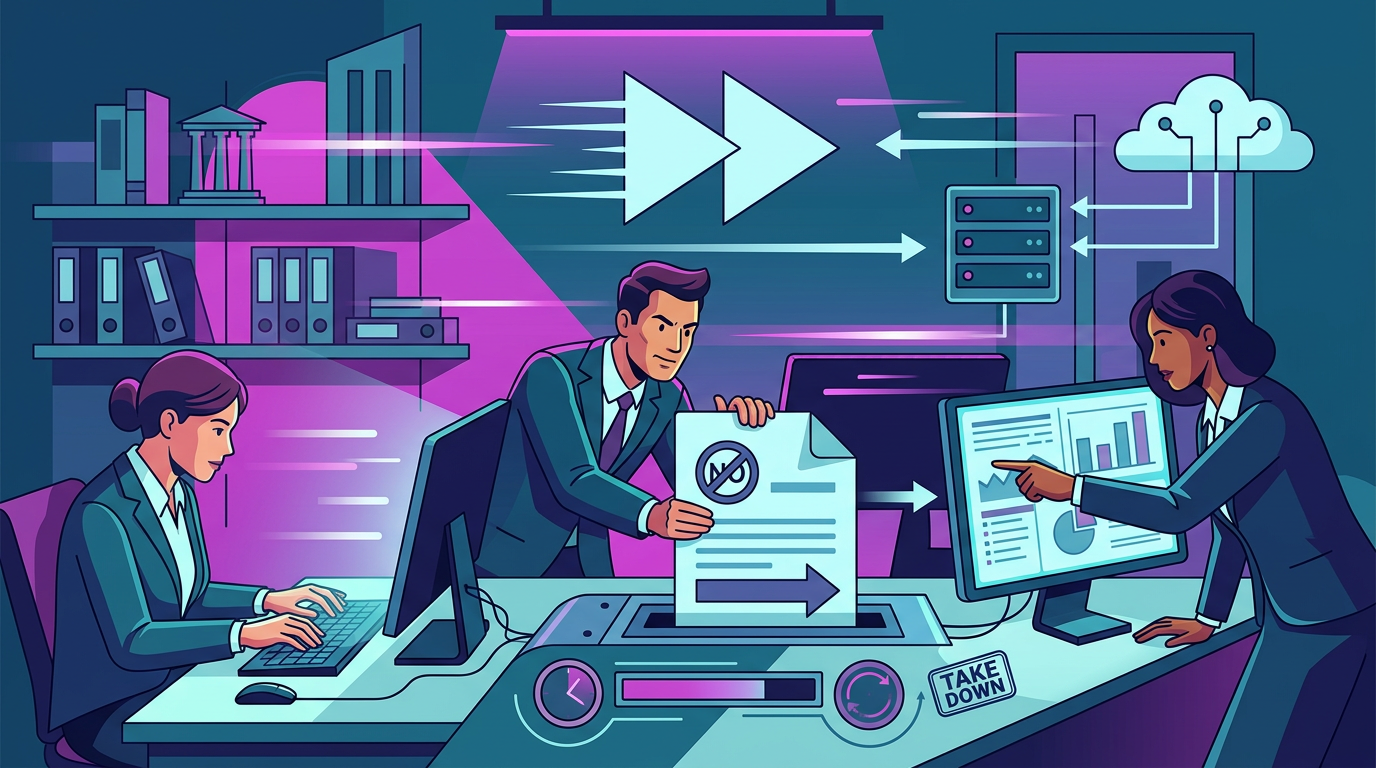
Platform policies and a growing body of law give brands and individuals stronger takedown rights than existed even a couple of years ago, though enforcement speed still varies meaningfully by platform. Building a relationship with platform trust-and-safety teams before an incident, rather than during one, tends to speed up response when it matters.
Proactive monitoring and a ready takedown process limit damage
The window between a scam deepfake appearing and real harm is often short.
Authorized, brand-controlled AI video production
What’s the most common type of brand-targeting deepfake?
Fake endorsement scams xE2x80x94 a deepfaked executive appearing to promote a scam product or investment.
Can a brand legally require platforms to take down deepfake content?
Increasingly yes, with stronger takedown rights than a couple of years ago, though enforcement speed varies by platform.
Key Takeaways
- Deepfake brand risk is mainly defensive, not about a brand’s own AI use xE2x80x94 it’s unauthorized third-party misuse.
- Fake endorsement scams are the most common target, exploiting executive or spokesperson credibility.
- Proactive monitoring outperforms purely reactive response given how short the harm window can be.
- A pre-established takedown process saves critical response time compared to building one reactively.
- Takedown rights have strengthened, but enforcement speed still varies meaningfully by platform.
Sources: Deepfake legislation tracking and platform trust and safety policy documentation, as of 2026.