
Upskilling an existing team is a different problem than hiring for new roles xE2x80x94 it involves real people whose current skills and identity are tied to how work has always been done, and a transition that feels like devaluation rather than elevation is the fastest way to lose your most experienced people right when their judgment matters most.
Why This Requires More Than Training Sessions
Genuine AI upskilling isn’t primarily a knowledge problem solved by a workshop xE2x80x94 it’s an applied-practice problem that requires real work, real feedback, and enough time to build comfort with judgment calls that don’t have a clean right answer yet. Teams that treat it as a one-time training event see the skills fail to stick once daily work pressure returns.

A Realistic Upskilling Sequence
Low-stakes practice first
xE2x86x92 Weeks 1-2
Start with internal or non-critical work, not client-facing deliverables, so early mistakes don’t carry real cost while comfort builds.
Paired work with feedback
xE2x86x92 Weeks 3-8
Real work with a structured feedback loop xE2x80x94 what worked, what needed correction, why xE2x80x94 builds the judgment layer faster than solo practice.
Full ownership with spot-checks
xE2x86x92 Quarter 2 onward
Independent work with periodic quality review, rather than constant oversight, once judgment has genuinely developed through the earlier stages.
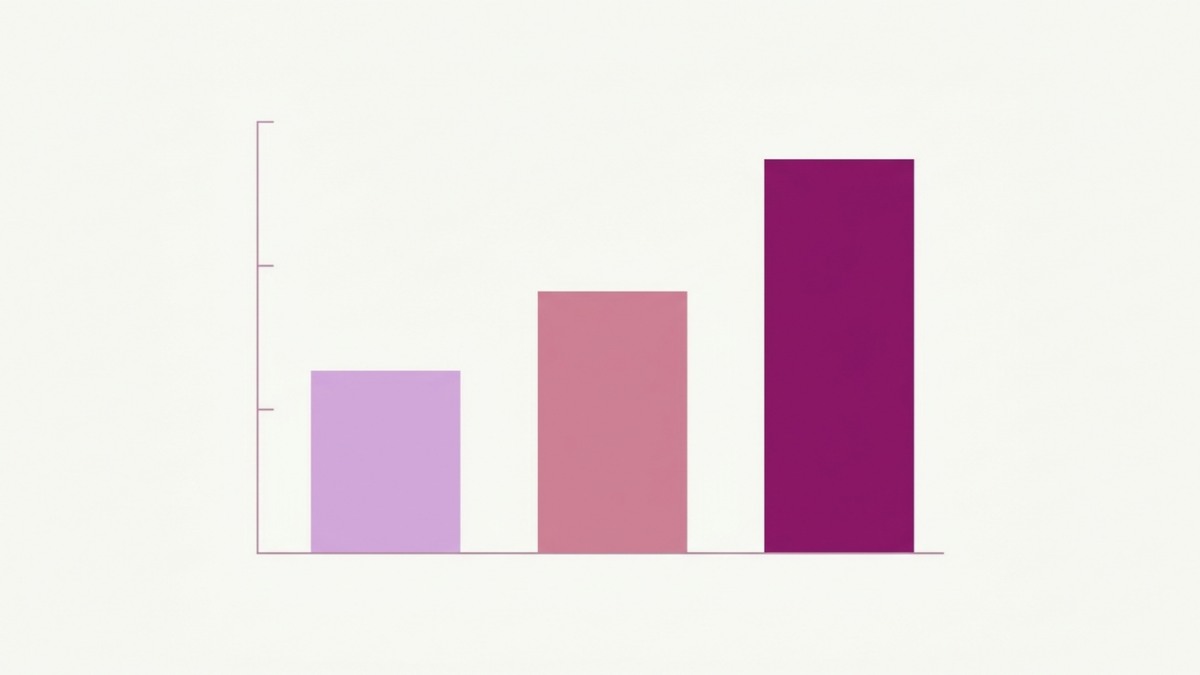
| Approach | Skill retention |
|---|---|
| One-time workshop only | Low xE2x80x94 skills fade under work pressure |
| Low-stakes practice xE2x86x92 paired feedback xE2x86x92 ownership | High xE2x80x94 builds genuine judgment |
| Immediate full autonomy, no practice period | Low xE2x80x94 mistakes happen on real stakes |
Framing AI upskilling as “the tools now do what you used to do” rather than “your judgment now applies at higher leverage.” The first framing drives attrition among exactly the people whose judgment the team needs most during the transition.
Building a training workflow for your team? Upskill
Measuring Whether It’s Working
Track whether people are voluntarily using AI tools in daily work versus only when required, and whether output quality holds as AI-assisted volume increases. Both are better signals than workshop attendance or completion of a training module, which measure participation, not actual skill development.
Existing judgment transfers directly into AI output evaluation
A structured, staged practice sequence builds skills that actually stick under work pressure.
Built for teams learning AI-assisted production together
How long does it realistically take to upskill a team on AI tools?
Basic fluency takes a few weeks; genuine judgment comfort takes a full quarter or more of applied practice.
What’s the biggest risk when upskilling an existing team?
Losing experienced people to burnout or attrition if the transition feels like devaluation rather than elevation.
Key Takeaways
- Genuine upskilling is an applied-practice problem, not a one-time training event.
- A staged sequence xE2x80x94 low-stakes, paired feedback, full ownership xE2x80x94 builds judgment that actually sticks.
- Experienced people are hardest to upskill and most valuable once upskilled xE2x80x94 their judgment transfers directly.
- Framing matters as much as content xE2x80x94 elevation, not devaluation, prevents attrition of key people.
- Measure voluntary tool use and quality retention, not just training attendance.
Sources: Workforce learning and development research and change management studies, as of 2026.