


Individual AI marketing failures get covered as isolated incidents, but looked at together they cluster into a small number of repeating patterns xE2x80x94 the same process gap causing embarrassment at different companies, over and over. That’s useful, because it means most fails are preventable with a known fix, not a novel problem each time.
The Common Thread Across Most Fails
Nearly every widely-discussed AI marketing failure in 2026 traces back to a missing or skipped human review step, not to the AI technology itself being broken. Factual errors, off-brand tone, culturally tone-deaf content, and misleading imagery are all things a review process would have caught xE2x80x94 the failure is organizational, not technical.
The Four Recurring Patterns
| Pattern | Root cause | Standard fix |
|---|---|---|
| Factual errors in content | No fact-check step | Mandatory review before publish |
| Off-brand or tone-deaf voice | No brand-voice review | Brand guideline check in workflow |
| Misleading or inaccurate imagery | No accuracy verification | Compare against real product/claim |
| Undisclosed AI content | Missing disclosure policy | Standard disclosure step in workflow |
Build review into the workflow
xE2x86x92 Not an optional extra step
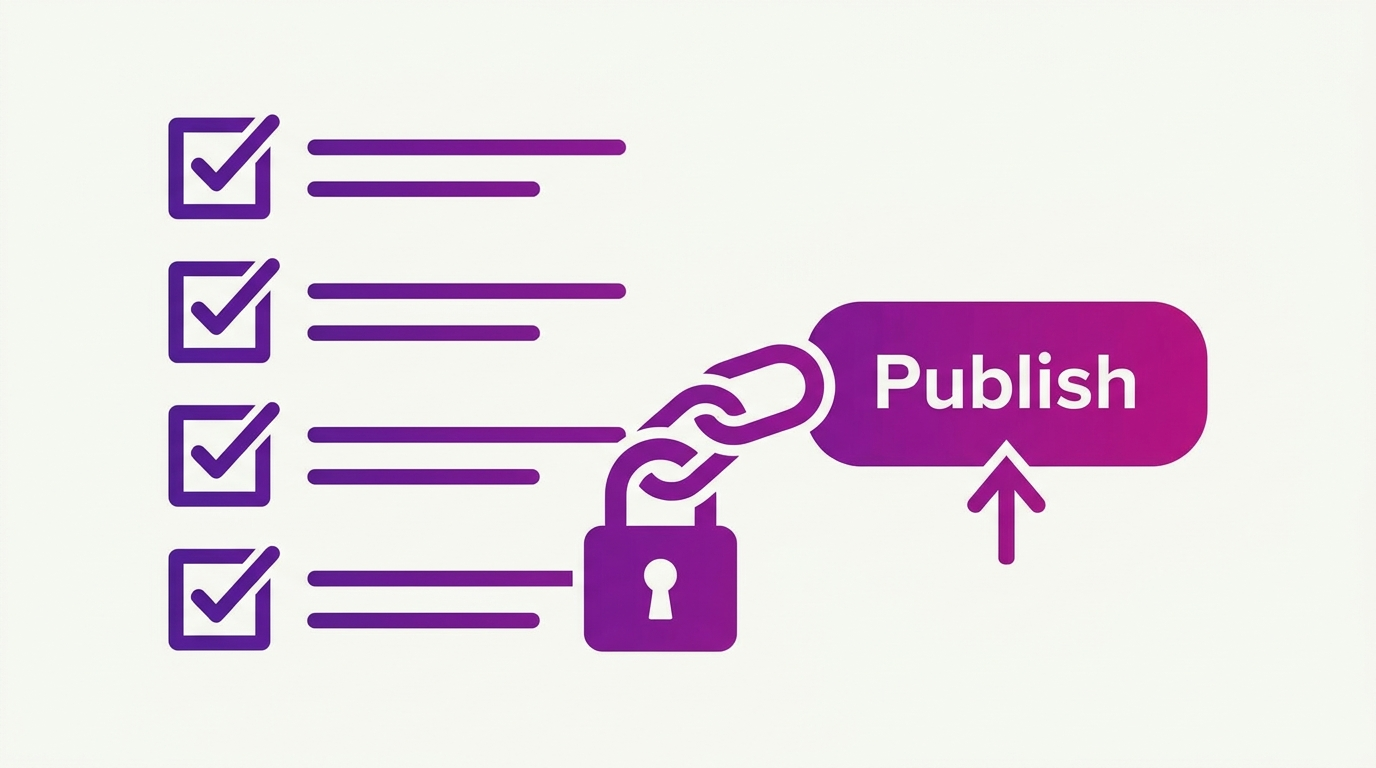
A publish button that’s structurally gated on a completed review checklist prevents the “we’ll review it later” pattern that causes most incidents.
Standardize the checklist
xE2x86x92 Facts, tone, imagery, disclosure
A consistent, short checklist covering the four common fail patterns catches most issues without requiring exhaustive per-piece review.
Learn from public incidents
xE2x86x92 Cheap due diligence
Reviewing other brands’ public AI marketing incidents costs nothing and reliably surfaces the same handful of preventable patterns.
Assuming a fail “won’t happen to us” because the team is careful. Every documented public fail happened at a team that considered itself careful xE2x80x94 the fix is structural process, not individual vigilance alone.
Building a review workflow for AI content? Prevent

Responding When It Happens Anyway
Fast, direct acknowledgment without defensive framing consistently outperforms delayed or minimized responses in how quickly public attention moves on. Brands that immediately corrected the content, explained what process gap caused it, and stated a specific fix have recovered faster than brands that were slow or vague in their response.
Most fails trace back to a skipped step, not broken technology
Build review into the workflow so it can’t be skipped under deadline pressure.
Built with review checkpoints in the production workflow
Are AI marketing fails becoming more or less common?
Review processes have improved, but AI marketing volume has grown too, so total incidents haven’t clearly declined.
What’s the single most preventable type of AI marketing fail?
Factual errors a basic fact-check would catch xE2x80x94 the process exists, it just gets skipped under deadline pressure.
Key Takeaways
- Most fails trace to a skipped review step, not broken AI technology.
- Four patterns cover most incidents: factual errors, off-brand tone, misleading imagery, missing disclosure.
- Deadline pressure, not ignorance, causes most skipped reviews xE2x80x94 build the step into the workflow structurally.
- Every documented fail happened at a team that considered itself careful xE2x80x94 process beats vigilance alone.
- Fast, direct acknowledgment recovers reputation faster than delayed or defensive responses.
Sources: Public incident analysis and brand crisis response case studies, as of 2026.