18 ai video generator from image for long Video content for free
Right now, attention spans keep dropping, and video keeps winning. At the same time, creators want faster ways to turn simple ideas into long-form content. That is where an ai video generator changes everything. It gives you a direct way to turn a single image into a full story without heavy editing skills. And more importantly, platforms now reward longer watch time, so using an ai video generator from image for long video content for free gives you a real advantage.
You do not need a full studio setup anymore. You only need a concept, one image, and the right workflow. This guide lists 18 ai video generator from image for long video content for free, explains how each one works, and shows how you stay consistent with results.
- 18 ai video generator from image for long Video content for free
- 18 ai video generator from image for long video content for free with the best results
- Why should you use VidAU with an ai video generator workflow?
- Features should you check in an ai video generator from image tools
- How do different ai video generator tools compare in performance?
- How can you create long videos from a single image step by step?
- Conclusion
- FAQs
- What makes long-form image-to-video content different from short-form clips?
- Can a single image realistically support an entire long video?
- Is VidAU suitable for YouTube-length content?
- What type of images work best for long video generation?
- What makes VidAU different from cinematic-focused AI tools?
- What role does motion control play in long-form video quality?
- How can creators scale long-form content using image-to-video AI?
18 ai video generator from image for long video content for free with the best results
The 18 ai video generator from image for long video content for free listed below help you create longer videos from a single image, scale production faster, and maintain visual consistency.
Before going into the list, you need to understand one thing. Each ai video generator works differently. Some focus on cinematic motion. Others focus on fast output. Your choice depends on your goal.
1. VidAU
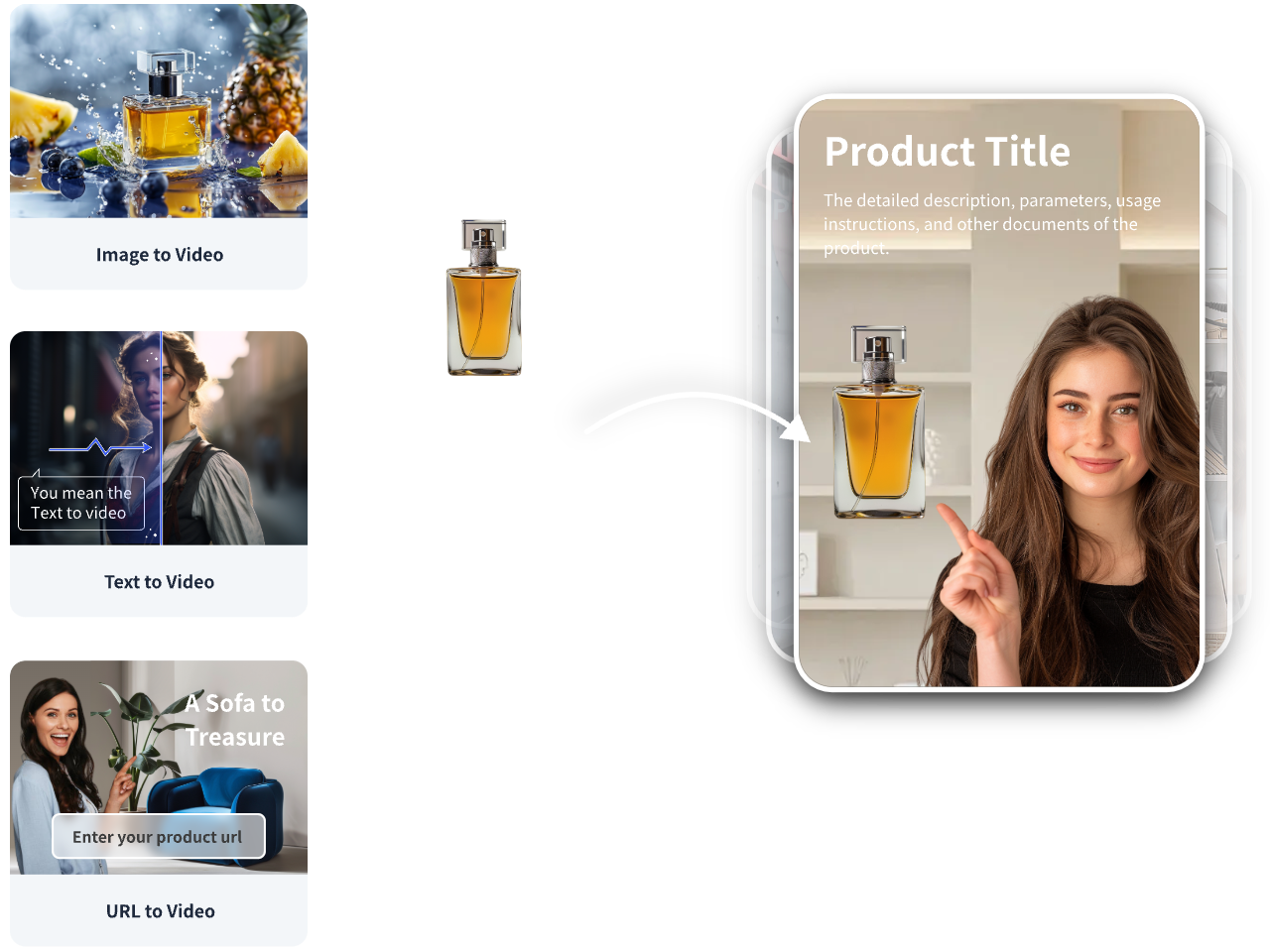
VidAU helps you turn a single image into a structured long video with consistent scenes and smooth transitions. You upload an image or short script, and it builds a full video flow with scene breakdown, motion, and timing. This makes it easier to create long-form content without manual editing. It works well for ads, storytelling, and YouTube videos where consistency matters. Limitation: advanced cinematic control is lower compared to high-end generation models.
2. Runway Gen-3
Runway Gen-3 stands out for cinematic motion and scene realism. When you upload an image, it builds camera paths such as dolly, pan, and slow zoom. You get strong depth perception and smooth transitions between generated frames. This makes it suitable for storytelling videos and long-form YouTube content. Limitation: render time is longer and prompts need clarity for best results.
3. Kling AI
Kling AI delivers stable motion and better subject consistency. It keeps faces, objects, and environments aligned across frames, which is important for long videos. You can guide camera movement and maintain identity over time. Limitation: it requires some learning before you get consistent outputs.
4. Pika Labs
Pika Labs is known for speed. It turns images into short animated clips quickly, then you can chain those clips into longer content. It works well for social media and rapid testing of ideas. Limitation: clip length is short, so you need to combine outputs.
5. DomoAI
DomoAI focuses on stylized visuals and character animation. It converts still images into animated sequences with expressive motion. This fits music videos and creative storytelling. Limitation: realism is lower compared to cinematic tools.
6. Kaiber
Kaiber transforms images into music-driven video sequences. It adds rhythm-based motion and visual effects tied to audio. This makes it useful for content creators who want visual storytelling around sound. Limitation: less control over fine camera movements.
7. LeiaPix
LeiaPix adds depth and parallax to still images. It creates a 3D-like effect from a single frame, then animates it with motion. This is a fast way to turn photos into engaging clips for longer videos. Limitation: motion range is limited compared to full scene generators.
8. DeepMotion
DeepMotion focuses on character movement. It animates human poses and body motion from still images. This helps in creating educational or fitness-related content where movement matters. Limitation: it works best with clear human subjects.
9. Genmo
Genmo builds longer narrative scenes from prompts and images. It expands your input into multiple connected frames, which helps create story-driven content. Limitation: output quality depends heavily on prompt structure.
10. Luma AI
Luma AI handles 3D scene reconstruction and camera movement. It creates depth-aware video sequences from images, which gives a more realistic feel. This is useful for product showcases and architecture content. Limitation: setup can feel complex for beginners.
11. PixVerse
PixVerse offers simple controls for image to video generation. It focuses on speed and ease of use. You upload an image and get animated output in minutes. Limitation: fewer advanced controls for motion direction.
12. Stable Video Diffusion
Stable Video Diffusion is open-source and flexible. You can customize workflows and control outputs deeply. It suits users who want full control over generation settings. Limitation: setup requires technical knowledge.
13. Pictory
Pictory turns visuals into long explainer videos. It works well for educational and business content. You can combine images with narration and extend them into full-length videos. Limitation: less focus on cinematic motion.
14. Animoto
Animoto helps you build longer videos by combining image-based scenes. It provides templates and transitions that simplify editing. Limitation: motion is template-based, not fully dynamic.
15. InVideo
InVideo supports marketing videos from images. It adds transitions, text overlays, and structure to create long-form content. Limitation: advanced animation control is limited.
16. Canva Video AI
Canva Video AI offers an easy starting point. It converts images into video slides with motion and effects. It works well for beginners who want quick results. Limitation: outputs may look basic without customization.
17. Veed.io
Veed.io focuses on fast editing and automation. It adds captions, transitions, and simple motion to images. This helps create longer videos quickly. Limitation: limited advanced animation features.
18. Kapwing
Kapwing supports social video workflows. It turns images into structured video sequences with text and timing control. This helps build longer content from simple assets. Limitation: motion depth is lower than advanced generators.
Each ai video generator listed above supports image to video conversion in different ways. Some focus on cinematic depth, while others focus on speed and ease of use.
Why should you use VidAU with an ai video generator workflow?
VidAU fits directly into your ai video generator workflow by helping you turn images and scripts into structured, ready-to-publish videos.
When you use VidAU, you reduce the gap between idea and output. You upload an image or write a short script, and the system builds a complete video structure around it.
This includes:
- Scene breakdown from one idea
- Smooth transitions across clips
- Consistent visual output across multiple videos
This approach helps you scale content without losing quality.
Features should you check in an ai video generator from image tools
You need to focus on core features that affect output quality and workflow speed when choosing an ai video generator from image tools.
Before you choose any tool, check these features carefully.
Motion control
The system should allow camera movement like zoom, pan, and rotation.
Scene extension
It should expand a single image into multiple frames.
Output quality
Look for 1080p or higher resolution.
Consistency
The subject should remain stable across frames.
Export speed
Fast rendering saves time during content production.
These features define how useful the ai video generator will be for long content.
How do different ai video generator tools compare in performance?
Different ai video generator tools vary in speed, quality, and ease of use. The table below shows a clear breakdown.
| Tool | Best For | Strength | Limitation |
| Runway Gen-3 | Cinematic video | High realism | Slower render |
| Sora | Long scenes | Strong continuity | Limited access |
| Kling AI | Stable motion | Good control | Learning curve |
| Pika Labs | Short clips | Fast output | Limited length |
| DomoAI | Character animation | Stylized visuals | Less realism |
| Kaiber | Music videos | Creative visuals | Less control |
| Luma AI | 3D scenes | Depth accuracy | Complex setup |
This comparison helps you pick the right ai video generator based on your goal.
How can you create long videos from a single image step by step?
You create long videos from a single image by following a structured workflow using an ai video generator.
Step 1: Choose a strong image
Pick an image with clear subject and background depth.
Step 2: Upload into the ai video generator
Use a tool that supports image to video conversion.
Step 3: Add motion instructions
Define how the camera should move.
Step 4: Extend scenes
Generate multiple clips from the same image.
Step 5: Combine clips into long content
Join clips to form a complete video.
Step 6: Export and optimize
Adjust format for YouTube or TikTok.
This workflow helps you turn a single idea into a full video.
Conclusion
An ai video generator gives you speed, consistency, and scale in content creation.
You no longer depend on heavy editing tools. Move from idea to video faster and produce more content in less time. And you stay consistent across videos.
When you combine this with a structured workflow, you gain a clear advantage in platforms that reward watch time and consistency.
FAQs
What makes long-form image-to-video content different from short-form clips?
Long-form content requires continuity, pacing, and structure. Instead of a single motion effect, the AI must extend scenes, maintain consistency, and connect multiple sequences into a cohesive story.
Can a single image realistically support an entire long video?
Yes, but only when combined with scene extension and variation. The AI reuses the base image while changing motion, angles, and framing to avoid repetition.
Is VidAU suitable for YouTube-length content?
Yes. VidAU is designed to create structured videos that can be extended into longer formats, making it useful for storytelling, ads, and YouTube content.
What type of images work best for long video generation?
Images with clear subjects, strong depth, and minimal clutter perform best. They give the AI enough structure to generate multiple angles and smooth transitions.
What makes VidAU different from cinematic-focused AI tools?
VidAU focuses on speed, structure, and repeatability rather than deep cinematic control. This makes it more practical for creators who want consistent long-form output quickly.
What role does motion control play in long-form video quality?
Motion control determines how natural the video feels. Smooth zooms, pans, and transitions help maintain viewer attention over longer durations.
How can creators scale long-form content using image-to-video AI?
By reusing one image across multiple videos, generating variations, and applying consistent formats. This reduces production time while increasing output.