AI Animation for Gaming Creatives · 2026
Character Animation AI for Gamers and Creators – How to AI Animate Still Images for Social Media
Learn how to AI animate still images for viral ads, scale gaming character videos, and create motion-driven creatives that improve CTR and reduce CPA.
By the Sarah Iruoje · Updated April 2026 · 10 min read
Gaming characters in AI animations are breaking view records, and AI Animate Still Images drives this shift in how creators produce content. If you run Facebook ads or create UGC content, you already see the change. Static images no longer hold attention. Scroll-stop rate drops fast, CPM rises, and engagement declines.
This is where AI animate still images becomes a performance advantage. Instead of relying on full animation pipelines, you take a single character image and turn it into a motion-driven ad. The process takes seconds, not hours.
Top media buyers now use AI to animate a still image and push out dozens of variations daily. These creatives combine motion, familiarity, and storytelling in the first few seconds. That combination increases CTR and reduces CPA.
This guide breaks down how to build that system, how to scale it, and how to stay compliant while doing it.
Quick summary
- AI animation converts still images into motion-driven ad creatives.
- Gaming characters increase recognition and improve engagement.
- Motion-based creatives outperform static visuals in social feeds.
- AI tools allow creators to animate images without full production pipelines.
- VidAU AI supports scaling through localization, avatars, and bulk ad generation.
Jump to section
- Why gaming characters drive engagement
- The shift from static to motion
- The AI tech stack
- Can AI animate a still image?
- How to make video from still images
- How to animate images for free
- Legal risks of gaming characters
- Building winning hooks
- VidAU AI workflow
- Scaling Facebook campaigns
- Advanced media buyer strategies
- FAQ
Why Gaming Characters Drive Higher Engagement
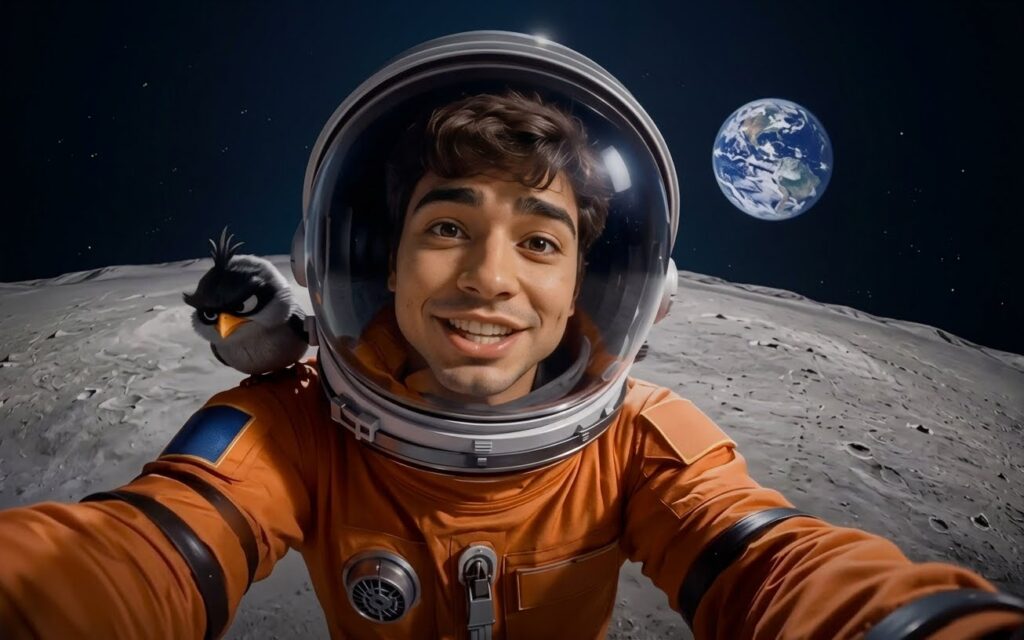
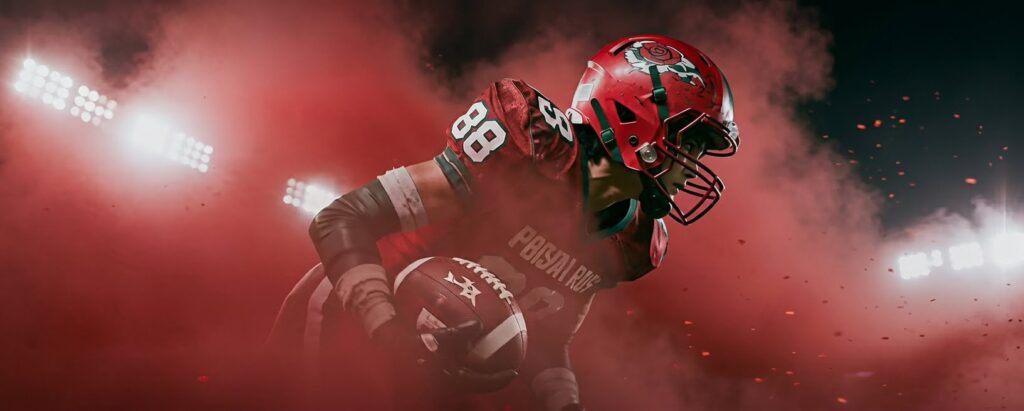
Gaming characters create instant recognition. When a user scrolls past a familiar character, the brain processes it faster than a new visual. This reduces friction and increases the chance of engagement. That is why gaming-style creatives often outperform generic stock footage.
The effect becomes stronger when you add motion. A static character blends into the feed. A moving character interrupts the scroll. Even subtle motion, such as a head tilt or eye movement, creates a sense of life. This keeps users watching longer and improves retention in the first few seconds.
From a performance standpoint, this translates into better scroll-stop rate and stronger hook retention. Media buyers see lower CPA because the creative does more work upfront. This is why many advertisers now focus on animate still images AI workflows. They convert existing assets into high-performing video content without increasing production cost.
Why this matters
Gaming visuals reduce cognitive load and improve recognition speed, making them especially effective in crowded social feeds.
The Shift from Static to Motion-Based Creatives
The Facebook feed rewards motion because motion drives engagement. Static creatives rely on a single frame to communicate value. Video creates progression. That progression keeps users watching, even if the content is simple.
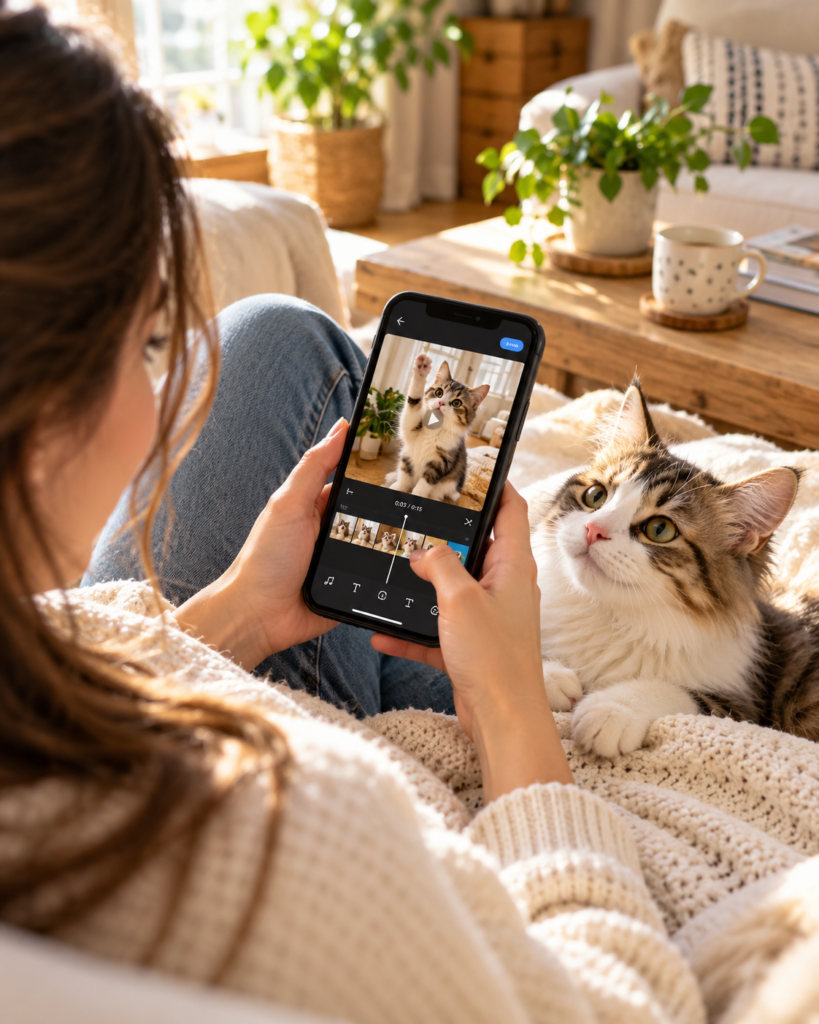
This is where adding motion to still images changes the game. You do not need full animation. You only need enough movement to create depth. Small actions such as blinking, subtle camera zoom, or background motion make the creative feel alive.
AI tools handle this automatically. They generate movement while maintaining temporal coherence, which means the motion looks smooth and consistent across frames. Poor animation breaks realism and hurts performance. Strong animation feels natural and keeps attention.
For advertisers, this shift reduces production time while increasing output quality. You produce more creatives in less time, which improves testing and scaling.
The AI Tech Stack for Character Animation
To scale animated creatives, you need tools that focus on motion accuracy and consistency. AI animation works by mapping key points on an image and applying movement patterns based on trained models. The quality of this process determines how realistic the final output looks.
Facial rigging plays a key role here. It ensures that expressions and movements follow natural patterns. Motion generation then applies these patterns to create animation. Scene consistency ensures that the character does not distort as it moves.
Modern tools now support lip-sync, expression mapping, and camera simulation. These features allow you to AI animate still image assets into full video content that feels polished and professional.
The most important factor is temporal coherence. If the animation looks unstable or unnatural, users notice immediately. This reduces trust and lowers engagement. Choosing the right tool ensures that your creatives maintain quality at scale.
| Technology Layer | Purpose | Impact |
|---|---|---|
| Facial Rigging | Maps natural expressions | Improves realism |
| Motion Generation | Adds movement patterns | Creates animation |
| Temporal Coherence | Maintains frame consistency | Prevents distortion |
| Lip Sync | Matches voice to motion | Increases engagement |
| Camera Simulation | Adds depth and zoom | Improves storytelling |
Can AI Take a Still Image and Animate It?
Yes, AI can take a still image and animate it, and this capability has become one of the most important tools for advertisers.
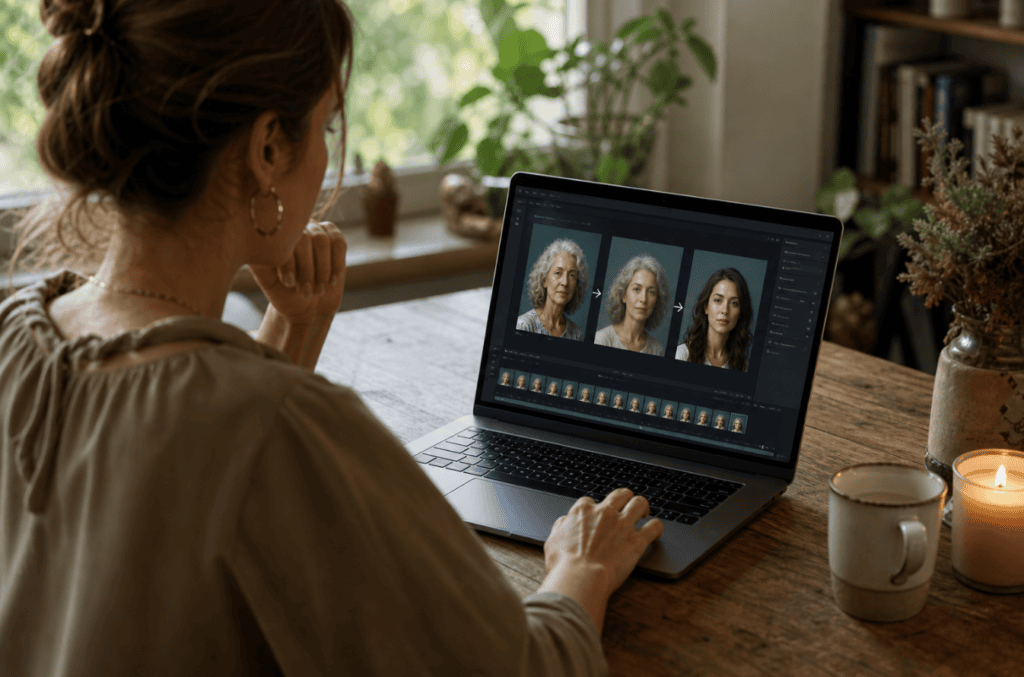
The process starts by analyzing the structure of the image. AI identifies key facial points such as the eyes, mouth, and overall shape. It then applies motion patterns that simulate real human behavior. These patterns include blinking, speaking, and subtle head movement.
The result is a static image that appears alive. This illusion of motion increases engagement without requiring complex animation work. For advertisers, this means you can produce video content from a single asset.
This approach allows you to generate multiple variations quickly. You test different scripts, expressions, and movements without creating new visuals from scratch. This improves efficiency and supports faster scaling.
How to Make a Video of Still Images
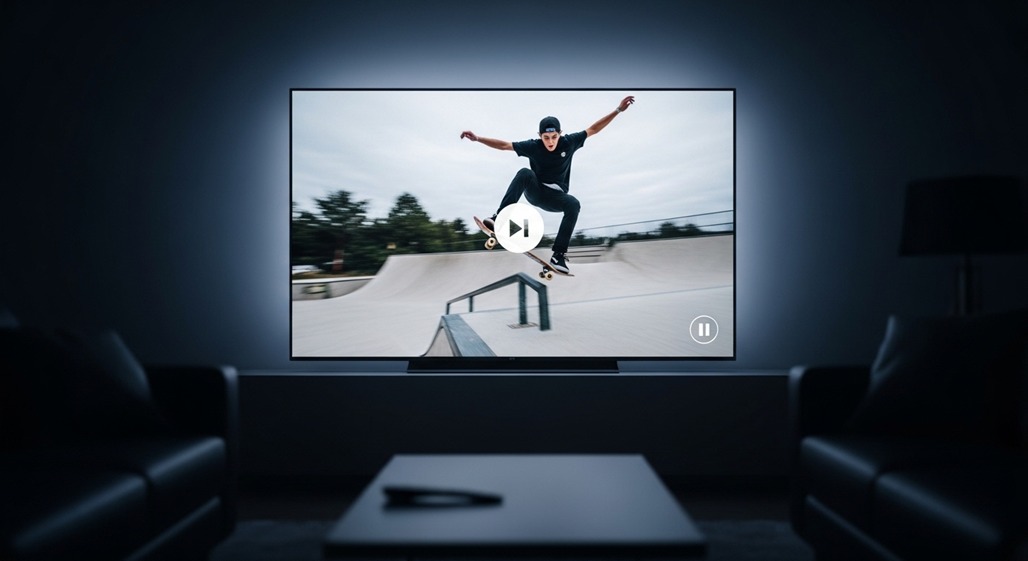
Understanding how to make video from still images is key to building a scalable workflow.
1
Start with a high-quality image
The clearer the image, the better the animation result. Upload the image into an AI animation tool to begin.
Define movement: Choose facial expressions, camera effects, and motion style.
Add audio: Some tools support lip-sync animation tied to voice or speech.
Export as video: Convert the animated still image into a finished ad creative.
How to Animate an Image with AI for Free
Many creators want to test animate still images AI workflows without cost. Free tools provide a starting point, but they often limit quality and features.
You can upload an image into a free AI animation platform and apply basic motion presets. These presets add simple movements such as blinking or slight camera motion. The output works for testing ideas, but it may include watermarks or lower resolution.
For serious campaigns, paid tools provide better control and higher quality output. They also support batch production, which is essential for scaling ads. Free tools help you validate concepts, while paid tools help you execute at scale.
Watch out
Free AI animation tools often limit resolution, include branding, or restrict commercial usage rights.
The Legal Minefield of Using Gaming Characters
Using gaming characters in ads introduces legal risks. Most popular characters are protected by intellectual property laws. This means you cannot use them freely in commercial campaigns.
Some advertisers attempt to modify characters to create a new version. This approach falls under transformative use, but it does not guarantee protection. The closer your design is to the original, the higher the risk.
A safer approach is to create original characters inspired by gaming styles. This allows you to capture the same visual appeal without violating IP rules. Platforms like Facebook also enforce policies on intellectual property. Violations can lead to ad rejection or account restrictions.
As a media buyer, you must balance performance with compliance. High engagement means nothing if your account gets restricted.
Building Winning Hooks with Animated Characters
The first seconds of an ad determine its success. A strong hook stops the scroll and captures attention immediately.
Animated characters improve hook performance because they combine motion and familiarity. When a character moves or speaks directly to the viewer, it creates a sense of interaction. This keeps users engaged longer.
A simple movement, such as a character turning toward the screen or reacting to a statement, can increase retention significantly. This improves scroll-stop rate and drives better overall performance.
Testing different hooks allows you to identify what works best. Once you find a winning pattern, you apply it across multiple creatives.
VidAU AI as the Bulk Production Engine
Scaling animated creatives requires more than generation. You need a system that turns one asset into many variations. This is where VidAU AI becomes essential.
VidAU AI takes your animated character and converts it into multiple ad formats. You add scripts, voiceovers, and captions. The platform then generates video ads optimized for social media.
It also supports AI avatars and character creation. This allows you to build original characters that avoid IP risks while maintaining strong visual appeal. These characters can act as spokespersons in your ads, which increases relatability and engagement.
Another key feature is localization. VidAU AI enables characters to speak in over 140 languages. This allows you to run global campaigns without additional production work.
For media buyers, this solves the challenge of bulk production. You create one asset and generate dozens of variations. This supports split testing and improves campaign performance.
🌍
Localization
Generate videos in more than 140 languages for global ad scaling.
🎭
AI Avatars
Create original spokesperson characters without copyright risk.
Scaling Facebook Campaigns with AI Animation
Scaling requires volume and variation. You cannot rely on a single creative. You need multiple versions to test different angles.
AI animation allows you to produce these variations quickly. You change hooks, scripts, and movements while keeping the core asset the same. This reduces production time and increases output.
When you launch these creatives, Facebook’s algorithm identifies top performers. You allocate budget to winning ads and pause underperformers. This process improves efficiency and lowers CPA.
Over time, this approach creates a system where each campaign performs better than the last.
Advanced Strategies for Media Buyers
To maximize results, you need to combine creative production with data analysis. Track metrics such as scroll-stop rate, watch time, and CTR. Identify patterns in your top-performing ads.
If a specific movement or hook drives engagement, apply it across new creatives. If a certain style performs well, replicate it in future campaigns. This creates a feedback loop that improves performance over time.
AI makes this process faster. You generate new creatives based on proven patterns and test them immediately. This keeps your campaigns competitive and efficient.
Scale faster
Turn Still Images Into High-Performance Ad Videos
Animate gaming characters, generate multiple ad variations, and scale campaigns with VidAU AI.
Key takeaway
AI Animation Changes How Social Ad Creatives Scale
The shift from static to motion defines how ads perform today. AI animation allows creators to turn a single image into multiple video variations, reducing production friction and improving testing speed.
Gaming-style characters provide built-in recognition, while platforms like VidAU AI create scalable workflows through localization, avatars, and bulk production.
FAQ
Common questions about AI animation, still-image motion, and scaling social media creatives.
What is AI Animate Still Images?
It is the process of converting static images into animated video content using AI.
Can I use AI to animate a still image for ads?
Yes, many AI tools support this for advertising use.
What is temporal coherence?
It ensures smooth and consistent motion across frames.
Are gaming characters legal to use in ads?
Only if you have rights or create original versions.
How does animation improve scroll-stop rate?
Motion captures attention and increases engagement.
What tools support animate still images AI?
Several AI platforms offer this feature.
Can AI scale campaigns through animation?
Yes, AI enables batch production of creatives.
Does AI animation reduce production cost?
Yes, it removes the need for full animation teams.