

The relationship between scaling brands and the traditional Facebook ads agency is undergoing its most painful decoupling since the invention of the news feed. For over a decade, the playbook was highly structured: brands signed five-figure monthly retainers, handed over their product catalogs, and paid media buyers to manually adjust bids, manage custom audiences, and build lookalikes. But as we move through 2026, those legacy practices have run into an unyielding technical reality. The machine learning systems built natively by Meta have automated the operational layers of media buying, leaving traditional agencies scrambling to justify their fees.
To win on paid social over the next 12 months, brands must transform how they think about external acquisition partners. The value of a modern digital partner no longer lies in dashboard manipulation; it resides entirely in high-velocity creative volume, programmatic direct-response testing, and channel-native video generation. Sourcing and refining raw user attention has bypassed media buying as the ultimate scaling lever. This guide outlines the system to build that pipeline or choose a partner capable of executing it.
Key Takeaways — Meta Performance 2026
- The Automation Shift: Algorithms like Advantage+ Shopping have consolidated manual dashboard tasks, changing the core value of an external digital media partner.
- The Volume Multiplier: Profitability on paid social requires deploying 15 to 25 fresh creative variants per week to prevent rapid audience ad fatigue.
- Isolate Hook Variables: The first 3 seconds of your vertical asset control your relevance score and CPM. Testing different hooks against identical ad body assets is the highest-ROI optimization.
- Decoupling Sourcing from Slicing: Top brands separate the physical sourcing of raw assets from the fast-paced programmatic editing of direct-response variations.
- In-House Scale Options: Growth-minded brands are building internal creative systems, using automated tools to produce high-fidelity social video variants on demand.
Every e-commerce merchant and direct-to-consumer strategist is confronting the same operational bottleneck: CPM volatility, climbing customer acquisition costs (CAC), and severe ad fatigue. When a creative asset burns out in under a week, a slow-moving agency structure simply cannot produce replacements fast enough to sustain performance. The bottleneck is no longer budget size; it is production velocity.
If you are working with or considering a Facebook ads agency, you must evaluate their capability through a creative-first lens. If their primary pitch is audience optimization, bid capping, or manual placement configurations, they are selling a service that Meta’s free built-in algorithm performs better. To survive the next 12 months, you need a partner or an internal system capable of generating high-converting, native vertical content at scale.
What Is a Facebook Ads Agency?
What Is a Facebook Ads Agency?
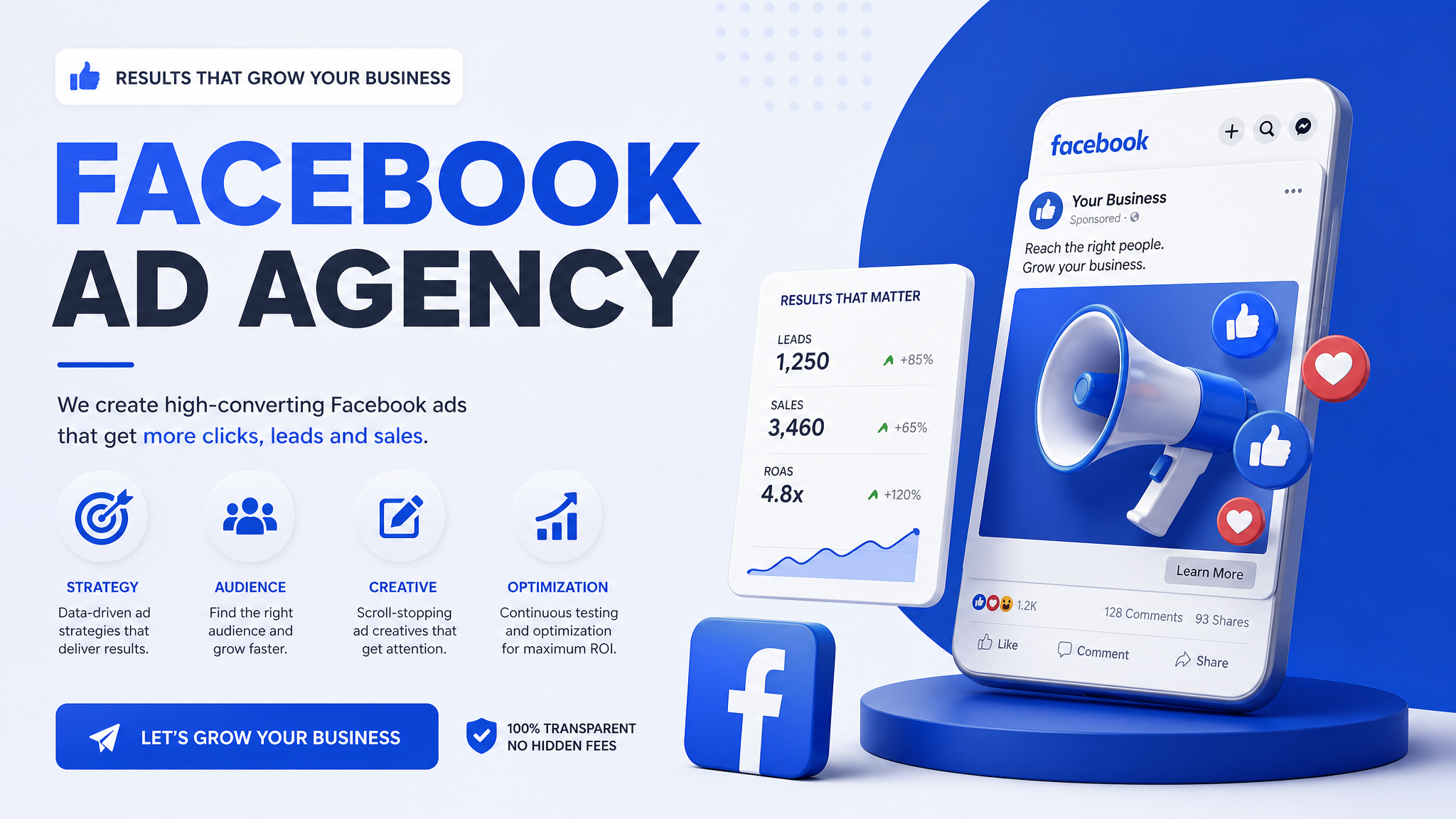
A Facebook ads agency is a specialized digital marketing company hired to build, optimize, manage, and scale paid social media campaigns across Meta platforms (including Facebook, Instagram, Messenger, and the Audience Network) on behalf of brands to drive trackable conversions, leads, or sales.
To accurately assess a digital partner, you must define the function of a Facebook ads agency in the current digital landscape. It is not simply a service that logs into your Ads Manager and monitors daily budgets. A high-performing modern ad partner is an agile creative studio that designs psychologically focused visual hook variants, analyzes outbound click-through rates (CTR) at the asset level, and designs structured pathways to scale direct-response performance without manual friction.
The Great Media Buying Decoupling: Why Manual Optimizations are Obsolete
The decline of the traditional paid media buyer was set in motion when Meta launched their advanced machine learning networks. Today, Advantage+ Shopping Campaigns (ASC+) have automated targeting, demographic slicing, budget allocation, and device placement into single-button configurations. When you feed Meta’s pixel broad targeting and highly structured creative assets, the system out-targets even the most experienced human media buyer within 24 hours, as explored in the official Meta Advantage+ Shopping Campaigns documentation.
This technical evolution has dismantled the traditional business model of the media-buying facebook ad agency. For years, agencies charged a percentage of ad spend (typically 10% to 15%) to manually build and test countless interest-based ad sets. Today, that manual strategy is highly counterproductive. Spreading your budget across multiple niche ad sets restricts the pixel’s ability to learn, raises your average CPM, and prevents the algorithm from finding high-converting, high-relevance pockets of broad-target customers.
The modern paid social system requires a broad, unrestricted setup. This means feeding the ad account a diverse library of creative angles and allowing Meta’s algorithm to do the micro-targeting on its own. The algorithm target-matches different users by matching their behavioral signals with your video’s visual hooks and captions. Consequently, the team managing your creative assets has effectively become your actual media buying team.
To implement these broad-targeting structures, brands must ensure their creative quality and direct-response formatting align with platform standards. Growth teams looking to optimize their visual relevance should review our detailed guide on Facebook ad best practices, which covers hook styling, messaging, and asset duration frameworks.
Why Creative Volume is the Only Performance Lever Left
On modern social ad networks, the rate of ad fatigue has accelerated significantly. Because Meta’s algorithms serve ads to large, unified audiences very quickly, a single creative asset often reaches peak efficiency and starts to fatigue within 5 to 10 days, a trend highlighted in the Nielsen Consumer Ad Fatigue Study. Once fatigue sets in, frequency rises, outbound CTR falls, and your cost per acquisition (CPA) spikes.
To fight this creative fatigue, you cannot simply adjust bidding caps; you must produce fresh creative variations systematically. Professional performance teams recommend testing between 15 to 25 unique creative variants every week. This high volume prevents the algorithm from fatiguing and helps you continuously find new pockets of buyers.
For most brands, manually scripting, filming, and editing 20 unique video commercials every week is too expensive and operationally complex. This production challenge is why successful growth teams use modular testing workflows. By dividing their video production into distinct, exchangeable layers — like testing 5 different visual hooks against a single winning body asset — they can instantly produce dozens of unique variations from a single filming session, bypassing the inflated average pricing noted in the Statista Meta Advertising Costs Benchmarks report.
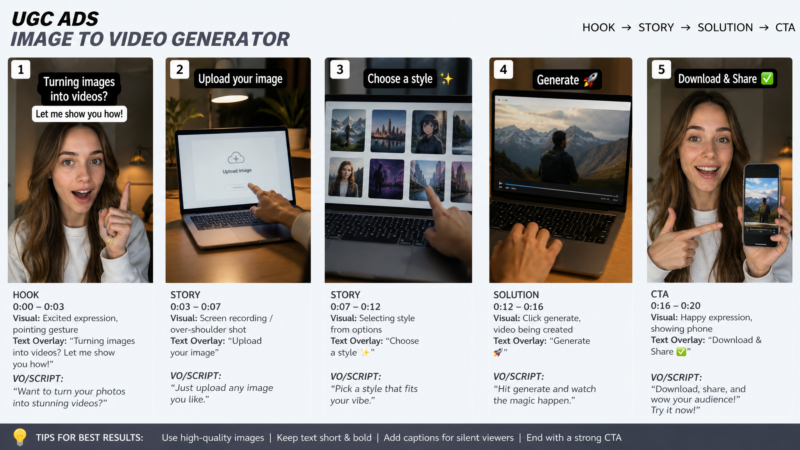
This operational shift is transforming how brands use automated video production. For instance, instead of relying on slow agency turnaround times, high-velocity creative teams use automated video generators like VidAU.ai to convert core product assets and URLs into platform-ready vertical video ads in minutes, helping them scale their creative output at a fraction of the cost.
Traditional Agencies vs. Automated Performance Workflows
| Operational Feature | Traditional Facebook Ads Agency Model | Automated Creative-First System |
|---|---|---|
| Primary Value Proposition | Manual media buying, audience targeting, and custom bidding strategies. | High-velocity creative generation, hook testing, and asset-level analysis. |
| Fulfillment Cost & Fee Structure | High monthly retainers ($3k-$10k) or 10-15% of total media spend. | Software-enabled, highly scalable costs starting under $10/month. |
| Creative Testing Velocity | 2 to 4 video assets per month (limited by manual production). | 15 to 25 unique video variants per week (driven by automated testing). |
| Targeting Optimization | Manual audience segmentation, custom lookalikes, and interest exclusions. | Broad, open targeting fueled by platform-native machine learning. |
| Technical Turnaround Time | 10 to 14 days of creative back-and-forth and manual editing. | Near real-time, programmatic iteration of winning hook combinations. |
As this comparison highlights, the traditional agency model is structurally ill-equipped to handle the creative volume required by modern paid media. If your agency is still focusing on manual targeting structures rather than high-velocity creative testing, they are building campaigns on an outdated playbook. To protect your margins, your marketing team must pivot to a system that prioritizes modular, creative-first delivery.
The 3-Second Hook Matrix: Capturing Attention in the Modern Feed
In paid social advertising, the first 3 seconds of your vertical video ad represent the gatekeeper of your campaign’s success. If your hook does not stop the user’s scroll, the remaining 27 seconds of your high-cost video, product benefits, and CTA are completely wasted. The first frame must look like organic social content, not a corporate commercial.
Use these high-performance hook archetypes to build your creative testing matrix:
The Informational Loophole
A direct, high-energy statement that challenges common industry beliefs, instantly prompting the user to stop scrolling to discover a hidden solution.
The POV Narrative Hook
A native-style layout that places the viewer in a highly relatable situation, mirroring the organic content styles they naturally engage with in their feeds.
The Qualified Call-Out
A highly direct opening hook that calls out your exact target audience’s role, identity, or budget, building instant relevance for the viewer.
The Unbiased Comparison
An objective, reviewer-style hook that bypasses standard consumer skepticism by promising a transparent, honest look at product performance.
To test these hooks effectively, keep the body and call to action of your ad identical across variants. Isolate the hook as the only changing variable — this produces clean data that shows exactly which opening line and visual style stopped the scroll, rather than leaving you to guess which change drove the performance lift.
To measure hook performance, monitor your “Thumbstop Ratio” (3-second views divided by total impressions). If an asset’s hook rate is below 20%, pause it immediately. If a hook achieves a thumbstop ratio above 30%, scale its budget and use its opening structure to guide your next creative batch.
How to Vet a Creative-First Growth Partner: Modern Sourcing Criteria
If you choose to hire an external facebook ad agency, you must update your vetting process. Do not let agencies distract you with vanity metrics like total campaign impressions or historical client spending. Instead, focus on how they handle creative strategy and production logistics, ensuring they closely monitor key metrics explained in the official Meta Page Customer Feedback Score Guidelines.
Ask these key questions to evaluate a potential marketing partner’s creative capabilities:
- “How many unique creative variants will you produce and test weekly?” If their answer is “2 to 3 assets per month,” their production workflow cannot keep pace with modern ad fatigue. Look for teams targeting 10 to 15 unique weekly variants.
- “How do you systematically isolate and test hook variables?” A professional performance agency must have a clear testing framework that splits hooks from body copy to collect clean, actionable performance data.
- “Do you use automated creative production in your editing workflows?” Ensure they leverage modern generative tools and asset directories to scale production speed and lower your overall creative costs.
If an agency cannot show you a clear, structured system for creative volume and testing, they are likely still using an outdated media-buying playbook. For a deeper look at the vertical video formats driving high-converting campaigns across social networks, explore our guide to ecommerce video ads, which details channel-specific specs and pacing.
Driving Multi-Platform Scale: Siphoning Attention Natively across Channels
Operating exclusively on a single social network is a risky scaling strategy. To protect your brand from cost spikes and platform volatility, you must build cross-channel funnels that engage buyers across both Meta and TikTok, taking into account the shifts detailed in the latest Pew Research Social Media Demographics Report. While the vertical feed layouts look similar, audience demographics and engagement behaviors on these platforms are very different.
Meta feeds are highly effective for direct product comparisons, structured value benefits, and targeted retargeting. TikTok, conversely, thrives on high-energy, trend-first content and unedited, raw creator style. Running identical, unadjusted video assets across both channels will result in rapid budget waste.
To succeed across platforms, you must format your assets natively for each ecosystem. Smart brands use agile creative workflows to adjust their core concepts for different channels. To learn how to apply automated workflows to TikTok-native video, explore our operational guide on how to create ads for TikTok video with AI, which outlines the script layouts and hook frameworks that perform best in entertainment-first environments.
How to Scale Creative Workflows In-House: A Step-by-Step System
For brands spending over $25,000 per month, building an in-house creative factory is often more cost-effective and agile than hiring a traditional agency. Follow this step-by-step framework to systematically build a high-velocity in-house production system over the next 12 months:
📋 Programmatic Creative In-Housing Blueprint
Establish Your Modular Creative Briefing Guidelines
Before recording or generating video, write 3 unique hooks (Informational Loophole, POV, Qualified Call-out) and combine them with a single, highly refined body and offer structure. This modular layout allows your editing workflow to produce multiple distinct variations from a single production session.
Source Your Baseline Asset and B-Roll Libraries
Collect high-quality product unboxings, close-ups of texture, lifestyle interactions, and usage demonstrations. This visual library will serve as the raw material to fuel your programmatic video iterations.
Deploy Automated AI Creative Production Layers
Input your modular script variations into your automated video generator. Select natural AI presenter avatars and professional voiceovers to merge with your physical b-roll footage, quickly producing dozens of unique ad variations in minutes.
Upload and Launch Campaigns Natively with Broad Targeting
Upload your generated creative variants to Meta Ads Manager. Crucially, utilize open broad targeting with Advantage+ Shopping configurations, allowing the algorithm to target buyers by matching their behavioral signals with your creative hooks.
Apply Strict Creative-Level Performance Tracking
Monitor your ad performance at the individual asset level. Pause creatives with a thumbstop ratio below 20% at 500 impressions. Scale budgets on winning creative angles with a CTR above 1.5% and a CPA at or below your target threshold, and use these winning hooks to guide your next creative batch.
Scale your paid media campaigns in-house with VidAU’s URL-to-video ad generation engine. Plans start at $9.99/mo
🎬 Scale Your In-House Ads Now →Common Mistakes Brands Make in Paid Social Ad Campaigns
Even the most brilliant marketing strategies can fail due to easily avoidable creative and operational errors. Avoid these common paid social mistakes to keep your campaigns safe and profitable:
Leading your video with a professional brand logo, intro animation, or polished title slide. This immediately signals “commercial advertisement” to the viewer, triggering an instant scroll. The first frame must look like a personal video from a friend.
- Relying on Non-Native Digital Assets: Re-uploading a horizontal 16:9 television commercial directly to TikTok or Instagram Reels. This layout looks lazy and unprofessional. You must produce channel-native 9:16 vertical variations for social platforms, utilizing high-performing vertical frameworks such as modern ugc ads to connect with audiences, while referencing standard Meta Advantage+ Creative Best Practices Guidelines to optimize visual setups.
- Failing to Monitor Page Feedback Scores: Ignoring customer service issues, shipping delays, or poor product quality. A low Customer Feedback score will cause Meta to penalize your ad account, leading to higher CPMs and poor ad delivery.
- Over-complicating Campaign Account Structure: Spreading your ad spend across countless niche, interest-based ad sets. To scale profitably, consolidate your budget into broad-target, Advantage+ Shopping campaigns and let the algorithm optimize targeting.
- Ignoring High-Conversion B2B Verticals: Restricting paid social strategies exclusively to standard direct-to-consumer products. High-performance creative systems are highly effective for industries like real estate and professional service leads. For a deeper look at lead generation creative, explore our guide to real estate advertising, which covers hook strategy and local lead funnels.
The Next Frontier: AI Creative Personalization and Automated Testing Loops
The next decade of performance advertising will bring an even tighter integration of generative AI and programmatic direct-response media. We are moving toward a future of autonomous creative systems — where algorithms do not just optimize bidding, but dynamically generate personalized ad variations in real-time based on the exact demographics and behavioral signals of individual viewers, as highlighted in the forward-looking Gartner Predicts AI Marketing Trends Report.
In this coming paradigm, the brands that win will not be those who try to manually write and edit every single creative variation. The winners will be the systems architects — the growth teams who build highly efficient asset pipelines and leverage AI automation engines to execute at a speed, volume, and scale that manual competitors simply cannot match.
By moving from slow, manual creative pipelines to high-velocity, AI-assisted video workflows today, your brand can build a highly efficient, in-house ad engine. Drive consistent customer conversions, protect your margins from rising agency costs, and establish a compounding creative advantage that secures long-term paid social growth.
Related Resources
Scale Your Creative Pipeline with VidAU
VidAU.ai converts any product URL or written script into high-converting, vertical 9:16 social ads in minutes — complete with photorealistic AI avatar presenters, professional synthetic voices, and auto-generated captions.
🎬 Try VidAU Now →Plans start from $9.99/month · No credit card required · High-fidelity video output
FAQ — Frequently Asked Questions
What is a Facebook ads agency?
A Facebook ads agency is a specialized digital marketing company hired to build, optimize, manage, and scale paid social media campaigns across Meta platforms (including Facebook, Instagram, Messenger, and the Audience Network) on behalf of brands to drive trackable conversions, leads, or sales.
Why is the traditional Facebook ads agency model changing in 2026?
Meta’s machine learning systems, such as Advantage+ Shopping, have automated the technical aspects of media buying (bid adjustments, audience targeting, and budgeting). Consequently, traditional media agencies that focus primarily on dashboard optimization are being replaced by creative automation workflows that prioritize high-volume asset testing.
How does programmatic creative testing improve paid social campaign ROAS?
Programmatic creative testing isolates specific video components (such as hooks, transitions, and calls to action) and tests them systematically. By letting Meta’s algorithm determine which variations resonate best with different audience segments, brands improve relevance scores, lower CPMs, and elevate ROAS.
What is the average retainer fee for a professional facebook ad agency?
Professional agency retainers typically range from $3,000 to $10,000 per month, or a performance-based fee representing 10% to 15% of total ad spend. Because this model can be cost-prohibitive for growing brands, many businesses are choosing to bring media buying in-house while using automated tools to scale creative output.
How do you systematically analyze creative performance in Meta Ads Manager?
To analyze creative performance, ignore aggregate campaign-level ROAS and focus on creative-level metrics: the 3-second hook rate (thumbstop ratio), outbound click-through rate (CTR), and cost per acquisition (CPA). Pause underperforming creative variants with low hook rates at 500 impressions, and scale winning angles.
Is it better to hire a specialized facebook ad agency or build an in-house media team?
For brands with monthly spends exceeding $30,000, building an in-house creative and media buying team is often more cost-efficient and agile. With modern automated tools handling the production and optimization layers, a lean in-house team can achieve better results than a slow-moving external partner.
What is the order defect rate (ODR) and how does it relate to ad performance?
Order Defect Rate (ODR) measures the percentage of customer transactions with negative feedback, chargebacks, or shipment delays. While primarily an operational metric, a high ODR directly damages your Meta Page Customer Feedback score, causing the ad delivery system to raise your CPMs and penalize listing distribution.
How can brands utilize external traffic to boost search rankings and relevance?
Driving high-quality, off-platform traffic from Meta campaigns to external marketplaces or Shopify storefronts signals organic consumer demand. Algorithms reward this high-relevance traffic by boosting your products in organic search results, helping you capture additional market share.
Why is retail arbitrage dropshipping prohibited on major advertising networks?
Sourcing products from other retail websites to fulfill customer orders is prohibited because it disrupts the consumer experience with third-party branding, unverified shipping packaging, and delayed delivery. Brands must build direct, compliant wholesale relationships to protect their seller ratings and run ads safely.
How can AI tools complement the modern social media ad workflow?
AI tools complement the workflow by automating the high-volume production of creative variations. Instead of manually editing dozens of video hooks, brands use generative tools to instantly produce vertical ads, keeping their creative pipelines fresh and preventing audience ad fatigue.
Sources and Performance Benchmarks: Meta Advantage+ Shopping performance studies, direct-response media cost metrics, and digital agency overhead datasets Q1-Q2 2026. Creative velocity and cross-channel marketing reports via VidAU.ai research division.