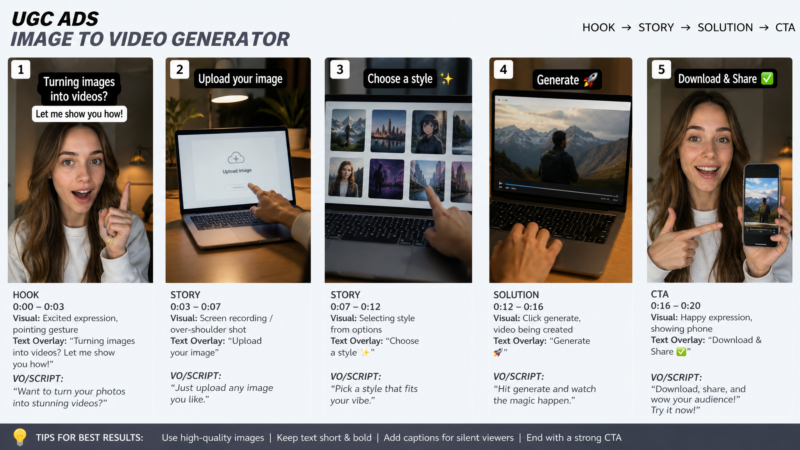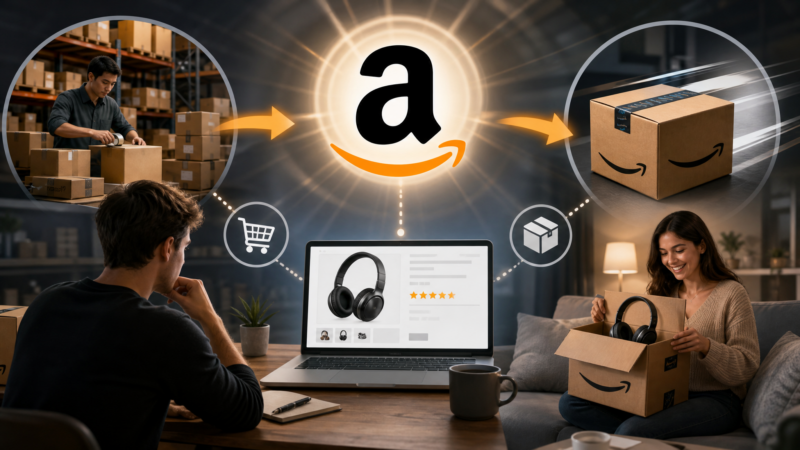

The landscape of digital acquisition is facing its most significant transformation since the invention of the social feed. For the last five years, the playbook for direct-to-consumer e-commerce, software, and mobile apps has been remarkably simple: buy media, write copy, and run high volumes of raw, creator-recorded ugc ads. But as we move through 2026, that playbook is hitting a hard operational ceiling. Traditional content methods are saturated, costly, and structurally unable to keep pace with algorithmic demands. This is the strategic system designed to navigate that shift.
Key Takeaways — Navigating UGC Ads in 2026
- The Artisanal Sourcing Model is Dead: Paying hundreds of dollars to individual creators for single-use raw footage is economically non-viable given the high creative fatigue rates of 2026.
- The 15-25 Variant Baseline: To maintain a stable and profitable return on ad spend (ROAS) on social networks, brands must deploy between 15 to 25 unique creative variations every single week.
- Isolate and Test the First Frame: The 3-second hook is the single most influential variable governing the success of paid social campaigns. A great hook with a mediocre body converts; a great body with a poor hook gets zero watch time.
- Transition to AI-Hybrid Production: Scalable advertisers are transitioning to workflows that utilize real human-shot b-roll overlaid with top-performing AI avatar and custom voice voiceovers to instantly scale video production.
- Format Natively for Channels: Adapting a single asset across platforms without customizing aspect ratios, pacing, and visual callouts leads to rapid budget wasting. Direct-response success requires channel-specific native formatting.
Every media buyer is staring at the same uncomfortable truth: campaign-level optimizations, smart bidding strategies, and micro-targeted custom audiences are no longer competitive differentiators. Algorithms on major social networks have become so efficient at broad-targeting distribution that the only lever left to pull is creative. If your creative is fresh, native, and psychologically aligned with your customer’s deep-seated pain points, you win. If your creative is stale, predictable, or heavily branded, the algorithm penalizes your CPMs and deprioritizes your delivery.
This dynamic has elevated ugc ads from a handy tactic to the core engine of programmatic performance marketing. However, the market has matured. Consumers are highly intelligent; they can spot a scripted creator video masquerading as organic content in less than 150 milliseconds. To survive the next 12 months, brands must transform their artisanal, slow-moving creative workflows into systematic, high-velocity testing systems that blend authentic human energy with scalable automated efficiency.
What Is a UGC Ad?
What Is a UGC Ad?
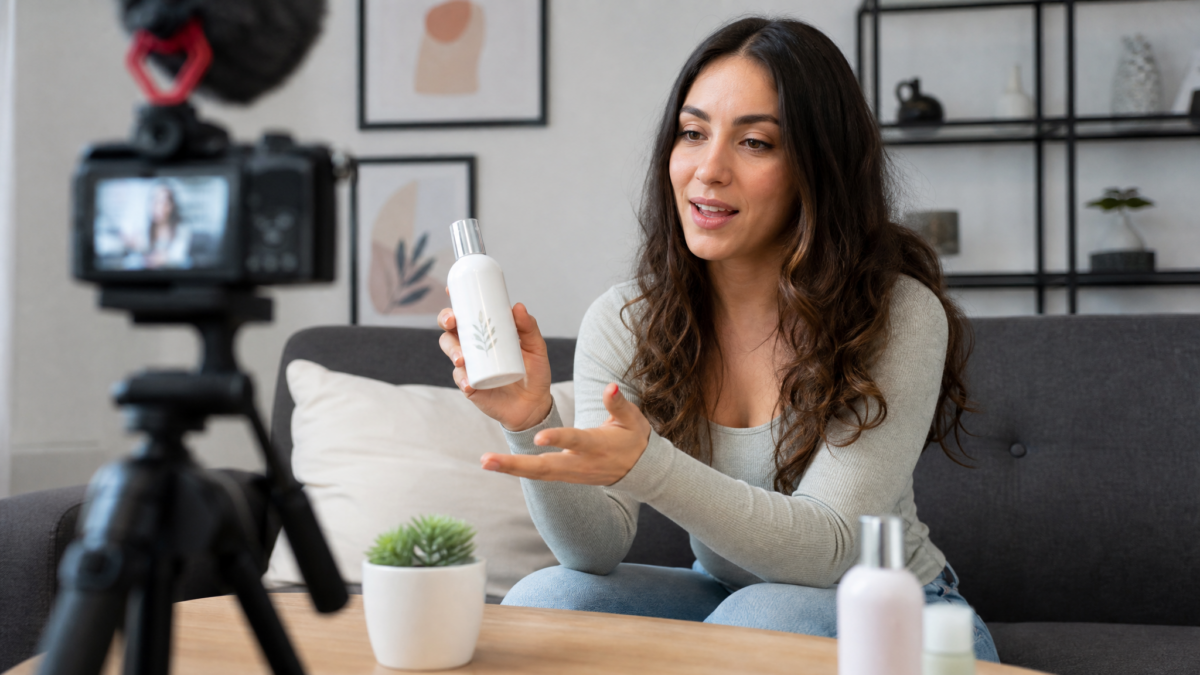
A ugc ad (User-Generated Content ad) is a digital advertisement designed to mimic organic, creator-made social media content. Typically featured on platforms like TikTok and Instagram, these ads showcase real people demonstrating, reviewing, or discussing products in a casual, native-looking vertical format, bypassing traditional polished commercial aesthetics to build instant trust.
To truly understand why the digital marketing ecosystem is obsessed with these assets, we must define what is a ugc ad in the context of modern paid media. It is not simply a video file sent over by an influencer with a discount code. A true performance UGC asset is a highly calculated, meticulously scripted piece of direct-response marketing that borrows the raw, imperfect, first-person visual grammar of personal smartphones to communicate value and overcome objections without triggering the viewer’s defensive advertising filters.
The Evolution of UGC Ads: From Organic Flukes to Programmatic Creative
The origins of user-generated content in advertising were completely organic. Early-stage e-commerce brands on Instagram noticed that a simple, unedited iPhone photo of a customer holding a product consistently generated a lower cost-per-acquisition (CPA) than a $10,000 professional studio photo shoot. It made intuitive sense: social media feeds are designed for social connection, not commercial transactions. When a polished studio ad appeared, it signaled “interruption” and prompted an immediate scroll. When a raw, real-life photo appeared, it signaled “peer recommendation” and held attention.
Over the last few years, this dynamic shifted from simple static photos to fast-paced vertical video. As TikTok pioneered the 9:16 portrait video format, the market consolidated around presenter-led narratives. Direct-response advertisers quickly institutionalized this approach, building highly detailed scripts containing specific hook archetypes, problem setups, and product demonstrations. It was the birth of the programmatic creator model.
However, the industry’s success became its own bottleneck. Because every brand rushed to hire micro-influencers to read identical direct-response scripts on their phone cameras, social platforms became flooded with formulaic content. Today, consumers are hyper-aware. They recognize the typical “TikTok made me buy it” transition, and they immediately identify paid partnerships. To win in 2026, brands must transition to a more sophisticated, multi-layered approach that aligns with broader ecommerce marketing trends, prioritizing cognitive diversity, programmatic iterations, and high-velocity testing across platforms like ugc facebook ads and TikTok campaigns.
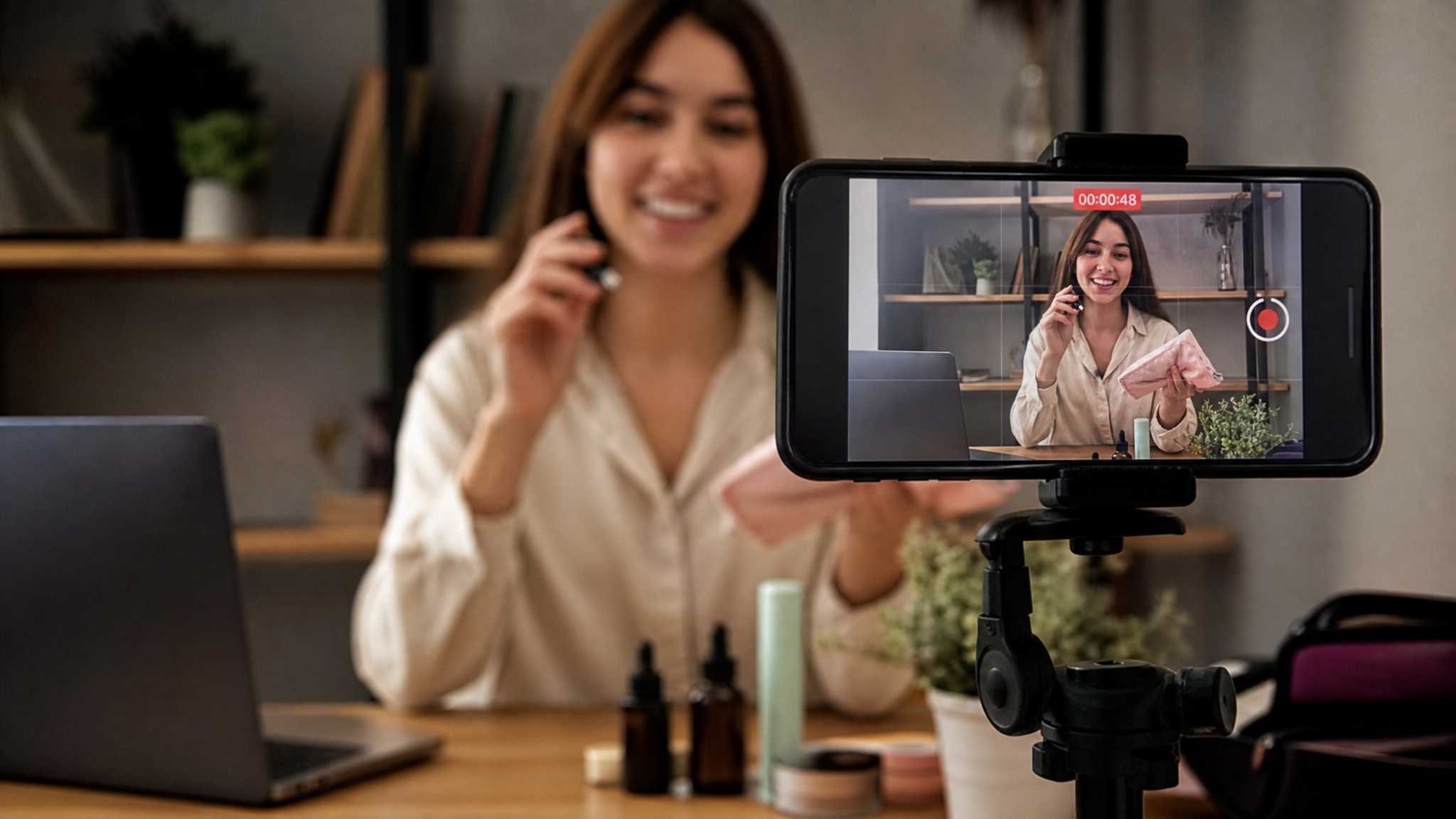
Why the Traditional UGC Ads Pipeline is Broken in 2026
The traditional method of producing user-generated content advertisements looks like this: a brand identifies a creator on a marketplace, negotiates a fee (typically $150 to $500 for a single video), ships a physical product, waits 10 to 14 days for the creator to record the footage, receives the files, requests edits, receives the revised version, and uploads it to Ads Manager. It is an artisanal, highly manual, relationship-driven process.
This process is fundamentally broken for three reasons:
- The Creative Lifetime is Shockingly Short: The average high-performing creative asset on social media maintains its peak efficiency for only 7 to 14 days before its frequency-to-audience ratio spikes and creative fatigue sets in. Paying $300 and waiting two weeks for an asset that burns out in 10 days is an unsustainable business model.
- The Success Rate is Inherently Low: In performance marketing, only 1 in 10 creative variants actually achieves a profitable return on ad spend (ROAS) that beats the account-level baseline. If a brand must test 10 videos to find one profitable winner, and each video costs $300 and two weeks to produce, the customer acquisition cost (CAC) immediately skyrockets.
- Logistical Scaling is a Nightmare: Coordinating with 20 different creators simultaneously, tracking shipments, chasing deadlines, managing usage rights, and handling manual feedback loops becomes an operational bottleneck that prevents marketing teams from focusing on high-level strategic growth.
The brands that are scaling profitably in 2026 have recognized that manual creator coordination cannot solve the volume problem. They are moving away from purely manual sourcing and transitioning to hybrid content models that merge physical visual assets with programmatic, AI-accelerated delivery engines.
The Rise of Hybrid UGC: Combining Real Creators with AI Performance
How do you solve the conflict between the need for raw human authenticity and the operational demand for massive volume? The answer lies in Hybrid UGC. This model separates the visual asset layers (the physical product close-ups, b-roll footage of real human hands, and high-context application clips) from the narrative presenter layers.
Instead of hiring a creator to write, speak, and film an entire 30-second video, brands are filming physical “base footage libraries” once. They then apply the best ai avatar solutions for ugc product ads to act as the primary on-screen presenter, delivering dynamically generated scripts in multiple languages, with precise lip-sync, and native-sounding vocal inflections.
This approach allows growth teams to run high-velocity multivariate experiments. For instance, a brand can combine 5 seconds of human b-roll showcasing a product being unboxed with 10 different AI-generated presenter hooks. This process instantly creates 10 unique ad variations in minutes, completely bypassing the manual creator bottleneck.
Modern workflow systems have accelerated this transition. For instance, teams looking to scale high-velocity creative testing are adopting AI-powered video ad generators like VidAU.ai to streamline video generation and adapt campaigns faster across multiple ad accounts. These automated platforms take standard product URLs, extract primary media, and overlay AI presenter layers, employing realistic vocal options such as an advanced AI girl voice generator to bring the marginal cost per creative variation close to zero.
Anatomy of High-Converting UGC Ads: The Hook, Body, and Offer Framework
A high-converting UGC asset is not an accidental viral video; it is a highly structured piece of visual engineering. After analyzing hundreds of millions of dollars in paid media spend across direct-to-consumer and software categories, we have mapped the exact structural blueprint that consistently drives performance.
Every successful UGC asset must be divided into three core functional modules: the Hook (0-3 seconds), the Body (3-24 seconds), and the Offer/CTA (24-30 seconds). If any of these modules fail, the entire video fails to convert.
The Pattern-Interrupt Hook
A direct, high-energy statement that contradicts common assumptions or promises to reveal hidden, valuable information, forcing the viewer to stop scrolling.
The POV Scenario Hook
A native-style framing that immediately places the viewer in a highly relatable situation, mirroring the organic content formats they browse daily.
The Qualified Call-Out Hook
A highly focused opening statement that addresses a specific audience segment, calling out their exact identity, role, or urgent pain point.
The Unbiased Review Hook
Uses the authority of an independent tester to create an immediate expectation of honesty and objectivity, reducing the viewer’s defensive ad filters.
Once the hook successfully halts the scroll, the Body of the ad must immediately transition to the problem-solution dynamic. Instead of boring the audience with clinical product features, the presenter must highlight the emotional and physical transformation. Show the “Before” (frustration, wasted time, physical discomfort) and contrast it directly with the “After” (ease, efficiency, relief) using rapid, clear b-roll cuts.
Finally, the ad must close with a singular, low-friction Call to Action (CTA). Never give the viewer multiple choices like “follow our page or check out our store.” Give them one clear path: “Tap the link below to get 30% off your first order today.”

Sourcing Strategy: Vetting Top-Rated UGC Video Makers for Social Ads
When you are looking to build a library of base human footage, you need to know how to identify and vet top-rated ugc video makers for social ads. The criteria for evaluating creators have changed dramatically; you should no longer focus on vanity metrics like follower count, aesthetic beauty, or organic engagement ratios.
Instead, look for creator-focused direct response operators who understand these operational standards:
- Vocal Cadence and Projection: The presenter must speak with absolute clarity, dynamic pacing, and consistent projection. Flat, monotonous delivery will destroy your click-through rates within the first second.
- Frame Awareness: Experienced UGC video makers understand how to film natively within “safe zones”—ensuring that vital text captions, product packages, and facial features are not obscured by platform overlays, profile pictures, or interactive CTA buttons.
- Direct Response Script Familiarity: The best creators understand the psychological purpose of a hook. They are familiar with direct-response frameworks, meaning they can record variations of the same line with different inflections and pacing to give your editors raw materials to split-test.
If a creator cannot demonstrate a clear understanding of direct response principles, they are simply an influencer reading a script. For brands attempting to scale past thousands of dollars a day in paid traffic, relying on simple influencer marketplaces is an operational bottleneck. To solve this, growth teams are shifting to hybrid workflows that allow them to create ads for TikTok video with AI, achieving the output volume needed to stay competitive.
Technology Assessment: Best-Rated Platforms for Quick UGC Product Ad Videos
For brands that need high creative volume without the administrative headaches of manual creator vetting, utilizing best-rated platforms for quick ugc product ad videos has become a standard scaling strategy. These platforms leverage artificial intelligence, cloud-based rendering engines, and high-quality presenter libraries to reduce production times from weeks to minutes.
When assessing video generator platforms, look for systems that provide these foundational capabilities:
- Seamless URL-to-Video Transformation: The system must be capable of extracting product images, descriptions, reviews, and high-quality b-roll directly from your e-commerce URL, generating standard vertical structures automatically.
- Highly Natural AI Presenter Avatars: The library must contain presenter avatars with realistic micro-expressions, native voice synthesis, and absolute lip-sync alignment to completely eliminate the robotic look of early generative tools.
- Auto-Generated Kinetic Captions: Since up to 80% of modern social media consumers browse feeds without turning their sound on, integrated, high-contrast, animated captions are a non-negotiable conversion driver.
Tools that reflect this programmatic shift, such as VidAU.ai, represent a massive technological leap for e-commerce marketers. By allowing growth teams to input product links and generate high-fidelity, platform-native 9:16 vertical ads in under ten minutes, these systems bring the marginal cost of creative testing close to zero.
Channel Playbook: UGC Facebook Ads vs. TikTok Ads
A common mistake in digital advertising is running the exact same creative file across Facebook, Instagram, TikTok, and YouTube Shorts without adjusting for channel-specific user behavior. While all vertical video feeds look identical, the user psychology and algorithmic distribution mechanics of these platforms are fundamentally different.
| Creative Element | UGC Facebook Ads Playbook | TikTok UGC Ads Playbook |
|---|---|---|
| Primary Audience Mindset | Scroll-interrupted browsing, looking for family updates, news, and high-context social connections. | Continuous entertainment-first immersion, trend-driven, hyper-focused on raw personal discovery. |
| Hook Windows & Pacing | 3 to 5 seconds. Can lead with text, clean split-screens, or social proof callouts before high-energy presenter cuts. | 1 to 2 seconds. Requires high sensory stimulation, immediate pattern interrupts, and trend-focused audio. |
| Visual Style | Clean, crisp vertical layouts. Responds well to comparison tables, user review highlights, and product-in-use zooms. | Extremely raw, unfiltered, smartphone-filmed aesthetic. High-quality corporate branding signals an immediate scroll. |
| Audio Architecture | Voiceover with clear, supportive captions. Up to 80% of users watch with sound disabled in their initial feed browse. | Sound-on environment is essential. Utilizes trending background music, conversational voiceovers, and native sound effects. |
| Ad Duration | 30 to 45 seconds. Can support longer, high-trust informational structures explaining specific product benefits. | 15 to 21 seconds. Must remain fast-paced, highly compressed, and focus on a single core benefit and CTA. |
By tailoring your assets to fit these platform-specific guidelines, you prevent the algorithm from deprioritizing your media. To build a holistic strategy across both ecosystems, brands must master the distinct creative rules governing high-converting ecommerce video ads. Ensure that your ugc facebook ads focus on strong social proof overlays, trust badges, and educational step-by-step close-ups, while your TikTok assets prioritize immediate visual hooks, dynamic trending audio, and highly conversational delivery.
The Technical Blueprint: Resolution, Aspect Ratios, and Delivery Specs
Even the most brilliant script and the highest-performing presenter will fail if your ad asset is rejected by platform moderation or delivered with blurry, compressed frames. To maintain absolute professional delivery across all social channels, your files must adhere to this precise technical specification blueprint:
- Aspect Ratio and Resolution: Natively generate in 9:16 portrait format (1080 x 1920 pixels). Never upload horizontal 16:9 content with raw black letterbox bars; this visual layout immediately signals a lazy brand presence and is penalized by ad delivery systems.
- Compression Codecs: Deliver in MP4 or MOV container format using H.264 compression codecs. Target a minimum video bitrate of 15-20 Mbps to prevent pixelation during rapid cuts and fast transitions.
- Integrated Frame Safe Zones: Ensure that all text callouts, product packages, captions, and presenter faces reside inside the central safe area (top 15% and bottom 20% must remain clear of critical information to prevent platform overlays from blocking your message).
- Color Grading and Contrast: Elevate exposure and saturation slightly (approximately 5-10% higher than default flat phone camera settings). Social feeds are highly competitive visual environments; brighter, high-contrast, warm footage consistently halts scrolls faster than dark, low-exposure clips.
Common Mistakes That Kill UGC Ad Performance
Most paid social campaigns fail not because of budget limitations, but because of predictable, easily avoidable creative errors. Review this checklist to ensure your creative assets are not leaking performance:
Leading your video with a professional brand logo, intro animation, or polished title slide. This immediately signals “commercial advertisement” to the viewer, triggering an instant scroll. The first frame must look like a personal video from a friend.
- Boring, Slow Preamble Introductions: Leading with lines like “Hi guys, today I want to talk about my experience with this product…” is a conversion killer. You must skip the greeting and dive straight into an engaging hook, problem, or visual pattern-interrupt.
- Terrible Audio and Voice Quality: Social media users will tolerate raw, slightly shaky smartphone video, but they will not tolerate poor, echoey, or heavily compressed audio. Low-quality audio immediately breaks trust and drives away prospective customers.
- Cluttered Visual Layouts: Flooding the vertical screen with too many competing stickers, banners, discount tags, and countdown timers. Keep the visual delivery simple, highly focused, and native to the host platform’s default UI style.
- Lack of Explicit Captions: Overlooking burned-in, high-contrast kinetic captions. If a user browses with their phone muted, they must be able to comprehend your ad’s entire narrative solely through your text overlays.
- The Multi-Offer Trap: Presenting multiple different discounts, products, or destination URLs in a single ad asset. A high-converting UGC piece must have one singular focus, one clear offer, and one simple destination URL to avoid cognitive confusion.

How to Scale Your UGC Ads in the Next 12 Months: A Step-by-Step Guide
Transitioning from manual creative production to a highly structured, scalable video asset engine requires changing your operational processes. Follow this step-by-step strategic framework to systematically scale your visual asset performance over the next year:
📋 Programmatic UGC Scale Framework
Develop Your Modular Scripting Templates
Before recording or generating video, write 3 unique hooks (Provocative Question, POV, Qualified Call-out) and combine them with a single, highly refined body and offer structure. This modular layout allows your editing workflow to produce multiple distinct variations from a single session.
Source Your Core Visual Assets and B-Roll
Film or license a baseline library of physical product close-ups, usage demonstrations, unboxing steps, and lifestyle interactions. These physical clips serve as the authentic visual anchor for your ads, building real, immediate trust.
Apply AI Avatar Presenter and Vocal Layers
Input your script variations into your automated video generator of choice, such as VidAU.ai. Select highly natural presenter avatars and warm, conversational AI voiceover models, merging them seamlessly with your pre-recorded human b-roll library.
Deploy and Set Up Creative-Level Tracking
Upload your generated creative variants to Ads Manager. Crucially, set up creative-level reporting parameters. You must track your 3-second hook rate, conversion rate, and average CPA for each individual asset rather than relying solely on campaign-level aggregate averages.
Apply the Structured Kill and Scale Protocol
Review performance once each creative has accumulated 1,000 impressions. If an asset’s 3-second hook rate is below 20%, kill it immediately. If its CTR is above 1.5% and its CPA matches your target customer acquisition cost, scale its budget by 20% daily and duplicate its structure for the next creative batch.
Ready to automate your creative pipeline and produce high-converting 9:16 vertical ads? Plans from $9.99/mo
🎬 Start Generating →The Next Frontier: Generative Creative and Autonomous Testing
As we look past the next year, the integration of generative AI and programmatic direct-response media will grow even tighter. We are moving toward a future of autonomous creative systems — where algorithms do not just serve ads, but dynamically generate them in real-time based on the exact demographic, historical behavior, and immediate emotional triggers of the individual viewer.
In this coming paradigm, the brands that win will not be those who try to manually write and film every single creative variation. The winners will be the systems architects — the growth teams who build highly efficient asset pipelines, understand direct-response buyer psychology, and leverage AI automation engines to execute at a speed, volume, and scale that manual competitors simply cannot match.
The transition is already underway. As reported in recent AI video generation news channels, platforms are moving faster toward automated delivery models. By embracing hybrid production systems, modular direct-response structures, and automated video workflows today, your brand will establish a compounding creative advantage that secures long-term digital acquisition dominance.
Related Resources
Scale Your Creative Testing Pipeline Natively with VidAU
VidAU.ai converts any product URL or written script into high-converting, vertical 9:16 social ads in minutes — complete with photorealistic AI avatar presenters, professional synthetic voices, and auto-generated captions.
🎬 Try VidAU for Free →Plans from $9.99/month · No credit card required · High-fidelity video output
FAQ — Frequently Asked Questions
What is a ugc ad?
A ugc ad (User-Generated Content ad) is a digital advertisement designed to mimic organic, creator-made social media content. Typically featured on platforms like TikTok and Instagram, these ads showcase real people demonstrating, reviewing, or discussing products in a casual, native-looking vertical format, bypassing traditional polished commercial aesthetics to build instant trust.
Why are traditional ugc ads losing their effectiveness?
Traditional ugc ads are suffering from severe ad fatigue and consumer skepticism. Because consumers have learned to spot scripted creator videos in milliseconds, basic UGC has lost its raw authenticity. Furthermore, traditional sourcing pipelines are too slow, expensive, and operationally complex to meet the modern volume requirement of 15 to 25 weekly creative variants.
How do best ai avatar solutions for ugc product ads improve campaign ROAS?
The best ai avatar solutions for ugc product ads allow brands to run rapid multivariate creative testing. Instead of paying creators hundreds of dollars for a single video, brands use AI avatars to generate dozens of hook variants, language adaptations, and scripts in minutes, isolating winning creative angles at a fraction of the cost.
What is the difference between TikTok and ugc facebook ads?
TikTok ugc ads require high-energy, rapid-cut, trends-focused formats where the first 3 seconds are extremely native. In contrast, ugc facebook ads benefit from structured comparison tables, static-to-video transitions, strong social proof callouts, and slightly longer attention capture windows, catering to a different user demographic and browsing behavior.
How many creative variants should I test weekly?
Top paid media advertisers recommend testing between 15 to 25 creative variants per week. Using best-rated platforms for quick ugc product ad videos makes this volume economically viable. High-velocity testing allows the ad platform’s algorithm to find high-converting audience pockets before creative fatigue sets in.
Sources and Performance Benchmarks: Direct-response customer acquisition performance studies and creative testing datasets Q1-Q2 2026. Global paid social media benchmarks across e-commerce, beauty, and SaaS verticals. Sourcing and automation research via VidAU.ai internal creative lab reports.