
Localizing a video ad used to mean one of three expensive paths: reshoot with local talent, hire voice-over actors and hope the lip movement doesn’t look obviously mismatched, or accept the watch-through drop that comes with subtitles. AI avatar services collapse that into a single pipeline where one script becomes five, ten, or forty language-ready videos with lip movement that actually matches the new audio.
The market has gotten crowded, and vendor demo reels almost always show off English and Spanish, where every platform looks great. This guide compares the platforms that actually matter for multilingual marketing, and where each one falls apart once you get into harder languages.
What Counts as an “AI Avatar Service” in 2026
An AI avatar service generates a synthetic on-screen presenter that speaks a script with matching lip movement and voice. The category splits into avatar-first tools that build video from text plus a chosen avatar, and dubbing-first tools that re-voice and re-sync an existing video into a new language.
For multilingual marketing, what matters is language breadth, phoneme-accurate lip sync beyond English and Spanish, and a defensible consent workflow for cloning a real person’s likeness.
Why Multilingual Avatars Beat Traditional Localization
A single creative brief now produces five ad-ready assets in the time it used to take to produce one reshoot. That’s the entire pitch xE2x80x94 and also why the market has gotten crowded with platforms overselling how good lip sync looks once you move past Spanish into Japanese, Arabic, or Hindi.
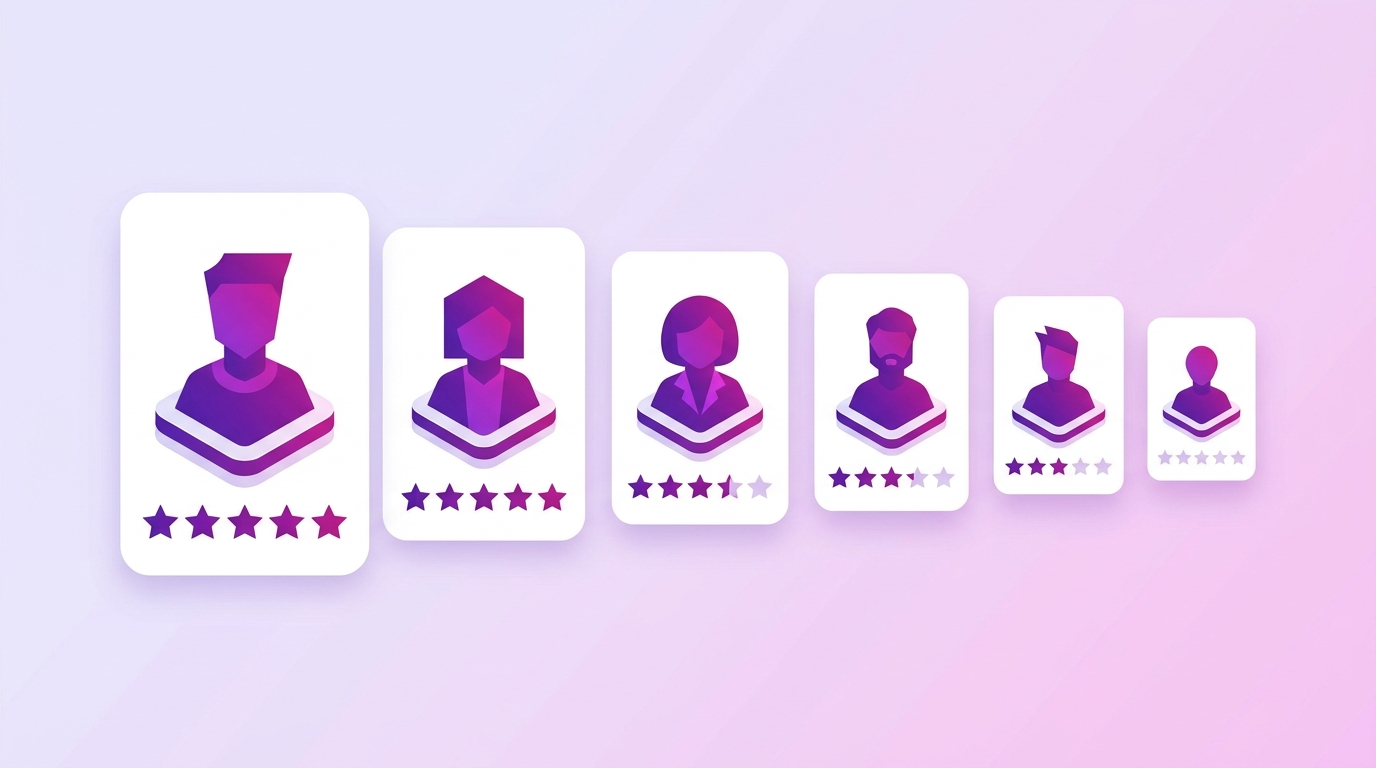
The Shortlist: 6 Platforms Worth Evaluating
Synthesia
xE2x86x92 Broadest language + enterprise controls
140+ stock avatars, 40+ languages, and the most mature enterprise permissions system. Best for teams running dozens of localized campaigns with approval workflows.
HeyGen
xE2x86x92 Fastest iteration speed
Best for same-day turnaround on localized variants. Instant avatar cloning trades some enterprise polish for raw generation speed.
Colossyan
xE2x86x92 Best cost-per-minute at volume
Strong for 50+ short clips rather than a handful of hero ads, with pricing built for training and internal comms use cases.
D-ID
xE2x86x92 Best for photo-to-avatar
Turns a single still photo into a talking avatar xE2x80x94 useful for a founder-led campaign without new footage available.
Hour One
xE2x86x92 Best for regulated industries
Leans into compliance-heavy use cases with conservative avatar options and stronger audit trails.
Elai.io
xE2x86x92 Best for deck/document workflows
Converts existing slide decks directly into multilingual avatar videos xE2x80x94 useful when source material is written, not filmed.
| Platform | Languages | Non-Latin lip-sync | Consent flow | Best for |
|---|---|---|---|---|
| Synthesia | 40+ | Strong | Built-in | Enterprise, brand-controlled |
| HeyGen | 40+ | Strong | Built-in | Speed / same-day |
| Colossyan | 70+ | Moderate | Manual upload | High-volume comms |
| D-ID | 30+ | Moderate | Manual upload | Photo-to-avatar |
| Hour One | 25+ | Strong | Built-in + audit trail | Regulated industries |
| Elai.io | 30+ | Moderate | Manual upload | Deck-to-video |
What Actually Determines Output Quality
Script quality, the language pair, and post-generation editing time matter more than which logo is on the platform. A literal machine translation read by the best avatar still looks worse than a mediocre avatar reading an adapted script.
Teams translate word-for-word and feed it straight into the avatar tool. A native-speaker script pass before generation fixes more quality problems than any platform setting.
Want to see how this fits an existing production pipeline? Workflow
Consent, Likeness Rights, and Legal Exposure
Cloning a real employee, founder, or spokesperson’s face or voice shifts likeness-rights liability onto you. Get written, revocable consent that specifies languages and duration of use before cloning anyone xE2x80x94 including your own CEO.
Pricing Reality Check
Most platforms price on monthly generated-minutes tiers. Entry tiers cover 10-30 minutes for a few hundred dollars; serious campaign volume usually pushes teams to enterprise pricing. Budget separately for the native-speaker review pass xE2x80x94 it’s rarely included and is usually the difference between a campaign that converts and one that gets mocked online.
Multilingual video doesn’t have to mean multiplying your budget
A single source video, produced once, can become a full localized set with the right pipeline.
No credit card required to browse plans
Common Mistakes That Sink Multilingual Campaigns
Choosing an avatar that reads as culturally out of place; ignoring subtitle expectations some markets have even alongside a synced avatar; and testing only in the language the internal team speaks, so nobody catches an error until a customer flags it publicly.
Can AI avatars fully replace human actors in ads?
For explainer and training content, increasingly yes. For brand-hero campaigns, most brands still shoot the original and use AI only for localization.
How many languages should a first multilingual campaign target?
Start with 3-4 markets with existing demand signal, prove the QA process, then scale.
Do these platforms handle right-to-left languages like Arabic well?
Text rendering is solid; lip-sync accuracy in Arabic still trails Romance languages. Always request a demo in your target RTL language first.
Is it cheaper to use AI avatars or hire local voice actors per market?
For 3+ markets, AI tools are almost always cheaper and faster. For one high-stakes market, a dedicated local voice actor can still outperform on nuance.
Key Takeaways
- Lip-sync quality now decides winners, not avatar realism. The gap is phoneme-accurate mouth movement across non-English languages.
- Synthesia and HeyGen lead on language breadth, but Colossyan and Elai.io close the gap on cost-per-minute at volume.
- Voice cloning consent is now a legal requirement in the EU and several US states xE2x80x94 pick a vendor with built-in consent capture.
- Dubbing-first workflows beat avatar-first workflows when localizing existing video, since you keep your original presenter.
- Budget for native-speaker revision rounds. Skipping this is the single biggest cause of embarrassing launches.
How to Deploy AI Avatar Videos for Multilingual Campaigns
Deploying AI avatar video across multiple languages is not just a translation exercise. It is a production pipeline decision that determines how fast your campaign reaches new markets, how consistent your brand voice sounds across languages, and how much human oversight each language version requires before going live. The brands doing this well in 2026 have built a systematic workflow, not an ad-hoc translation process.
The standard multilingual AI avatar workflow: record or generate the source video in your primary language. Submit to the AI dubbing or voice cloning layer — most platforms (HeyGen, Synthesia, ElevenLabs) handle lip sync and voice adaptation simultaneously. Have a native speaker review for accuracy, tone, and cultural appropriateness — not optional for any market where brand credibility matters. Apply region-specific text and caption localisation. Deploy to the appropriate regional platform.
Language Coverage Comparison
Language support claims vary significantly between what platforms advertise and what actually produces broadcast-quality output. Most platforms claim 30+ languages; the subset where lip sync accuracy, voice naturalness, and output quality meet publication standards is typically narrower.
| Platform | Languages claimed | Production-quality | Best regional coverage |
|---|---|---|---|
| HeyGen | 40+ | 25-30 | EN, ES, FR, DE, ZH, JA, KO, PT, AR |
| Synthesia | 140+ | 60-70 | Broadest language catalogue |
| Colossyan | 70+ | 40-50 | EN, EU languages, AR, ZH |
| D-ID | 30+ | 20-25 | EN, EU languages, AR |
| Elai.io | 75+ | 40+ | EN, EU, SE Asian languages |
ROI: AI Avatar vs Traditional Multilingual Production
The ROI case is clear when traditional production costs are costed accurately. A traditionally produced 2-minute spokesperson video costs $2,000-8,000. Localising into 5 languages using human voice actors, dubbing, and regional review adds $1,000-3,000 per language. Total: $7,000-23,000 for one video in 5 languages.
The same video produced with an AI avatar and dubbed into 5 languages costs $200-800 in platform fees plus 5-10 hours of native speaker review. Total: $400-1,500. Brands that have switched to AI avatar production for global campaigns report 80-95% reductions in multilingual video production spend.
How to Choose the Right Platform
- Test your target languages first. Run a test video in your 3 most critical languages on shortlisted platforms before committing. Quality varies significantly by language pair.
- Evaluate lip sync accuracy specifically. This is the most visible quality signal. Request a demo in each target language and assess lip sync on key words, not just overall impression.
- Check voice naturalness per language. A platform that sounds natural in Spanish may sound robotic in Mandarin. Test each language pair independently.
- Factor production volume into pricing. High-volume production (10+ videos per month per language) changes the cost calculation significantly. At scale, HeyGen and Synthesia are typically most cost-effective.
- Assess the human review requirement. Some platforms need 15 minutes of review per video; others need 2 hours. Factor human time into your total cost comparison.
Common Mistakes in Multilingual AI Avatar Campaigns
- Skipping native review entirely. Fully automated multilingual output without any native speaker review consistently produces quality issues that damage brand credibility in the target market.
- Using the same avatar across all markets. A generic avatar with no regional visual cues can feel disconnected in markets where local cultural representation matters. Most platforms offer diverse avatar options — use them intentionally.
- Over-relying on platform language quality claims. Advertised language counts include languages at varying quality tiers. Test before committing to a platform for a specific language market.
- Treating all languages equally in production budget. Major markets (EN, ES, ZH, FR, DE) have better platform support and lower review burden than emerging markets. Budget and review time should reflect this difference.
Producing multilingual video ads for your products? VidAU generates product video ads from any URL with voiceover in multiple languages and platform-ready aspect ratios.
Sources: Platform documentation and public pricing pages for Synthesia, HeyGen, Colossyan, D-ID, Hour One, and Elai.io, as of 2026.