A product image that would have cost $500 to photograph professionally in 2023 costs fifty cents to generate with AI in 2026 — and for most social and ad creative use cases, the visual quality is indistinguishable to the average viewer scrolling a feed at speed. This is not a future state projection. It is happening at scale in marketing operations right now, and the brands that have integrated AI image generation into their production workflow are running creative testing programs that their photography-dependent competitors cannot economically afford to match.
The workflow is not complicated, but it requires specific knowledge of which tools produce which output quality, how to prompt effectively for photorealistic business imagery, and how to maintain brand consistency across AI-generated content at volume. This guide covers all three — plus the specific use cases where AI images genuinely outperform traditional production and the cases where photography still wins.
Generating Photorealistic AI Images for Business Marketing
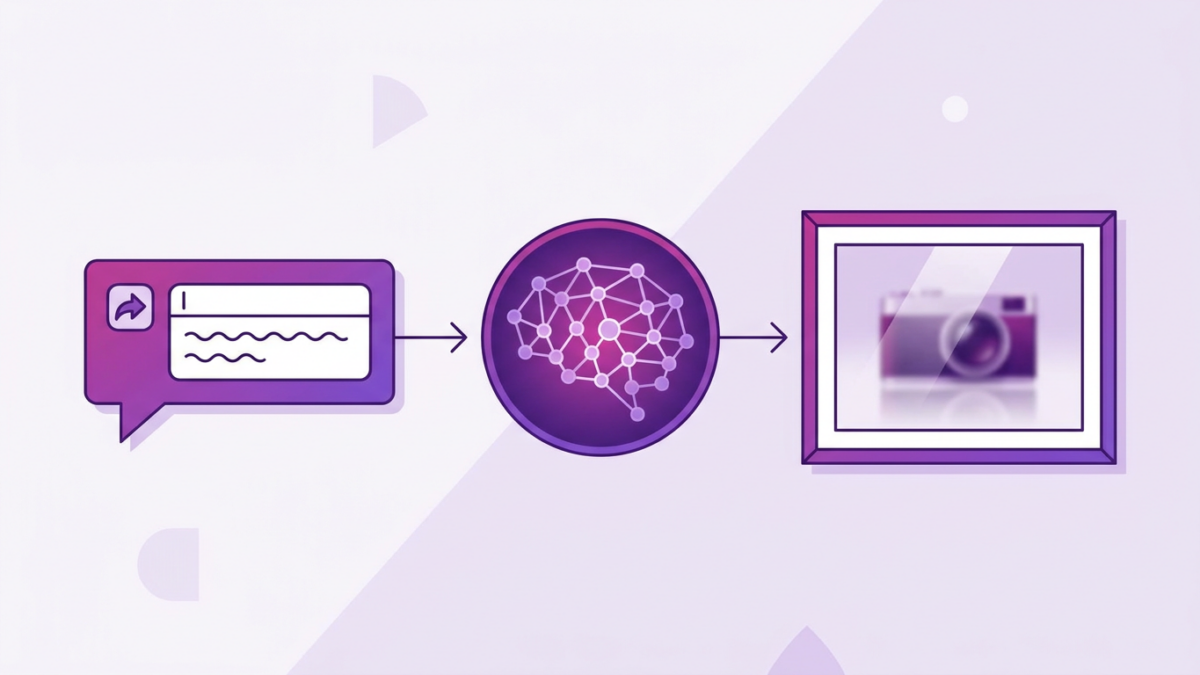
The 2026 workflow: Midjourney or Adobe Firefly for high-quality photorealistic marketing imagery, DALL-E 3 for quick social and blog graphics, Higgsfield for ad creative and video-adjacent still imagery. The prompt formula: subject + setting + lighting style + camera technical terms + output format. Maintain brand consistency through reusable prompt templates and post-production colour grading. Commercial use is cleared on Firefly (fully) and Midjourney paid (permitted). AI images are production-ready for social, ads, email, and blog content at 95-99% lower cost than traditional photography.
Key Takeaways
- →AI image generation is production-ready for social content, ad creative, email imagery, and blog illustration in 2026 at 95-99% lower cost than traditional photography.
- →Adobe Firefly is the only fully commercial-safe option with explicit IP indemnification. Use Firefly for any content where commercial licensing clarity is essential.
- →Photographic technical language in prompts dramatically improves realism: specify lens focal length, lighting type, depth of field, and camera angle.
- →Brand consistency requires prompt templates, not ad-hoc prompting. Build a reusable brand prompt prefix and apply it consistently across all AI image generation.
- →Traditional photography still wins for exact product colour matching, complex physical texture representation, and content where authentic photography has specific trust value.
Best AI Image Tools for Business Marketing by Use Case
Midjourney
Highest quality photorealism
The leading AI image generation tool for visual quality in 2026. Produces the most consistent photorealistic output for lifestyle photography, product in context, and brand imagery. Operates through Discord and a web interface. Permits commercial use for paid subscribers (from $10/month). Best for teams prioritising image quality above all other factors.
Adobe Firefly
Best for commercial safety
The only major AI image platform trained exclusively on licensed content with explicit commercial use rights and IP indemnification included in paid plans. For brands where commercial licensing clarity is non-negotiable, Firefly is the only fully-cleared option. Integrated into Photoshop, Illustrator, and Express for seamless brand workflow integration. From $54.99/month for Creative Cloud access.
DALL-E 3
Most accessible for marketing teams
Available through ChatGPT paid tiers and the OpenAI API. The most accessible option for marketing teams already using ChatGPT for content — image generation in the same interface as copy writing. Image quality is strong for social graphics, blog illustration, and quick ad creative concepts. Commercial use permitted. Less powerful than Midjourney for high-end photorealism but dramatically faster for day-to-day creative needs.
Higgsfield
Best for ad-ready imagery
Purpose-built for marketing and ad creative production with strong photorealism and aspect ratio control for platform-specific output. Particularly strong for lifestyle product shots, person-with-product imagery, and creative concepts that need to look like professional photography. The nano_banana model produces the strongest photorealistic output for ecommerce and ad contexts.
Prompting for Photorealistic Business Marketing Images
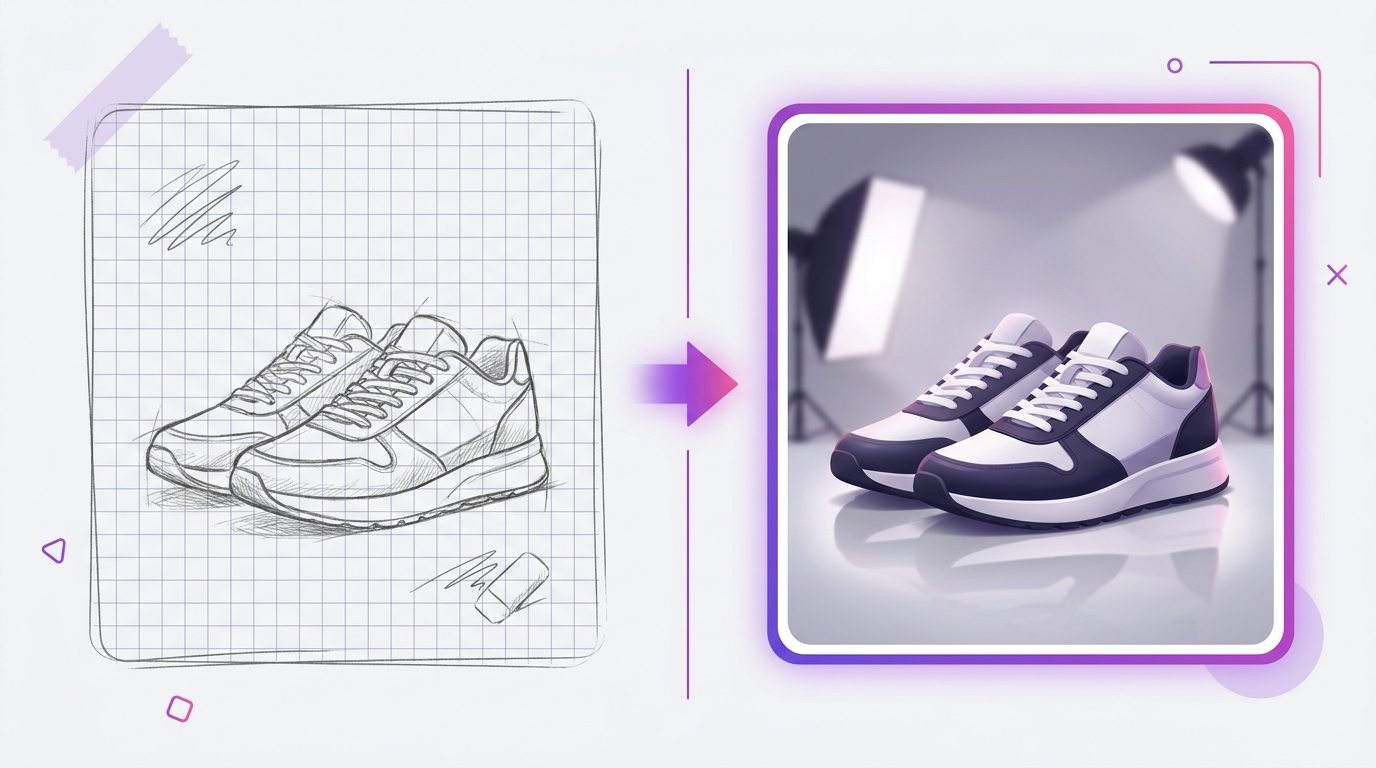
The difference between a generic AI image and a photorealistic marketing-quality image is almost entirely in the prompt. These are the prompt elements that most reliably produce photorealistic output across the major platforms.
[Subject] + [Setting/Context] + [Lighting description] + [Camera/technical terms] + [Style/mood]
Example: Premium skincare serum bottle, minimalist white marble bathroom counter, soft diffused natural window light from the left, 85mm macro lens, shallow depth of field, luxury editorial photography style, photorealistic
Vs generic: skincare product photo
The specific version produces publication-quality output. The generic version produces a generic AI image.
Photographic technical terms that dramatically improve realism across all platforms:
- Lens focal length: 35mm (wide, environmental), 85mm (portrait, product), 100mm macro (detail), 200mm (compressed background)
- Lighting: Golden hour sunlight, studio three-point lighting, soft box diffused, rembrandt lighting, natural window light, harsh direct sunlight
- Camera attributes: shallow depth of field, bokeh background, sharp focus, raw photograph, DSLR quality, medium format
- Composition: rule of thirds, flat lay overhead, 45-degree angle product shot, lifestyle in-context, hero shot clean background
- Final modifiers: photorealistic, hyperdetailed, commercial photography, award-winning photography, Hasselblad, 8K resolution
Maintaining Brand Consistency at Scale
The most common failure mode in AI image generation for marketing is inconsistency — images that look AI-generated from different systems rather than part of a coherent brand visual language. The solution is prompt standardisation, not individual artistry.
Build a brand prompt template. Define the visual language of your brand in prompt format: colour palette direction, lighting style, compositional preferences, background type, and aesthetic mood. This becomes a prefix applied to every AI image generation session. Example brand template prefix: Professional editorial photography in the style of [brand name], warm neutral tones, soft natural lighting, lifestyle context with aspirational but approachable setting, clean backgrounds, depth of field, [product category] featured prominently.
Use reference images where the tool supports them. Midjourney’s –sref parameter and Adobe Firefly’s style reference feature allow you to upload existing on-brand images as visual references. The AI generates new content that matches the visual style of your reference rather than starting from a text description alone. This is the most powerful brand consistency mechanism available in current AI image tools.
Post-production colour grading. Apply a consistent colour grade in Lightroom or Photoshop to all AI-generated images before they go live. A saved preset that pushes images toward your brand colour palette takes 30 seconds per image and dramatically increases visual cohesion across AI-generated content.
Best Marketing Use Cases for AI Images
| Use Case | AI Suitability | Best Tool | Cost vs Traditional |
|---|---|---|---|
| Social media lifestyle content | Excellent | Midjourney, Higgsfield | 95% lower |
| Ad creative variant testing | Excellent | DALL-E 3, Higgsfield | 97% lower |
| Blog and article illustration | Excellent | DALL-E 3, Firefly | 99% lower |
| Email marketing imagery | Excellent | Firefly, DALL-E 3 | 95% lower |
| Landing page hero images | Very good | Midjourney | 85% lower |
| Product hero photography | Good for most | Midjourney, Firefly | 80% lower |
| Exact colour-match product shots | Limited | Traditional photography | Traditional |
| Packaging physical texture shots | Limited | Traditional photography | Traditional |
Commercial Licensing: What You Need to Know
- Adobe Firefly: Fully commercial-safe. Trained on licensed content, IP indemnification included on paid plans. The only fully-cleared option for enterprise brands with strict legal requirements.
- Midjourney (paid plans): Commercial use permitted under Terms of Service for Basic, Standard, Pro, and Mega plans. Free plan users cannot use images commercially.
- DALL-E 3 via OpenAI: Commercial use permitted. OpenAI Terms of Service grants users rights to use outputs commercially including for advertising and marketing.
- Stable Diffusion (open source): No commercial restrictions from the model itself. Restrictions may apply from fine-tuned models or platform-specific deployment terms.
- Higgsfield: Commercial use permitted on paid plans. Verify current terms for specific deployment contexts.
Where Traditional Photography Still Wins
- Exact product colour accuracy. AI image generators cannot reproduce a specific Pantone colour from a real product consistently. For products where colour accuracy is a purchase driver — fashion, paint, cosmetics — traditional photography remains the standard.
- Complex physical texture representation. The tactile quality of leather, the weave of premium fabric, the translucency of glass — AI images approximate these textures effectively but do not match the authentic detail of high-quality macro photography for hero product imagery.
- Real person endorsement and authenticity. Content where authentic photography has specific trust value — real customer testimonials, real founder stories, real team imagery — loses credibility when substituted with AI generation.
- Content requiring specific licensed intellectual property. AI cannot generate images of real branded products, real locations with identifying marks, or real people. For these content types, photography or licensed stock remain the only options.
Need photorealistic marketing images generated and formatted for your campaigns? VidAU’s video generation includes still frame and product imagery optimised for ad platforms.
Frequently Asked Questions
What is the best AI image generator for business marketing?
Midjourney for highest-quality photorealistic output (from $10/month, paid commercial use permitted). Adobe Firefly for fully commercial-safe images with IP indemnification (Creative Cloud subscription). DALL-E 3 for most accessible integration with existing ChatGPT workflows. Higgsfield for ad-ready ecommerce and lifestyle imagery. The right tool depends on your use case and commercial licensing requirements.
Can AI-generated images be used commercially in marketing?
Yes on paid plans for Midjourney, DALL-E 3, Higgsfield, and most Stable Diffusion deployments. Adobe Firefly is the only platform with explicit IP indemnification and is fully commercial-safe by design. Always verify the specific platform’s terms for your use case before publishing commercial marketing materials.
How do you generate photorealistic images with AI?
Prompt formula: subject + setting + lighting description + camera technical terms + style. Use photographic language: 85mm lens, shallow depth of field, studio three-point lighting, RAW photograph, commercial product photography style. Expect 3-5 prompt iterations to reach publication quality. Use reference images where the tool supports them for stronger consistency with existing brand visual language.
How much do AI images cost versus traditional photography?
AI image generation costs $0.002-0.10 per image. Traditional product photography costs $500-5,000 per day plus $100-500 retouching per image. For social content, ad creative testing, and email imagery, AI generation is 95-99% cheaper at comparable visual quality. For hero product imagery requiring exact colour accuracy or physical texture detail, traditional photography still justifies the higher cost.
How do you keep AI images on-brand?
Three mechanisms: a reusable brand prompt template that specifies your visual language as a consistent prefix on every generation session, style reference images uploaded to tools that support them (Midjourney –sref, Firefly style references), and post-production colour grading using a saved Lightroom or Photoshop preset that applies your brand colour values. Brand prompt templates are the most important — document them as thoroughly as your traditional brand guidelines.
Final Verdict — AI Images for Business Marketing 2026
- →Production-ready for most marketing use cases at 95-99% lower cost than traditional photography. Social content, ad creative, email, and blog illustration are all cleared for AI.
- →Adobe Firefly for commercial safety. Midjourney for maximum quality. DALL-E 3 for accessibility. Higgsfield for ad-ready output.
- →Prompt quality determines image quality. Photographic technical language in prompts is the single biggest quality multiplier.
- →Brand consistency requires prompt templates, not individual prompting. Build and document your brand visual language in prompt format.
From AI Images to Complete Video Ads
VidAU combines AI imagery with video generation, voiceover, and platform formatting — the complete creative production workflow for ecommerce marketing teams.
No credit card required · From $9.99/month
Best AI Video Generators 2026Tested and ranked
UGC Ads 2026The creative war guide
Ecommerce Video Ads 2026Creative velocity guide
Sources: Midjourney commercial terms documentation 2026 · Adobe Firefly commercial licensing documentation 2026 · OpenAI usage policies 2026 · Higgsfield platform documentation 2026 · Professional photography day rate industry benchmarks 2026.