


“AI agent” has been used loosely enough that it’s worth being precise about what actually distinguishes one from the chatbots and automation workflows marketing teams have used for years. The difference isn’t marginal, and it’s the reason agents are spreading into marketing operations faster than most new tool categories typically do.
What an AI Marketing Agent Actually Is
An AI marketing agent is a system that can take a goal, break it into steps, choose which tools or actions to use for each step, and adjust based on what it observes xE2x80x94 within a scope a human defines. This is different from automation, which follows a fixed sequence regardless of context, and different from a chatbot, which responds to a single prompt without ongoing task execution. An agent monitoring ad performance and pausing underperforming creative is making a judgment call within its scope; a workflow that pauses any ad below a fixed CPA threshold is automation, not an agent.
Agent vs. Automation vs. Chatbot
The three categories are easy to confuse because they can look similar from the outside xE2x80x94 all three might send a message or take an action without a human clicking a button in the moment. The actual distinction is where judgment lives: automation has none (it follows the rule exactly as written), a chatbot has judgment only within a single conversational turn, and an agent has judgment across a multi-step task, choosing what to do next based on what it observes.
| System | Judgment scope | Example |
|---|---|---|
| Automation | None xE2x80x94 fixed rule | Pause any ad below a set CPA threshold |
| Chatbot | Single conversational turn | Answer a customer question in one exchange |
| AI agent | Multi-step, adaptive | Monitor, diagnose, and act on underperforming creative over time |
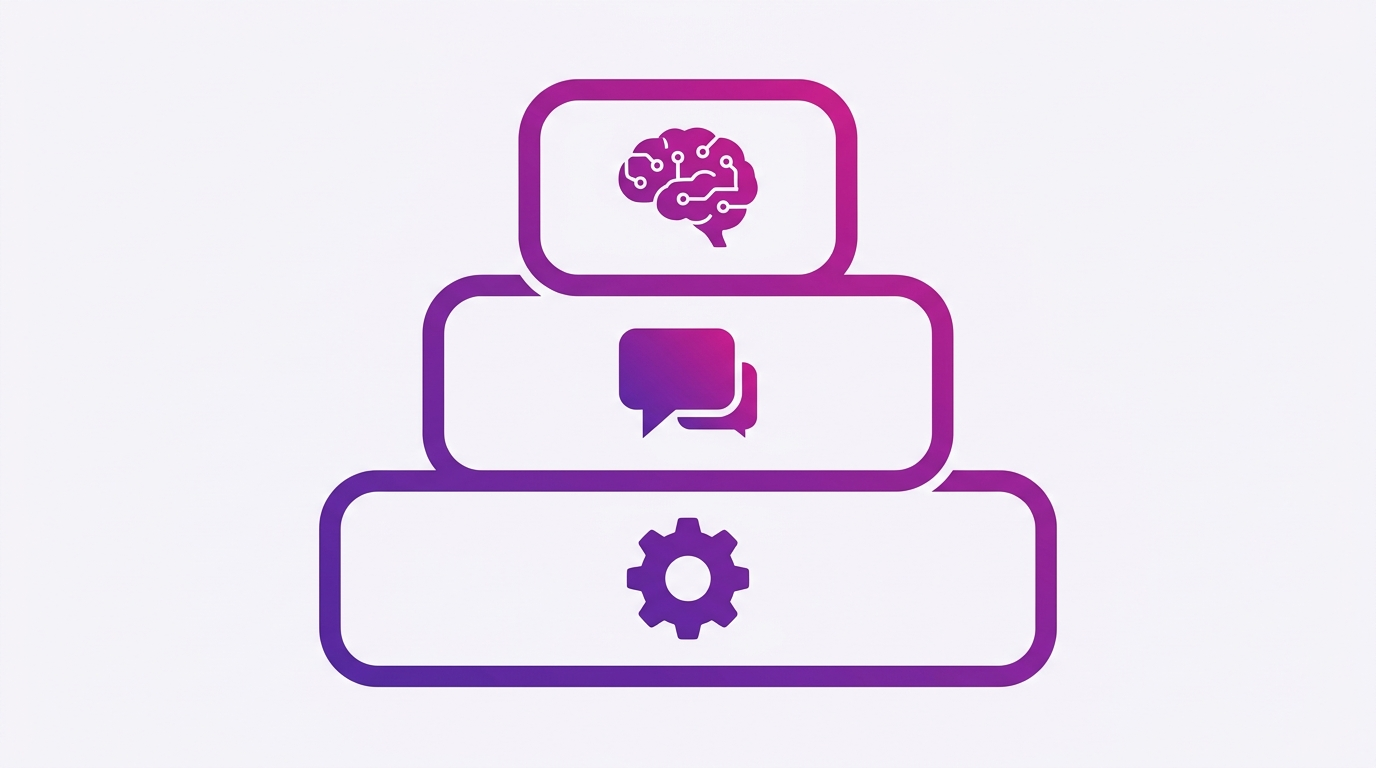
Where Agents Are Actually Working Right Now
Creative performance monitoring
xE2x86x92 Lowest risk, high value
Continuously monitoring ad creative performance, flagging underperformers for human review rather than pausing them autonomously.
Content refresh detection
xE2x86x92 Mechanical, well-scoped
Identifying published content that’s gone stale (outdated stats, broken competitive comparisons) and drafting a refresh for review.
Campaign brief assembly
xE2x86x92 Speeds up setup, not execution
Pulling together the components of a campaign brief from prior performance data and current goals, for a human to review and approve before launch.
Giving an agent open-ended control over ad spend or customer-facing messaging without a review step. The judgment an agent exercises is only as good as the boundaries it was given, and undertested boundaries fail in ways that are expensive to notice late.
Want to see agent workflows for video creative? Agents
Why the Q4 2026 Timeline Matters
The urgency isn’t that agents are about to become mandatory xE2x80x94 it’s that the teams running one, even a narrow one, are building institutional experience with agent design, scoping, and failure modes that takes real time to develop. Teams starting from zero in early 2027 will be learning the same lessons a full cycle behind teams that started narrow in 2026, and the competitive gap in execution speed compounds from there.

How to Scope a First Agent
Pick a task that’s currently manual, low-risk if the agent gets it wrong, and has a clear success signal you can measure. Define exactly what actions the agent can take on its own versus what requires human approval, test it against historical data before letting it touch anything live, and review its decisions closely for the first several weeks before expanding scope.
The gap between agents and automation is where the real value sits
Start narrow, build trust in the agent’s judgment, then expand scope deliberately.
Video production tools built for fast-moving teams
How is an AI marketing agent different from marketing automation?
Automation follows a fixed, pre-defined workflow. An agent makes decisions within a scope you define, based on context rather than a static rule.
Is it safe to let an AI agent make marketing decisions autonomously?
Within a tightly scoped, well-tested boundary, yes. Full autonomy on customer-facing or budget decisions is still a risk to avoid.
What’s a realistic first agent to deploy?
A narrow, low-risk task like flagging underperforming ad creative for review, not a broad agent with open-ended control.
Key Takeaways
- Judgment scope is what separates an agent from automation and chatbots xE2x80x94 multi-step, adaptive decision-making within defined bounds.
- Narrow, low-risk first deployments outperform ambitious ones xE2x80x94 they build trust and institutional experience faster.
- Creative monitoring, content refresh detection, and brief assembly are where agents are proving out right now.
- Open-ended autonomy on spend or messaging remains the biggest risk xE2x80x94 keep a human review step on anything high-stakes.
- The urgency is institutional learning time, not agent adoption itself becoming mandatory by a specific date.
Sources: Agentic AI industry frameworks and marketing technology adoption reports, as of 2026.