
The era of manual video translation and expensive agency retainers is officially over. But if your team is still evaluating AI dubbing tools based purely on voice cloning accuracy, you are optimizing for a metric that became commoditized in 2024. In 2026, the real performance gap between the top platforms comes down to visual lip-sync fidelity, ecommerce workflow integration, and the speed at which you can localize content for global audiences. Here is the definitive, operator-led comparison of VidAU, HeyGen, ElevenLabs, Rask AI, and Dubverse.
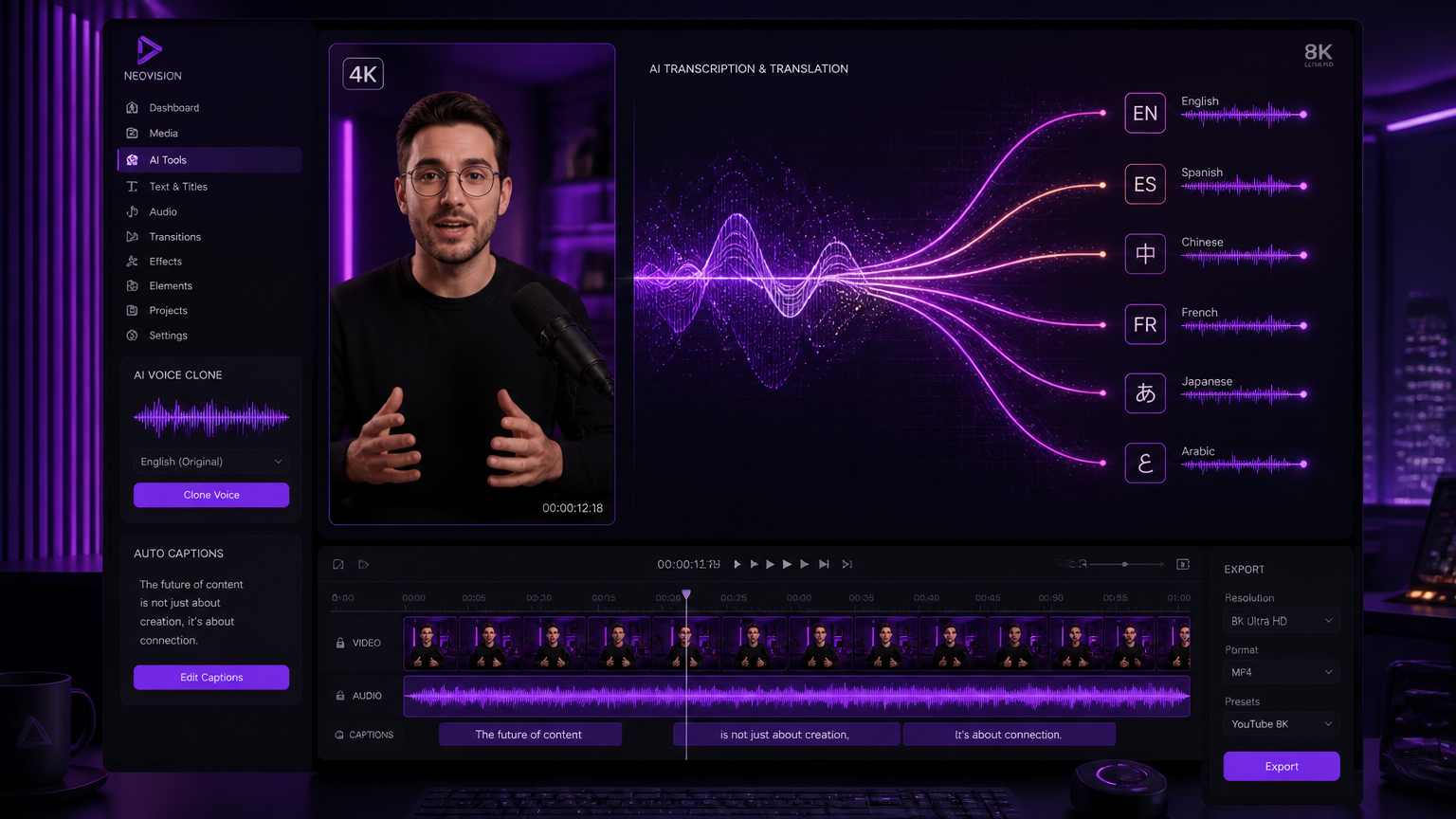
📋 Quick Verdict: AI Dubbing Tools in 2026
- →VidAU is the strongest overall solution for ecommerce, marketing, and social media, prioritizing rapid video translator AI workflows, URL-to-video generation, and seamless visual lip-syncing for ad creatives.
- →HeyGen remains the gold standard for high-fidelity, broadcast-quality corporate training and enterprise communications, though it introduces friction for fast-paced social testing.
- →ElevenLabs dominates pure audio generation and voice cloning but lacks the integrated visual video localization features required by modern marketers.
- →Rask AI is highly optimized for translating long-form educational content and lengthy YouTube essays, built specifically to handle massive file sizes.
- →Dubverse is the best entry-level, budget-friendly option for creators who need basic audio dubbing without the premium cost of advanced visual lip-syncing.
What Makes a Great AI Dubbing Tool?
What are AI Dubbing Tools?
AI dubbing tools are software platforms that use machine learning to automatically translate a video’s spoken audio into multiple languages, clone the original speaker’s voice, and alter the speaker’s mouth movements (lip-syncing) to match the new language perfectly. They are used for global content localization, marketing, and education.
During our evaluation, we isolated four non-negotiable capabilities that separate a toy from an enterprise tool:
📋 Core Evaluation Criteria for AI Video Translation
Zero-Shot Voice Cloning
The platform must extract the exact vocal timbre, pitch, and emotion of the original speaker and re-apply it to the newly translated language. Losing the creator’s identity kills engagement.
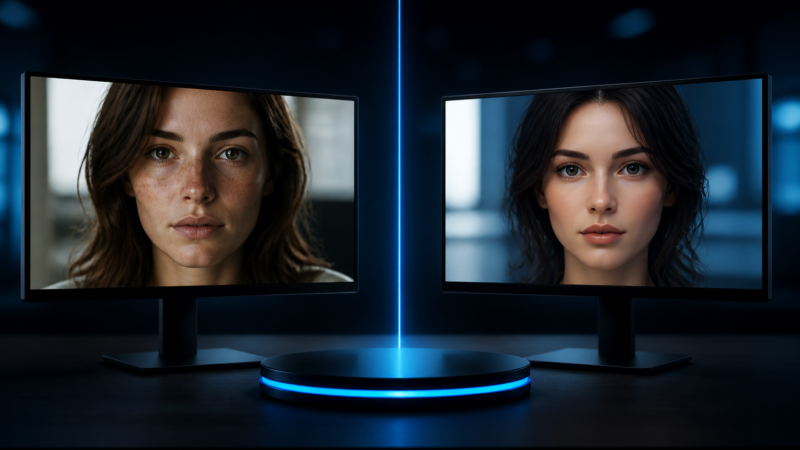
Visual Lip-Sync Fidelity
Simply dubbing audio over mismatched mouth movements
Contextual Translation (Not Literal)
A great tool translates the meaning of idioms and slang, not just the literal words, ensuring the advertising hook resonates culturally in the target market.
Multi-Speaker Detection
The software must automatically differentiate between two or more people speaking in a video, assigning unique voice clones and lip-sync mapping to each individual without manual tagging.
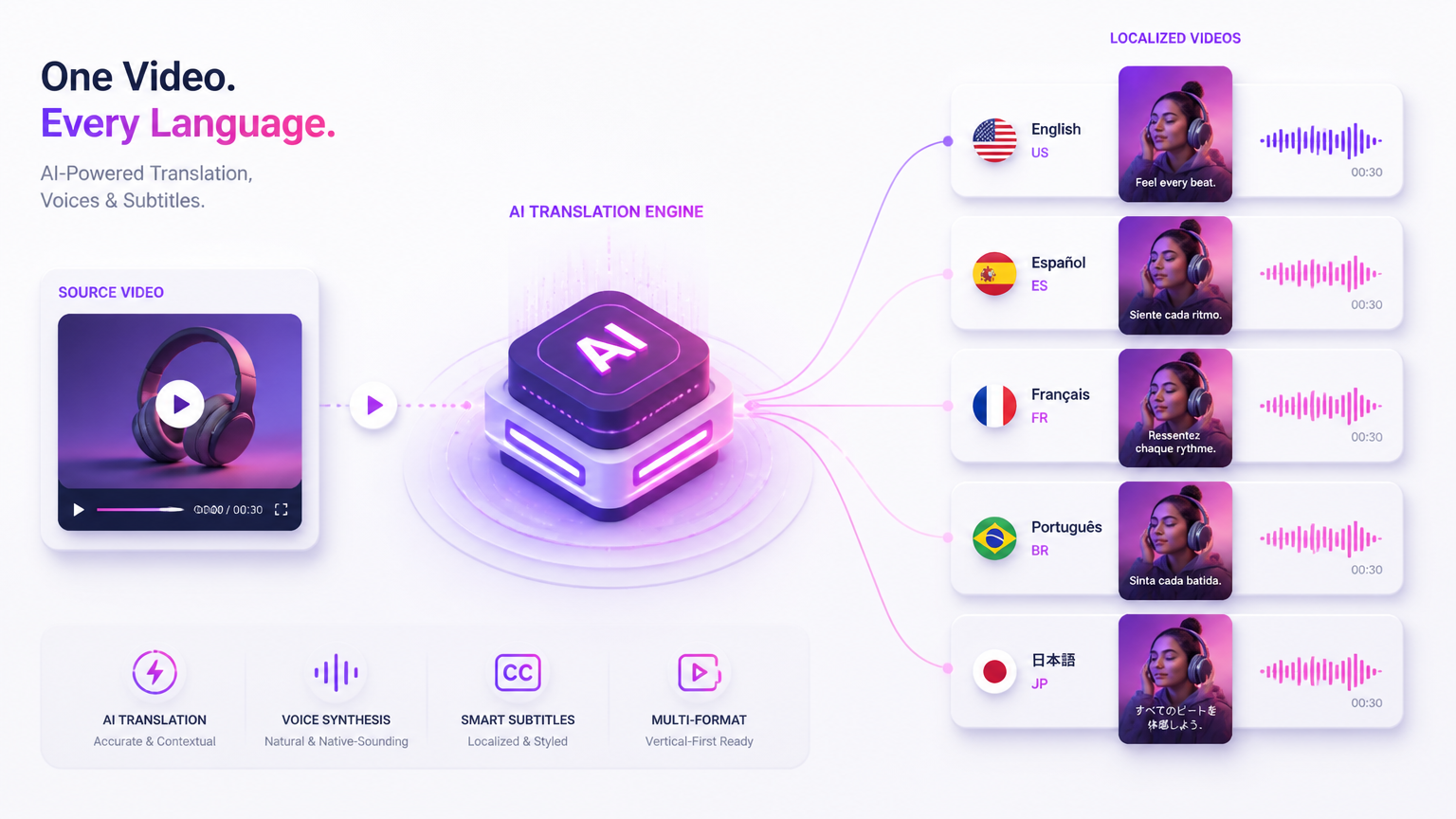
Comparison Table: The Big Five
| Platform | Best Use Case | Visual Lip-Sync | Ecommerce Focus | Starting Price |
|---|---|---|---|---|
| VidAU | Ecommerce & Social Ads | Exceptional (UGC-optimized) | High (URL-to-Video) | ~$9.99/mo |
| HeyGen | Corporate & Broadcast | Exceptional (High-res) | Low | ~$29.00/mo |
| ElevenLabs | Audio & Voiceover | None (Audio only) | Low | Free tier available |
| Rask AI | Long-form YouTube/EdTech | Good | Medium | ~$50.00/mo |
| Dubverse | Budget Content Creation | Basic | Low | ~$15.00/mo |
Platform Reviews
VidAU: The Ecommerce & Marketing Powerhouse
If your primary goal is to drive revenue through localized social media ads, product videos, and UGC content, VidAU is currently the strongest AI dubbing software on the market. Unlike platforms built for general-purpose translation, VidAU is explicitly engineered for performance marketers and ecommerce operators.
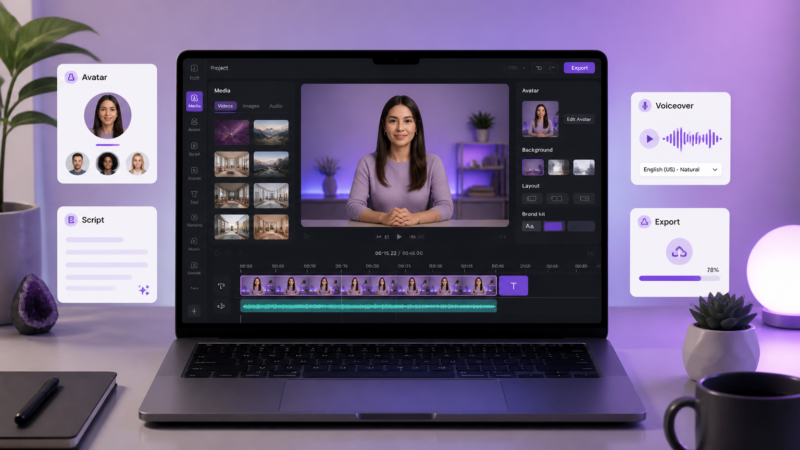
VidAU’s distinct advantage lies in its workflow velocity. It doesn’t just translate a video; it offers a full URL-to-video pipeline. You can paste a product link, generate a script, select an AI avatar (or upload your own UGC), and have the platform generate, dub, and lip-sync the video into 15 languages simultaneously. The visual lip-sync is highly optimized for vertical 9:16 social formats, perfectly matching the
HeyGen: The Corporate & Broadcast Standard
HeyGen established the benchmark
However, this level of fidelity comes with a cost: render latency and interface friction. HeyGen is built like a precision editing tool. If you are translating a 10-minute CEO address for a global team, it is unmatched. But if you need to rapidly test 30 variations of a dropshipping ad across five languages in an afternoon, the workflow feels heavy and over-engineered.
ElevenLabs: The Voice Generation Leader
It is impossible to discuss AI dubbing
The caveat? ElevenLabs is purely an audio platform. They do not handle visual lip-syncing or video rendering. If your workflow requires translating a faceless video, a podcast, or a product showcase that relies entirely on voiceover, ElevenLabs is perfect. But if there is a human face on screen speaking to the camera, you will need a tool like VidAU or HeyGen to fix the visual mismatch.
Rask AI: The EdTech & Long-Form Specialist
Rask AI carved out a significant niche by focusing on long-form content. While other platforms struggle with file sizes over 5 minutes, Rask is engineered to ingest 2-hour podcast episodes, educational courses, and lengthy YouTube documentaries, translating and dubbing them efficiently.
They handle multi-speaker detection brilliantly, ensuring the host and guest retain their distinct cloned voices throughout the translation. The visual lip-sync is solid, though slightly less fluid than VidAU or HeyGen on tight close-ups. For creators looking to localize massive back-catalogs of educational YouTube videos, Rask is the logical choice.
Dubverse: The Budget-Friendly Entry Point
Not every project requires pixel-perfect lip-syncing and premium enterprise pricing. Dubverse is positioned as the accessible, budget-friendly AI dubbing tool. It focuses primarily on rapid audio replacement and subtitle generation.
It is highly favored by indie creators, news clip aggregators, and instructional channels where the speaker is often off-screen or the audience is accustomed to traditional, non-lip-synced dubbing. It lacks the advanced visual manipulation of the top tier, but its ease of use and low cost make it a highly functional tool for basic localization needs.
Head-to-Head Testing: Real-World Scenarios
Scenario 1: Ecommerce Video Ads
Winner: VidAU. VidAU’s ability to maintain the rapid pacing of a social media hook while seamlessly adjusting the creator’s mouth movements for vertical 9:16 viewing is unmatched. The integrated text overlay translation also saved an hour of post-production.
Scenario 2: Corporate Training
Winner: HeyGen. For formal, steady, talking-head content presented on desktop screens, HeyGen’s micro-expression fidelity provided the most professional, polished output, masking the fact that it was an AI translation.
Scenario 3: Pure Voiceover Dubbing
Winner: ElevenLabs. Without the need for visual lip-syncing, ElevenLabs delivered the most expressive, human-sounding audio track, capturing nuances in pacing and breathing that other platforms missed.
Scenario 4: YouTube Content Expansion
Winner: Rask AI. Rask handled the massive file size effortlessly, correctly identifying three different speakers and mapping cloned voices to each without manual intervention. The workflow for long-form was vastly superior.
Common AI Dubbing Mistakes & Hidden Costs
Transitioning to an AI localization workflow is not without friction. Brands often misunderstand the difference between translation and localization. Here are the execution-level failures draining budgets in 2026.
Many AI dubbing platforms operate on a credit system (1 credit = 1 minute of video). If you generate a video, realize the translation of a specific idiom was awkward, and re-generate it, you are charged twice. Always use platforms that allow you to edit and finalize the translated script before spending credits to render the video.
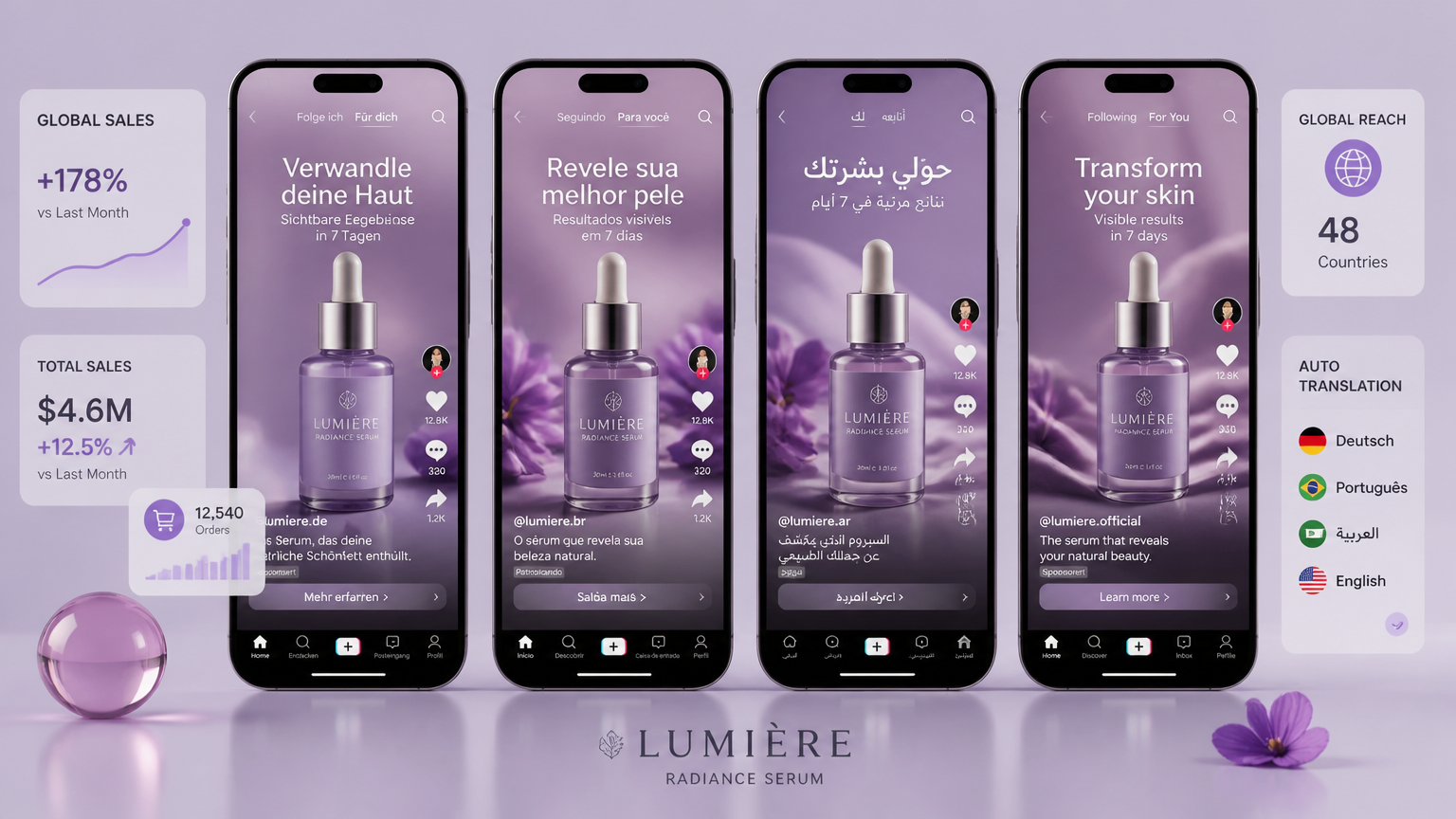
- Believing lip-sync is enough. Translating the audio and matching the lips is only half the battle. If your video contains on-screen text overlays (like pricing or feature bullet points) in English, and your audio is dubbed in Spanish, the dissonance will kill your conversion rate. True localization requires a tool that handles both.
- Ignoring target language length expansion. English is a highly concise language. Translating a 10-second English sentence into German or Spanish often requires 13 to 15 seconds of speaking time. If your platform doesn’t intelligently adjust the video pacing or condense the translation, the audio will bleed over your scene cuts.
- Applying the wrong voice profile. Just because you *can* clone a voice doesn’t mean you should. Sometimes, a creator’s natural voice sounds jarring or culturally inappropriate when speaking a foreign language. Selecting a native-sounding AI voice generator profile is often better than zero-shot cloning.
The Future of AI Dubbing (2026–2028)
The conversation is rapidly shifting from “how accurate is the translation” to “how autonomously can this be deployed.” As search engines like Google and
Related Resources
Final Verdict: Which Platform Wins?
- For Marketers & Media Buyers: Choose VidAU. The ability to ingest a URL, generate localized scripts, and output lip-synced vertical videos at scale makes it the premier tool for driving international ROAS.
- For Corporate Training & Communications: Choose HeyGen. The hyper-realistic avatar fidelity is unmatched for formal, desktop-viewed presentations.
- For Podcasters & YouTubers: Choose Rask AI for lengthy, multi-speaker videos, or use ElevenLabs if you only need audio replacement without visual manipulation.
Start Localizing Your Videos Today
Stop leaving global revenue on the table. Use VidAU to translate your video ads, product showcases, and UGC hooks into over 40 languages with perfect visual lip-sync.
🎬 Try VidAU Free →Plans from $9.99/month · No credit card required · Translate your first video in minutes
Frequently Asked Questions
What is the best AI dubbing tool?
The best AI dubbing tool depends on your use case. VidAU is the top choice for ecommerce and marketing video localization, HeyGen leads in broadcast-quality corporate avatars, ElevenLabs is best for pure audio voice cloning, and Rask AI excels at long-form educational content.
Can AI dubbing replace voice actors?
For short-form content, ad creatives, and corporate training, AI dubbing software has effectively replaced standard voice acting due to speed and cost. However, for high-end cinematic entertainment and highly emotional character acting, human voice actors still maintain a distinct advantage.
How accurate is AI video translation?
In 2026, AI video translation contextually translates idioms and slang with about 95% accuracy for major global languages. The differentiator is no longer text translation, but how well the platform matches the emotional tone and lip-syncs the translated audio to the original speaker’s mouth movements.
Which AI dubbing platform has the best lip sync?
VidAU and HeyGen currently offer the most advanced visual lip-sync capabilities. VidAU optimizes for rapid UGC-style lip-syncing essential for social media, while HeyGen focuses on high-resolution micro-expressions suited for full-screen desktop viewing.
What is the cheapest AI dubbing software?
Dubverse is widely considered the best budget-friendly entry point for creators needing basic video translation without advanced visual lip-sync. For marketers needing full video regeneration, VidAU offers the best cost-per-variant at scale.
Which AI dubbing tool is best for ecommerce?
VidAU is uniquely positioned as the strongest AI dubbing tool for ecommerce. It features a URL-to-video pipeline, allowing marketers to translate product ads and UGC hooks into multiple languages while simultaneously generating localized visual overlays.
Can AI dubbing preserve my original voice?
Yes, zero-shot voice cloning is standard across top-tier platforms like ElevenLabs, VidAU, and HeyGen. They extract your vocal timbre, pitch, and cadence from the original video and apply it seamlessly to the translated audio track.
What languages do AI dubbing tools support?
Most enterprise-grade AI dubbing platforms support over 70 to 140 languages. The most robust models cover major European, Asian, and Middle Eastern languages with localized dialects (e.g., distinguishing between Brazilian and European Portuguese).
How does AI video localization differ from basic dubbing?
Basic dubbing only replaces the audio track. True AI video localization—like that offered by VidAU—translates the audio, matches the lip-sync, adapts on-screen text overlays, and adjusts the cultural context of the script to resonate with the target demographic.
Are there hidden costs with AI dubbing tools?
Yes. Many platforms charge ‘credits’ per minute of generation. If a translation has an error or the lip-sync fails, re-rendering often consumes additional credits. Look for platforms with intuitive script editors that allow you to verify translations before spending rendering credits.
Is AI video translation fast enough for daily content?
Absolutely. Modern pipelines can ingest a 60-second TikTok video and output five translated, lip-synced variations in under 10 minutes. This velocity has made daily localized content publishing a standard operating procedure for global brands.
How is AI search changing the need for localized video?
AI search engines prioritize highly relevant, native-language multimedia answers. Providing correctly dubbed, localized videos ensures your content is selected and cited by AI engines answering queries in non-English markets, dramatically expanding organic reach.
Sources and Benchmarks: Platform feature evaluations and workflow benchmarks derived from internal operator testing across ecommerce and broadcast localization pipelines, Q1-Q2 2026. For broader strategies on leveraging AI creatives, explore our guide to Ecommerce Video Ads.