


Every content marketing agency now claims to use AI. That claim has stopped being a differentiator and started being table stakes xE2x80x94 which means the actual gap between a top-tier agency and a mediocre one has moved somewhere else entirely. It’s not whether they use AI. It’s whether they’ve built a real editorial process around it, or just replaced a junior writer with a prompt and shipped the output unchanged.
This matters more than it might seem, because the failure mode is expensive and slow to notice. Content that reads fine on a skim but says nothing specific, that ranks initially and then fades as competitors publish something genuinely better, that a client’s own audience quietly stops engaging with xE2x80x94 all show up months after the invoices are paid, not before.
What “Top 1%” Actually Means Here
The top-tier content marketing agencies in 2026 share one trait more than any other: a defined, visible editorial process that sits between AI drafting and publication xE2x80x94 real subject-matter review, original data or examples added by a human, and a documented reason for every piece that gets published rather than killed. The bottom of the market has the same AI tools. What’s missing is the process wrapped around them.
The One Question That Filters Fast
Ask any agency you’re evaluating for one real example of a piece they killed or substantially rewrote after AI drafted it, and why. Agencies with genuine editorial process have an answer immediately xE2x80x94 usually a specific story about a draft that was factually thin, generically positioned, or missed the actual audience need. Agencies that don’t have a ready answer are telling you, indirectly, that very little gets killed.
| Signal | Top-tier agency | Bottom-of-market agency |
|---|---|---|
| AI role in production | First draft, heavily edited | First draft, lightly edited or unchanged |
| Original data/examples | Added by a human researcher | Rarely present |
| Pricing model | Outcome or strategy-based | Word count or volume-based |
| Process transparency | Documented and shown to clients | Vague or undisclosed |
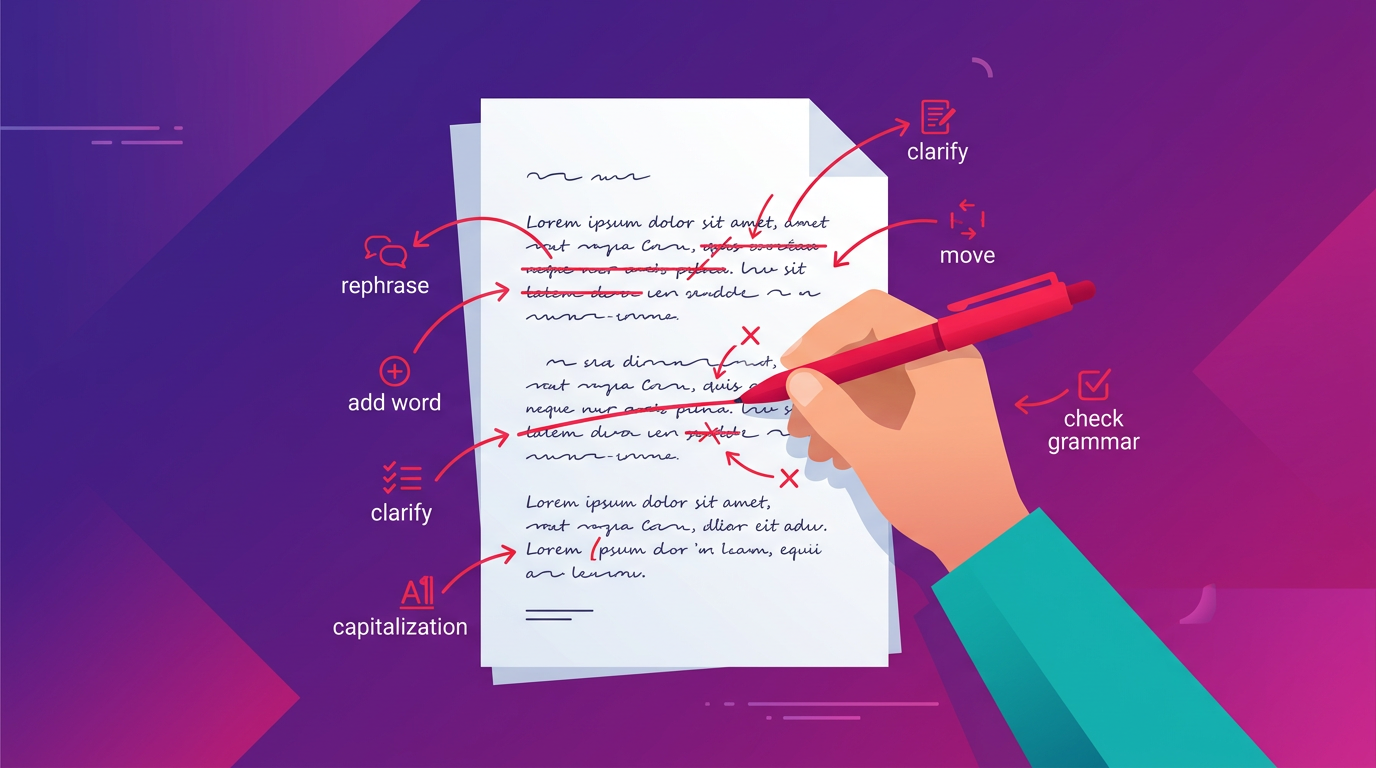
What the Best Agencies Actually Do Differently
Real subject-matter review
xE2x86x92 Not just a proofread
Someone who actually knows the topic reviews AI drafts for accuracy and depth, not just grammar and tone xE2x80x94 catching the confident-but-wrong claims AI tends to produce.
Original data and examples
xE2x86x92 The genuine differentiator
Real screenshots, real client data (anonymized), original small surveys xE2x80x94 the specifics that make a piece impossible for a competitor to simply replicate with the same AI tools.
Willingness to kill drafts
xE2x86x92 Rare and valuable
Publishing less, but only what clears a real quality bar, beats publishing everything AI produces and hoping volume compensates for thinness.
An agency that can’t or won’t explain its production process when asked directly. This applies regardless of whether AI is involved xE2x80x94 opacity about how content actually gets made is the underlying warning sign, not AI use itself.
Need video content to pair with your content strategy? Content
How Pricing Actually Breaks Down Now
Entry-level content production xE2x80x94 blog posts with light editorial oversight xE2x80x94 has gotten meaningfully cheaper as AI compressed the drafting cost. Strategic, outcome-driven retainers at the top of the market haven’t followed that curve down, because the value being paid for was never really the words themselves; it was the judgment about what to say, what to cut, and what original material to add. That judgment layer costs what it always cost.

Evaluating an Agency Before You Sign
Beyond the kill-example question, ask to see two pieces on the same general topic from different points in their client roster, and compare how differentiated they actually are from each other. Agencies leaning too heavily on unedited AI output tend to produce content that reads similarly regardless of client or industry xE2x80x94 the structure, transitions, and even sentence rhythm start to feel interchangeable. Genuine editorial process produces content that sounds like it came from different companies, because it actually reflects each client’s real specifics.
AI use is table stakes now xE2x80x94 editorial judgment is the actual differentiator
The agencies worth paying for are the ones that can show you exactly where the human judgment sits in their process.
Video production tools built for real editorial workflows
How much should a content marketing agency retainer cost in 2026?
Ranges vary widely, but AI-assisted production has compressed low-end pricing while top-tier strategic retainers remain priced on outcomes, not output volume.
Should an agency’s AI use be disclosed to clients?
Yes. An agency that won’t explain its production process is a red flag independent of whether AI is involved.
What’s the fastest way to evaluate an agency before signing?
Ask for one real example of content they killed or substantially rewrote after AI drafted it, and why.
Key Takeaways
- AI use is table stakes, not a differentiator xE2x80x94 the real gap is the editorial process wrapped around it.
- The kill-example question filters agencies fast xE2x80x94 real editorial judgment always has a ready answer.
- Original data and examples remain the genuine differentiator that competitors can’t simply replicate with the same tools.
- Pricing has bifurcated, not compressed uniformly xE2x80x94 entry-level got cheaper, top-tier strategic work held its price.
- Compare content across an agency’s client roster xE2x80x94 genuine differentiation between clients is a strong quality signal.
Sources: Agency pricing benchmarks and content marketing industry reports, as of 2026.