


By the time a competitor’s pricing change, messaging pivot, or new ad angle shows up in a quarterly competitive review, it’s usually already had weeks to work. Digital market intelligence in 2026 is less about better analysis and more about shrinking that lag xE2x80x94 catching a shift the week it happens instead of the quarter it gets reported. AI monitoring tools have made continuous tracking cheap enough that this is now realistic for small marketing teams, not just enterprises with dedicated competitive intelligence analysts.
What Counts as Digital Market Intelligence Now
Digital market intelligence is continuous, AI-assisted monitoring of a defined set of competitors and market signals xE2x80x94 pricing pages, ad creative libraries, job postings, review sentiment, search ranking shifts xE2x80x94 that surfaces changes as alerts rather than requiring someone to manually check each source on a schedule. The distinction from traditional competitive analysis is continuity: intelligence that arrives as it happens, not as a periodic snapshot.
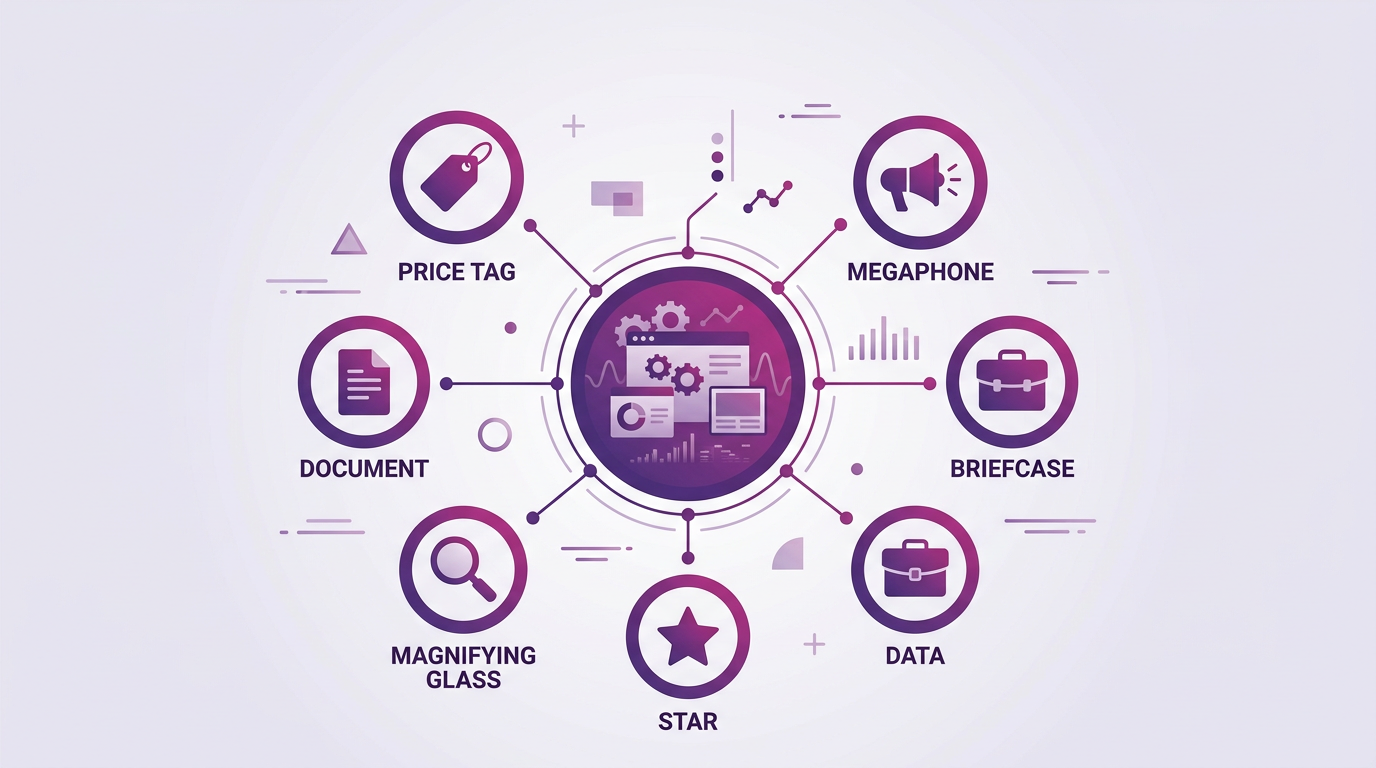
The Six Signals Worth Tracking
Not every possible data point is worth monitoring xE2x80x94 signal overload is as much a problem as signal absence. Six categories consistently produce actionable intelligence: pricing and packaging page changes, public ad creative libraries (Meta Ad Library, Google Ads Transparency), job postings (a hiring surge in a specific role often precedes a strategic shift), review sentiment trends, organic search ranking movement on shared target keywords, and product changelog or release note activity.
| Signal | What it reveals | Lead time |
|---|---|---|
| Pricing/packaging changes | Positioning shifts, margin pressure | Immediate |
| Ad creative library activity | New campaign angles, budget shifts | Immediate |
| Job postings | Strategic priorities, upcoming launches | 1-3 months ahead |
| Review sentiment trends | Product/service quality shifts | Ongoing |
| Search ranking movement | SEO investment and content strategy | Weeks |
| Product changelogs | Feature roadmap and priorities | Immediate |
Depth Over Breadth
Tracking 20 competitors shallowly produces a wall of alerts nobody acts on. Tracking 3-5 direct competitors deeply xE2x80x94 across all six signal categories, with someone actually reviewing and triaging alerts weekly xE2x80x94 produces intelligence that gets used. The AI monitoring layer removes the manual tracking burden, but it doesn’t remove the need for a human to decide what’s worth acting on.
Pricing monitoring
xE2x86x92 Fastest to act on
Automated tracking of competitor pricing pages catches changes same-day, giving room to respond before customers notice the gap.
Ad library scanning
xE2x86x92 Reveals messaging shifts
Continuous scans of public ad transparency libraries surface new creative angles and budget reallocation before they show up as market share loss.
Hiring signal tracking
xE2x86x92 Earliest warning system
Job posting patterns are the single best leading indicator of a competitor’s next 3-6 month strategic direction.
Set up monitoring for your top 3 competitors across pricing, ad libraries, and job postings first xE2x80x94 those three signals alone catch most of the strategically meaningful moves, and adding review sentiment and search tracking later is straightforward.
Need to move fast on a competitive response? Speed
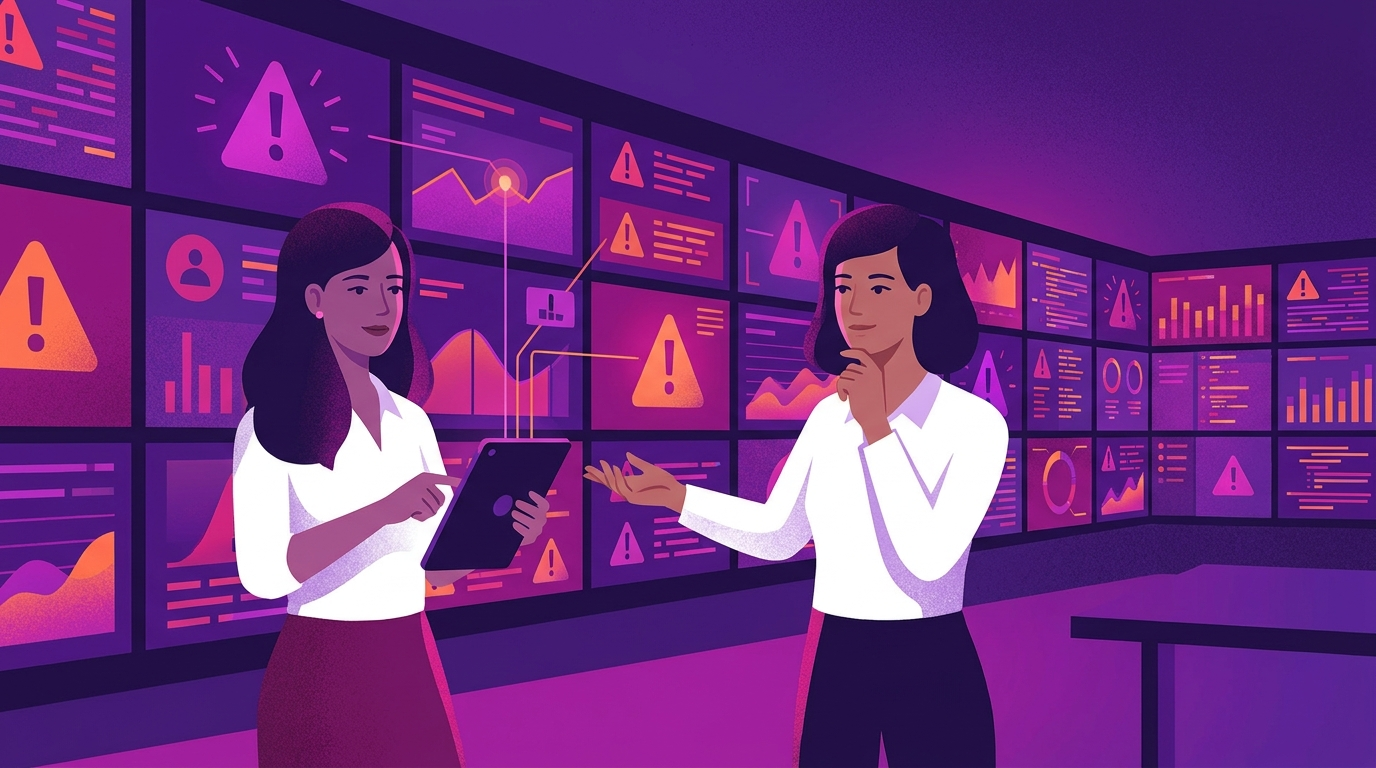
Turning Signals Into Action
The failure mode isn’t missing signals xE2x80x94 it’s collecting them without a defined response process. A useful setup assigns each signal category an owner and a standard response window: pricing changes get reviewed within 48 hours, ad creative shifts get logged and discussed at the next content planning meeting, hiring signals feed into quarterly strategy review. Without an assigned owner and cadence, even the best monitoring setup produces alerts that pile up unread.
Real-time competitive intelligence used to require a dedicated analyst
AI monitoring has made continuous tracking realistic for teams of any size.
Move fast on competitive video and creative responses
Is digital market intelligence the same thing as competitive analysis?
Competitive analysis is usually a periodic snapshot. Digital market intelligence is continuous monitoring that surfaces changes as they happen.
How many competitors should a monitoring setup track?
Start with 3-5 direct competitors tracked deeply rather than 20 tracked shallowly.
Can small teams realistically run this without a dedicated analyst?
Yes xE2x80x94 AI monitoring removes most manual tracking burden, though someone still needs to own reviewing and acting on alerts.
Key Takeaways
- Continuity is the real shift xE2x80x94 intelligence arriving as it happens beats a quarterly snapshot every time.
- Six signal types matter most: pricing, ad libraries, hiring, reviews, search rankings, and product changelogs.
- Job postings are the most underused leading indicator of a competitor’s next strategic move.
- Depth beats breadth xE2x80x94 3-5 competitors tracked deeply produces more usable intelligence than 20 tracked shallowly.
- Assign an owner and response window per signal type, or alerts pile up unread regardless of how good the monitoring is.
Sources: Meta Ad Library, Google Ads Transparency Center, and competitive intelligence industry reports, as of 2026.