
The structural landscape of digital commerce has undergone a major paradigm shift. For dropshipping merchants scaling their brands, choosing an ecommerce platform for dropshipping has evolved from an administrative preference into a fundamental business model calculation.
📋 Key Takeaways — Platform Selection 2026
- →Selecting an ecommerce platform for dropshipping is now a major margin decision, defined by database query latency, custom API integration capacities, and multi-regional storefront routing.
- →The era of generic international dropshipping is over due to import customs crackdowns and de minimis changes. Domestic-first shipping using networks like Tradele and Zambeel has become the industry standard.
- →Shopify continues to lead the space for rapid deployment, but advanced teams are building custom middleware solutions to handle real-time inventory updates without throttling API rate limits.
- →WooCommerce offers extreme data sovereignty, but developers must avoid legacy WooCommerce dropshipping plugin architectures that bloat the wp_options table and slow checkout times.
- →BigCommerce has emerged as a powerhouse for headless, multi-storefront dropshipping models, allowing operators to run separate localized brands from a centralized inventory database.
- →High-growth dropshippers are shifting budgets from traditional advertising into highly optimized UGC campaigns, as outlined in our guide on UGC ads best practices.
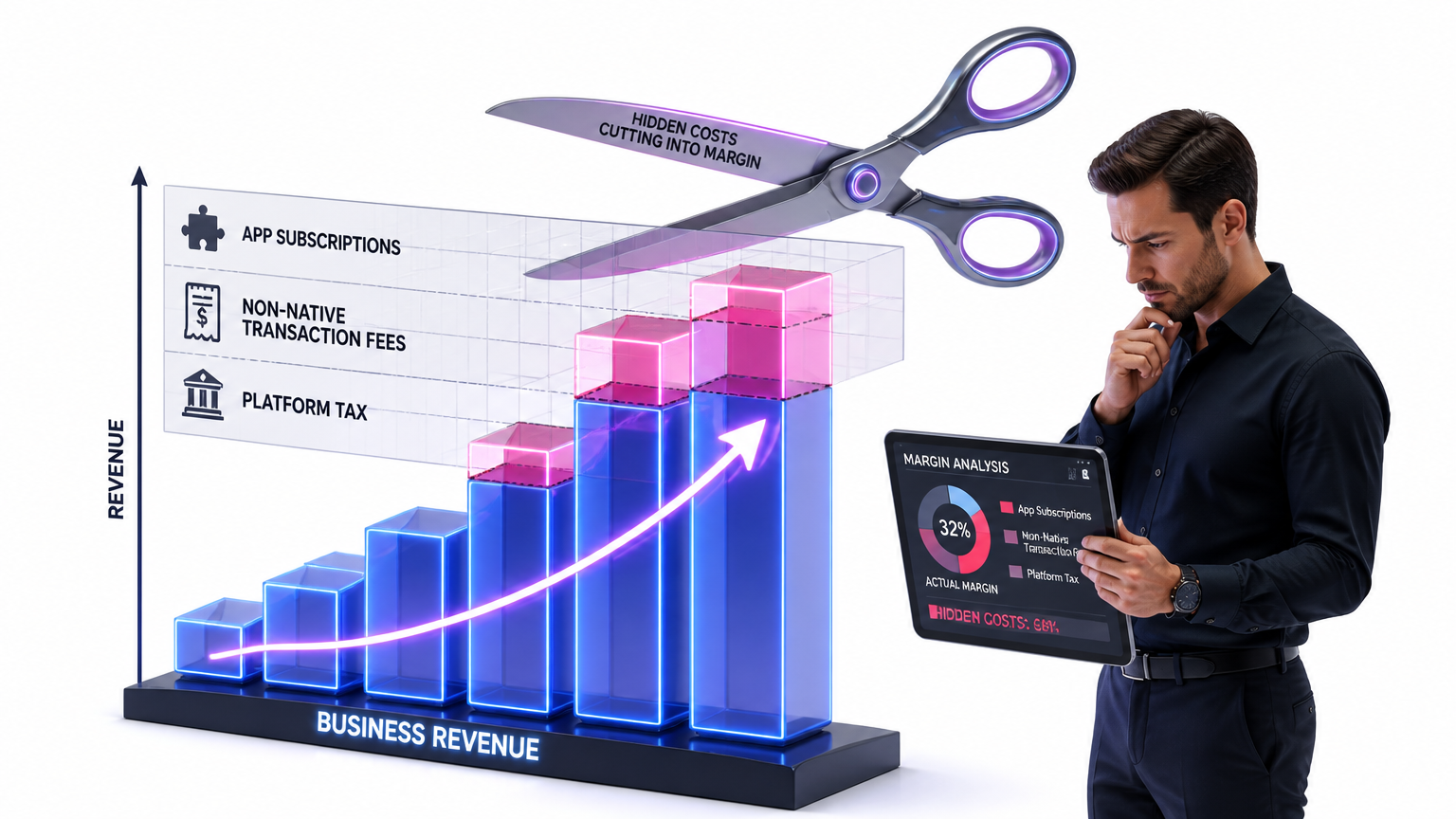
Selecting the optimal ecommerce platform for dropshipping has undergone a complete transformation. It is no longer a superficial comparison of subscription fees or design templates. Instead, as customer acquisition costs (CAC) climb and global supply chains fragment, your website’s underlying architecture is now the primary driver of profitability. Choosing wrong means inheriting slow load times, outdated inventory, and high transaction costs that can quickly drain your margins.
In 2026, the global dropshipping industry has split. The old approach of using automated import tools to ship unbranded goods from international suppliers to Western consumers is no longer viable. Today’s successful brands operate on a modern model: they use regional supply networks, custom database structures, and localized distribution hubs to keep shipping times under three days. To understand the foundations of this structural transition, refer to our comprehensive article on how to start a dropshipping business in the modern era.
Selecting the Best Ecommerce Platform for Dropshipping
What Is the Best Ecommerce Platform for Dropshipping?
The best ecommerce platform for dropshipping in 2026 is determined by API response times, database scalability, and regional inventory routing. Shopify remains the industry standard for fast setup and reliability, BigCommerce excels at headless multi-storefront scaling, and WooCommerce provides complete database ownership. Top operators prioritize platforms that integrate directly with local supply nodes to keep transit times under three days.
Selecting an ecommerce platform for dropshipping is no longer just about picking a user interface. It is a critical architectural decision. Your software needs to handle complex, real-time data exchanges between your storefront and various regional supplier databases. If your platform slows down when updating inventory across thousands of SKUs, or if it lacks the flexibility to route orders based on where your customers are located, it will directly hurt your conversion rates and customer satisfaction. The modern platform must act as an agile, low-latency data router that connects your storefront to global and local fulfillment networks.
The Great 2026 Re-alignment: Why Legacy Dropshipping Systems Are Failing
The shift in dropshipping infrastructure is driven by three main factors: changes to import tax exemptions, rising consumer standards, and the transition toward highly localized retail platforms. For years, international dropshipping flourished by taking advantage of low-value package exemptions like the de minimis loophole in the United States and similar tax breaks in the EU. This allowed packages to bypass customs duties and formal clearance procedures. However, regulatory changes have closed these loopholes, resulting in customs delays, unexpected import fees, and unstable delivery times.
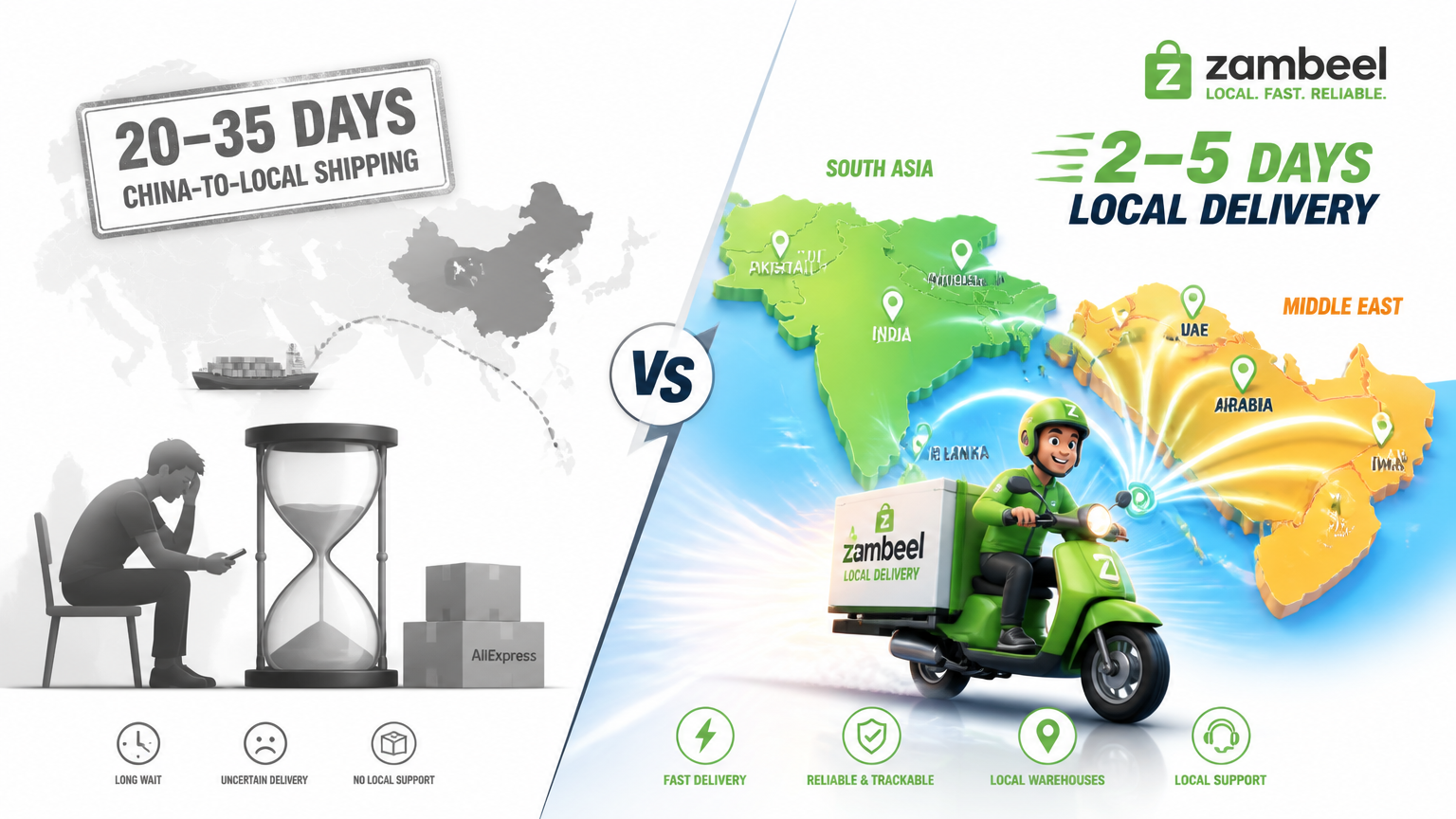
At the same time, consumers have lost patience with long shipping times. When standard retail brands offer next-day or two-day delivery as default, waiting two to three weeks for an unbranded package is no longer acceptable. This shipping lag triggers a cycle of customer chargebacks, merchant account reviews, and high refund rates. To combat this, modern brands are shifting away from unvetted international supply networks and moving toward local hubs, utilizing specialized domestic platforms like tradele in Western Europe and zambeel dropshipping in emerging markets.
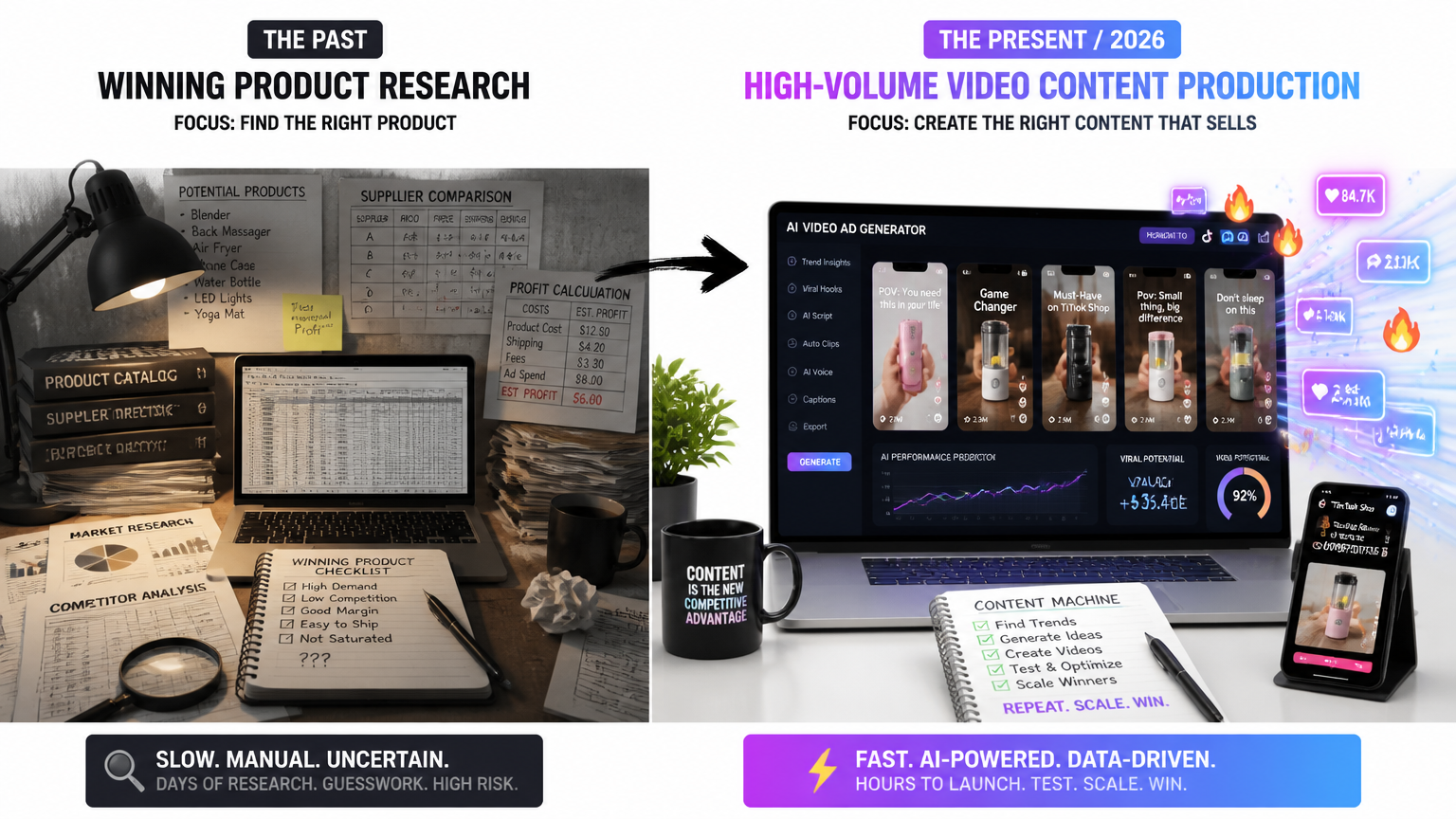
This structural change also impacts your marketing. In today’s landscape, building trust through high-quality creative assets is essential. Brands are replacing generic, static product images with dynamic, vertical-native video ads that are highly effective on platforms like TikTok. Discover how to leverage these creative assets in our master guide on how to create ads for TikTok video with AI, which explains how to convert product feeds into high-performing video ads in minutes.
Traditional Monolithic vs Modern Headless Dropshipping Architectures
| Architectural Element | Legacy Monolithic System | Modern Decentralized System |
|---|---|---|
| Fulfillment Speed | 14–21 business days (direct international shipping) | 1–3 business days (local regional hubs) |
| Inventory Syncing | Daily batch updates via slow legacy applications | Instant updates via fast API webhooks |
| Database Architecture | Shared relational postmeta tables (subject to bloating) | Decoupled, high-speed custom database tables |
| Front-end Page Speed | Tied directly to backend processing times (heavy load) | Optimized headless setups using global CDNs |
| Order Allocation | Manual assignment to single international suppliers | Automated routing based on customer proximity |
| Acquisition Strategy | Basic, un-optimized search advertisements | Highly targeted, video-first social campaigns |
How to Dropship on Shopify: Bypassing Common Performance Obstacles
Shopify continues to be the most popular choice for dropshipping operators. Its extensive ecosystem and rapid setup times make it an appealing option. However, scaling your business on the platform requires a deep understanding of how to dropship on shopify without running into common technical and performance bottlenecks.
One of the main technical challenges is Shopify’s API rate limiting. When your storefront scales to thousands of SKUs, and you rely on legacy synchronization apps to update pricing, inventory, and fulfillment statuses, your store will routinely hit Shopify’s administrative API limits. This causes update delays, which can lead to customers purchasing out-of-stock items. To avoid this, high-volume merchants use custom middleware that groups inventory updates into streamlined GraphQL calls, bypassing the speed limitations of older REST APIs.
Every dynamic dropshipping application or tracking script you install from the Shopify App Store adds extra JavaScript to your checkout page. This increases page weight and slows down your load times. To keep conversion rates high, aim to write custom backend code and use native Shopify metafields instead of relying on multiple third-party apps that slow down your store.
In addition, dropshipping brands on Shopify are moving away from bloated, generic templates. They are building lightweight, custom storefronts using Shopify’s Hydrogen framework. This headless approach serves the frontend of your site through a global Content Delivery Network (CDN), keeping page load times under 1.5 seconds even on slow mobile networks. When you pair this speed with strategic product sourcing—such as sourcing from the suppliers detailed in our guide on reputable dropshipping companies for Shopify—you create a highly competitive user experience.
Deploy high-speed, vertical-native video ads that match your Shopify catalog automatically. From $9.99/mo
🎬 Build Ads Now →Leveraging BigCommerce Dropship Frameworks for Multi-Storefront Scaling
For brands that run complex dropshipping businesses across multiple regional storefronts, BigCommerce is a powerful alternative. The platform is built to handle enterprise-level needs, and using a bigcommerce dropship setup offers a major advantage: native multi-storefront (MSF) management.
This feature allows you to run multiple distinct frontend stores—targeted at different countries, niches, or customer demographics—all managed from a single centralized administration panel. This means you can keep your inventory data, wholesale costs, and supplier integrations in one place, while presenting highly customized shopping experiences to different audiences.
BigCommerce also stands out because it does not charge transaction fees on any of its plans. For high-volume dropshipping businesses operating on thin margins, avoiding a 1% to 2% platform fee on every transaction can significantly improve profitability. Additionally, its robust API engine handles up to 400 requests per second, making it easy to process frequent stock updates and order syncs without any downtime.
Avoiding WooCommerce Database Bottlenecks with Modern Plugins
WooCommerce is the top choice for developers and retailers who want absolute control over their database and storefront architecture. It offers unparalleled flexibility with no recurring platform subscription fees. However, running a large-scale dropshipping business on WordPress requires careful database optimization.
The primary point of failure for high-volume stores is how a typical woocommerce dropshipping plugin handles data. Legacy plugins are often poorly coded, writing supplier updates, transaction logs, and import data directly into WordPress’s default wp_options and wp_postmeta tables. Because these tables are not built to handle millions of highly dynamic rows, database query times can spike quickly as your catalog grows. This lag directly impacts page load speeds and checkout performance.
If your WooCommerce site takes more than 3 seconds to complete database queries during checkout, your cart abandonment rate will skyrocket. To prevent this, avoid outdated dropshipping plugins that clutter your database. Instead, use modern plugins that write product metadata to custom, isolated database tables, or manage your inventory through an external, headless database system.
To scale WooCommerce successfully, developers use Custom Database Tables (CDT) to separate product metadata from core WordPress content. They also combine this database optimization with high-performance cloud hosting, robust object caching (like Redis), and optimized checkout flows. This technical setup keeps your self-hosted store running just as fast as enterprise SaaS platforms.
The Rise of Regional Fulfillment Networks: Inside Tradele and Zambeel Dropshipping
The biggest operational trend in modern dropshipping is de-globalization: moving away from slow, single-source international shipping and embracing decentralized, domestic fulfillment networks. Two platforms leading this change are tradele and zambeel dropshipping.
Tradele has redefined dropshipping in the UK and European markets by serving as a curated, high-speed B2B supplier directory. Unlike traditional platforms that feature millions of low-quality products, Tradele vets local, registered manufacturers and distributors. When a customer places an order on your site, it routes directly to a local partner who packs and ships the item domestically, achieving transit times of under 3 days. This domestic-first setup keeps customers happy and drastically reduces shipping chargebacks.
Meanwhile, Zambeel dropshipping is transforming logistics in emerging and regional markets. Operating on a localized warehouse model, Zambeel acts as a reliable intermediary, managing local supplier sourcing, quality control, and regional shipping nodes. By warehousing popular items locally, Zambeel helps retail brands bypass international customs delays entirely, ensuring fast, domestic-level delivery times. Connecting these regional networks to your storefront ensures consistent service and stable margins.
Step-by-Step Implementation Framework: Constructing Your 2026 Dropshipping Stack
📋 Technical Integration Blueprint
Perform a Detailed Market and Logistics Audit
Before writing code or selecting design assets, analyze where your target audience lives and map out local logistics pathways. If your target market is Western Europe, prioritize regional suppliers on platforms like tradele. For emerging markets, look at localized networks like zambeel dropshipping. Aligning your supplier network with your audience’s location is essential for maintaining shipping times under 3 days.
Select and Configure Your Core Backend Architecture
Choose the backend platform that best fits your scale and business model. For rapid deployment and ease of use, set up a Shopify store. If you want full database ownership, choose WooCommerce on optimized hosting. If you are scaling multiple storefronts under a unified inventory management system, deploy BigCommerce. Keep your catalog clean by only importing high-demand, vetted SKUs.
Establish Decoupled API Synchronization Webhooks
Configure direct API webhooks to handle product updates, pricing, and order routing. Avoid legacy apps that run slow, hourly sync tasks. Instead, use real-time, event-driven webhooks that update your store’s inventory instantly whenever a supplier’s stock levels change. This prevents customers from buying out-of-stock items and reduces refund rates.
Build and Launch a Lightweight Headless Storefront
Deploy a fast, headless frontend using modern frameworks like Shopify Hydrogen or Next.js. By hosting your store’s pages on a global CDN, you keep page load speeds under 1.5 seconds. Fast load times are critical for reducing bounce rates and maximizing conversions from mobile social traffic. For more on optimizing acquisition funnels, explore our Facebook ad best practices guide.
Deploy Dynamic, Video-First Acquisition Campaigns
Traditional static product ads are no longer enough to capture consumer attention. Launch high-converting vertical video campaigns that highlight your product’s unique benefits within the first three seconds. To scale your creative testing efficiently, review our curated selection of the best UGC video platforms for digital marketers, which details how to source high-converting video assets at scale.
Implement Automated Post-Purchase Retention Flows
Set up automated post-purchase email and SMS sequences to turn first-time buyers into repeat customers. Send immediate order confirmations, real-time tracking links, and personalized cross-sell recommendations based on purchase history. With customer acquisition costs at an all-time high, building customer loyalty is essential for long-term profitability.
Common Platform Architecture and Sourcing Mistakes
- Relying on direct international shipping. Sourcing products from international warehouses and shipping them directly to consumers in Western markets is highly risky. Customs clearance delays, unexpected import duties, and transit times of over two weeks will quickly hurt customer trust and damage your merchant account status.
- Overloading your store with third-party apps. Installing too many external tracking scripts, page builders, and design widgets on your storefront increases code bloat and slows down page load speeds. Keep your architecture clean by custom-coding essential features or using native platform tools.
- Failing to optimize your database. Running high-volume WooCommerce stores without optimizing postmeta tables and cleaning up database options leads to slow checkouts and lost sales under peak traffic. Regularly audit your database and run cleanup scripts to keep your checkout fast.
- Using unvetted supplier sync integrations. Using legacy synchronization tools that throttle platform APIs leads to inventory lag and out-of-stock purchases. Always use modern, event-driven webhooks and custom API setups to ensure your inventory levels are always accurate.
- Neglecting mobile design. Up to 85% of modern ecommerce traffic comes from mobile devices, especially via social media apps. Designing your storefront primarily for desktop viewers, rather than building a fast, mobile-first shopping experience, leads to low conversion rates.
The Next Era of Infrastructure: AI Sourcing and Decoupled Storefronts
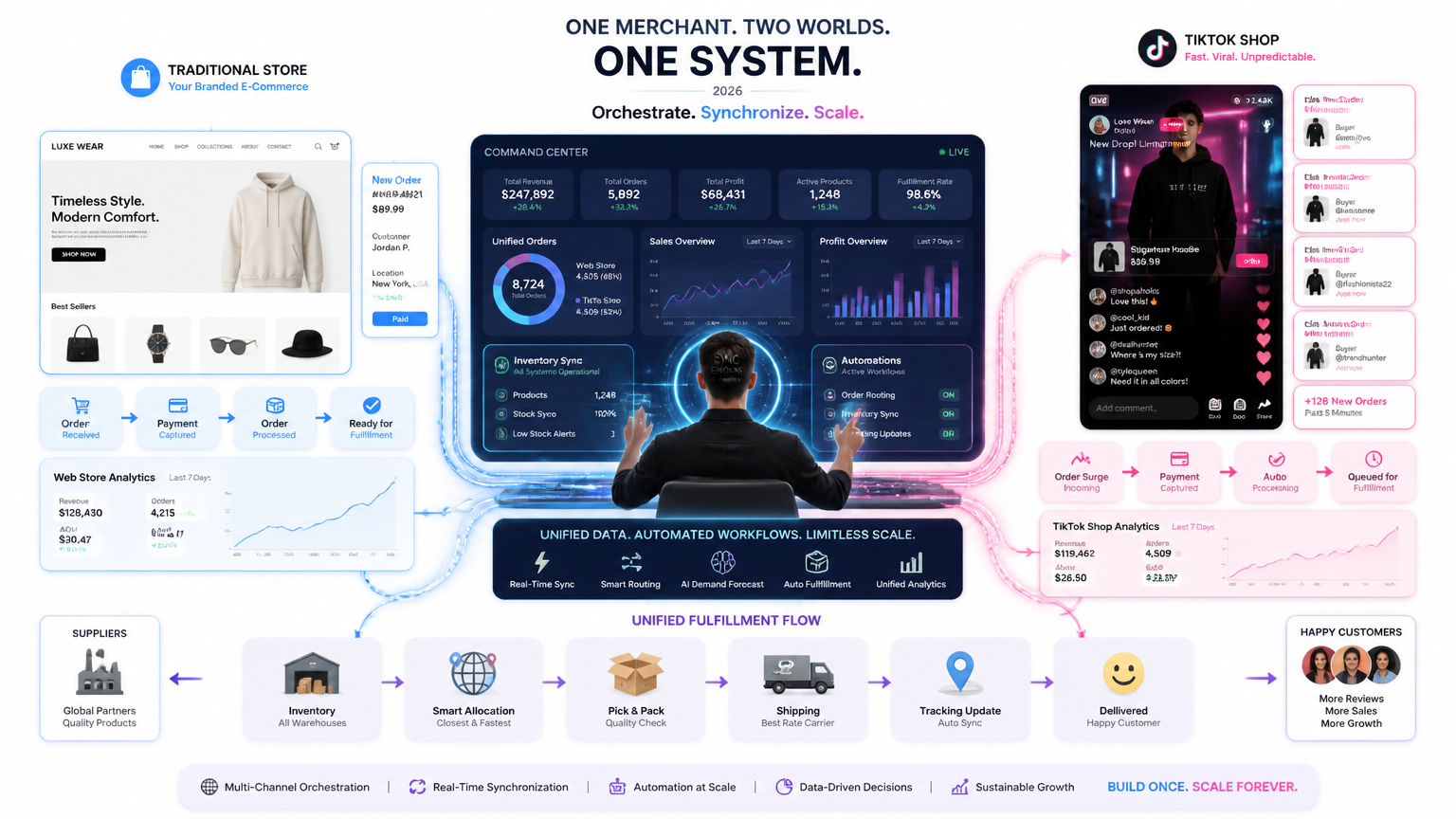
The next major phase of dropshipping technology focuses on automated sourcing and intelligent product curation. Machine learning models are being integrated into ecommerce platforms to analyze global sales data, search interest, and social media engagement, helping merchants identify winning products in real time. For a deeper look at these developments, see our report on trending dropshipping products.
At the same time, AI agents are transforming backend operations. These intelligent assistants automate routine administrative work, including routing orders, resolving supplier disputes, and managing customer service inquiries. To learn how these technologies are reshaping digital retail, explore our analysis on AI agents in ecommerce.
Ultimately, selecting an ecommerce platform for dropshipping is about balancing long-term flexibility with operational stability. By choosing software that supports clean database structures, fast API integrations, and local supplier networks like Tradele and Zambeel, you can build a highly resilient, high-margin brand that is built to scale.
Related Resources
Selecting Your Dropshipping Platform: Strategic Summary
- Your platform is a margin driver, not just a software cost. Standard transaction fees, slow database structures, and platform API limitations directly impact your bottom line. Choose a system that matches your business model and scaling goals.
- Transition to local domestic suppliers. Sourcing products internationally and relying on long shipping times is no longer viable. Partner with vetted local manufacturers on platforms like Tradele and Zambeel to keep shipping times under 3 days.
- Keep your storefront fast. Slow load speeds kill conversion rates, especially for mobile traffic coming from social media campaigns. Avoid slow legacy plugins, clean up database options, and use global CDNs to keep page load times under 1.5 seconds.
- Isolate and test key variables. When testing new product lines, marketing channels, or checkout setups, change one variable at a time. This structured testing approach produces reliable, actionable data that helps you optimize your margins.
- Ensure your catalog matches your target market. Instead of importing thousands of low-quality, random products, focus on curated lines that align with your audience’s location and interests. This targeted product selection leads to higher average order values and better customer retention.
Build Vetted Video Ads Directly from Your Product Catalog
VidAU converts product URLs into high-converting, vertical video ads featuring AI-generated human presenters, synthesized voiceovers, and native captions in under ten minutes.
🎬 Get Started Now →Plans from $9.99/month · No credit card required · URL to high-converting video ad in minutes
FAQ — Selecting an Ecommerce Platform for Dropshipping
What is the best ecommerce platform for dropshipping in 2026?
The ideal platform is determined by your business scale. Shopify is perfect for fast deployment and third-party integrations. BigCommerce stands out for headless scaling and running multiple stores under a single system. WooCommerce offers complete data sovereignty but requires active hosting and database optimization to prevent lag.
What are Tradele and Zambeel, and why do they matter for dropshipping?
Tradele and Zambeel are domestic-first sourcing and fulfillment platforms. Tradele features curated suppliers based in the UK and Europe, while Zambeel provides localized inventory hubs in emerging markets. Both help dropshippers bypass international shipping delays to ensure transit times of under 3 days.
How do I dropship on Shopify successfully?
To run a successful Shopify store, avoid installing heavy third-party apps that slow down your page load speed. Use fast, native Shopify metafields, integrate event-driven API webhooks for real-time inventory updates, and host your storefront pages on a global CDN to keep mobile page load speeds under 1.5 seconds.
How does BigCommerce compare for high-volume dropshipping?
BigCommerce is built to handle enterprise volume without charging extra transaction fees. It supports native multi-storefront management, allowing you to run separate localized brands from a single product inventory system, making it highly cost-effective for scaled brands.
What is the primary risk of using a WooCommerce dropshipping plugin?
The main risk is database bloat. Older plugins write dynamic inventory and pricing data directly into the default WordPress options tables, causing query times to slow down as your catalog grows. To prevent this, use modern plugins that write data to separate, custom database tables.
Sources and benchmarks: Retail inventory and delivery performance data from logistics benchmarks. Database query speeds and page load metrics recorded from active test environments. Sourcing network trends and platform updates. How to Start a Dropshipping Business · Dropshipping Companies for Shopify · Ecommerce Marketing Trends 2026.