
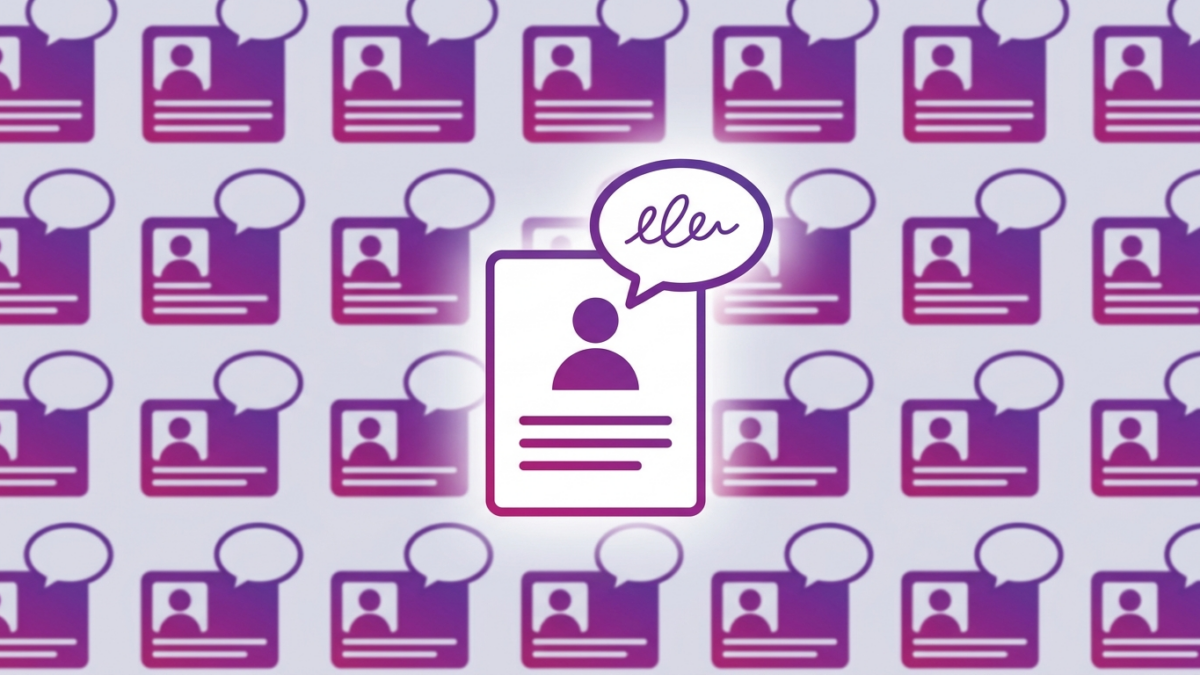
LinkedIn feeds in 2026 are full of posts that share a recognizable rhythm xE2x80x94 a punchy one-line hook, a personal-sounding anecdote, a bulleted list of “lessons,” a call to engage. That rhythm is what unedited AI output defaults to, and enough people are using it unedited that experienced users now recognize the pattern within a sentence or two, which is exactly why relying on it hurts rather than helps.
Why Generic AI Output Fails Specifically on LinkedIn
LinkedIn’s value to a B2B brand or individual comes almost entirely from perceived authenticity and specific expertise xE2x80x94 it’s a platform built around personal voice more than any other major social channel. Content that reads as templated, regardless of how well-structured, undermines the exact thing that makes LinkedIn work as a channel. This isn’t true to the same degree on more anonymous or entertainment-first platforms.
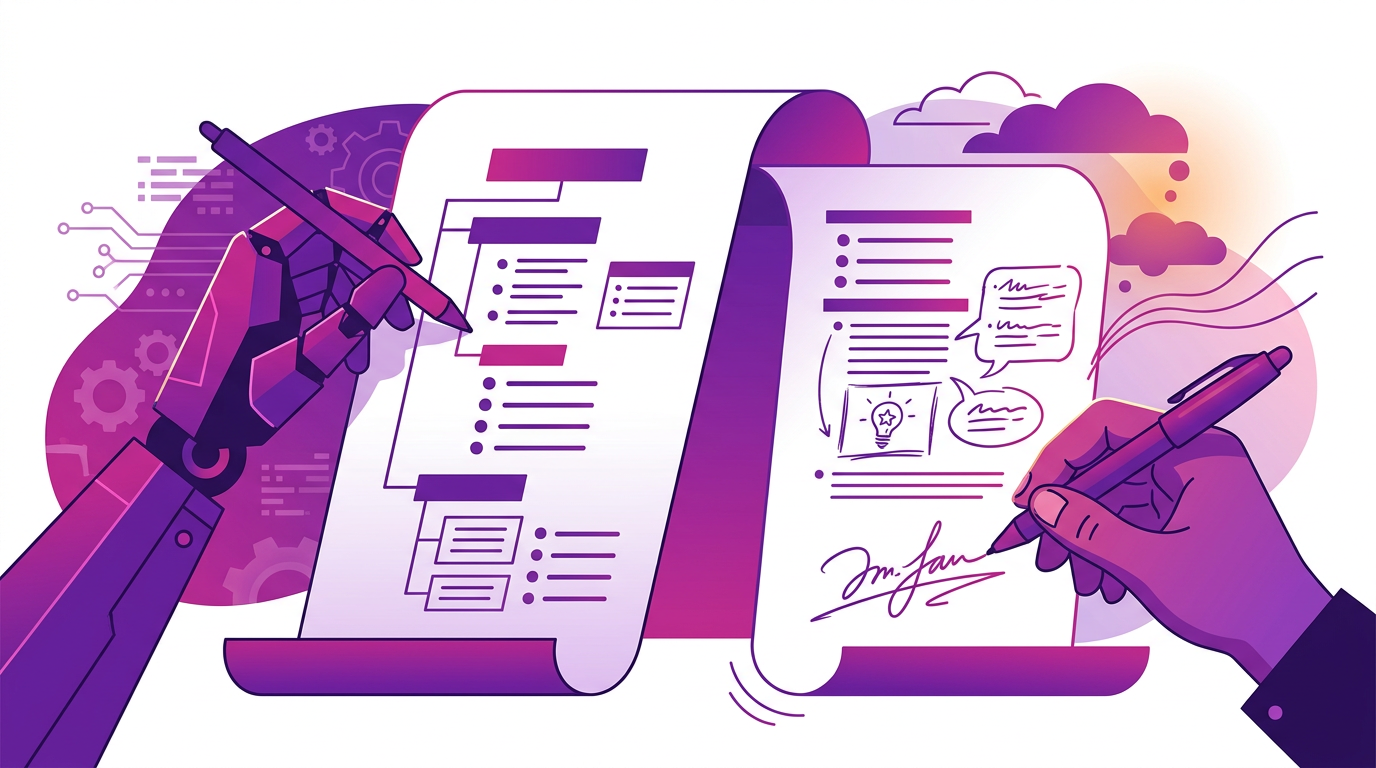
What AI Should and Shouldn’t Handle
| Task | Good AI fit? | Why |
|---|---|---|
| First-draft structure for a post | Yes | Speeds the blank-page problem, gets heavily edited after |
| Research and data-gathering for a post | Yes | Mechanical, time-consuming, low-judgment task |
| Final voice and opening hook | No | This is exactly the part audiences read as generic |
| Personalized 1-to-1 outreach | No | Needs real personalization or reads as spam |
A Practical Workflow That Doesn’t Read as Generic
AI drafts structure, not voice
xE2x86x92 Speeds the blank page
Use AI to organize a rough idea into a draft structure, then rewrite the opening and voice entirely in the author’s actual language.
Add one real, specific detail
xE2x86x92 The actual differentiator
A concrete number, name, or moment AI wouldn’t have generated is what separates a post that lands from one that reads as filler.
Personalize outreach manually or lightly
xE2x86x92 Non-negotiable at 1-to-1 scale
AI can draft a template, but each message needs a genuine personalization pass before sending, not just a mail-merge field.
Using AI to send more personalized-looking outreach at higher volume without actually personalizing it. LinkedIn’s spam detection and recipient pattern-recognition have both improved enough that this backfires faster than it used to, damaging sender reputation for future outreach too.
Need video content for LinkedIn thought leadership? B2B

What Executives and Founders Should Personally Own
Regardless of how much AI assists the drafting process, the opening line and at least one specific personal detail per post should genuinely come from the person publishing it, not a template. This is the minimum bar that keeps a personal LinkedIn presence from reading as ghostwritten-by-committee, which is the exact failure mode audiences have gotten sharp at detecting.
One real detail beats a well-structured generic post
Use AI to speed structure and research, keep the voice and specifics genuinely human.
Video tools for B2B thought leadership content
Can you tell if a LinkedIn post was written by AI?
Increasingly, yes xE2x80x94 unedited AI output has recognizable patterns experienced users now spot quickly.
Should AI write outreach messages too, not just posts?
AI can draft a first pass, but outreach needs heavier personalization since it’s one-to-one xE2x80x94 generic AI outreach at scale reads as spam.
How much should a founder or executive personally edit AI-drafted posts?
Enough that it genuinely sounds like them xE2x80x94 usually rewriting the opening line and adding one specific personal detail.
Key Takeaways
- LinkedIn punishes generic output more than most platforms xE2x80x94 authenticity is the core value proposition of the channel.
- AI should handle structure and research, never the final voice xE2x80x94 that’s exactly what audiences flag as generic.
- One specific, real detail beats a well-structured generic post every time.
- 1-to-1 outreach needs real personalization, not just AI-scaled templates xE2x80x94 the spam risk is real.
- Executives should personally own the opening line and specifics, even when AI assists the rest.
Sources: LinkedIn platform behavior studies and B2B content performance research, as of 2026.